
Why Air Appears in Faucets After Softener Service
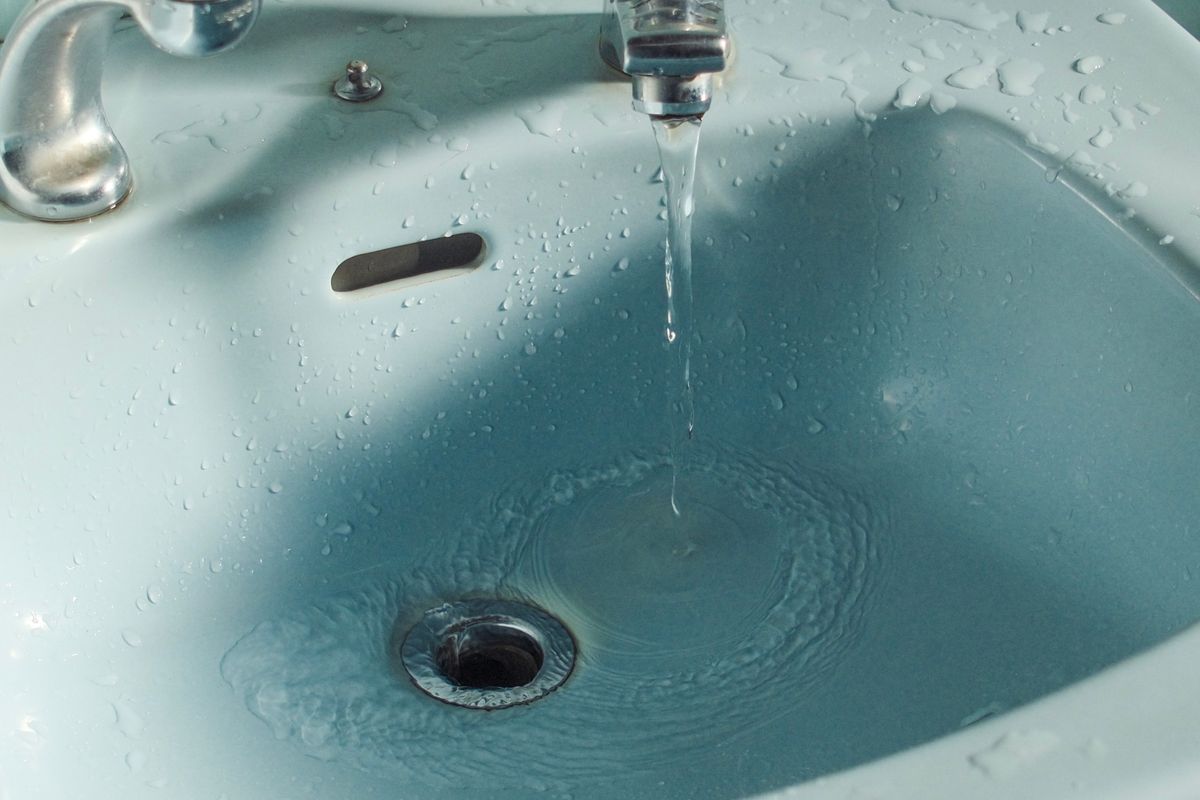
Air in water lines after softener service is normal. Servicing opens the system, air gets trapped in the resin tank and nearby pipe, and the faucets spit until it is pushed out — usually within minutes, and completely within a day. Air that keeps coming back is different: it means the softener's brine draw or the well system is pulling air in.
The transient kind needs only the right purge order. The persistent kind needs a diagnosis, and it is two separate problems that happen to look the same.
Air in Water Lines After Softener Work: Transient or Persistent?
This single distinction decides whether you need to do anything more than open a few taps.
| Question | Transient (normal) | Persistent (a fault) |
|---|---|---|
| When did it start? | Immediately after service, install or any shutoff | Days or weeks after, or with no service at all |
| Does it clear? | Yes, within minutes per tap and a day overall | Clears, then returns |
| When does it return? | It does not | After each regeneration, or after heavy water use |
| Which taps? | All of them, briefly | All of them, briefly, on a pattern |
| City or well? | Either | Brine draw fault: either. Pump or tank fault: wells only |
| Action | Purge in order | Diagnose the source below |
Give it a day before worrying. Pockets of air lodge in high points — second-floor lines, toilet fill valves, the top of the water heater — and can take several uses to work out. One or two coughs the day after service is still the transient case.
The one-week test. If air is still appearing a week after service, note the time it happens. Compare it to the softener's regeneration time, usually around 2 a.m. That comparison separates the two persistent causes faster than anything else.
Why Servicing Lets Air In
Almost every softener service opens the pressurised side of the system.
- Bypass and depressurise. The unit is put in bypass and pressure is released so the valve can be opened safely.
- Valve work. Replacing a piston, seals or an injector means the control head's internal passages drain partly.
- Resin work. A resin change or cleaning means the tank is drained, opened and refilled — a large volume of air replaced by a large volume of water.
- Whole-house shutoffs. If the main was turned off, every pipe in the house drains down to its low points and fills with air from open taps.
Where the air ends up. When the unit returns to service, incoming water compresses the air in the resin tank and pushes it downstream. Manufacturers build a purge into start-up for exactly this reason: the start-up instructions in Pentair's Fleck 5600SXT service manual tell the installer to open the bypass slowly, let the mineral tank fill, then open a nearby cold tap and let water run until the air is purged from the plumbing lines. If that step was rushed, the air goes to the rest of the house instead.
Why it matters beyond the noise. A burst of air through a pipe travels fast and knocks loose scale and debris. That debris then lands in aerators, showerhead screens and appliance inlet valves. Purging properly — with aerators off — prevents a second problem.
The Purge Order That Actually Clears It
Opening random taps moves air around; it does not reliably get it out. The order below pushes air in one direction — away from the softener and up and out of the house — rather than chasing it back and forth.
Before you start:
- Unscrew the aerators on the faucets you will use, and set showerheads to their widest spray or remove them. Debris will come through.
- Make sure the softener is in service, not bypass, and has finished any regeneration. You want to purge the treated side.
- Keep the water heater powered as normal if it was never drained. If it was drained, see the note on hot lines below.
Cold lines, in this order:
- The lowest, nearest cold tap to the softener. A basement laundry tub, utility sink or a hose bib downstream of the softener. Open it fully and let it run until the flow is smooth and free of spitting, then about thirty seconds more.
- Other cold taps on the same level, working away from the softener. One at a time, fully open, until smooth.
- Flush each toilet on that level. Fill valves trap air and hiss or bang otherwise.
- Move up one floor and repeat: nearest to the riser first, then working outward.
- The highest and farthest fixtures last. Air rises; this pushes it out at the top of the system.
Hot lines last, same order:
- Start again at the lowest, nearest hot tap and work up and out exactly as with cold.
- Run each hot tap until it is smooth and hot. Air collects at the top of the water heater, and it emerges through the hot outlet as you draw.
Why hot lines last. The water heater holds a large volume and its outlet is at the top, where trapped air collects. Purging cold first means the heater's supply is full and at steady pressure before you start drawing from it, and prevents air being pulled back and forth through the tank. If the heater was drained during the work, refill it first by opening a hot tap and waiting until it runs without spitting — and do not restore power to an electric heater until then, because an element that heats in an empty tank burns out.
Finish up. Refit the aerators after rinsing them. Run the dishwasher and washing machine on a short cycle, as their inlet valves hold small air pockets too.
If it persists after a proper purge, it is time to look at the persistent causes.
Persistent Cause 1: The Softener Draws Air During Brine Draw

The pattern: air appears the morning after each regeneration, then clears. Nothing between regenerations. This happens on city water and well water alike.
The mechanism. During the brine draw stage, the control valve's injector creates suction that pulls brine out of the salt tank through the brine line. When the tank runs out of brine, a small float valve at the bottom of the brine pickup — the air check — is supposed to close and stop the injector pulling air. The Fleck manual includes a diagram of this residential air check valve and specifies filling the salt tank with water to the top of the air check at start-up. If the air check fails, or air can enter anywhere else on the suction side, the injector keeps drawing — and it draws air into the resin tank. That air sits in the top of the tank until the next water use and then goes out to the faucets.
The three ways it happens:
| Cause | What you see in the brine tank | Check |
|---|---|---|
| Air check sticking open or worn | Water level normal; salt being used normally | Lift the brine well cap, pull the pickup assembly and check the air check ball or float moves freely and seats |
| Air leak in the brine line or its fittings | Often more water than normal, because the draw is weak | Inspect the brine line for cracks and the compression fittings at both ends for looseness |
| Too little water in the brine tank | Water well below normal, or dry | The draw exhausts the brine early and the air check is asked to close every cycle; see no water in the brine tank |
Why the brine tank water level is the key clue. If the tank is fuller than it should be and there is air in the lines, the suction side is leaking air, which weakens the draw so less brine is removed — a combination that also leads to a brine tank full of water or overflowing. If the level is normal and there is still air, the air check itself is the likely culprit. If the level is low, the tank is running dry before the stage ends.
Fixes. An air check is an inexpensive part on most valves. Clean it with warm water, check that nothing — salt crystals, sediment — is holding it open, and replace it if it is worn. Tighten or replace brine line fittings. Correct the refill if the tank is short of water. Then run a manual regeneration and check the next morning.
What this is not. A softener does not normally put air into the house. If the unit is new and the pattern appears immediately, the air check may have been left without its float or set too low; if the pickup was trimmed to fit a grid plate, the manual's instruction to cut it level with the plate matters.
Persistent Cause 2: The Well System Is Supplying the Air
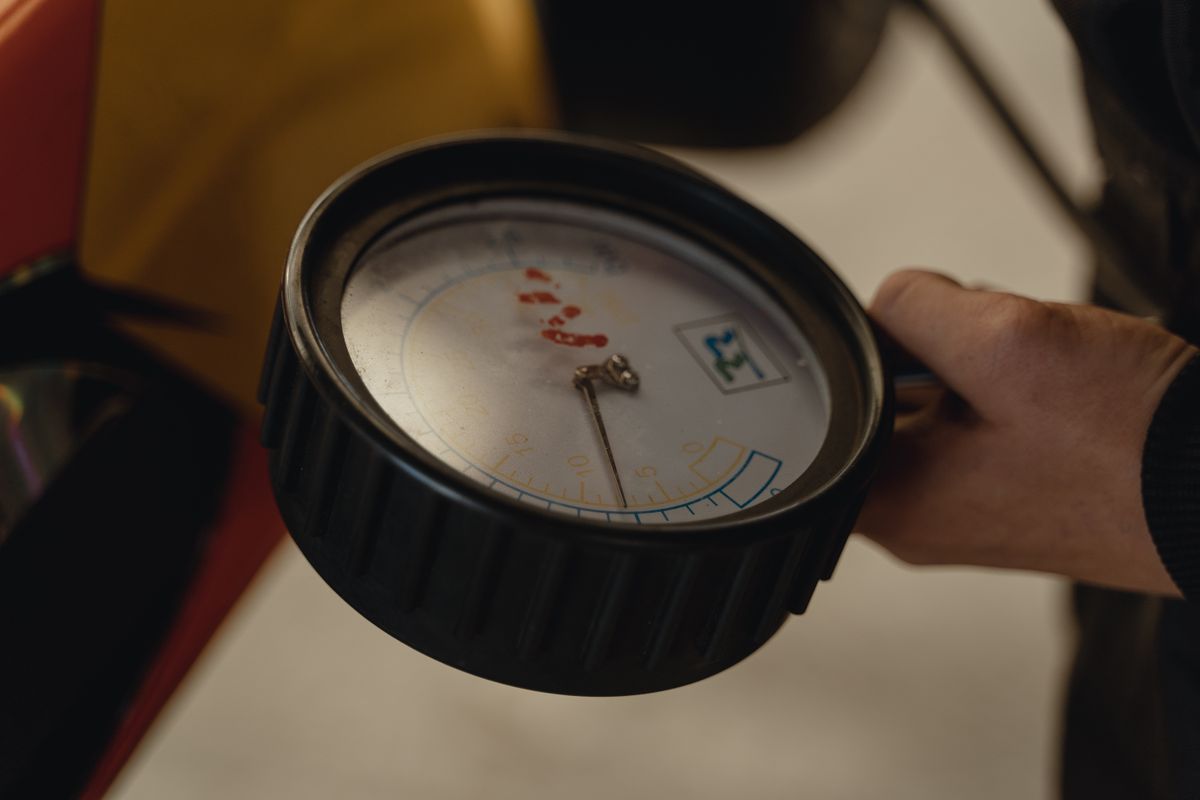
The pattern: air at random times, often after long showers, laundry days or irrigation, not tied to the softener clock. Wells only. The softener is simply the first thing the air passes through, which is why it gets blamed.
Pentair's own troubleshooting table lists air in the water system as a cause of softener problems and tells the reader to ensure the well system has a proper air eliminator control and to check for a dry well condition. In other words, the manufacturer points upstream.
The well-side causes:
- Low water level in the well. During heavy use, the pumping level can drop toward the pump intake, and the pump draws a mix of water and air. The giveaway is air after sustained demand, sometimes with sputtering and loss of pressure together. This is a well capacity problem, not a plumbing one.
- A ruptured bladder or diaphragm in the pressure tank. Modern tanks keep the air cushion and water permanently separated by a bladder, as the EPA-funded Private Well Class explains in how a private well pressure tank works. When the bladder fails, some of that air mixes into the water and escapes at the taps; afterward the tank waterlogs and the pump starts short-cycling.
- Older tanks with an air volume control. Plain steel tanks without a bladder rely on a device that adds air to replace what dissolves into the water. If it fails, it can inject too much, and the excess goes to the house.
- A leak on the suction side or in the drop pipe. On jet pumps especially, a leak in the suction line pulls air rather than leaking water.
- Dissolved gases. Some groundwater carries dissolved gas that comes out of solution when pressure drops at the tap. This is not a softener issue at all, and gases such as methane need a proper assessment rather than a plumbing fix.
Checking the pressure tank. A bladder tank's air pre-charge is checked with a tire gauge on the air valve, with the pump powered off and the tank fully drained. The Water Systems Council's guidance on pressure tank pre-charge sets out that procedure and says the pre-charge should be set below the pump cut-in pressure per the manufacturer's instructions. If pressing the air valve's pin releases water rather than air, the bladder has failed.
Why the softener still matters here. Air trapped in the top of a resin tank reduces the effective bed and can disturb it. If a well is supplying air, the softener will keep receiving it until the well-side cause is fixed.
Telling the Two Apart in a Week
If you are not sure which persistent case you have, keep a simple log for seven days.
| Record | Brine draw fault | Well fault |
|---|---|---|
| Time air appears | First use after the regeneration hour | After heavy use, any time of day |
| Days it appears | Only regeneration days | Any day with high demand |
| Water supply | City or well | Well only |
| Brine tank level | Often abnormal, high or low | Normal |
| Pump behaviour | Normal | Short-cycling, or pressure drops with the air |
| Softener in bypass for 48 hours | Air stops | Air continues |
The bypass test is decisive. Put the softener in bypass for two regeneration cycles. If air keeps appearing, the softener is not the source. If it stops, the softener is.
Not air, but looks like it. Milky water that clears from the bottom of the glass up within a minute or two is fine bubbles of dissolved air, and it is harmless. Cloudiness that does not clear is something else — see why softened water looks cloudy.
What You Can and Cannot Fix Yourself
Within reach: purging air after service, cleaning or replacing an air check, tightening brine line fittings, correcting the brine tank water level, and checking a pressure tank's pre-charge with the pump off and the tank drained.
Better left to a professional: replacing a pressure tank, anything inside the well, diagnosing a low-yield well, and investigating gas in well water. And if the air appeared right after a service visit and keeps returning, call the company that did the work — a pickup assembly or brine line disturbed during service is a reasonable thing to ask them to check under their own warranty.
What a softener cannot do: remove dissolved gases, fix a well's yield, or stop air that arrives from upstream. It can only avoid adding its own.
Clearing the Air, In Order
- Wait a day after any service before treating air as a fault.
- Remove aerators and set showerheads wide open.
- Purge cold taps from the lowest and nearest to the softener, up and outward, flushing toilets as you go.
- Purge hot taps last in the same order; refill a drained heater before restoring power.
- Refit rinsed aerators and run appliances on a short cycle.
- If air returns, log when for a week against the regeneration time.
- Air after regenerations only: check the brine tank level, air check and brine line fittings.
- Air after heavy use on a well: check the pressure tank pre-charge and bladder, then the well.
- Confirm with 48 hours in bypass which side the air is coming from.
- Hand off well, tank and gas questions to a well contractor.
Air in water lines after softener service is almost always the transient kind, and the right purge order clears it in a quarter of an hour. When it keeps coming back, the question is simply whether it follows the softener's clock or the household's water use. The first points at the brine draw; the second points down the well. Either way, one week of notes tells you which.
Frequently Asked Questions
Is it normal to have air in water lines after a water softener is serviced?
Yes. Servicing usually involves putting the softener in bypass, depressurising it and opening the valve or tank, which lets air into the resin tank and the pipework next to it. When the unit goes back into service, that air is pushed into the house lines and spits out at faucets. It normally clears within minutes at the taps you run and within a day overall.
How do I get air out of my water lines after a softener install?
Start with the lowest cold tap nearest the softener, open it fully until the flow runs smooth, then work up and outward through each cold tap in turn, flushing toilets along the way. Once all the cold lines run clean, repeat the same order with the hot taps. Remove aerators first so any debris dislodged by the air surge does not clog them.
Why do I get air in my water lines after every softener regeneration?
The softener is drawing air in during the brine draw stage. The usual causes are a failed air check valve on the brine pickup in the salt tank, an air leak at a brine line fitting, or a brine tank with too little water, so the draw runs dry before the stage ends. The air enters the resin tank and comes out at the faucets the next time water is used, typically the following morning.
Can a well pressure tank cause air in water lines?
Yes. A ruptured bladder lets the air cushion mix with the water, older tanks with an air volume control can over-inject air, and a pump drawing from a well with a low water level pulls air in with the water. Air from the well system appears at random times or after heavy use rather than only after a softener regeneration.
Is air in water lines dangerous?
Trapped air after service is not dangerous, though it can cause spitting, noise and a surge that loosens debris. Persistent air can indicate a failing component, and on some wells the gas is not air at all but dissolved methane or other gases coming out of solution. If water spurts with a gassy smell or sound on a well, have the water tested and the well assessed before assuming it is air.
Why is my water cloudy after the softener was serviced?
Tiny air bubbles make water look milky white. If a glass of it clears from the bottom up within a minute or two, it is dissolved air and harmless. If it stays cloudy or leaves sediment, it is something else, such as fine particles or precipitated minerals.