
Why Scale Keeps Forming Around Faucet Aerators
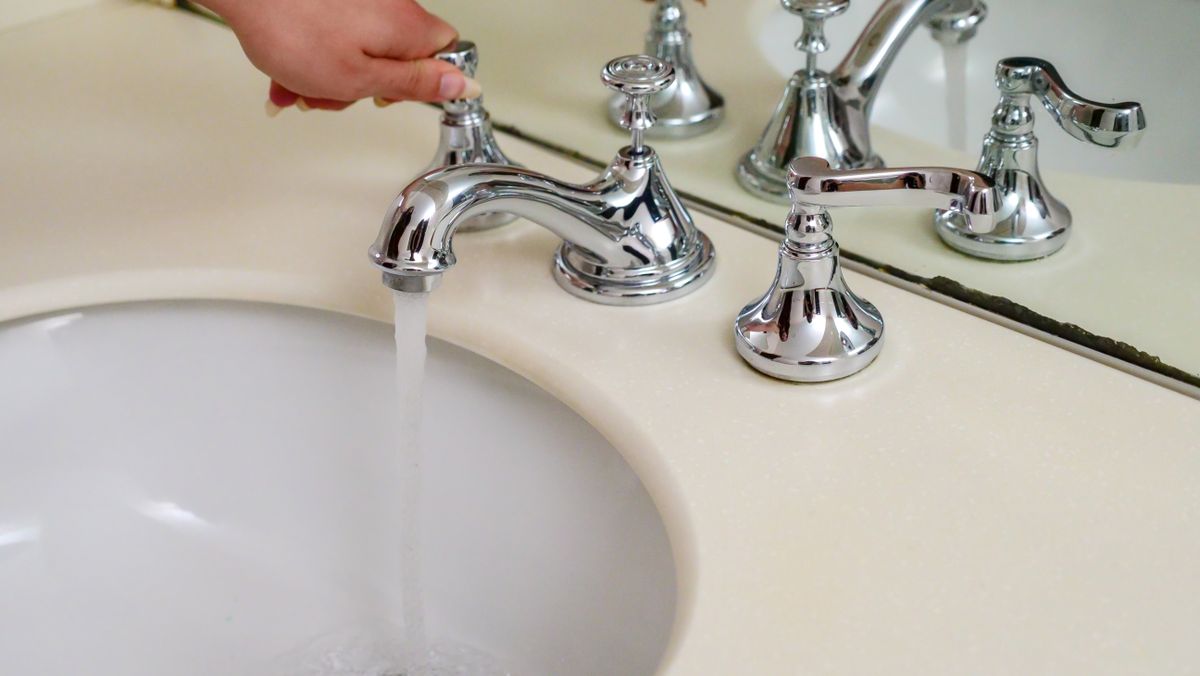
Scale on a faucet aerator keeps coming back because cleaning removes the deposit and changes nothing about the water that made it. The useful part is the interval: how many weeks pass before the flow drops again is a free, surprisingly accurate reading of how hard your water actually is.
Most guides stop at "soak it in vinegar." That works. It also works again in six weeks, and again six weeks after that, and at some point the repetition is the diagnosis.
Why Scale Forms on a Faucet Aerator Faster Than Anywhere Else
An aerator is the worst place in your plumbing for mineral deposits, by design.
It is the last thing water touches before it hits air, so every dissolved mineral in that final volume gets a chance to precipitate right there. It contains the finest apertures in the whole fixture — a mesh screen with openings well under a millimetre. And after you shut the tap, a small amount of water stays trapped in the housing and evaporates in place, leaving its entire mineral load behind on the screen rather than washing it away.
Calcium carbonate also behaves in a way that works against you here: it becomes less soluble as temperature rises, which is why the hot side of a mixer tap and the kitchen faucet you run hot most often scale up faster than a cold-only outlet.
The practical consequence is that the aerator fails long before the pipe does. Michigan State University Extension notes that aerator screens also collect grit and debris shaken loose from the supply, which is why a blocked aerator is the first thing a plumber checks on a low-flow complaint — and often the last.
The Regrowth Clock: Reading Your Hardness From the Calendar
This is the part worth actually doing. Clean the aerator properly once, note the date, then note the date the flow next becomes noticeably worse. That interval maps onto hardness closely enough to be useful.
| Weeks until flow drops again | Likely hardness | What it means |
|---|---|---|
| Under 4 weeks | Very hard, roughly 15 gpg and up | Scale is also accumulating in the water heater at speed |
| 4–8 weeks | Hard, roughly 10–15 gpg | Softening pays back on appliance life alone |
| 3–6 months | Moderately hard, roughly 5–10 gpg | Judgement call; depends on your appliances and patience |
| 6–12 months | Slightly hard, under 5 gpg | Maintenance, not a treatment problem |
| Flow drops but the deposit is not chalky | Silica or debris | A softener will not change this at all |
Two things make this reading unreliable, and both are easy to control. Do not compare a kitchen faucet against a guest bathroom one — usage volume dominates. And run the test on the same fixture twice before you trust it, because the first cycle after a proper deep clean often runs longer than normal as loosened debris finishes clearing.
Treat this as a sanity check on a real measurement rather than a replacement for one. When you want an actual number, a titration kit or your utility's report gives you one in minutes.
The 15-Minute Rebuild, in the Right Order
Cleaning an aerator is easy. Reassembling one correctly is where people go wrong, and a wrongly stacked aerator sprays sideways, whistles, or drops flow worse than the scale did.
Removing it
- Plug the drain first. The screen and washer are small, and they are gone forever otherwise.
- Try by hand. Most aerators unscrew anticlockwise as you look up at the spout. Grip through a rubber glove or a cloth for purchase.
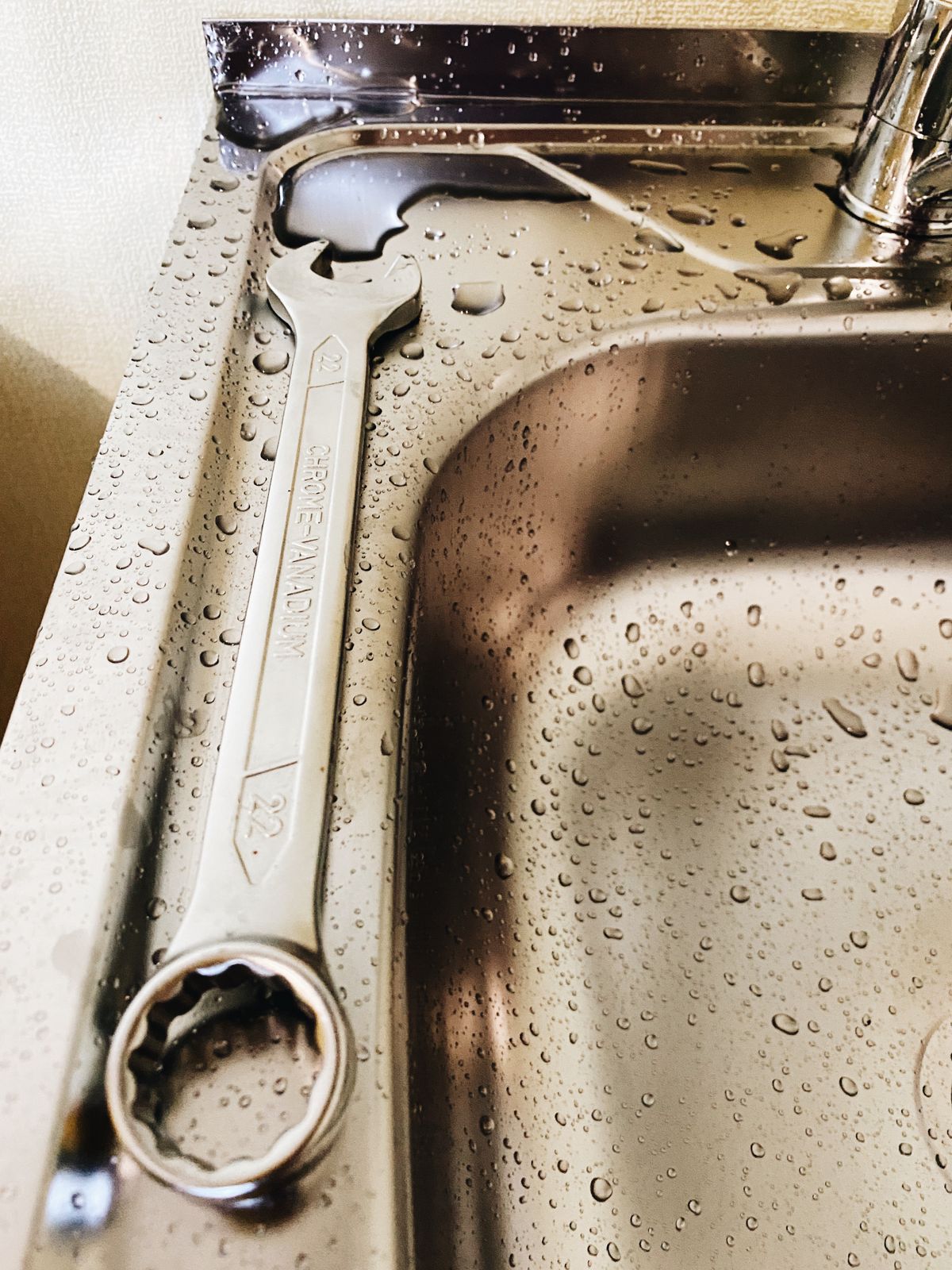
- If it is seized, wrap the housing in a cloth before using pliers or a strap wrench. Chrome marks permanently and cheap plated housings crush.
- Cache-style aerators — the flush, keyless kind with no visible flats — need the plastic key that came with the faucet. Manufacturers sell replacements for a few dollars; do not attack these with pliers.
Photograph the stack before you separate it. This is the single habit that prevents the reassembly mistake, and it takes two seconds.
Cleaning it
Separate the housing, the rubber washer, the flow restrictor, the mixer or diffuser disc, and the fine mesh screen. Drop the metal and plastic parts into a cup of undiluted white vinegar — 30 minutes for light buildup, overnight for a screen you can barely see through. Then work the screen from the outlet side with an old toothbrush so debris pushes back out the way it came in rather than deeper into the mesh. A pin clears individual blocked apertures; do not enlarge them.
Leave coloured, matte black, oil-rubbed bronze and brass-plated housings out of the long soak. Thirty minutes maximum, then rinse. Acid strips those finishes and the damage does not polish out.
Reassembling it
Working from the faucet end downward: rubber washer and flow restrictor at the top, then the mixer or diffuser disc, then the fine mesh screen last, nearest the outlet. Hand-tighten only — a quarter turn past finger-tight is plenty, and overtightening splits plastic housings and crushes the washer into a leak.
Run the tap for 30 seconds before judging the result. A stream that is straight, quiet and full has been reassembled correctly.
When It Is Not Scale at All
Three failures look like aerator scale and are not, and each wastes an afternoon if you miss it.
Debris from work upstream. Grit, pipe scale flakes, or solder fragments after plumbing work produce a sudden blockage rather than a gradual one, and the material in the screen is dark and gritty rather than white and chalky. If several fixtures block at once within days of any work on the line, that is the cause. Flush the line with the aerators removed before refitting them.
Silica. A white haze that shrugs off a vinegar soak is silicon dioxide, not calcium. The distinction matters because ion exchange passes silica straight through — the same test that separates scale from silica on faucet spotting applies to the screen.
A failing supply line or cartridge. If flow is poor with the aerator entirely removed, the aerator was never the problem. Check the supply valve under the sink is fully open, then the cartridge, then the pressure at an outside hose bib.
Stopping the Cycle Rather Than Repeating It
Between cleanings, two habits genuinely slow the return. Wipe the spout dry after heavy use, since it is the evaporating film that leaves the deposit. And on a mixer tap, finish with a few seconds of cold — hot water sitting in the housing scales faster than cold.
Neither changes the water. If the regrowth clock puts you in the under-8-weeks band, the aerator is the visible end of a problem happening simultaneously inside your water heater, dishwasher and washing machine, where you cannot unscrew anything and soak it in vinegar.
That is the case where treatment stops being cosmetic. Whether your hardness number justifies it is worth working out before you get quotes, and it is worth confirming that hardness is genuinely your problem rather than one of the several things it gets mistaken for. If it is, the EPA's description of how cation exchange softeners work is a plain-language starting point on what the equipment actually does.
One detail worth knowing before you unscrew anything permanently: on most fixtures sold since the mid-1990s the aerator houses the flow restrictor, and EPA WaterSense faucet specifications cap bathroom faucets at 1.5 gallons per minute. Removing the aerator to "fix" the flow removes the restrictor with it and raises your water use — while the scale simply deposits somewhere less convenient.
What to Do Next
- Do the rebuild properly once, photographing the stack, and write the date on a piece of tape inside the vanity.
- Note the date the flow drops again. That interval is your regrowth clock, and it is a genuinely useful number.
- If the interval is under two months, get a real hardness measurement rather than guessing, and treat the aerator as the symptom it is. If the deposit never dissolved in vinegar in the first place, work through what else it could be before spending anything.
Frequently Asked Questions
How often should you clean a faucet aerator?
Let the faucet tell you rather than the calendar. Clean it when flow drops or the stream starts splitting, then note how many weeks that took. On water above roughly 10 gpg that tends to be every 4 to 8 weeks; between 5 and 10 gpg, every 3 to 6 months; under 5 gpg, once or twice a year. If you are cleaning monthly, the aerator is not the problem — the water is.
Can you leave a faucet aerator soaking in vinegar overnight?
For chrome, stainless and plastic parts, yes, and overnight is the right call for heavy buildup. Two cautions: do not soak brass-plated or coloured finishes for more than about 30 minutes, since prolonged acid attacks the coating, and never mix vinegar with bleach or any chlorine cleaner. Rinse thoroughly and reassemble wet rather than letting acid dry on the parts.
Why is my faucet spraying sideways after cleaning the aerator?
Almost always reassembly order. The flow restrictor and the rubber washer go in first at the top, then the mixer or diffuser disc, then the fine mesh screen last, closest to the outlet. Reverse the screen and the diffuser and the stream splits or sprays. Photograph the stack as you remove it — that single habit prevents most repeat calls.
Should I remove the aerator permanently to stop the clogging?
No. The aerator is the reason the stream is straight, quiet and not splashing the counter, and on most modern faucets it is also the flow restrictor that keeps the fixture within its rated flow rate. Removing it hides the symptom, raises your water use, and the scale simply deposits further down the fixture instead.
Does a water softener stop aerator scale for good?
It stops new calcium and magnesium scale forming, which is the cause in the large majority of cases. Two caveats: existing deposits inside the plumbing keep shedding downstream for a few weeks after installation, so clean the aerator again at the one-month mark, and silica-based haze is unaffected by ion exchange because silica passes straight through the resin.