What Water Hardness Level Is Considered Too Hard?
What hardness level is too hard? The short answer: above about 7 grains per gallon (120 mg/L), the scale and soap costs become consistent enough that most households benefit from treatment. Above 10.5 gpg they become hard to ignore.
But "too hard" is a cost question, not a safety one — and the number that should actually drive your decision usually isn't a generic threshold at all. It's whichever appliance in your house has the tightest water quality limit in its warranty.
What Hardness Level Is Too Hard? The Short Answer
There is no health-based limit for hard water. The EPA classes hardness as a secondary contaminant — regulated for taste, odour and appearance rather than safety — so there is no maximum contaminant level to exceed. Some epidemiological work has associated harder water with a modest cardiovascular benefit rather than harm.
So nothing is "too hard" in a safety sense. What exists instead are practical thresholds, where the cost of living with the water starts to exceed the cost of treating it.
| Grains per gallon | mg/L | Classification | Practical verdict |
|---|---|---|---|
| Under 1.0 | Under 17 | Soft | Nothing to do |
| 1.0–3.5 | 17–60 | Slightly hard | Occasional spotting; no action needed |
| 3.6–7.0 | 61–120 | Moderately hard | Manageable with habit changes |
| 7.1–10.5 | 121–180 | Hard | Treatment usually worthwhile |
| Over 10.5 | Over 180 | Very hard | Treatment almost always pays back |
Both the U.S. Geological Survey and Penn State Extension use these bands. Penn State adds the detail that matters most for a buying decision: softeners are generally recommended where hardness runs between roughly 3 and 20 grains per gallon, water pH is above 6.7, and dissolved iron is under 5 mg/L.
That range has two edges, and both are frequently ignored.
The Five Thresholds That Actually Matter
1 gpg — the floor. Below this, water is soft by any definition. Nothing to do, and no equipment will produce a noticeable improvement.
3.5 gpg — where softening starts being defensible. Below this, Penn State's guidance says there isn't enough hardness to justify the equipment, the salt, or the regeneration water. Buying a softener here is buying a solution to a problem you don't have.
7 gpg — the practical treatment threshold. This is where scale on heating elements and soap waste stop being occasional annoyances and become recurring costs. Most treatment recommendations cluster here for good reason.
10.5 gpg — the very hard line. Above this, appliance manufacturers start writing water quality into warranty terms, descaling intervals shorten sharply, and the payback period on a softener drops to a few years.
20 gpg — the top of the standard range. Still treatable, but it changes the specification rather than just the size. Capacity requirements rise steeply, regeneration becomes more frequent, and annual salt cost roughly triples relative to 7 gpg water. Above this you're into territory where a single standard residential unit may not be the right answer.
Why Appliance Limits Beat the Generic 7 GPG Rule
Here's the part most guides skip. A generic threshold treats every house as identical. In practice, the appliance with the tightest tolerance sets your real limit — and that varies enormously depending on what you own.
Tankless water heaters are the strictest by a wide margin. Because they heat water instantaneously across a narrow heat exchanger, scale accumulates faster and matters more than in any other household appliance. Several manufacturers specify treatment or shortened flush intervals above roughly 7–12 gpg, and some write water quality directly into warranty conditions. If you own one, check the manual before you use any generic threshold — a warranty denial costs more than the softener would have.
Storage water heaters are more forgiving but not immune. Sediment settles to the bottom of the tank, where it insulates the burner and forces longer run times. The popping or rumbling noise from an older tank is the burner heating through that layer.
Dishwashers and washing machines tolerate more. Many European-brand dishwashers include a built-in softener reservoir precisely because hardness is expected. Worth knowing: if you install a whole-house softener, that built-in unit needs turning down or you'll over-soften and risk etching your glassware.
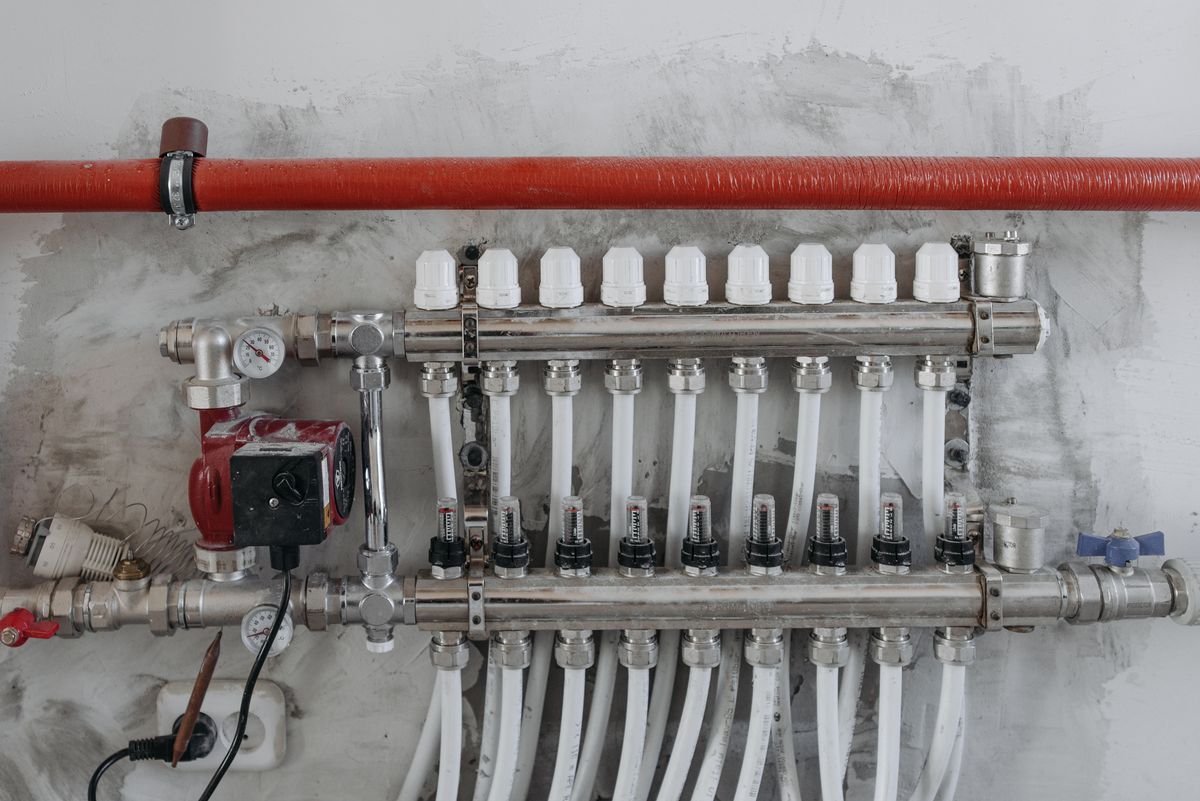
Boilers and hydronic systems have their own requirements, which often differ from the domestic hot water side of the same house.
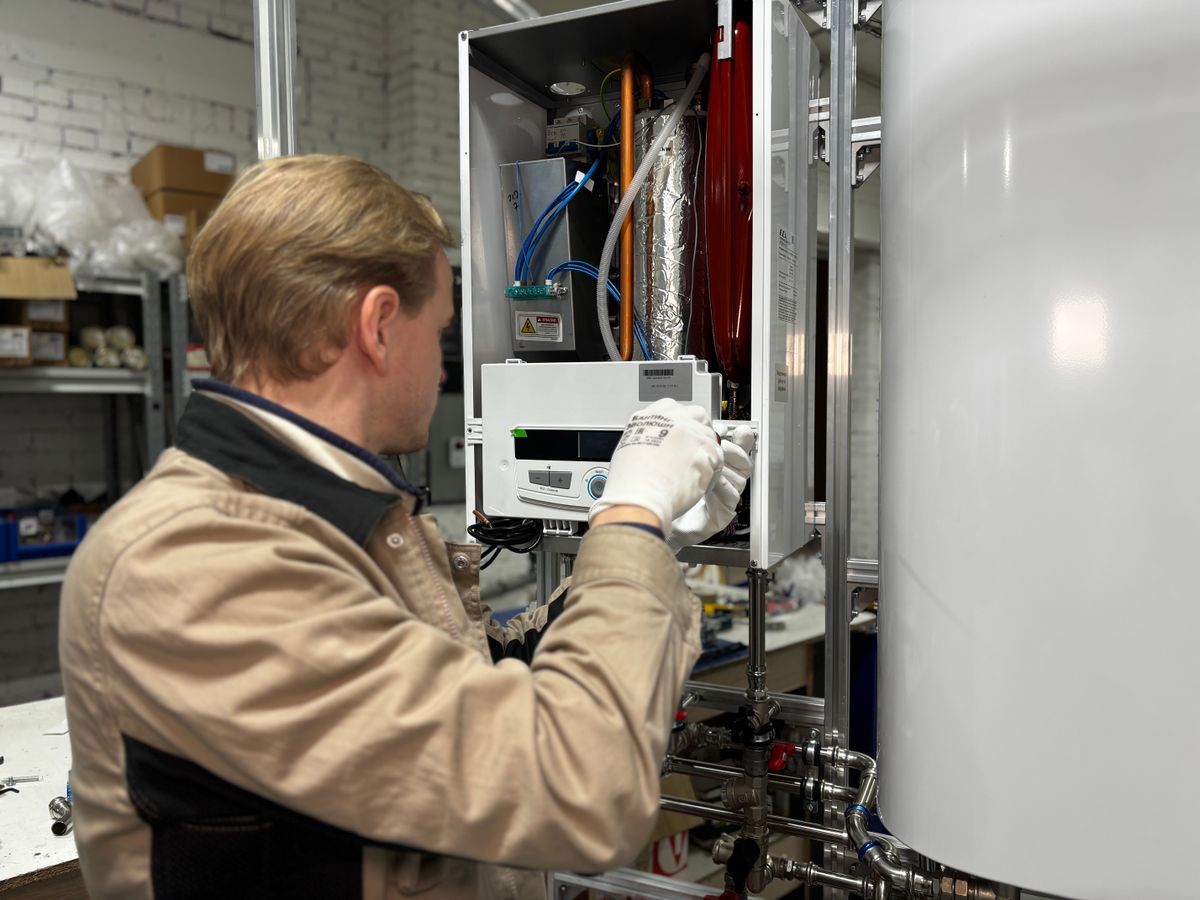
The practical exercise: pull the manuals for your water heater and dishwasher, find the water quality section, and note the tightest number. That figure — not 7 gpg — is your actual threshold.
What Very Hard Water Actually Costs Per Year
The honest version of this calculation, with the uncertainty left in.
Energy. Scale on a heating element insulates it. Published figures for efficiency loss vary widely and depend heavily on scale thickness, so treat any precise percentage you see with suspicion — but the direction is not in question, and it compounds every year the deposit grows.
Appliance life. Water heaters, dishwashers and washing machines in hard water areas need repair or replacement sooner. This is the largest cost in the calculation and the hardest to pin down, because it shows up as a shortened lifespan rather than a line on a bill.
Soap and detergent. The most measurable one. Hard water households routinely use two to three times the soap and detergent of soft water households, because calcium binds the surfactant before it can work. Across shampoo, body wash, dish and laundry detergent, that's a real recurring number — and it's the cost most people never attribute to their water.
Descaling labour. Vinegar soaks for showerheads, aerators, kettles and coffee makers. Free in materials, not free in time.
Set against that: equipment cost, installation, and ongoing salt and regeneration water. At 15 gpg the arithmetic usually favours treatment comfortably. At 5 gpg it usually doesn't. Between 7 and 10 it genuinely depends on your appliances and how long you plan to stay in the house — which is why an accurate number matters, and why getting a precise reading rather than a banded one is worth the extra few minutes at this level.
When a Softener Is the Wrong Answer
Three cases where a high hardness reading still doesn't point at ion exchange.
Iron above 5 mg/L. Penn State's guidance is explicit here. Iron fouls softening resin and coats the exchange sites, so a softener installed on iron-heavy water loses capacity within months. Iron removal has to come first, as a separate stage.
pH below 6.7. Acidic water needs neutralising before softening. Removing hardness from already-aggressive water can make it more corrosive to copper plumbing, not less — the opposite of what you were trying to achieve.
The complaint isn't hardness. If what actually bothers you is taste, odour, staining or a suspected contaminant, ion exchange will not touch any of it. A softener trades calcium and magnesium for sodium. It is not a filter and not a disinfection system, and this is the most common way people spend money on the wrong equipment.
One more worth flagging: if your fixtures show white deposits but your hardness tests low, the cause may be silica rather than calcium — and the spots on your faucets need identifying before you treat anything.
What to Do Next
- Get an accurate number, not a banded one. Between 7 and 12 gpg the precision genuinely changes the decision, so use a titration kit rather than a strip.
- Find your tightest appliance limit. Check the water heater manual first — especially if it's tankless. That number overrides any general threshold.
- Test for iron and pH too, particularly on a private well. Both can rule out a softener regardless of how hard the water is, and finding out afterwards is expensive.
- Verify any certification claim before buying, using the WQA's product listing database rather than trusting a logo on a box.
If your number came back high and the symptoms match, the fundamentals of what hard water does covers the mechanism — and the soap-lather test is a free way to sanity-check your reading before you spend anything.
Frequently Asked Questions
Is 10 grains per gallon hard water?
Yes — 10 gpg (about 171 mg/L) sits at the top of the hard band, just under the very hard threshold of 10.5 gpg. At that level scale on heating elements, soap waste and spotting are all consistent enough that most households find treatment pays for itself within a few years.
At what hardness should I get a water softener?
Around 7 grains per gallon is the usual practical threshold, because that is where scale and soap costs become measurable rather than occasional. Penn State Extension puts the workable softening range between roughly 3 and 20 gpg. Below 3 there is little to gain; above 20 other treatment often needs to come first.
What is the highest safe level of water hardness?
There is no safety limit. The EPA classes hardness as a secondary contaminant, regulated for taste and appearance rather than health, so no maximum exists. Some research associates hard water with a small cardiovascular benefit. The limits that matter come from appliance manufacturers, not health agencies.
Is 20 grains per gallon too hard for a standard softener?
It is at the top of the normal range rather than beyond it, but it changes the specification. At 20 gpg you need substantially more capacity, you will regenerate more often, and annual salt use roughly triples compared with 7 gpg water. Sizing from a generic chart at that level almost always undersizes the system.
What hardness do appliance manufacturers recommend?
It varies more than people expect. Many tankless water heaters specify treatment above roughly 7 to 12 grains per gallon as a warranty condition, while dishwashers and washing machines are far more tolerant. Your real threshold is whichever appliance in the house has the tightest published limit.