
Why a Water Softener Will Not Regenerate
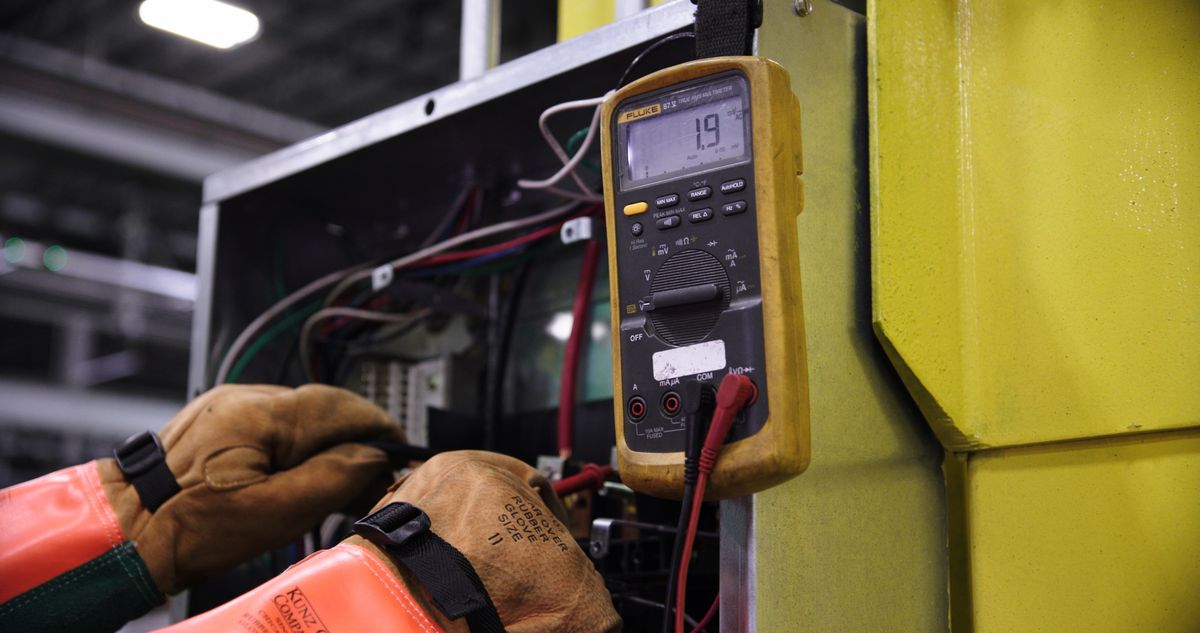
A water softener will not regenerate most often because of something cheap: lost power or a reset clock, programming or bypass errors, or a stalled water meter that never counts enough gallons to trigger a cycle. Check in that order — power, programming, meter, then motor — and most faults are found before you reach anything mechanical.
The meter test is the one most guides skip. It takes five minutes and a bucket, and it catches a fault that is often misdiagnosed as a dead control valve.
Water Softener Will Not Regenerate? Check in This Order
Every check below is placed where it is for a reason. The ones at the top cost nothing, take seconds, and account for a large share of "it won't regenerate" calls. The ones at the bottom need parts.
| Order | Check | What it costs | Time | Catches |
|---|---|---|---|---|
| 1 | Power reaching the control | Nothing | 2 minutes | Tripped breaker, switched outlet, unplugged or failed transformer |
| 2 | Clock, programming, bypass | Nothing | 5 minutes | Wrong time of day, regeneration disabled, day override off, unit in bypass |
| 3 | The meter test | Nothing | 5 minutes | Stalled or disconnected meter, turbine jammed with debris |
| 4 | Manual regeneration | Nothing | 2 minutes to start | Splits trigger faults from drive faults |
| 5 | Motor and drive | Parts | 30 minutes or a service visit | Failed motor, stripped gear, sensor fault, circuit board |
First, confirm it really is not regenerating. Three signs together are convincing: the salt level has not moved in weeks, the display shows the same "capacity remaining" or "days to regeneration" figure every time you look, and hardness has crept back over several days rather than overnight. If you have not measured hardness yet, the method is in how to check if your water softener is working.
Not the same as "regenerates but water stays hard". If the unit does cycle but the salt never goes down, it is regenerating without brine. That is a different fault covered at the end of this article.
Check 1: Power, Which Fails More Often Than It Looks
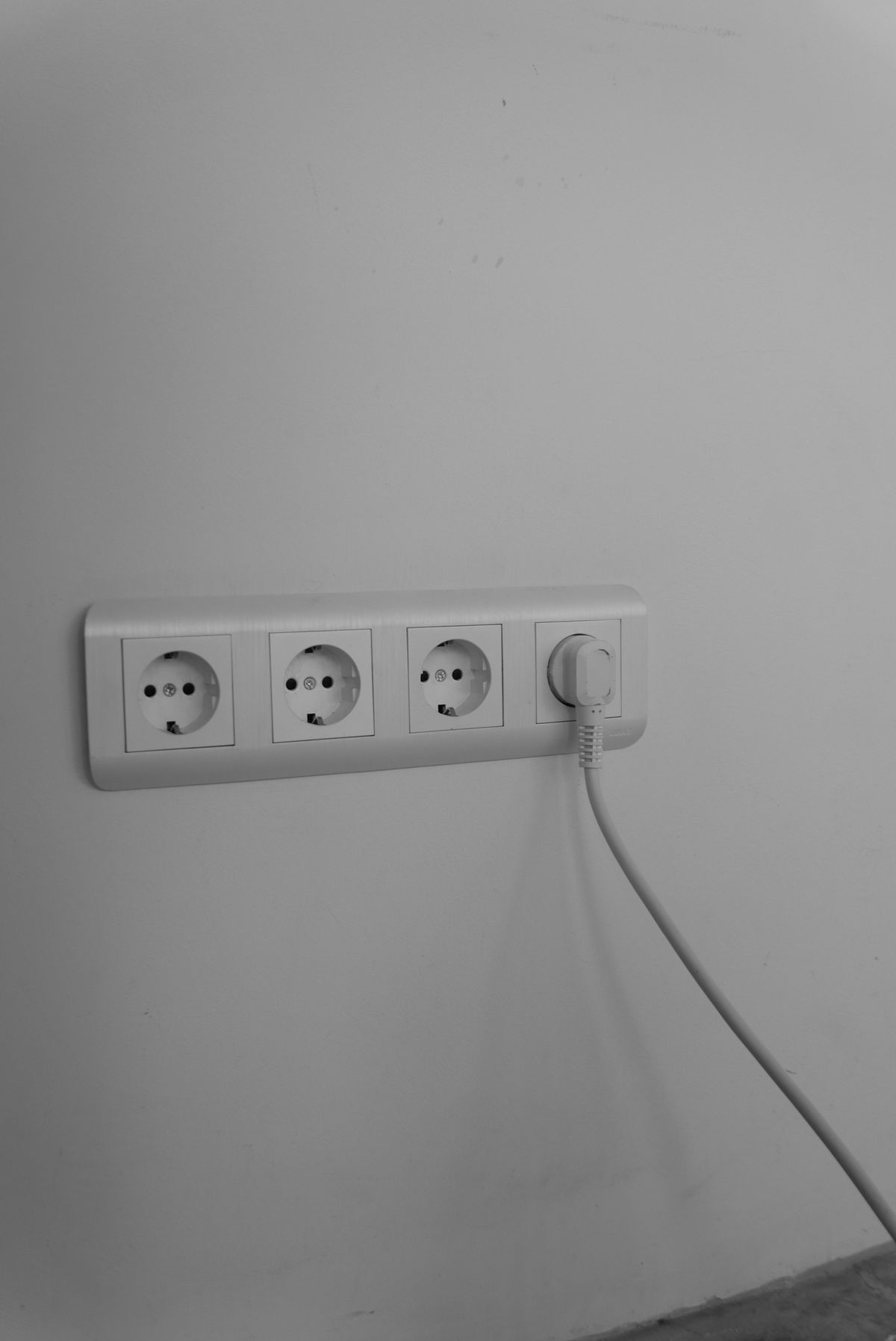
A softener without power keeps delivering soft water from its remaining capacity, sometimes for days, then quietly runs out. Nobody connects the hard water to the dark display they walked past last week.
Work down the chain:
- Is the display lit? A blank screen means no power at the control, or a failed board. A dim or flickering one suggests a failing transformer.
- Is the outlet live? Plug a lamp or phone charger into it. Softeners are often on basement or garage circuits that share a GFCI with something else, or on an outlet controlled by a wall switch.
- Is the transformer seated? Many controls run from a plug-in transformer with a thin cable to the board. Check both ends.
- Has the power been off recently? A storm or breaker trip can leave the clock wrong or flashing.
What different controls do after a power cut. They do not all behave the same:
- Fleck 5600SXT: keeps time for at least 48 hours without power, stores its settings permanently, and if it misses a scheduled regeneration it queues one for the next time the clock reaches the regeneration time — typically a day late.
- GE GXSH40V: keeps all settings for up to 24 hours; the display is blank during the outage, and it will not regenerate while the power is out.
- Autotrol Logix 740/760: interruptions longer than eight hours may lose the time and day, which then need re-entering.
- Culligan HE models: regenerate immediately if power has been off for more than three hours and the time of day has been restored.
Those behaviours come from each manufacturer's own manual. The practical point is that a flashing clock is a clue, not decoration. If yours is flashing, reset the time before anything else.
If the display is blank and the outlet is live, the fault is the transformer, its cable or the board. That path is worked through in the guide to water softener error codes and blank displays.
Check 2: Clock, Programming and the Bypass
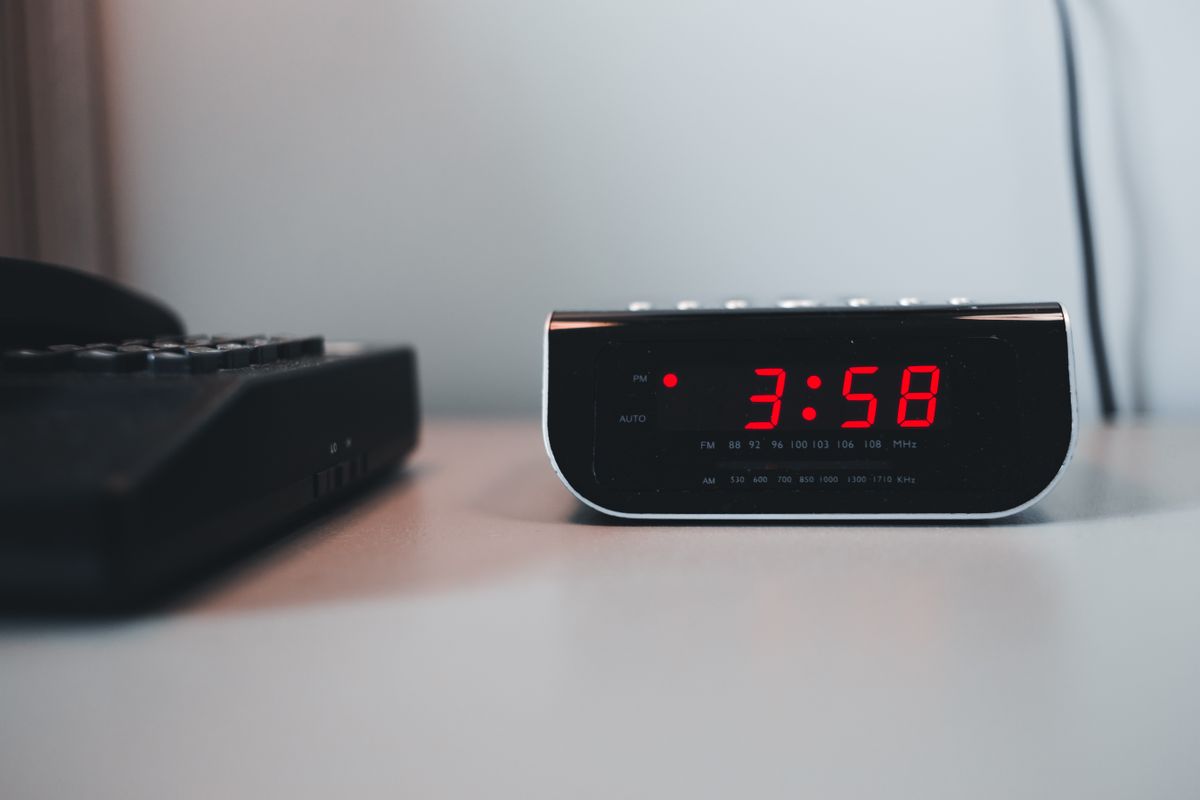
A softener can be perfectly healthy and still never regenerate because it has been told not to, or told to at a time that never arrives.
Time of day. If the clock reads 2:00 in the afternoon at 2:00 in the morning, a unit set to regenerate at 2:00 a.m. is cycling in the middle of the afternoon while the household is using water. Reset it.
Regeneration time. Check it is set to a time the control actually reaches with no water flowing.
Regeneration frequency or day override. On timer-based units, this is the only trigger. On metered units, it is the backup that forces a cycle after a set number of days even if the meter has not counted enough gallons. If it has been switched off, the meter becomes the only trigger — which matters a great deal in check 3.
Hardness and capacity settings. A hardness setting far too low, or capacity far too high, makes the control believe it has weeks of soft water left. It will regenerate eventually, but long after the resin is exhausted, so hardness breaks through days before the next cycle.
Bypass position. Clack's WS1 manual lists "bypass valve in bypass position" as the first cause of a control that does not register water flow, and it is. A softener in bypass sees no water, counts no gallons and has no reason to regenerate. Someone may have bypassed it for a plumbing job, a vacation or to fill a pool, and never put it back.
Fleck's reminder. The SXT displays error code 2 when the system has not regenerated for more than 99 days (or seven days in day-of-week mode). If you see it, the control itself has noticed there is a trigger problem.
Check 3: The Meter Test Most Guides Skip
On a metered, demand-initiated softener, the control only regenerates when a small turbine in the outlet has counted enough gallons to use up the programmed capacity. If that turbine stops spinning, or its sensor stops reading it, the control sees zero water use forever. The valve, motor and board are all fine. The softener simply never thinks it needs to regenerate.
This fault is common because the turbine sits in the water stream, where sand, pipe scale, resin beads from a failed distributor and iron deposits can jam it. It is misdiagnosed because the symptom — no regeneration — looks exactly like a dead valve.
The test, step by step:
- Make sure nothing else is using water in the house.
- Note the capacity figure on the display. Most metered controls show gallons remaining, or can be scrolled to it. The Fleck SXT alternates between time of day and volume remaining while in service.
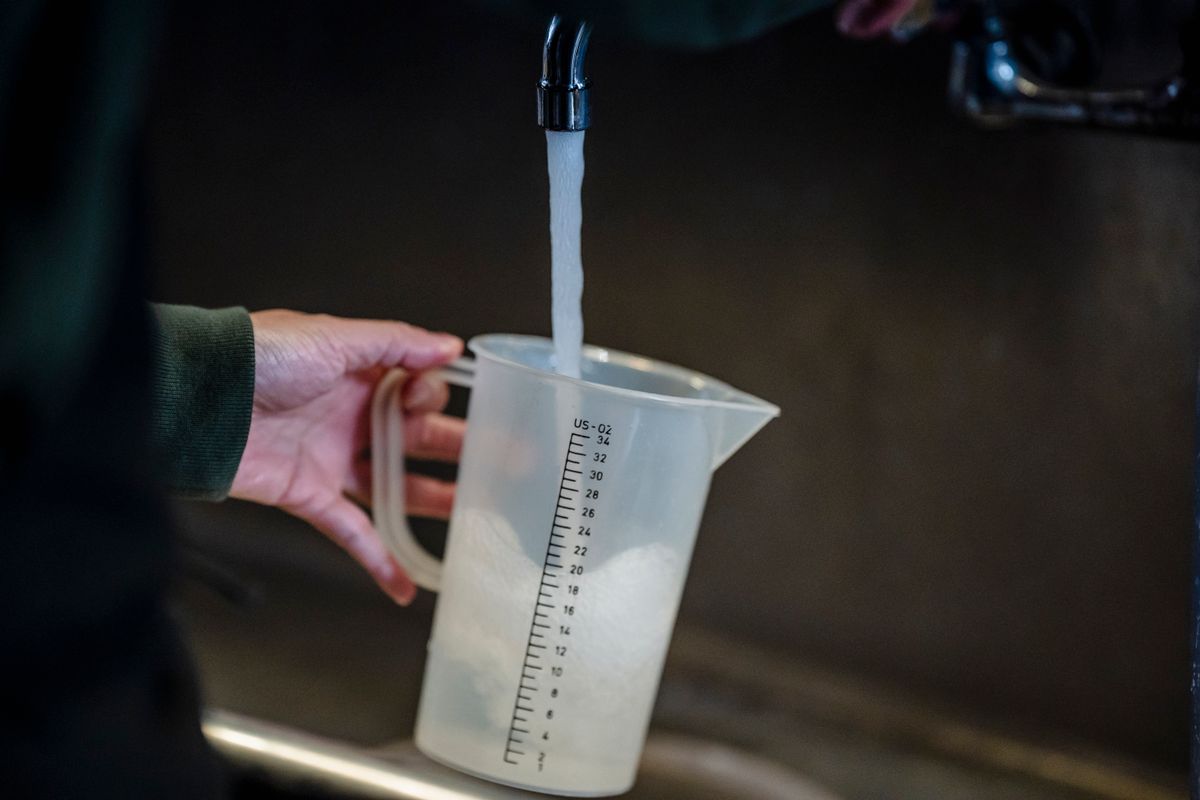
- Open a cold tap downstream of the softener — any indoor tap on the softened side — and fill a bucket to a known volume. Five gallons is a good test volume.
- Watch the display while the water runs. Many controls show a flow indicator. Fleck's flashes when outlet flow is detected; Clack's valves also have a display indication for water flowing.
- Read the capacity figure again once you have drawn your five gallons.
What the result means:
| What you see | Diagnosis |
|---|---|
| Flow indicator active, capacity drops by about the volume drawn | Meter is working. Move to check 4 |
| No flow indicator, capacity figure does not move | Meter stalled, disconnected or not reading |
| Capacity drops, but by much less than the volume drawn | Turbine partly restricted, or meter setting wrong |
| Flow indicator active, capacity drops, still never regenerates | Meter fine; look at programming or the drive |
Clack states its WS1 meter turbine is accurate to within ±5% from 0.25 gpm up to the valve's maximum flow, so a clear, steady tap is well within range — a trickle may not register reliably on any meter.
If the meter fails the test, Clack's troubleshooting for "display does not indicate water is flowing" gives the order to check: bypass in bypass, meter cable disconnected from the circuit board, restricted or stalled turbine, defective meter, defective board, meter not installed, or the board programmed incorrectly. Pentair's Fleck 5600SXT service manual gives the same instruction in its error-recovery table: if the unit does not measure flow, check that the meter cable is connected properly and that the meter is functioning.
Some controls let you test the sensor directly. GE's GXSH40V manual has a diagnostic mode — hold MODE/SET for three seconds until "000" appears — that shows meter counts. If nothing registers with a faucet open, it tells you to pull the sensor from the valve outlet and pass a small magnet back and forth in front of it. A reading with the magnet means the sensor works and the turbine is jammed. No reading means the sensor or board.
Cleaning a jammed turbine usually means bypassing the unit, relieving pressure, and removing the meter assembly from the valve outlet to clear debris. Find the reason the debris got there, too: sand or sediment points to a need for a sediment prefilter before the softener.
Check 4: Does It Regenerate When You Ask It To?
This single test divides every remaining possibility into two groups, and the WS1 troubleshooting table in Clack's service manual (available from Clack's technical support library) is built around exactly this split.
| Control | Manual regeneration |
|---|---|
| Fleck 5600SXT | Hold Extra Cycle for five seconds |
| Autotrol Logix 740/760 | Hold REGEN for five seconds (press once to queue for tonight) |
| GE GXSH40V | Hold RECHARGE for three seconds |
| Other controls | See the "manual regeneration" section of your guide |
It regenerates on the button but never on its own. The motor, drive and valve work. The fault is in what triggers the cycle: bypass, meter, programming or clock. Clack lists exactly those — bypass in bypass, meter disconnected, stalled meter turbine, defective meter, defective board, or a set-up error — for a valve that "does not regenerate automatically but does when the correct button is depressed". Go back through checks 2 and 3.
It will not regenerate even on the button. The trigger is irrelevant; the drive cannot run. For this case Clack lists power adapter unplugged, no power at the outlet, broken drive gear or drive cap assembly, and defective board. That points you to check 5.
It starts, then stops part-way through. That is a different fault — the valve is stalling, not failing to start. Work through why a water softener is stuck in regeneration instead.
Check 5: Motor, Drive and Control Board
Only now does the valve itself come under suspicion. With the manual regeneration button pressed:
No sound at all. With power confirmed at the control, the motor or its wiring is the likeliest fault. Check the motor connector at the board.
Motor hums or runs, but nothing moves. A stripped gear, a broken drive cap, or a piston jammed with iron or debris.
An error code appears. The control has diagnosed it for you. Fleck, Clack, Autotrol, Whirlpool and Culligan codes all map to a small number of fault families — motor stall, position sensor, memory, meter — and the cross-manufacturer table in the error code guide matches them up.
Everything looks dead but the display is lit. A circuit board that shows the time but will not drive the motor is uncommon but possible, and it is the last thing to suspect rather than the first.
This is also the point at which a service call becomes reasonable. Motors and boards are replaceable parts on common valves, but diagnosing which one has failed without a spare to swap in is where most people's time goes.
When It Regenerates but the Salt Never Goes Down
Sometimes the real complaint is not "it won't regenerate" but "the water is hard and the salt isn't moving". A softener can cycle perfectly on schedule, run water to the drain through every step, and still draw no brine at all. From the outside, it looks as if nothing has happened.
How to tell: start a manual regeneration and watch. If the display steps through the cycle and water runs to the drain, the softener is regenerating. The fault is on the brine side.
The usual causes:
- A salt bridge. A hardened crust with an empty void below it, so water never touches the salt. It takes ten seconds with a broom handle to find — see how to identify and break a salt bridge.
- A blocked injector or injector screen. The injector creates the suction that draws brine. Fleck's troubleshooting table lists a plugged injector and screen among causes of failure to draw brine.
- Low water pressure. Fleck's table lists line pressure below 20 psi as a cause of brine draw problems.
- Brine line or float faults. An air leak or a stuck float stops the draw.
That diagnosis has its own guide: why a water softener is not using salt.
Timer and Metered Units Fail Differently
The type of control you own changes which of these checks matters most.
| Timer-based (time clock) | Metered (demand-initiated) | |
|---|---|---|
| What triggers a cycle | The calendar: every set number of days | Gallons counted reaching capacity, plus an optional day override |
| Most likely reason it stops | Clock lost or wrong after a power cut; frequency set to off | Stalled meter; bypass left on; day override disabled |
| Meter test relevant? | No — it has no meter | Yes — the most important check |
| Water and salt use when working | Regenerates on schedule whether needed or not | Regenerates only when capacity is used |
The EPA's WaterSense overview of cation exchange water softeners notes that regeneration can use 25 gallons a day or more, which is why demand-initiated controls exist: they skip cycles a timer would run needlessly. The trade-off is one more component — the meter — that can quietly stop the whole system.
The final point on limits. None of these checks restores resin that has reached the end of its life. If the softener regenerates normally, uses salt, and the water still comes out hard, the problem has moved from the trigger to the bed itself.
A water softener will not regenerate for reasons that are usually cheaper than they first appear. Power, programming, the five-gallon meter test and a manual regeneration will resolve most cases, and they tell you exactly which part to replace in the rest — before anyone condemns a control valve that was working all along.
Frequently Asked Questions
Why won't my water softener regenerate?
In rough order of likelihood: the control has lost power or its clock, the programming is wrong or the unit is sitting in bypass, the water meter has stalled so the control never counts enough gallons to trigger a cycle, or the motor or drive has failed. Checking those in that order, cheapest and most likely first, resolves most cases before anything mechanical needs replacing.
How do I force my water softener to regenerate?
Use the manual regeneration button. On a Fleck 5600SXT, hold Extra Cycle for five seconds. On an Autotrol Logix 740/760, hold REGEN for five seconds for an immediate cycle, or press it once to queue one for the next scheduled time. On a GE GXSH40V-type control, hold RECHARGE for three seconds. If the unit regenerates when you press the button but never on its own, the drive is fine and the fault is in the trigger: programming, clock or meter.
How do I know if my water softener is regenerating?
During a cycle the display usually shows a step number or regeneration symbol and a countdown, and water runs to the drain for most of the cycle. Between cycles, the salt level in the brine tank should fall visibly over a few weeks. A salt level that never moves, a display that always shows the same capacity remaining, and water that has gradually turned hard are the three signs a softener has stopped regenerating.
Can a power outage stop a water softener from regenerating?
Yes, temporarily or permanently depending on the control. Some older timers simply lose the time and regenerate at the wrong hour. Fleck's SXT keeps time for at least 48 hours without power, queues any missed regeneration and runs it at the next scheduled time. GE's GXSH40V keeps its settings for up to 24 hours. Controls with a dead backup battery, or ones that lose power for longer than their memory lasts, may need the time of day reset before they will regenerate on schedule again.
What does it mean if the salt level never goes down?
Either the softener is not regenerating at all, or it is regenerating without drawing brine. A salt bridge, a blocked injector or a brine line fault all produce a softener that cycles on schedule but uses no salt. Watch a manual regeneration: if the valve moves through its steps and water runs to the drain, it is regenerating and the problem is on the brine side, not the trigger.
Do metered water softeners regenerate if no water is used?
Only if a calendar override is set. A metered control regenerates when the gallons counted reach the programmed capacity, so a household away on holiday, or a meter that has stopped counting, never reaches that point. Most metered controls include a day override that forces a regeneration after a set number of days regardless of water use. If that override is switched off, a stalled meter means the softener simply never regenerates.