How to Check If Your Water Softener Is Working
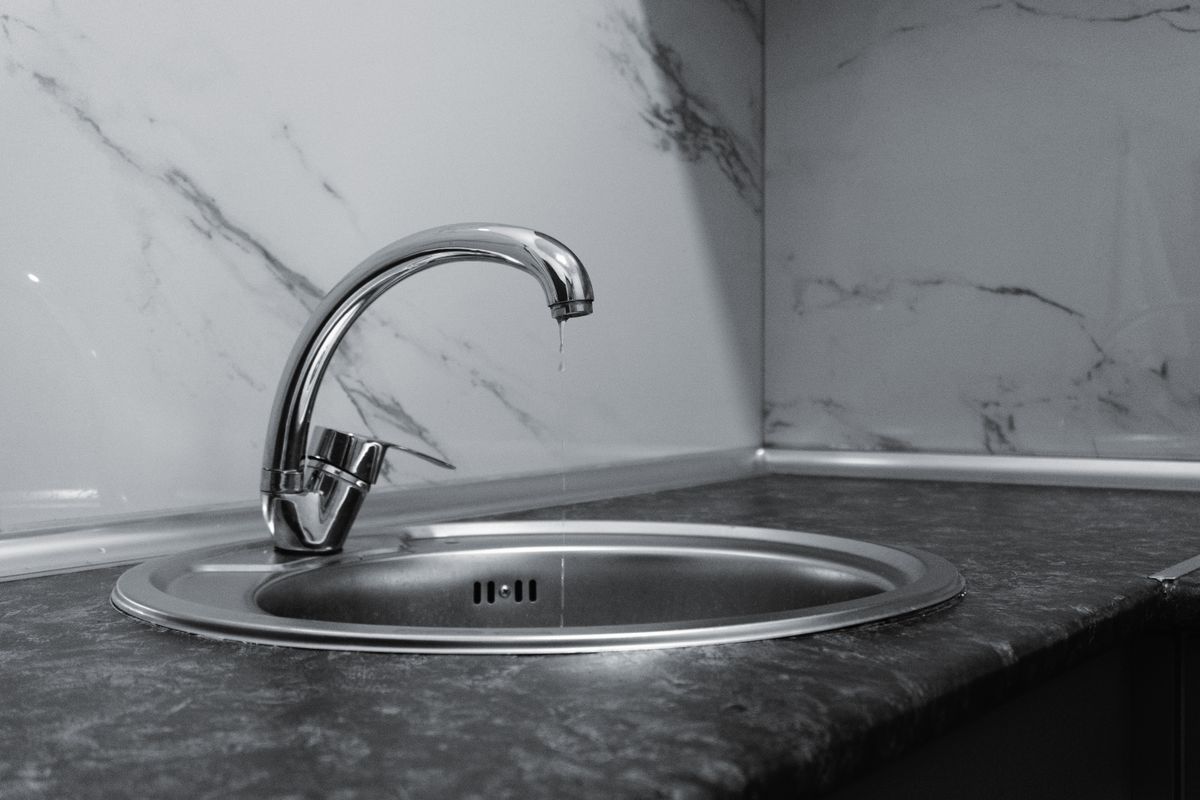
To check if a water softener is working, test the water leaving the softener and the water entering it within the same ten minutes. A working unit reads at or near zero on the outlet sample while the inlet sample reads your raw supply hardness. One number on its own proves nothing; the pair proves everything.
That distinction matters because the kitchen tap — where almost everyone tests — sits at the far end of a plumbing system with several ways to deliver hard water from a perfectly healthy softener.
Why One Sample Cannot Answer the Question
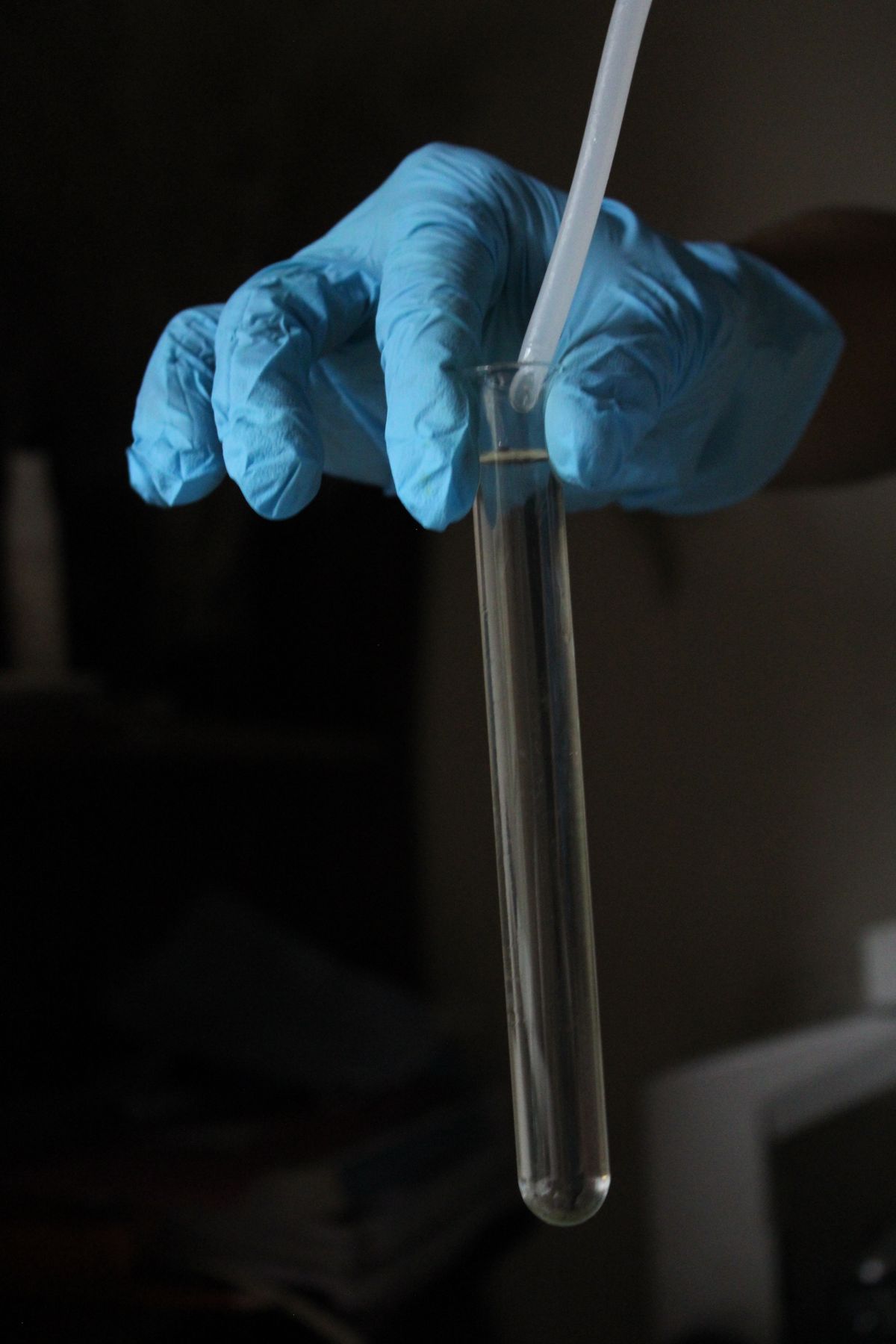
A hard reading at the kitchen tap is consistent with at least six completely different situations, and they have nothing in common except the number on the strip.
| What the kitchen tap shows | Could mean |
|---|---|
| Hard | The resin has stopped exchanging |
| Hard | The bypass valve is engaged |
| Hard | That tap was deliberately plumbed off the untreated line |
| Hard | The unit exhausted between cycles and has not regenerated yet |
| Hard | A branch tees off upstream of the softener |
| Hard | The reading is not hardness at all — iron or manganese skewing the kit |
Five of those six are not equipment faults. Spending an afternoon opening a valve head because of one strip is how people end up replacing a unit that was working the whole time.
The outlet sample collapses the list. If the outlet is at zero, the softener is doing its job and the problem is downstream — plumbing, layout, or a mineral that was never hardness. If the outlet is not at zero, the problem is inside the cabinet and the plumbing is irrelevant. You have halved the search space with one extra sample.
Where the Sampling Points Actually Are
Most softeners give you two accessible points without any plumbing work.
The outlet sample. Ideal is a sample tap on the outlet pipe itself, which some installers fit. If there is none, the next best point is the nearest cold tap downstream of the unit — usually a laundry tap or a basement utility sink, a few feet of pipe away rather than fifty. The closer the tap, the less chance of something in between confusing the result.
The inlet sample. An outdoor hose bib is the usual choice, because most installations deliberately leave outdoor lines on untreated water. Confirm yours is one of them: if the bib reads zero, it is softened and cannot serve as your raw reference. The alternative is the tap nearest the point where the supply enters the house, or — on municipal water — the hardness figure from your utility's annual report, available through the EPA's Consumer Confidence Report system.
Three sampling rules that decide whether the numbers mean anything:
- Run each tap for 30 seconds first. Water that has sat in a line overnight is not representative of what the softener is producing now.
- Use the same kit for both samples. Strips and drop kits disagree with each other by enough to invent a fault. The trade-off between them is set out in hardness test strips versus drop test kits.
- Sample cold, not hot. Hot water has its own hardness behaviour and a separate explanation, covered in why hot water is hard but cold water is soft.
The full procedure, including the errors that quietly ruin a reading, is in how to test water hardness at home and common water hardness sampling mistakes.
How to Check If a Water Softener Is Working: Reading the Two Numbers

Four combinations are possible, and each one points somewhere different.
| Inlet | Outlet | Verdict | Where to look next |
|---|---|---|---|
| Hard | Zero | Softener is working | Downstream: plumbing layout, a bypassed branch, or old scale shedding |
| Hard | Partly soft (2–5 gpg) | Incomplete exchange, or a deliberate blend | Blending valve setting, salt level, brine draw, bed condition |
| Hard | Hard | Softener is not treating at all | Bypass valve, regeneration, brine, resin |
| Zero | Zero | Your supply is already soft, or the inlet sample was softened | Re-take the inlet sample from a genuinely untreated point |
The partly-soft result is the one people misread. Many installations include a blending valve that deliberately mixes a little raw water back into the output, leaving 2 to 3 gpg so the water does not feel as slippery and carries some mineral. That is a setting, not a fault. Check whether your unit has a blend adjustment before you diagnose anything — otherwise you will chase a problem somebody configured on purpose.
If the outlet is genuinely at zero and the house is still hard, the diagnosis moves to the pipework, and the mapping method in why only some faucets have soft water is the next step. If the outlet is hard, the fault tree in why water is still hard after installing a softener works through the causes in cost order.
The Four Signs a Healthy System Shows Between Tests
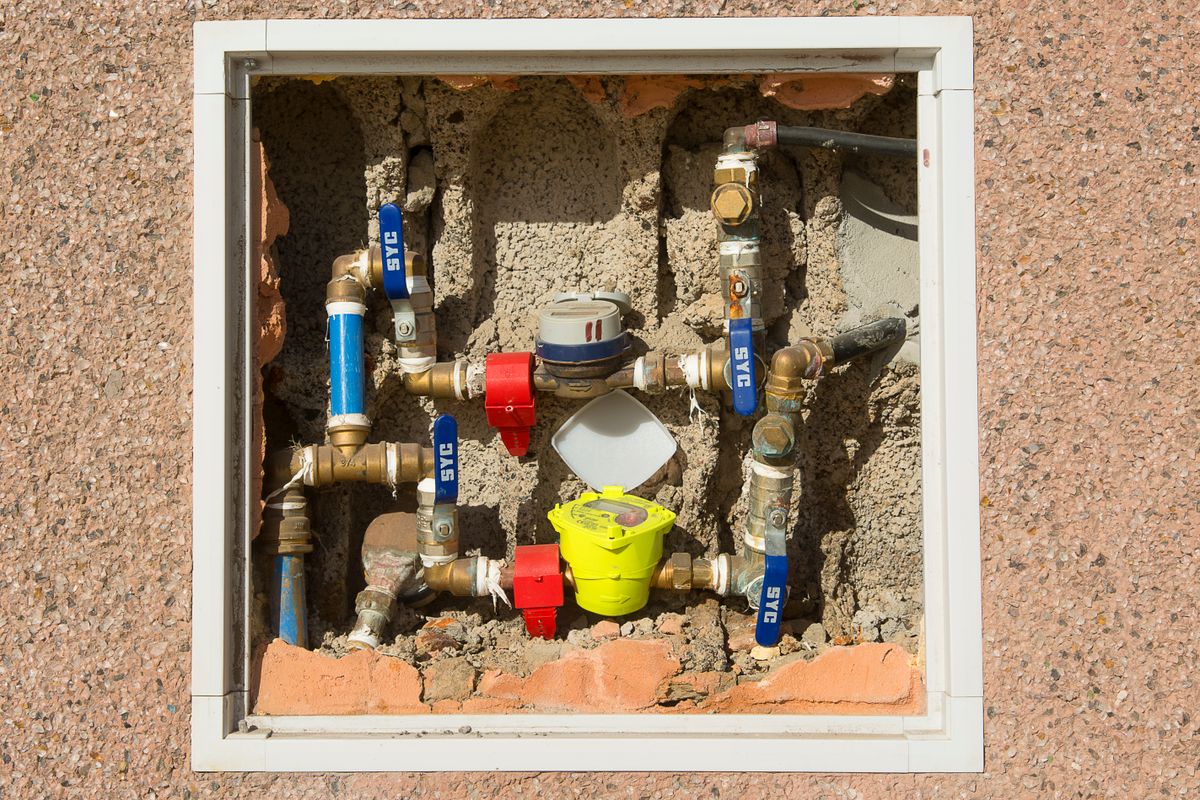
A hardness test is a snapshot. These four checks catch a system sliding towards failure weeks before any tap goes hard — and they cost nothing.
1. Salt is going down. The single most informative observation in softener ownership. A unit that consumes no salt is not drawing brine, whatever the control head is displaying. Most four-person households on moderately hard water use somewhere in the region of 30 to 60 pounds a month, but the absolute figure matters far less than the trend. Write the date on every bag as you add it. Consumption that stops or doubles is a diagnosis in itself.
2. Water goes to drain during a cycle. Trigger a manual regeneration and put the drain line into a bucket. You should see a strong backwash flow — typically in the range of 1.5 to 3 gallons per minute on a residential tank — then a long, much slower brine draw, then a second fast rinse. A five-gallon bucket filling in about two minutes is roughly 2.5 gpm. No flow at all, or a trickle throughout, is a valve or injector fault.
3. The brine tank level drops after regenerating. Mark the liquid level with a pencil before a manual cycle and check it afterwards. It should be visibly lower. A level that does not move means the brine was never drawn, which is the single most common reason a softener runs a complete, normal-looking cycle and softens nothing.
4. The meter is advancing. Demand-initiated units count gallons and regenerate when the count reaches their calculated capacity. Most control heads will show remaining capacity or gallons used. If that number never changes while water is being used, the meter or its turbine has stopped, and the unit will not trigger a cycle until hardness has already reached the taps.
The timing check worth making once: a full regeneration normally takes between one and two hours, with the backwash running roughly eight to fifteen minutes and the brine draw and slow rinse taking the largest share. A cycle that finishes in fifteen minutes did not complete. Penn State Extension's guide to water softening covers the stages and what each is for.
Building a Baseline, So Next Time You Have Something to Compare
The most useful thing you can do with a working softener is record what working looks like. Almost every softener fault is a change from a previous state, and without a record you are guessing at what the previous state was.
A one-page log with five columns is enough:
| Date | Outlet gpg | Salt added (lb) | Gallons on meter | Notes |
|---|
Fill it in monthly, and once after any service visit. Within a year it answers questions that are otherwise unanswerable:
- Gallons between regenerations falling steadily is the clearest early indicator of resin losing capacity. A bed that once delivered 2,400 gallons between cycles and now delivers 1,400 has lost roughly 40 percent of its working capacity — long before the outlet test fails.
- Salt consumption rising with no change in household size means regeneration frequency has increased, which usually tracks the same capacity loss from the other direction.
- Outlet hardness creeping from 0 to 1 to 2 gpg across three readings is a trend, not noise, and it is worth acting on before it becomes 8.
This log is also what turns a service call from a conversation into a diagnosis. A technician handed twelve months of gallons-between-regenerations has most of the answer before opening anything.
What a Passing Test Does Not Prove
A zero at the outlet is a narrow claim, and it is worth being precise about how narrow.
It proves the resin is exchanging calcium and magnesium right now. That is all. It says nothing about:
- Whether capacity will last until the next regeneration. A bed can test zero immediately after a cycle and be exhausted by the following evening. That pattern has its own diagnosis in why hardness returns before the next regeneration.
- Whether iron is being removed. Softeners remove modest amounts of dissolved iron incidentally, but they are not iron filters, and iron is a leading cause of gradual bed failure. Penn State's guidance on iron and manganese in private water systems sets out where a softener's range ends.
- Anything about contaminants. Ion exchange targets hardness minerals. It does not address bacteria, nitrate, arsenic, lead, chlorine taste or most organics. The EPA's overview of cation exchange water softeners is explicit about the scope, and treatment claims should be checked against certification listings under the relevant NSF/ANSI standards rather than marketing copy.
- That visible deposits will stop immediately. Old scale inside pipes and heaters dissolves slowly and can keep shedding for weeks. Where deposits persist against a genuinely zero reading, the cause is usually something else entirely — see hardness tests at zero but scale remains.
Stated plainly: a softener is a hardness device. Verifying that it works means verifying hardness, and nothing more. Every other water problem in the house needs its own test.
What to Do, In Order
- Check the bypass valve is in service. Five seconds, and a surprisingly frequent finding after a service call or a salt delivery.
- Take the outlet sample from a sample tap or the nearest downstream cold tap, after running it 30 seconds.
- Take the inlet sample from an outdoor bib or the tap nearest the supply entry, using the same kit, within the same ten minutes.
- Read the pair against the table above. Outlet zero sends you downstream; outlet hard sends you into the cabinet.
- Check for a blending valve before treating a 2 to 3 gpg outlet reading as a fault.
- Mark the brine tank level, trigger a manual regeneration, and watch the drain. Flow, then a long slow draw, then flow again.
- Confirm the brine level dropped once the cycle finishes. If it did not, no brine was drawn and the cycle was cosmetic.
- Read the meter twice with a bath or a load of laundry in between, to confirm it is counting.
- Write all of it down with the date, and repeat monthly.
- Watch gallons between regenerations over a year. A sustained fall is the earliest honest warning that the bed is wearing out.
The habit worth forming is the paired sample. Testing one tap tells you how that tap feels; testing the inlet and outlet together tells you which half of the system to blame — and that is the only question worth answering first.
Frequently Asked Questions
How do I check if my water softener is working?
Take two hardness samples within the same ten minutes: one from the softener outlet, one from an untreated point such as an outdoor hose bib that bypasses the unit. A working softener reads at or near zero at the outlet while the untreated sample reads your raw supply hardness. Testing only the kitchen tap cannot distinguish an equipment fault from a plumbing fault, because a hard reading there is consistent with both. The paired sample separates them in one pass.
What should a water softener test read at the outlet?
Zero, or as close to zero as your kit resolves. A drop-count kit should turn on the first drop, and a strip should sit on its lowest band. Anything from 1 gpg upward at the outlet means the resin is not exchanging fully, which points at capacity, brining or bed problems rather than plumbing. Some blending valves are deliberately set to leave 2 to 3 gpg in the treated water, so check whether yours has a blend before you treat a small reading as a fault.
How much salt should a water softener use each month?
Most four-person households on moderately hard water use roughly 30 to 60 pounds a month, though the honest answer is that the number matters less than whether it changes. A unit that suddenly stops consuming salt has almost certainly stopped drawing brine, and one that suddenly doubles its consumption is regenerating far more often than it should. Write the date on each bag as you add it and the trend does the diagnosis for you.
How often should a water softener regenerate?
A demand-initiated unit sized correctly for the household typically regenerates every three to seven days. Daily regeneration on an ordinary household suggests the unit is undersized, the hardness setting is too high, or the bed has lost capacity. Intervals stretching well beyond a week can mean the meter has stopped counting, which lets hardness reach the tap before the cycle ever triggers.
Can a water softener look like it is working when it is not?
Yes, and this is the common case. A unit can run a full timed cycle, make all the right noises and send water to drain while drawing no brine at all, because the injector is blocked or a salt bridge has left no liquid to draw from. From outside the cabinet the regeneration looks completely normal. Only a hardness test at the outlet afterwards, or checking that the brine tank level actually dropped, catches it.
Does soft water still leave spots and scale?
Softened water still leaves drying marks, because dissolved sodium and any silica in the supply remain after the exchange and stay behind when the droplet evaporates. Those marks wipe away and do not build up. What a working softener should stop is hard bonded scale that resists a cloth. If genuine scale is still forming while the outlet tests zero, the deposit is usually old scale shedding from pipework or a mineral the softener does not remove.