
Best Smart Water Softeners and the Smart Add-Ons That Matter
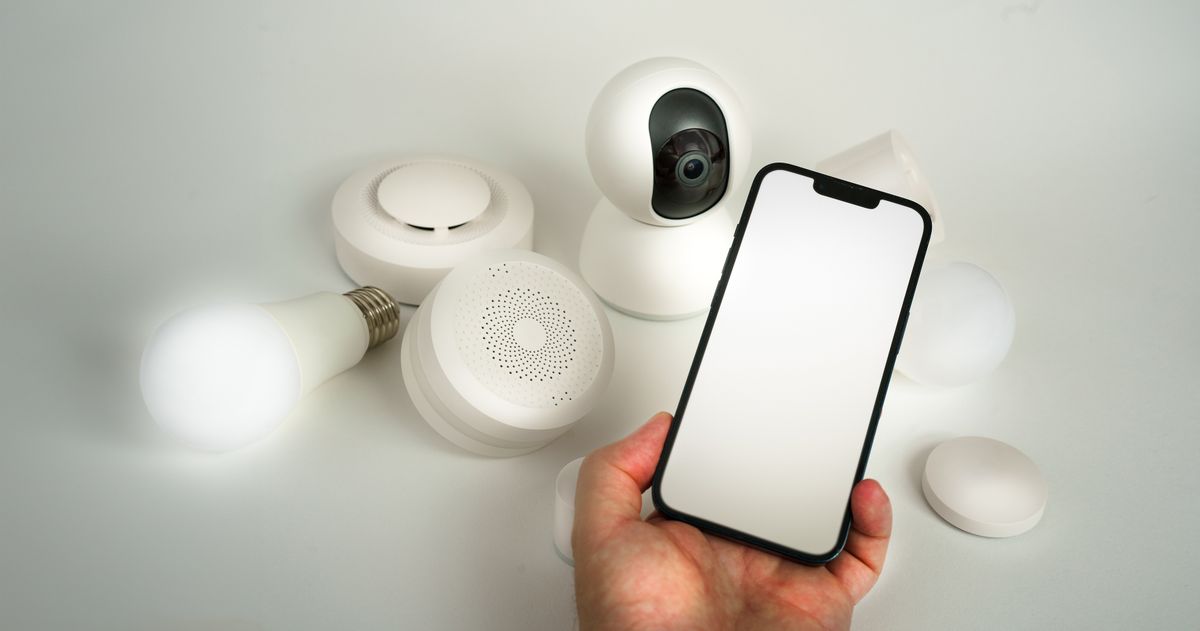
The best smart water softeners right now are not single machines. The only Wi-Fi softener that was sold on Amazon, the GE GXSHC40N, is discontinued and unavailable. Its useful features now come as add-ons that protect any softener: a Moen Flo shutoff for whole-house flow monitoring and automatic shutoff, or a Guardian by Elexa kit for sensor-triggered shutoff without cutting pipe. Pair either with a demand-metered softener.
That split is also the honest answer to "which app features matter". Automatic leak shutoff prevents damage. Flow monitoring can save money by finding leaks. Salt alerts and remote regeneration are convenience. The feature that saves the most salt, demand metering, needs no Wi-Fi at all.
Disclosure: Hard Water Solved may earn a commission if you buy through links on this page, at no extra cost to you. It does not change which products we include or how we rank them. Read our disclaimer.
How These Picks Were Chosen
Methodology. Every pick is listed on Amazon.com, in stock or shipping. We looked for app-connected softeners first, then for smart shutoffs that protect any softener. Each feature was classed as saving money, preventing damage, or convenience only, from maker listings and product pages. Nothing was physically tested. Excluded: products shown as unavailable on Amazon, monitors with no shutoff valve, add-on salt-level sensors, and brands whose cloud service has closed. Prices are not listed here because they change often. Use the buttons to see the current price on Amazon.
What we found on Amazon on 1 October 2026:
- GE GXSHC40N Smart 40,000-grain softener. GE's page lists SmartHQ Wi-Fi with leak and running-faucet alerts, remote water shutoff, low-salt alerts, vacation mode and usage monitoring. GE also marks it as no longer manufactured, and Amazon shows it as currently unavailable.
- SpringWell salt-based softener. The brand sells it with a Bluetooth metered head and a 25 to 80 psi operating range. Its Amazon listing shows as currently unavailable.
- Phyn Plus smart shutoff, first and second generation. Both Amazon listings show as currently unavailable.
So the products below are the smart pieces you can actually buy there today.
Best Smart Water Softeners: The Feature Value Table
This is the core of the page. Every app feature a smart softener or shutoff offers, sorted by what it actually does for you.
| Feature | What it does | Value | Subscription needed? | Where you get it now |
|---|---|---|---|---|
| Automatic leak shutoff | Closes the main when it detects a leak | Prevents damage | No | Moen Flo, Guardian by Elexa |
| Daily plumbing test | Closes the valve briefly and watches pressure for tiny leaks | Prevents damage | No | Moen Flo (MicroLeak test) |
| Whole-house flow monitoring | Logs water use and flags unusual flow | Saves money | No | Moen Flo app |
| Demand metering | Regenerates only when the resin is used up | Saves money | No, and needs no Wi-Fi | Any metered valve, such as a Fleck 5600SXT |
| Low-salt alert | Warns before the brine tank runs dry | Convenience, prevents hard-water days | No | Discontinued GE smart softener; separate salt sensors |
| Remote regeneration, vacation mode | Starts or pauses the softener from a phone | Convenience only | No | Discontinued GE smart softener |
| Deductible cover, extended warranty | Insurance-style add-on | Financial, not functional | Yes, Moen FloProtect | Moen Flo with FloProtect |
Two lessons come out of the table.
The money-saving feature is not the Wi-Fi. Demand metering is what cuts salt and regeneration water, and it works the same with or without an app. If your softener is a timer model, replacing it with a metered one saves more than any smart feature. The comparison is in metered vs timer-based water softeners.
The damage-preventing features live on the main line, not in the softener. A shutoff on the main protects the softener, the water heater, the washing machine hoses and every pipe after it. A softener with built-in leak detection only protects against what it can sense.
1. Moen Flo Smart Water Shutoff: Best Whole-House Protection
Buy it on Amazon: the 3/4-inch and 1-inch Moen Flo are sold as separate listings, and both were in stock on Amazon. The price depends on size.
3/4-inch Moen Flo Shutoff:
1-inch Moen Flo:
The Flo is a motorised valve that a plumber cuts into the main line. According to Moen's Flo page, internal sensors watch flow, pressure and temperature, a daily MicroLeak test looks for leaks as small as a drop a minute, and the valve closes automatically when it detects a leak. Alerts come by app, text, email or phone call.
Why it ranks first. It is the closest thing to the smart softener that is no longer sold. It sees every gallon entering the house, so it catches a split softener fitting, a brine tank overflow or a failed bypass the same way it catches a burst hose. It also gives you a water-use log, which is how most hidden leaks get found. The EPA's Fix a Leak Week figures put the average household's leaks at more than 9,300 gallons a year.
Install requirements. It needs a power outlet within 10 ft of the valve, or Moen's 25 ft extension cable, and a Wi-Fi signal at the main. Size it to the main line, not smaller, so it does not add a restriction.
Subscription. The app works without a plan. Moen's optional FloProtect plan adds deductible coverage of up to $5,000 and an extended limited warranty. Check whether your insurer offers a discount for an automatic shutoff before deciding whether the plan pays for itself.
Skip it if you cannot have a plumber cut into the main, or if the main has no Wi-Fi signal.
2. Guardian by Elexa Leak Prevention Kit: Best No-Plumbing Option
Buy it on Amazon: the Guardian by Elexa Leak Detection and Prevention Kit.
Guardian takes a different approach. Instead of a new valve, a motorised controller clamps onto the quarter-turn ball valve already on your main, sized from 1/2 in to 1-1/4 in, with no pipe cutting. Wireless sensors go on the floor where leaks start: beside the softener, under the brine tank overflow, by the water heater. When a sensor gets wet, the controller turns the valve.
Why it is here. It closes the valve without the internet, and Guardian charges no monthly fee. That matters after LeakSmart: when that brand shut down in 2024, its cloud service, app and hub stopped working for owners. A system that works locally keeps working whatever happens to the company. Guardian also offers an optional 12-hour battery backup.
The limit. It only reacts to water a sensor can feel. It does not log flow or run a daily pressure test, so a slow leak inside a wall goes unnoticed until it reaches a sensor. Put a sensor in the lowest spot near the softener.
Skip it if your main has a gate valve instead of a quarter-turn ball valve. Have a plumber fit a ball valve first.
3. Fleck 5600SXT 48k with 10% Resin: The Softener to Pair Them With
Buy it on Amazon: the AFWFilters Fleck 5600SXT Digital Water Softener with 10% Crosslink Resin.
This softener has no Wi-Fi. It is here because it has the one "smart" feature that saves money: a metered valve that regenerates only when the resin needs it. Paired with either shutoff above, it gives you everything the discontinued GE smart softener offered except a phone button for regeneration, with a valve whose parts are sold everywhere.
It holds 1.5 cu ft of 10% crosslink resin, which resists chlorine better than standard resin. AFWFilters' standard terms are five years on the Fleck valve and ten on the tank. For a family of three or four, size it from usable grains, not the 48,000 on the box, using how to size a water softener.
Skip it if your current softener is already metered and working. Spend the money on the shutoff instead.
Which Smart Setup Should You Buy?
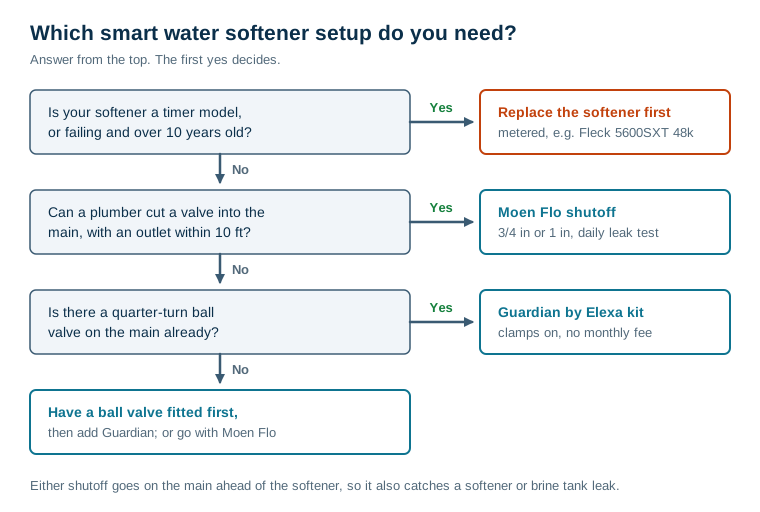
In short: get the softener's control right first, then add leak protection on the main. Whichever shutoff you choose, it goes on the main ahead of the softener, so it also covers the softener and brine tank.
Setting Up a Smart Shutoff Around a Softener
A shutoff on the main and a softener share the same plumbing, so a few details are worth getting right on day one.
- Put the shutoff upstream of the softener's bypass. Then closing it isolates the softener too, and a leak at the softener's fittings or brine tank counts as house flow.
- Know when the softener regenerates. A metered softener usually regenerates in the early hours, and that is real water flowing through the main to the drain. Note the time on the valve, so a flow alert at 2 a.m. is easy to match to a regeneration rather than a leak.
- Place sensors at the low point. For Guardian, the most useful sensor is on the floor beside the brine tank, where an overflow or a split brine line shows first. A second goes under the water heater.
- Keep the overflow and drain lines visible. A softener drain discharging to a floor drain or standpipe is normal. A sensor placed where that discharge splashes will raise false alarms.
- Check the signal before the plumber arrives. Stand at the main with a phone. If Wi-Fi is weak there, fix that first, or choose a shutoff that acts locally.
- Test it. Close the valve from the app or by wetting a sensor, then open a tap to confirm the water really stops. Repeat twice a year.
Salt Alerts: Useful, but Not the Reason to Buy
A low-salt alert stops the softener running out without anyone noticing. That has a cost. Hard water gets back into the pipes and appliances, and the resin can sit unregenerated. But a monthly look in the brine tank does the same job for free. The signs that a softener has already run dry, and how to recover, are in what happens when a water softener runs out of salt.
Salt-level sensors sold as add-ons are inexpensive accessories rather than protection, so they fall outside this page's picks. If you want one, look for a sensor that works with your brine tank's shape and does not depend on a paid app.
Subscriptions and the Cloud Risk
Smart water devices fail in a way plumbing does not: the company can switch off the service. Before buying, check three things:
- Does the valve close without the internet? Guardian says it does. A shutoff that needs a cloud round-trip is weaker in an outage.
- What stops working without a subscription? Moen's core app does not need FloProtect. Read the plan terms for anything that does.
- Is the brand still supported? LeakSmart's closure in 2024 left owners with valves and sensors that no longer reported anything.
Insurance and Leak Protection
Some insurers ask about, or discount for, an automatic water shutoff. A documented shutoff and floor sensors near the softener can also help if you ever need to show that a leak was caught quickly. What insurers usually look for, and how a softener leak is typically handled, is covered in homeowners insurance and water softener leaks.
Who Should Buy None of These
- Renters. A main-line shutoff is a plumbing alteration. Ask the landlord.
- Homes with no Wi-Fi at the main that want monitoring. Guardian's local shutoff still works, but Moen Flo's monitoring needs a signal.
- Anyone expecting the app to soften better. Water quality comes from the resin, the salt dose and the valve's metering. Wi-Fi changes none of them.
- Owners of an old timer softener. Replace the softener's control first. A smart shutoff on a wasteful softener protects the house but does nothing for the salt bill.
The best smart water softener setup today is a demand-metered softener protected by a smart shutoff on the main. The metering saves the money, the shutoff prevents the damage, and the app is the least important part.
Frequently Asked Questions
Is a smart water softener worth it?
The leak protection is worth it. A smart shutoff that watches flow and closes the main can stop a burst softener fitting or a failed brine tank before it floods a basement. The other smart features are mostly convenience. Salt alerts and remote regeneration are nice to have, but a demand-metered valve, which needs no Wi-Fi, is what actually saves salt and water.
Can I make my existing water softener smart?
Yes. Add a smart water shutoff on the main line ahead of the softener. A Moen Flo monitors flow and pressure for the whole house and can close the valve automatically. A Guardian by Elexa kit clamps onto an existing ball valve and closes it when a floor sensor gets wet. Either one protects the softener and everything after it, whatever brand the softener is.
Do smart water softeners need a subscription?
The core features usually do not. Moen's Flo app works without a plan, and its optional FloProtect plan adds deductible coverage of up to $5,000 and an extended limited warranty. Guardian by Elexa charges no monthly fee and closes the valve without the internet. Always check what still works if the maker's cloud service closes, because LeakSmart's app and hub stopped working when the brand shut down in 2024.
Which water softener brands have Wi-Fi?
GE sold the GXSHC40N with SmartHQ Wi-Fi, leak alerts and remote shutoff, but GE lists it as no longer manufactured and Amazon shows it as unavailable. Whirlpool and Morton have sold Wi-Fi models through home centres, and SpringWell's salt-based softener uses a Bluetooth head. None of these was available as a Wi-Fi softener on Amazon when we checked.
Does a smart shutoff valve reduce water pressure?
A full-port shutoff sized to your main loses very little pressure at normal household flow. Size it to the pipe, not smaller. The Moen Flo comes in 3/4 inch and 1 inch versions, among others, and the size is set by your main line. Guardian clamps onto the valve you already have, so it adds no restriction of its own.
