
How to Restart a Softener After Running Out of Salt
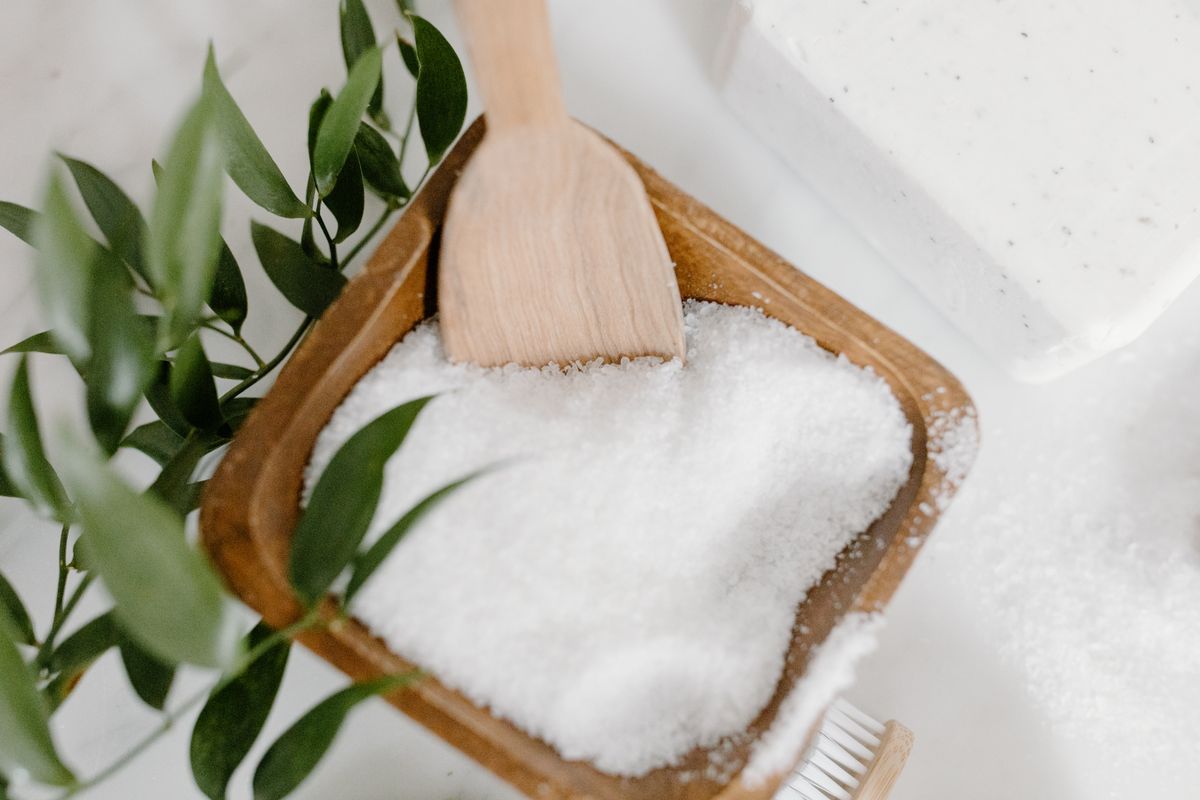
When a water softener ran out of salt, refilling the tank is only the first step. Add salt, wait at least two hours for it to dissolve into brine, then run a manual regeneration. Test a cold tap the next morning; if it is not soft, run a second cycle after another wait. Finally, flush the hard water left in the water heater.
The step almost everyone skips is the wait. Salt poured onto an empty tank is not brine yet, and a regeneration started straight away can rinse the resin with water that is barely salty.
What Happened While the Tank Was Empty
Understanding what went on explains every step of the recovery.
The softener kept regenerating. Neither the timer nor the meter knows the salt is gone. On schedule, the valve went through backwash, brine draw, rinse and refill as normal. During brine draw it pulled whatever was in the brine tank, which was water with little or no salt in it.
The resin was rinsed, not recharged. Without brine, the hardness held on the resin beads is not replaced with sodium. The bed's remaining capacity ran down with each day's water use until it was completely exhausted, and from then on hard water went straight to the taps.
Hard water filled the house. By the time scale reappears on the kettle, the water heater has usually been refilled with hard water several times over, and the pipes and fixtures have been receiving it for days.
Manufacturers treat this as a routine cause of hard water. Pentair's Fleck 5600SXT service manual lists "No salt is in brine tank" as a cause of hard water, with the correction: "Add salt to brine tank and maintain salt level above water level." Nothing more drastic.
Water Softener Ran Out of Salt: The Recovery Timeline
This is the order of events, with the time each step needs.
| When | What to do | Why |
|---|---|---|
| Hour 0 | Check for a bridge, then add salt | An "empty" tank is sometimes a hollow bridge |
| Hour 0 | Confirm there is water in the tank, or that your valve pre-fills | Brine needs water to form |
| Hour 0 to at least hour 2 | Wait. Do not regenerate yet | Clack's minimum for fresh salt to make brine |
| After the wait | Start a manual regeneration and watch the brine level fall | This is the first cycle that actually uses salt |
| About 1 to 2 hours later | Cycle finishes. Flush a cold tap and test | Clack lists downflow cycle times of 57 to 107 minutes |
| Next morning | Test again at the same tap | Decides whether a second cycle is needed |
| At least 2 hours after the first cycle's refill | Second regeneration, if the test calls for it | Gives the refill water time to become brine |
| Following days | Flush the water heater's hard water through use or draining | The softener cannot reach water already stored |
| Two weeks later | Check the salt level against a tape mark | Confirms salt is being used normally |
Step 1: Refill Properly, and Confirm It Really Was Empty
Check for a bridge first. Push a broom handle down through whatever salt is left. If it hits a hard crust with a hollow space beneath, the tank was not empty; the salt formed a bridge above the water and stopped dissolving. Break it up before adding more. Water softener salt bridges covers how to clear one safely.
Use the right salt. Fleck's start-up instructions say not to use granulated or rock salt, and Autotrol's manual says to use only regenerant salts designed for water softening, not ice-melting, block or rock salts. Check your own manual for potassium chloride compatibility if you use it.
Fill to the normal working level, not the rim. How much is enough, measured against the water line in the tank, is set out in how much salt to keep in a brine tank.
Look for water under the salt. Most softeners refill the brine tank at the end of each regeneration, so a few inches of water normally sit at the bottom. Some valves are set to pre-fill instead: Clack's manual describes a pre-fill option that adds water two hours before the regeneration time, so those tanks sit nearly dry between cycles by design. A tank that should hold water but is bone dry has a separate refill fault; see no water in the brine tank.
Step 2: The Wait Everyone Skips
Clack's WS1 operation manual puts it in one line: "For softeners, if brine tank does not contain salt, fill with salt and wait at least 2 hours before regenerating."
Why the wait matters. The water sitting in the tank has been there since the last refill, with no salt to dissolve. Pouring pellets on top does not make it brine instantly; the salt has to dissolve into it. A regeneration started five minutes after refilling draws weak brine, and the resin comes out partly recharged at best.
Why the same logic appears in normal operation. Clack's pre-fill option runs the refill two hours before regeneration so the brine is made in advance. Two hours is the manufacturer's own figure for brine-making time.
Two hours is a minimum. Refilling in the evening and regenerating the next morning, or simply letting the next scheduled overnight regeneration run, costs nothing and gives the brine longer to strengthen. If the house needs soft water sooner, two hours is the floor.
Keep hot water use light while you wait. Every gallon drawn from the water heater now is replaced with hard water.
Step 3: Run One Manual Regeneration and Watch the Brine
Start an immediate regeneration with your control's long press: Fleck's SXT uses a five-second hold on Extra Cycle, Clack's WS1 a three-second hold on REGEN, and Autotrol's Logix a five-second hold on REGEN.
Do not just press and walk away. When the display reaches the brine step, check that the water level in the brine tank actually falls. If it does not, the empty tank was not the only problem: the injector, the brine line or the drain may also be at fault, and a second bag of salt will not help. What to watch at each stage, and what each observation means, is set out in how to manually regenerate a water softener.
Do not use hot water during the cycle. Clack's manual notes that water drawn while the system is regenerating is untreated.
Step 4: Test, Then Decide Whether a Second Cycle Is Needed
One regeneration is not guaranteed to restore a bed that ran completely dry. There are two reasons.
- The first cycle's brine may have been weaker than normal, especially if the wait was short.
- A softener's salt dose recharges part of the bed's capacity, not all of it. Clack's manual shows the capacity bought by each pound of salt falling as the dose rises, from 3,501 to 6,000 grains per pound below 7.5 pounds per cubic foot of resin to 1,700 to 2,500 above 12. Efficient settings get that efficiency partly by not trying to strip every last bit of hardness from the bed, so a bed that started completely exhausted can come out of one cycle with less usable capacity than usual.
The test that decides it. The morning after the first cycle, flush a cold softened tap for two or three minutes and test it. How to test water hardness at home explains which kit resolves low readings.
| Morning-after reading | What to do |
|---|---|
| At or near zero | Done. No second cycle needed. Move to the water heater |
| A few grains, clearly below raw hardness | Run a second regeneration, at least two hours after the first cycle's refill |
| Close to raw hardness | Stop regenerating. Check brine draw, the bypass and the settings before using more salt |
About automatic double cycles. Autotrol's Logix 740/760 service manual says that pressing REGEN again after an immediate regeneration begins "will initiate a second manual regeneration", shown as X2. That is convenient, but the second cycle starts straight after the first. If your valve refills the brine tank at the end of each cycle, spacing a second cycle a couple of hours after the first cycle's refill gives that water the same brine-making time as Step 2.
A second cycle is the limit. If the water is still hard after two good cycles with confirmed brine draw, more regenerations will not fix it; see the section on persistent hardness below.
Step 5: Flush the Hard Water Already in the House
The softener can only soften water that passes through it from now on. Everything already stored downstream is still hard.
The water heater is the big one. A tank heater may hold 40 or 50 gallons or more, and it refilled with hard water every time hot water was used while the softener was empty. Fleck's troubleshooting table lists "Hot water tank hardness" as a cause of hard water, with the correction: "Repeated flushings of the hot water tank is required."
Two ways to clear it:
- Let normal use replace it. Over the next few days, as hot water is used, the tank refills with softened water and the hardness dilutes out. Testing the hot tap over several days shows the trend.
- Drain and flush it following the water heater manufacturer's instructions, which also clears some of the loose scale that formed while the water was hard. Draining a heater involves hot water and, on gas and electric units, specific power or gas steps, so follow the heater's own manual. Hard water sediment in a water heater explains what that scale does and when flushing is worthwhile.
Cold taps clear quickly. Running each cold tap for a minute or two pushes out the hard water sitting in the pipes.
Did Running Empty Cause Any Damage?
Usually not. The resin is exhausted, not worn out, and good brine restores it. The Fleck, Clack and Autotrol manuals all treat an empty brine tank as a hard-water cause with a salt-and-regenerate fix, not a resin replacement.
Where a longer gap matters:
- Scale in appliances. Every day on hard water adds scale to the water heater, kettle and fixtures. The longer the gap, the more there is to clean.
- Iron on well water. If the raw water carries iron or manganese, an exhausted bed can collect more of it than usual. Fleck's troubleshooting table links iron in treated water to a fouled mineral bed, with corrections that include checking backwash and brine draw, regenerating more often and lengthening the backwash. Orange or brown backwash water during the recovery cycle is the sign; see water softener resin fouling.
- Old resin revealed. A bed that was already near the end of its life may never recover full capacity. Running out of salt did not cause that, but it can be the moment it shows.
If the Water Is Still Hard After Two Cycles
The empty tank was probably a symptom, not the whole story. Work through these in order:
- Brine draw. Did the brine tank level fall during both cycles? If not, the fault is in the injector or brine line; see why a water softener is not using salt.
- Bypass. Is it fully in service? A partly open bypass passes hard water no matter how well the resin regenerates. Water softener bypass valve testing shows how to prove it.
- Settings. Has an outage reset the clock or hardness setting? A clock that has drifted sends regeneration into the day; see why a water softener keeps losing its settings.
- Resin capacity. If brine draw, bypass and settings are all correct and hardness returns days before each regeneration, the bed has lost capacity; see why hardness returns before regeneration.
Keeping It From Happening Again
- Check the salt monthly and top up when it falls to roughly a quarter full.
- Mark the level with tape and date it. A level that has not moved in a month is a bridge or brine-draw fault, not a full tank.
- Buy salt before you need it. A bag in reserve means the next low level is a two-minute job.
- Or let a sensor do the checking. A salt-level alert catches an empty tank before the hard water does. Which smart softener features are worth paying for separates useful alerts from plain notifications.
A water softener that ran out of salt needs the salt, the time for it to become brine, and a regeneration that actually uses it, in that order. Wait at least two hours, run one cycle while watching the brine level, test the next morning, and only then decide on a second cycle. Then give the water heater a few days, or a flush, to catch up.
Frequently Asked Questions
What happens if my water softener runs out of salt?
The softener keeps regenerating on its normal schedule, but it draws plain water instead of brine, so the resin is rinsed rather than recharged. Once the resin's remaining capacity is used up, hard water passes straight through to the taps. The control does not detect this. Pentair's Fleck troubleshooting table lists no salt in the brine tank as a cause of hard water, with the correction to add salt and keep the salt level above the water level.
How long after adding salt can I regenerate my water softener?
Wait at least two hours. Clack's WS1 manual states that if the brine tank does not contain salt, you should fill it with salt and wait at least 2 hours before regenerating, because the water in the tank needs time to dissolve enough salt to become brine. Waiting overnight does no harm and gives the brine more time to reach full strength.
How long does it take for water to become soft again after adding salt?
Usually within a day. After the wait for brine, a manual regeneration takes roughly one to two hours, and the cold taps nearest the softener should test soft once it finishes and the pipes are flushed. If the resin was badly exhausted a second regeneration the next day may be needed. The water heater takes longer, because it is still full of the hard water it took in while the softener was empty.
Does running out of salt damage a water softener?
Normally not. Manufacturers treat an empty brine tank as a cause of hard water whose fix is simply adding salt, not as a repair. The resin is exhausted, not destroyed, and regenerating it with good brine restores it. The main exceptions are well water with significant iron or manganese, which can foul an exhausted bed faster, and a unit that ran empty for so long that scale formed in the water heater and fixtures in the meantime.
Should I regenerate my water softener twice after running out of salt?
Only if a test after the first regeneration shows the water is still not soft. Test a cold softened tap the morning after the first cycle. If it reads at or near zero, one cycle was enough. If it still reads a few grains, give the brine tank at least two hours after the first cycle's refill, then run a second regeneration. Autotrol's Logix controls can queue a second cycle automatically, shown as X2 on the display.
Why is my water still hard after adding salt to my softener?
Most often because no regeneration has run with proper brine yet: the salt needs time to dissolve and the softener needs a regeneration to use it. If you have waited, regenerated and the water is still hard, check for a salt bridge, confirm the brine tank level falls during the brine draw step, and check that the bypass valve is fully in service. Persistent hardness after two good cycles points to the brine draw system, the settings or worn resin.
