Can Hard Water Make Skin Feel Dry After Showering?
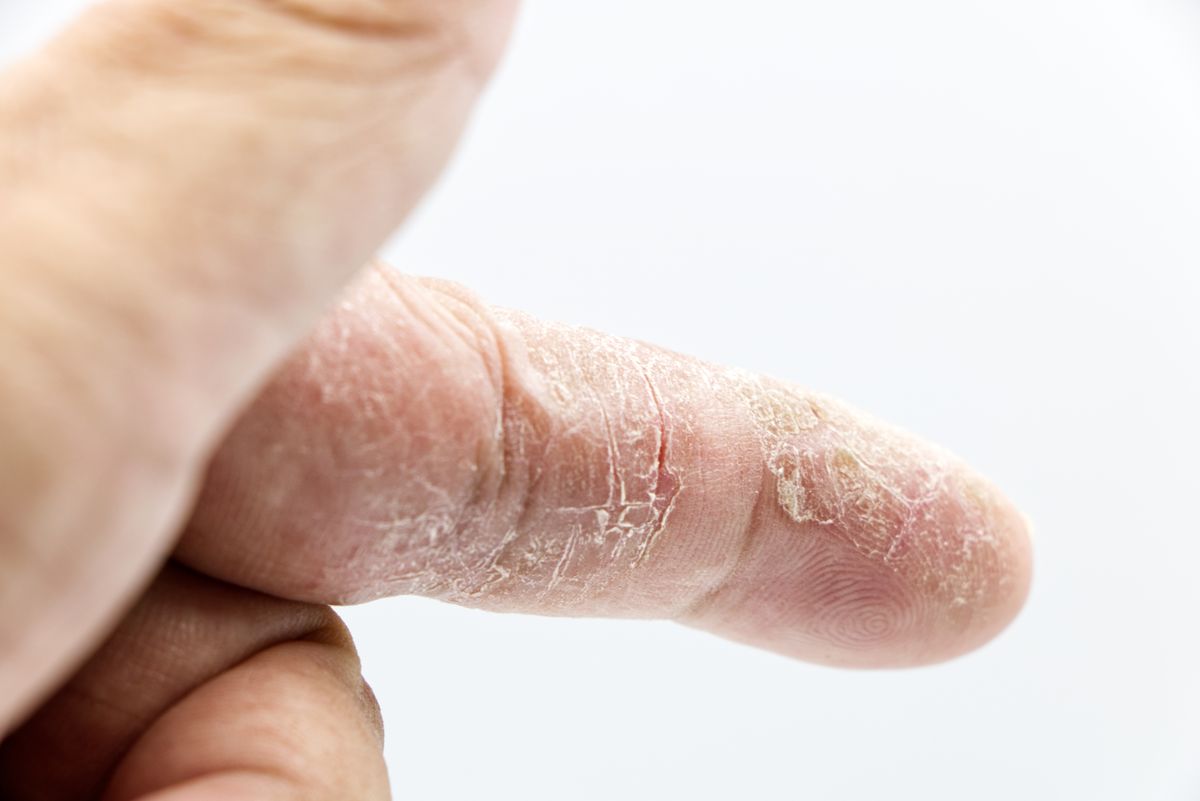
Hard water and dry skin have a real but narrower relationship than most water treatment sites suggest. Large population studies do find an association between water hardness and dry skin. A randomised trial that installed actual softeners in the homes of children with eczema found no improvement in disease severity. Both findings are legitimate, and holding them together is the only honest way to answer the question.
Short version: the well-supported mechanism is soap residue, not the minerals themselves. That distinction changes what you should buy.
What the Research Actually Found
Three pieces of evidence carry most of the weight here, and they point in slightly different directions.
Population data links hardness to dry skin. The Danish Blood Donor Study, published in PLoS One in 2021, looked at 4,416 blood donors and their domestic water hardness. Compared with a mid-range reference group, people supplied with soft water (below 12°dH, roughly 12.5 grains per gallon) had a lower probability of xerosis, and those above 24°dH (roughly 25 gpg) had a higher one. The association held after excluding people with diagnosed dermatitis, which is what makes it interesting — the full paper is open access and worth reading for its own honest limitations section, including self-reported symptoms and geographic confounding.
Childhood eczema shows a similar pattern. A 2021 systematic review and meta-analysis in Clinical and Experimental Allergy pooled seven observational studies covering more than 385,000 participants and found increased odds of atopic eczema in children living in harder water areas.
But softening did not treat it. This is the finding the industry rarely mentions. The Softened Water Eczema Trial (SWET) randomised 336 children aged six months to sixteen years, all with moderate to severe atopic eczema and all living in English homes supplied with water at 200 mg/L calcium carbonate or above. Half received an ion exchange softener plus usual care for twelve weeks; half received usual care alone. The mean improvement in the primary severity score was 5.0 points in the softener group and 5.7 points in the control group — the control group did marginally better. The trial is published in full in PLOS Medicine, and its authors concluded they could not recommend softeners as a treatment for eczema in children.
An association in observational data plus a null result in a randomised trial is a familiar pattern in medicine. It usually means the association is real but the intervention is not addressing the operative part of it.
The Mechanism That Does Hold Up: Soap Residue
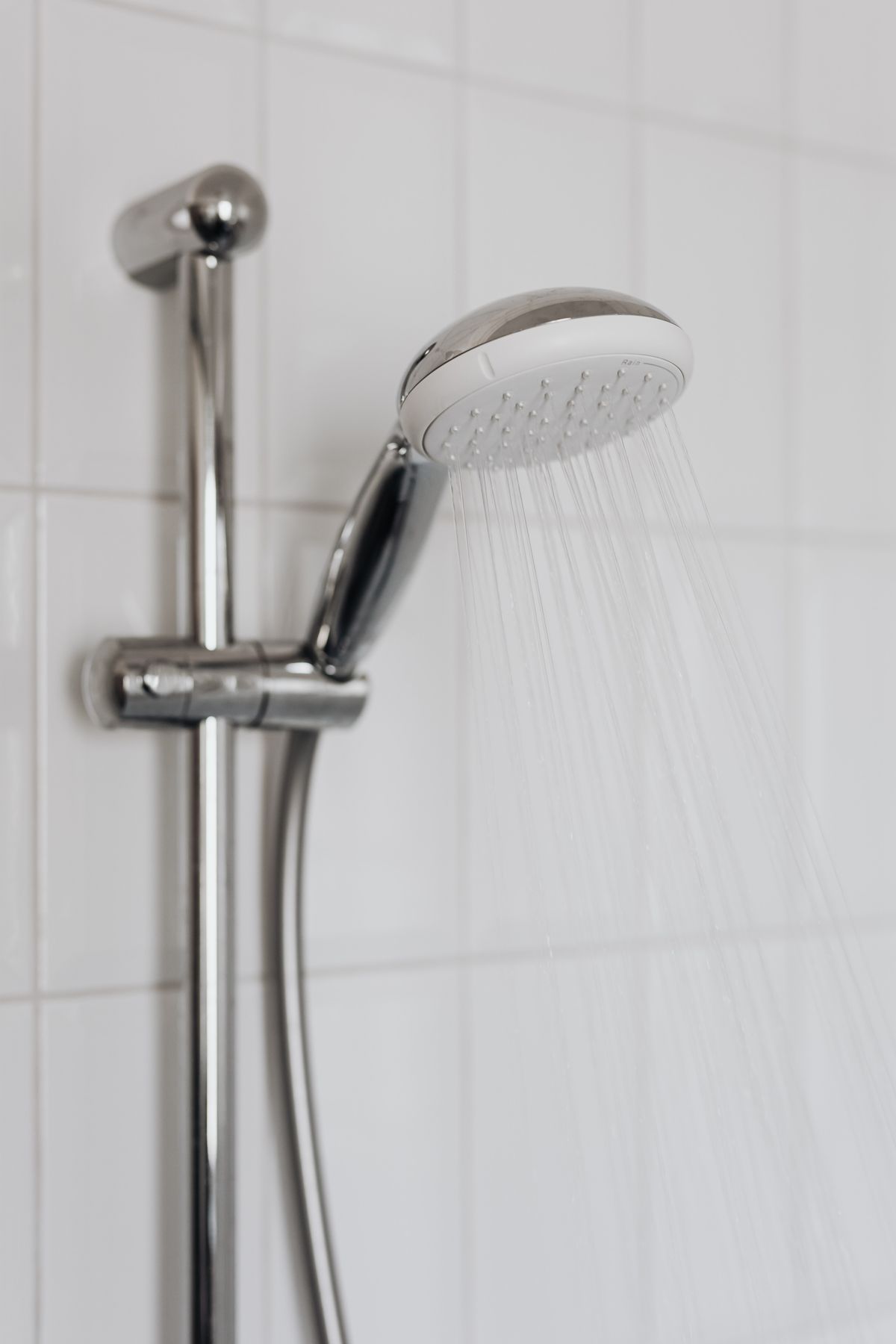
Here is the part nobody disputes. Calcium and magnesium react with soap and many surfactants to form an insoluble calcium-soap curd. That curd does not rinse away cleanly — it deposits on whatever it was lathered against, including your skin.
Two consequences follow, and both are relevant to how your skin feels at the end of a shower:
- The residue itself is mildly irritating and sits on the stratum corneum after you towel off.
- You use more product to compensate. Hard water suppresses lather, so people instinctively double the dose. More surfactant means more delipidation of the skin barrier, entirely independent of the minerals.
That second point is the one most people underestimate. The soap dose is doing more damage than the calcium is, and it is under your control today for free. The same chemistry is why soap refuses to lather in hard water in the first place.
The National Eczema Association's overview of hard water and eczema lands in a similar place: the barrier effects are plausible and partially supported, and the evidence for softening as a therapy is not there.
The One-Week Test That Costs Nothing
Before spending anything, isolate the variable. This is a crude single-subject experiment, but it is more informative than any amount of reading.
Week one — reduce the soap, change nothing else. Wash with a fraction of your usual product, restricted to the areas that genuinely need it. Keep showers under about eight minutes and turn the temperature down until it is comfortable rather than hot. Do not add a moisturiser you were not already using, and do not change your detergent.
Track one thing daily: how your forearms and shins feel two hours after showering, on a simple 0 to 10 scale. Those sites are the most reliable, because they have the fewest sebaceous glands and show barrier disruption first.
Then read the result:
| What happens in week one | What it points to | Sensible next step |
|---|---|---|
| Clear improvement | Soap load and shower habits | Keep the change; hardness treatment is optional |
| Slight improvement | Soap load is part of it | Test hardness before deciding |
| No change at all | Not soap, and possibly not water | Consider humidity, medication, and a dermatologist |
| Worse | Under-cleansing, or an unrelated flare | Return to baseline and reassess |
If nothing changes in week one, the odds that a softener will change it are low — and worth weighing honestly against a four-figure purchase.
What Softening Can and Cannot Deliver Here
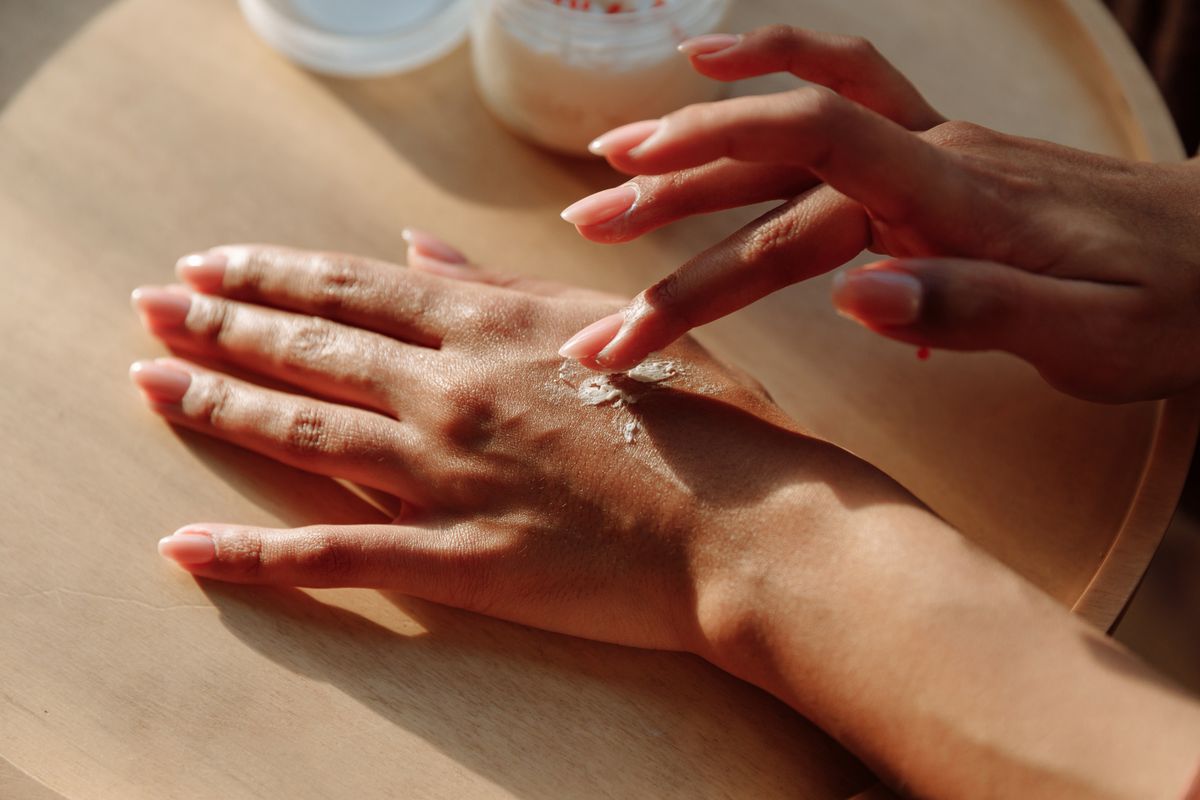
What it plausibly does: removes the calcium that forms soap curd, which means less residue on skin and a much lower soap dose to achieve the same clean. Many people report that showers feel different afterwards, and the mechanism for that is genuine rather than imagined.
What it does not do: treat eczema, atopic dermatitis or psoriasis. That was tested directly, and it did not work. Anybody selling a softener as a therapy for a diagnosed skin condition is going beyond the evidence.
What it definitely does not do: raise humidity, replace lipids, or fix dryness that was caused by hot water, over-washing, winter air, retinoids or a medication side effect. Those are the causes most often mislabelled as hard water, and they sit alongside the other problems hardness gets blamed for.
There is also a common reversal worth expecting: some people find their skin feels slippery after softening and conclude the soap is not rinsing off. It is. The slipperiness is the absence of calcium curd, which is what the familiar squeaky drag actually was.
Where This Leaves the Decision
If your only complaint is skin comfort, hardness is a weak reason to buy a softener on its own. The evidence supports "less soap residue," not "clearer skin," and one week of reduced soap will tell you most of what a softener would.
If you also have scaling water heaters, spotted glassware, stiff laundry and aerators that clog every six weeks, the skin improvement becomes a pleasant secondary benefit of a purchase justified on other grounds. That is the honest framing, and the hardness threshold worth acting on is where that case gets made or not.
Either way, get the number first — a home test takes about ten minutes.
What to Do Next
- Run the one-week soap reduction before buying anything. It is free and it isolates the variable that has the strongest evidence behind it.
- Measure your hardness in grains per gallon so the decision is quantitative rather than impressionistic.
- If you have a diagnosed skin condition, treat the SWET result as the relevant evidence and speak to a dermatologist. Softened water is not a substitute for treatment, and no reputable installer should imply otherwise.
Frequently Asked Questions
Does hard water actually cause dry skin?
The association is real in large population data — a Danish study of 4,416 adults found harder water linked to a higher probability of dry skin, independent of other skin conditions. Causation is less settled. The mechanism with the strongest support is soap residue: calcium binds surfactants into a curd that rinsing does not fully remove, and that residue irritates. Hardness on its own, without soap, has a much weaker case.
Will a water softener fix my dry skin?
It may help by letting you use far less soap, which is the part with real support. It is not a treatment for a skin condition. A randomised trial of 336 children with moderate to severe eczema in hard water homes found no meaningful difference in disease severity after 12 weeks with an ion exchange softener versus usual care alone.
Why does my skin feel tight and squeaky after a shower?
Squeaky usually means the surfactants stripped the skin's own lipids, not that hardness dried you out. That tight feeling is most often over-washing, water that is too hot, and too much product. Try one week of shorter, cooler showers with a fraction of the soap on everything except the areas that genuinely need it, before concluding anything about your water.
Does soft water feel slippery because soap is left on your skin?
No, and this is the most persistent myth in the subject. The slippery feel is the absence of calcium soap curd, not the presence of residue. In hard water, that curd deposits on skin and creates the familiar squeaky drag people mistake for cleanliness. Soft water rinses more completely, which feels unfamiliar at first.
Is a shower filter a good alternative to a softener for skin?
For hardness specifically, no. Most shower filters use KDF and activated carbon, which reduce chlorine and some chloramine but remove very little calcium and magnesium at shower flow rates and contact times. If your complaint is chlorine dryness, a shower filter is a reasonable inexpensive test. If it is hardness, it will not deliver.