
Why Soap Won't Lather in Hard Water
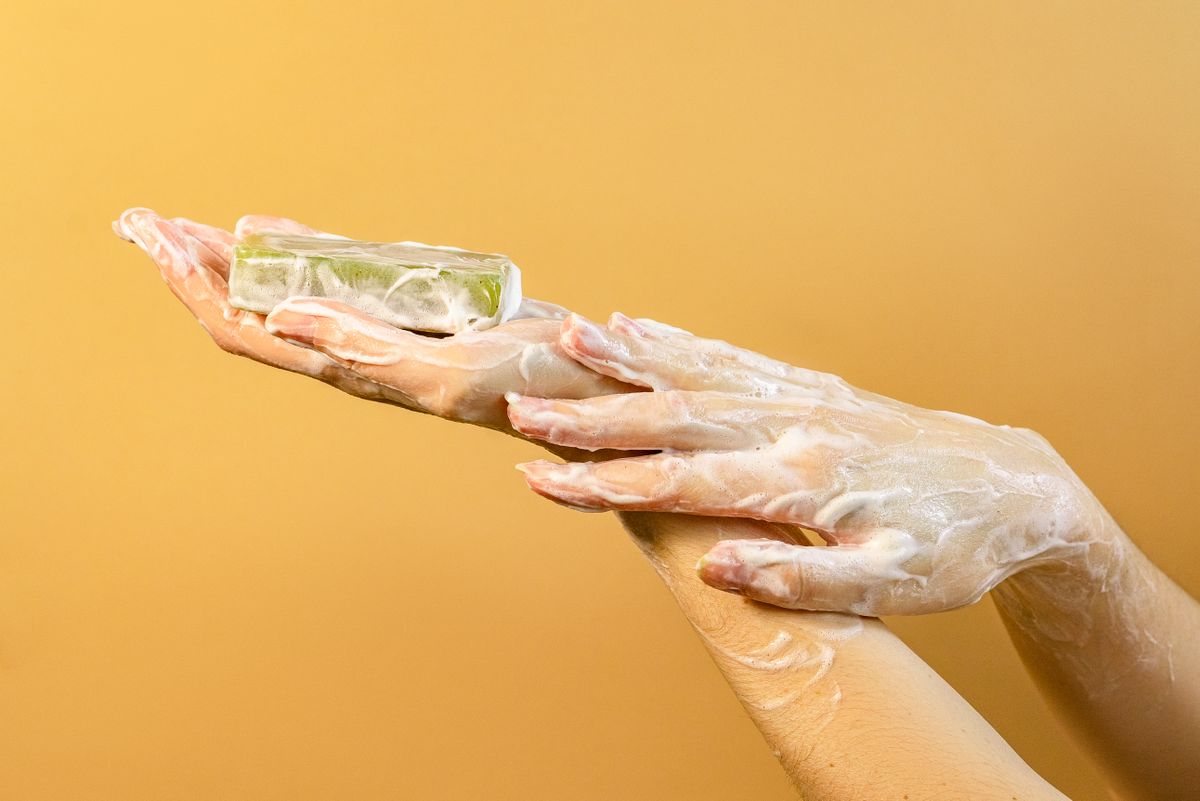
Soap won't lather in hard water because the calcium and magnesium dissolved in it react with the soap before it ever gets a chance to foam. The minerals bind to the soap's fatty acids and form an insoluble curd — lime soap, or what you'd call soap scum — and that reaction consumes the soap. You aren't using a bad product or too little of it. A measurable share of every pump is being neutralised on contact.
The instinct is to add more. That works, in the sense that eventually you overwhelm the minerals and get foam, but it's also the reason hard water households spend noticeably more on shampoo, body wash and detergent than soft water households do.
Why Soap Won't Lather in Hard Water: The Chemistry
True soap is a salt of a fatty acid — usually sodium or potassium. In soft water, those molecules stay dissolved, arrange themselves around air and dirt, and produce lather.
Introduce calcium or magnesium and the reaction changes. Those ions have a stronger affinity for the fatty acid than sodium does, so they displace it and produce calcium stearate: a compound that will not dissolve in water at all. It has no cleaning power, it cannot foam, and it precipitates out as the grey film you see on tub walls, shower doors and the collar of a shirt.
The CDC's guidance on home water treatment lists exactly this alongside scale as the defining nuisance of hard water. It's not a cosmetic complaint — it's the visible half of a chemical reaction that's also happening on your skin, hair and laundry.
Two practical consequences follow:
- Lather is a hardness indicator, not a quality indicator. The same soap that foams beautifully at a friend's house may fail at yours.
- The soap isn't entirely wasted. Some still cleans. But the fraction lost to curd rises with hardness, which is why the problem feels worse in some regions than others.
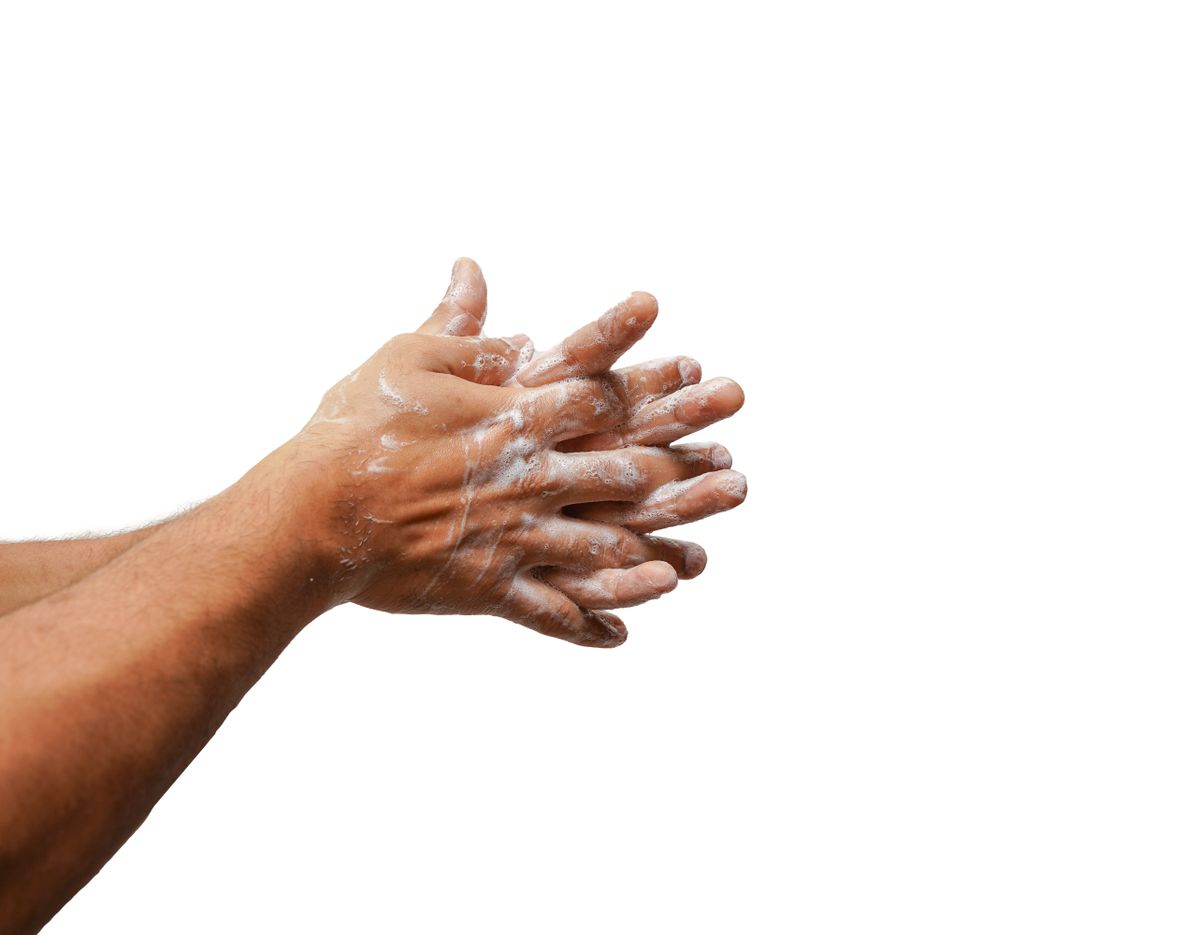
The 60-Second Shake Test
This is the oldest hardness test there is, and it's free. It won't replace a proper measurement, but it will tell you whether hardness is genuinely your problem.
You need: a clear bottle with a cap, pure liquid soap (castile soap works best — avoid detergents and anything with additives), and your cold tap.
- Fill the bottle with exactly 250 ml of cold tap water. Leave plenty of air space.
- Add one drop of soap. Cap it and shake vigorously for 10 seconds.
- Look for lather that survives 30 seconds. If the surface is covered in foam that holds, stop and count your drops.
- If it doesn't hold — or the water turns milky rather than foamy — add another drop, shake again, and repeat.
Read the drop count roughly:
| Drops to persistent lather | Approximate hardness | Band |
|---|---|---|
| 1–2 | Under 3 gpg | Soft to slightly hard |
| 3–5 | 3–7 gpg | Moderately hard |
| 6–10 | 7–12 gpg | Hard |
| 11+ | 12+ gpg | Very hard |
Milky water rather than foam is the tell-tale sign: that cloudiness is the lime soap precipitating out. Watching it form is the clearest demonstration of the problem you'll get without a laboratory.
Treat this as a screening test only. It's sensitive to soap type, water temperature and how hard you shake, and it can't distinguish 8 gpg from 12 gpg — which is exactly the range where a purchase decision gets made. For a number you can act on, a test strip or your utility's annual report gives you a real figure.
What Soap Scum Actually Costs You
The lather problem is the visible cost. There are three others.
Product spend. Households on hard water routinely use two to three times the soap and detergent of a soft water household for the same result. Across shampoo, body wash, dish soap and laundry detergent, that's a recurring annual cost most people never attribute to their water.
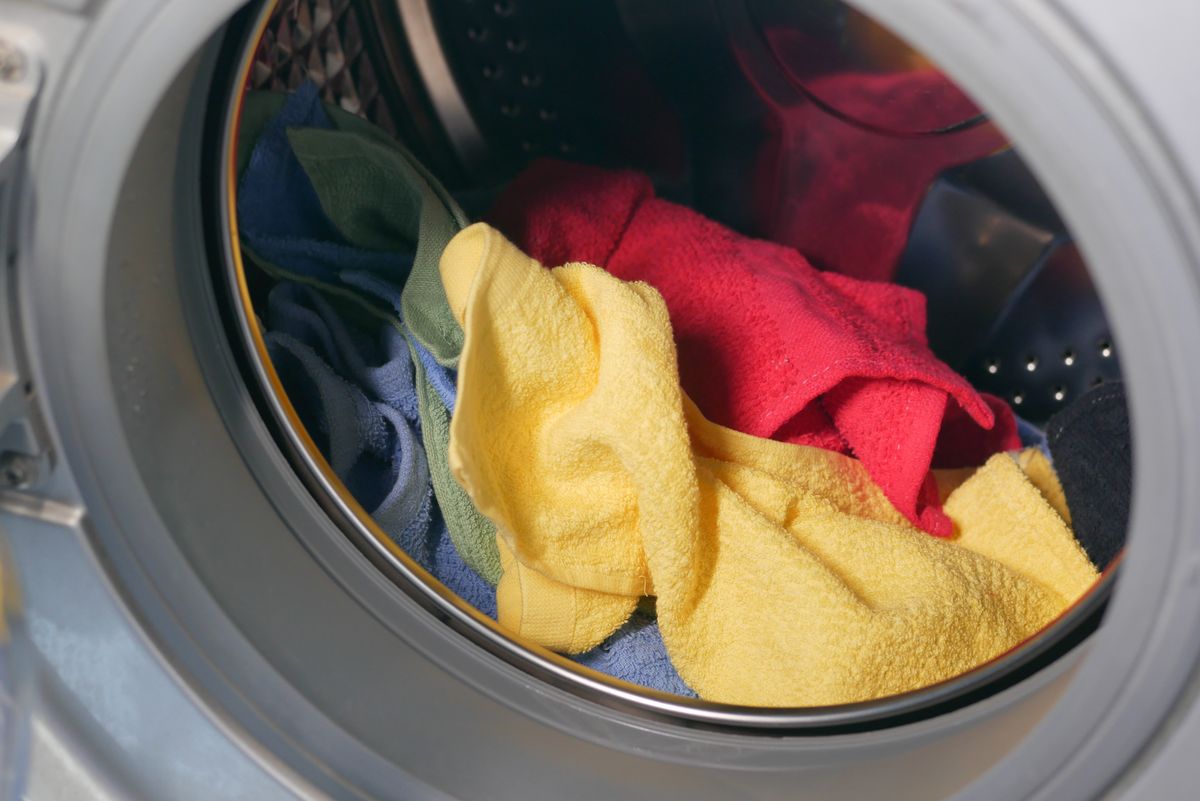
Laundry that never quite comes clean. Lime soap bonds to fabric fibres and survives rinsing. It's why towels wash up stiff and scratchy and why whites go grey over time — the residue is in the fabric, not on it. Adding more detergent makes this worse, not better, because more detergent means more residue left behind.
Skin and hair. The same curd deposits on skin during a shower, which is the mechanism behind that tight, filmy feeling afterwards. It's worth being careful about the claims here: residue on skin is well established, while the wider claims about hard water causing skin conditions rest on much thinner evidence than most water treatment marketing suggests.
What Actually Works
Ranked by cost, lowest first.
Switch from soap to detergent. This is the single highest-value change and it's free. Synthetic detergents don't form insoluble curd with calcium — that's precisely what they were invented to solve. Bar soap and castile soap are the worst performers in hard water; liquid body washes and modern laundry detergents are the best.
Look for chelating agents. Products listing EDTA, sodium citrate or similar sequestrants bind the calcium before it can reach the surfactant. Most "formulated for hard water" detergents work this way.
Add a rinse aid in the dishwasher. It doesn't stop the reaction, but it stops the residue drying onto glassware, which handles the most visible symptom.
Strip-wash existing laundry. A hot wash with no detergent and a cup of washing soda pulls accumulated lime soap out of towels and returns most of the softness. Do this before you conclude your towels are finished.
Descale fixtures on a schedule. Soap scum and limescale accumulate together, and the white deposits on faucets and showerheads need a different removal approach from the greasy film on tub walls.
Does a Water Softener Fix It?
Completely, and this is the symptom where softening delivers most visibly. Ion exchange removes the calcium and magnesium before the water reaches any tap, so there's nothing left to react with the soap. Lather returns immediately, and the change is dramatic enough that most people notice it in the first shower.
Penn State Extension places the practical range for softening between roughly 3 and 20 grains per gallon — below that there isn't enough hardness to justify the equipment, and above it other treatment usually needs to come first.
Two things to expect afterwards, because both get reported as faults:
You must cut your soap dose sharply. Start at about a third of what you used before and adjust up. Keep dosing as you did on hard water and you'll get over-sudsing, poor rinsing and film on dishes — the same complaints, from the opposite cause.
Water will feel slippery. That sensation is soap rinsing off completely instead of leaving curd behind. It's the softener working, not residue left on your skin, though it takes a week or two to stop feeling strange.
Whether it's worth installing at all comes down to your actual number, and the treatment threshold is worth understanding before you spend anything.
What to Do Next
- Run the shake test tonight. If the water turns milky before it foams, hardness is confirmed as your problem.
- Switch one product to a detergent-based alternative — body wash instead of bar soap is the easiest swap — and see whether the lather problem largely disappears. For many households in the moderate range, that's the whole fix.
- Get a real hardness number before considering equipment, and check what hard water actually is and does if you want the full picture behind the symptom.
Frequently Asked Questions
Why does soap not lather in hard water?
Calcium and magnesium ions react with soap's fatty acids and form an insoluble compound called lime soap, better known as soap scum. That reaction consumes the soap before it can trap air and foam. The CDC lists preventing soap from lathering as one of the defining effects of hard water.
Does soft water really use less soap?
Substantially less. With no calcium or magnesium competing for the soap, none is wasted forming curd, so most households find they need roughly a third to a half of what they used before. Overshooting is the most common complaint after installing a softener — the fix is to cut the dose, not the equipment.
What soap works best in hard water?
Synthetic detergents outperform true soaps because they do not form insoluble curd with calcium. Look for products labelled for hard water, or any liquid body wash and laundry detergent rather than bar soap or castile soap. Detergents with added chelating agents such as EDTA or citrate perform best of all.
Is soap scum the same as limescale?
No, though hard water causes both. Limescale is calcium carbonate deposited when water evaporates — chalky, and it dissolves in vinegar. Soap scum is a calcium and magnesium salt of the soap's fatty acids — greasy and grey, and it needs a surfactant cleaner rather than acid alone to shift properly.
How much detergent should I use with hard water?
Most detergent labels assume moderately hard water, so at 10 grains per gallon and above you genuinely need more than the line on the cap. The better answer is to fix the water rather than keep overdosing, because excess detergent is what leaves stiff laundry and film on glassware in the first place.