What Is Hard Water and Why Does It Matter
What is hard water, and why does it matter for your home? In short: hard water is water carrying more dissolved calcium and magnesium than average — usually picked up as groundwater passes through limestone, chalk, or dolomite — and it matters because those minerals leave scale in pipes and appliances, weaken soap and detergent, and add wear to anything that heats or moves water through your house.
That's the whole answer in one breath. The rest of this guide is about turning "I think my water is hard" into an actual number, and using that number to decide whether it's worth doing anything about.
What Is Hard Water Made Of? The Minerals Behind It
Hardness isn't a contaminant and it isn't dirt — it's a measure of two specific minerals: calcium and magnesium. Rain picks up carbon dioxide from the air and soil, forming a weak acid that dissolves these minerals out of rock as water travels underground. Water that moves through limestone, chalk, or dolomite comes out the other side carrying more of them than water that spent its life over granite or other hard, non-carbonate rock. That's why hardness varies so much by region and why well water is often (though not always) harder than surface water.
Two details matter later, when you start comparing test results. First, hardness comes in two forms: temporary hardness (calcium and magnesium bicarbonate), which precipitates out when water is heated — that's why kettles and water heaters scale first — and permanent hardness (mostly sulfates), which doesn't. Second, hardness is always reported "as calcium carbonate," a convention that lets labs express two different minerals on one scale. Neither fact changes what you do about it, but both explain why two reports on the same water can look different at a glance.
5 Warning Signs of Hard Water in Your Home
You can usually spot the effects before you ever test for the cause. These are the five that send most people looking for answers, roughly in the order they get noticed:
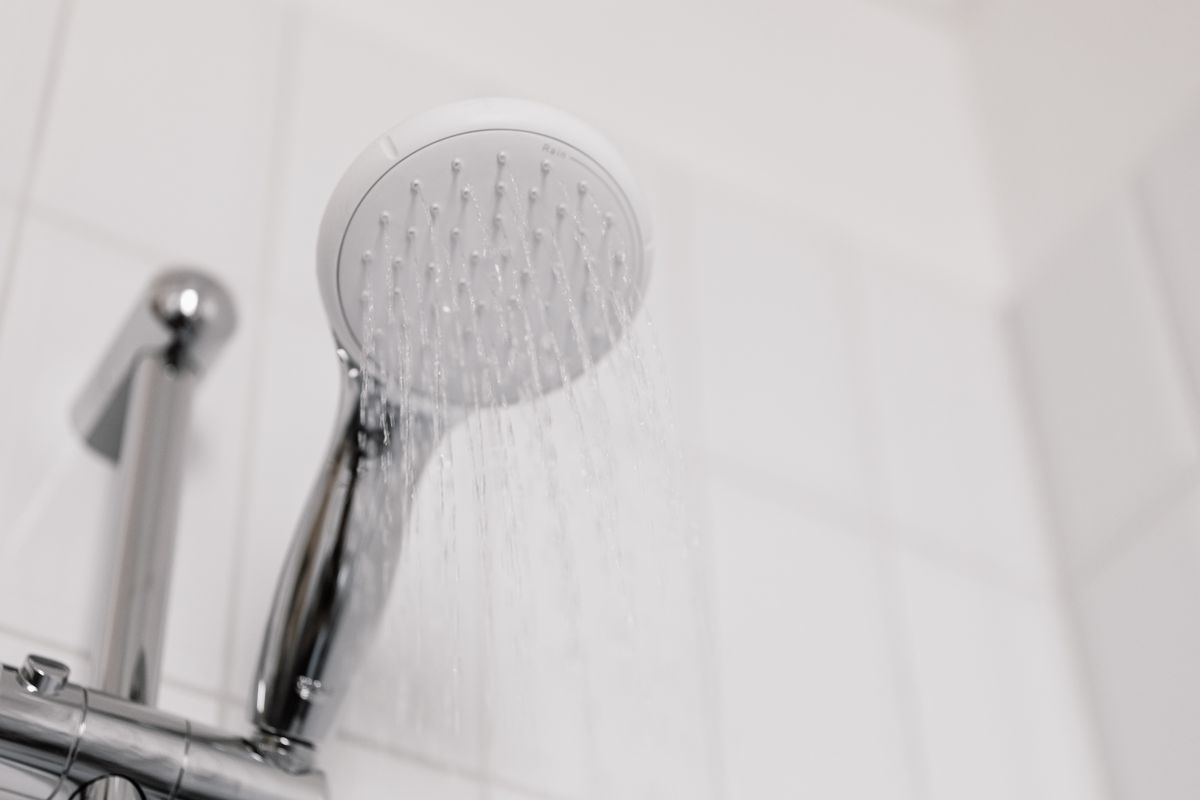
- White, chalky crust on faucet aerators and showerheads. The most reliable visual sign, because it forms where water evaporates repeatedly in the same spot. If it comes back within weeks of cleaning, hardness is high. White spots on faucets have a few possible causes, though, and only one of them responds to softening.
- Soap that won't lather. Calcium and magnesium bind to soap and form an insoluble curd before it can foam, so you use more shampoo, more detergent, more dish soap for the same result. This is the single cheapest way to gauge your hardness at home.
- Cloudy film on glassware. Dishes come out of the dishwasher technically clean but hazy. Worth checking carefully — mineral film wipes off with vinegar, while permanent etching does not.
- A bathtub ring that returns faster than it should. That grey ring is soap scum, not dirt: the same calcium-soap reaction, deposited on the tub wall.
- Water heater noise and rising energy use. Popping or rumbling means the burner is heating through a layer of settled scale. This one costs you money quietly, long before anything visibly fails.
None of these are hazards — they're mineral residue, and they're the most common reason people start asking what's going on with their water in the first place.
The same residue that shows up on glassware also builds up somewhere you can't see it: inside pipes, on water heater elements, and in the internal parts of dishwashers, washing machines, and coffee makers. A thin layer of scale acts as insulation, so a water heater has to work harder — and use more energy — to heat the same amount of water. Over years, that buildup is also the most common reason those appliances need earlier repairs or replacement in hard water areas than in soft water areas.
What Is Hard Water Measured In? The Hardness Scale
Hardness is reported two ways: milligrams per liter as calcium carbonate (mg/L as CaCO₃), which is what a lab or water report will usually give you, and grains per gallon (gpg), which is what softener sizing and salt dosage are usually based on. One grain per gallon equals about 17.1 mg/L, so you can convert either direction by dividing or multiplying by that number.
The U.S. Geological Survey classifies water hardness into four bands, and Penn State Extension splits the soft end into two:
| Classification | mg/L as CaCO₃ | Grains per gallon | What it usually looks like |
|---|---|---|---|
| Soft | 0–17 | 0–1.0 | No scale, soap lathers freely |
| Slightly hard | 17–60 | 1.0–3.5 | Occasional spotting, nothing structural |
| Moderately hard | 61–120 | 3.6–7.0 | Mild spotting, slightly reduced lather |
| Hard | 121–180 | 7.1–10.5 | Visible scale, appliances working harder |
| Very hard | 180+ | 10.5+ | Heavy scale, frequent soap/detergent waste |
A single test result tells you where you land on this table — nothing more and nothing less. It doesn't tell you whether your water is safe to drink, whether it contains anything else worth worrying about, or what's causing an unrelated taste or odor complaint. Hardness, total dissolved solids (TDS), pH, and contamination are four different things that happen to get measured on the same water sample; a high hardness reading says nothing about the other three.
A quick worked example: a lab report reading 180 mg/L as CaCO₃ converts to 180 ÷ 17.1 ≈ 10.5 gpg — right at the boundary between "hard" and "very hard." That's the kind of conversion worth doing yourself, because test strips, lab reports, and softener spec sheets don't always use the same unit, and a number that looks alarming in one unit can look unremarkable in the other if you misread which scale it's on. Where that number sits determines everything that follows, which is why the treatment threshold deserves its own look.
Confirm It Before You Do Anything Else
Three ways to get an actual number, in order of effort:
- Home test strips. Cheap, instant, and accurate enough to tell soft from moderately hard from very hard. Typical accuracy runs within 1–2 gpg — fine for a decision, not precise enough to size equipment.
- A state-certified laboratory. Mail in a sample and get back an exact mg/L and gpg figure, usually alongside other parameters you didn't think to ask about.
- Your water utility's annual report. If you're on a public system, the utility is required to publish a water quality report with a hardness range for your area — worth checking before you spend money testing something they've already measured.
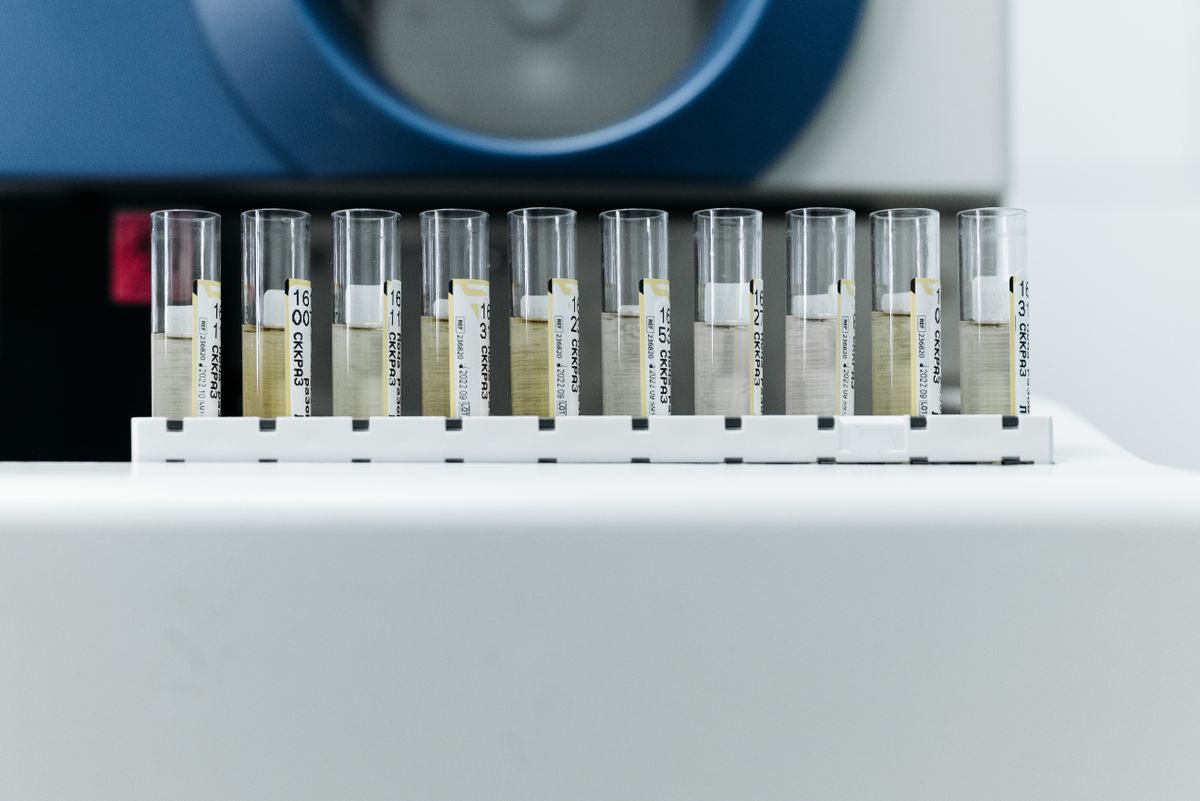
Private well owners don't have a utility report to fall back on, so testing falls entirely on the homeowner. The CDC's guidance on home water treatment is blunt about the order of operations here: test first, then choose a system based on what the test actually shows, rather than installing equipment on a guess.
In practice, most homeowners start with a test strip because it's free or nearly free and takes under a minute — dip it, wait, compare the color to the chart on the bottle. It's a reasonable way to rule soft water in or out. Where it falls short is precision: it'll tell you "hard" but not whether you're at 8 gpg or 14 gpg, and that difference matters once you're sizing equipment or deciding whether the problem is worth solving at all. A lab test (typically $20–$50 by mail) or your utility's published report closes that gap for free or close to it. The full testing walkthrough — including where in the house to draw the sample — covers the technique that separates a usable number from a misleading one.
Where a Whole-House Softener Fits In
Once you have a number, the decision gets simpler. A whole-house water softener uses ion exchange to swap calcium and magnesium for sodium or potassium as water enters your home — it's the standard fix specifically for hardness, and it's genuinely effective at that one job.
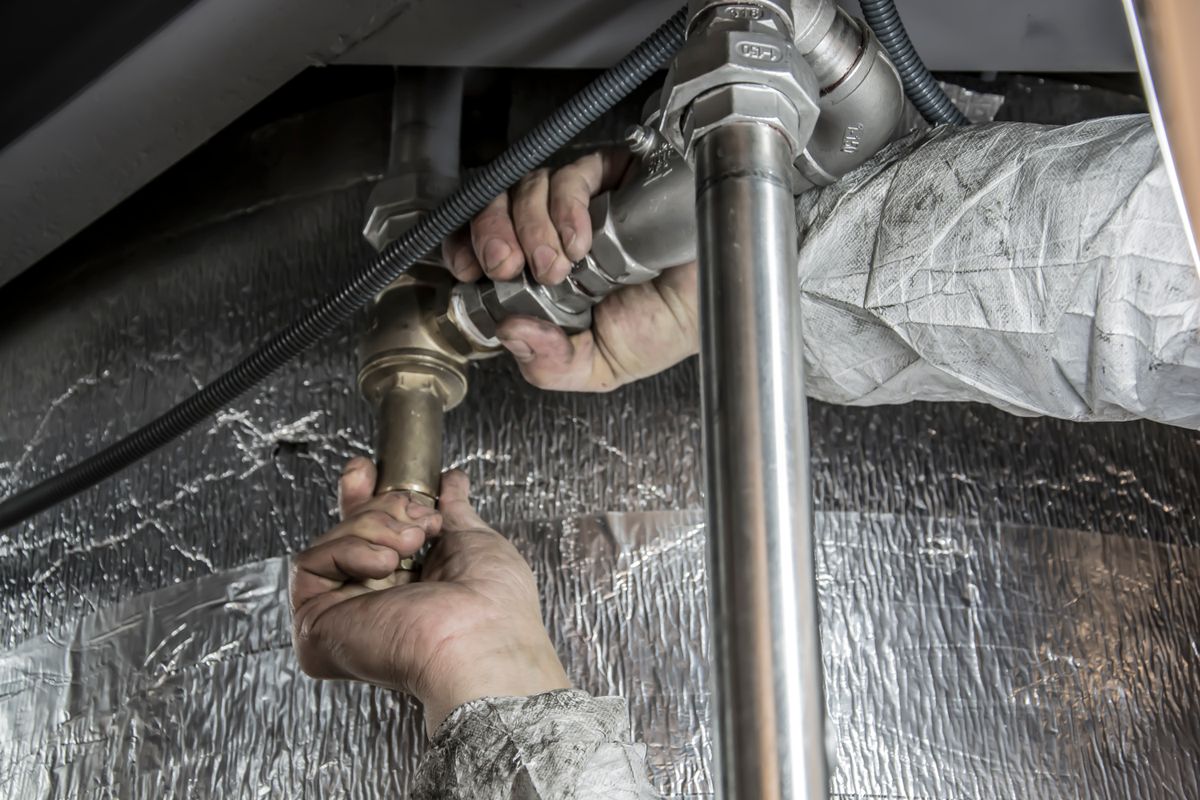
It's worth being precise about what it doesn't do. A softener isn't a filter and isn't a disinfection system: it won't remove bacteria, most chemical contaminants, or sediment, and it isn't designed to. If a test also flags something like iron, nitrate, or bacterial contamination alongside hardness, that calls for a filter, disinfection step, or a combination system — not a softener alone. And if your number lands in the soft-to-moderately-hard range with no real symptoms, the honest answer is that you may not need any treatment at all.
There's also a middle ground worth knowing about before you commit to anything. Descaling vinegar soaks for showerheads and coffee makers, using a bit more detergent, or switching to a detergent formulated for hard water are all real workarounds — they manage the symptoms without touching the cause. They're a reasonable choice for someone in the moderately hard range who doesn't want to install equipment, but they're maintenance, not a fix, and the scale inside pipes and water heaters keeps accumulating regardless.
The Common Mistake: Assuming "Hard" Means "Unsafe"
Common mistake: Treating a high hardness reading as a red flag for drinking water safety. Hardness is a nuisance-and-cost issue — scale, appliance wear, and soap consumption — not a recognized health hazard. Public health guidance treats mineral content and contamination as separate questions, and a hard water reading by itself doesn't mean anything is wrong with the water's safety.
That cuts both ways. A soft reading doesn't guarantee your water is safe either — softness and safety are unrelated, and it's still worth knowing what's actually in your water beyond the hardness number if you have any other reason for concern.
What to Do Next
- Get a real number. Use a home test strip for a quick read, or a certified lab if you want an exact mg/L and gpg figure to work from.
- Compare it to the table above. Moderately hard or below usually isn't worth acting on unless you're already seeing scale or soap problems. Hard or very hard is where a softener typically starts to make sense.
- Rule out anything a softener can't fix. If your test or your water report shows anything beyond hardness — iron, bacteria, unusual taste or odor — talk to a certified lab or a qualified water-treatment professional about that issue specifically before assuming a softener is the whole solution.
Everything past this point — how ion exchange actually works, how to size a system, and how to choose between a softener and a conditioner — follows from that first measurement. Start with your number; the rest follows from that.
Frequently Asked Questions
Is hard water safe to drink?
Yes. Hardness is a nuisance measurement, not a health standard — the EPA regulates it as a secondary contaminant based on taste and appearance, not safety. Calcium and magnesium are minerals you already eat. A hard water reading tells you nothing about bacteria, lead, nitrate or anything else, which is why safety is a separate test from hardness.
How do I know if I have hard water?
Three signs give it away before any test: white crust on faucet aerators and showerheads, soap that won't lather no matter how much you use, and cloudy film on glassware straight out of the dishwasher. To confirm it, dip a home test strip in cold tap water or look up your utility's annual water quality report, which publishes a hardness range for your area.
What level of hard water requires a softener?
Most homes with water above 7 grains per gallon (120 mg/L) see enough scale and soap waste to justify treatment. Between 3.5 and 7 gpg, habit changes usually cover it. Penn State Extension notes softeners are generally recommended between 3 and 20 gpg — outside that range, other treatment is often a better fit than a softener.
Does hard water damage pipes and appliances?
It doesn't corrode them, but scale builds up inside water heaters, dishwashers and washing machines, where a mineral layer insulates heating elements and forces them to run longer. That's why appliances in hard water areas tend to need repair or replacement sooner. Copper and PEX pipes themselves usually narrow slowly rather than fail outright.
Can you fix hard water without a water softener?
You can manage the symptoms — descale showerheads and kettles with vinegar, use detergent formulated for hard water, add rinse aid in the dishwasher. None of that removes the minerals, so scale keeps accumulating inside pipes and heaters. It's a reasonable approach in the moderately hard range and a losing battle above roughly 10 gpg.