
Why Softened Water Tastes Salty

Softened water that tastes salty is a fault, not a side effect. A correctly working softener sends its brine to the drain and rinses the resin tank before returning to service, and the sodium it leaves behind in the water is calculable, constant, and normally well below the point anyone can taste it. If you can taste salt, brine is reaching the service line.
The first question to answer is not what is broken but is the taste constant or intermittent? That single distinction splits the causes cleanly, and it costs nothing to establish.
The Sodium a Softener Adds Is Not What You Are Tasting
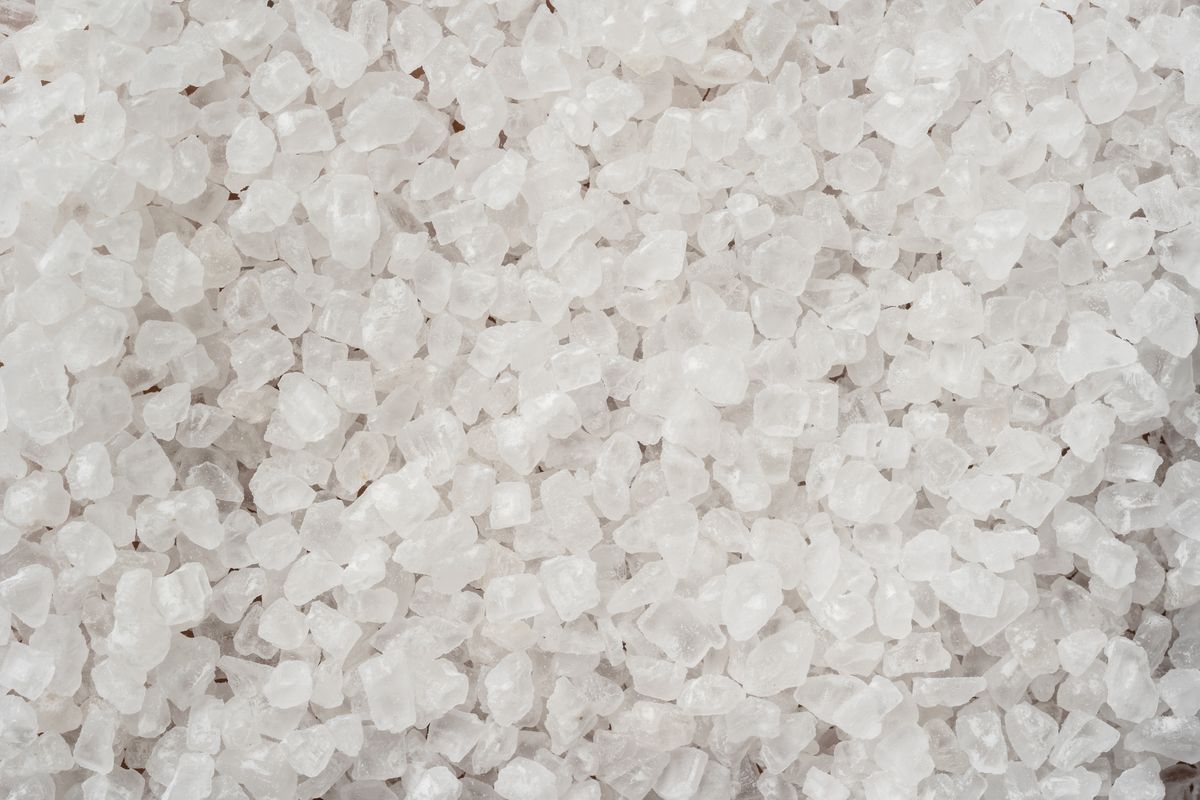
Ion exchange swaps calcium and magnesium for sodium, so softened water genuinely does contain more sodium than the raw supply. The amount is not a mystery — it is arithmetic:
Roughly 8 mg of sodium per litre for every 1 gpg of hardness removed.
| Raw hardness | Sodium added by softening | Chloride equivalent context |
|---|---|---|
| 7 gpg (120 mg/L) | ~55 mg/L | Well under the taste-based limits |
| 15 gpg (257 mg/L) | ~118 mg/L | Still below the chloride threshold |
| 25 gpg (428 mg/L) | ~196 mg/L | Detectable by some palates as "different", not "salty" |
| 40 gpg (684 mg/L) | ~314 mg/L | Genuinely high; consider blending or an RO tap |
For scale: the EPA sets a secondary standard for chloride of 250 mg/L specifically on taste grounds, in its secondary drinking water standards for nuisance chemicals. Most households softening water in the 10 to 20 gpg range are nowhere near a salty taste from ion exchange alone. The Minnesota Department of Health's factsheet on home water softening uses the same arithmetic and reaches the same conclusion.
Two things follow, and they matter more than the numbers:
- The sodium contribution is constant. It does not vary by day, and it does not spike after a regeneration. A taste that comes and goes is not this.
- The sodium contribution does not appear suddenly. If the water tasted fine for two years and now tastes salty, nothing about ion exchange changed. Something mechanical did.
If you genuinely do have very hard water and want the sodium figure down, the answers are a blend valve set to leave a few grains of residual hardness, potassium chloride instead of sodium chloride, or a reverse osmosis tap for drinking water — not a softener repair.
Softened Water Tastes Salty: The Five Faults
| # | Fault | Taste pattern | Tell | Cost |
|---|---|---|---|---|
| 1 | Restricted or blocked drain line | Worst right after regeneration | Slow or weak drain flow during backwash | Free to check |
| 2 | Blocked injector or venturi | Salty and water often still hard | Brine well level does not fall during draw | Free to clean |
| 3 | Too much water in the brine tank | Intermittent, worsening over weeks | Water standing well above the salt | Free to check |
| 4 | Interrupted regeneration | One-off, after a power cut or heavy use | Cycle history shows an aborted cycle | Free |
| 5 | Salty source water | Constant, never clears | Taste is present with the softener in bypass | Test required |
Start with fault 5. It takes two minutes and it tells you whether to open the softener at all.
The bypass test. Put the unit in bypass, run a cold tap until the standing water is cleared, and taste. Salty in bypass means the softener is innocent — the salinity is in the source. On a well that points at road salt intrusion, a saline aquifer or seawater intrusion in coastal areas; on a municipal supply it points at the utility. Either way it is a water testing problem, not a softener problem, and a certified laboratory test rather than a home kit is the right next step because you need chloride and sodium as actual numbers.
If the taste disappears in bypass, continue.
Fault 1: A Restricted or Blocked Drain Line
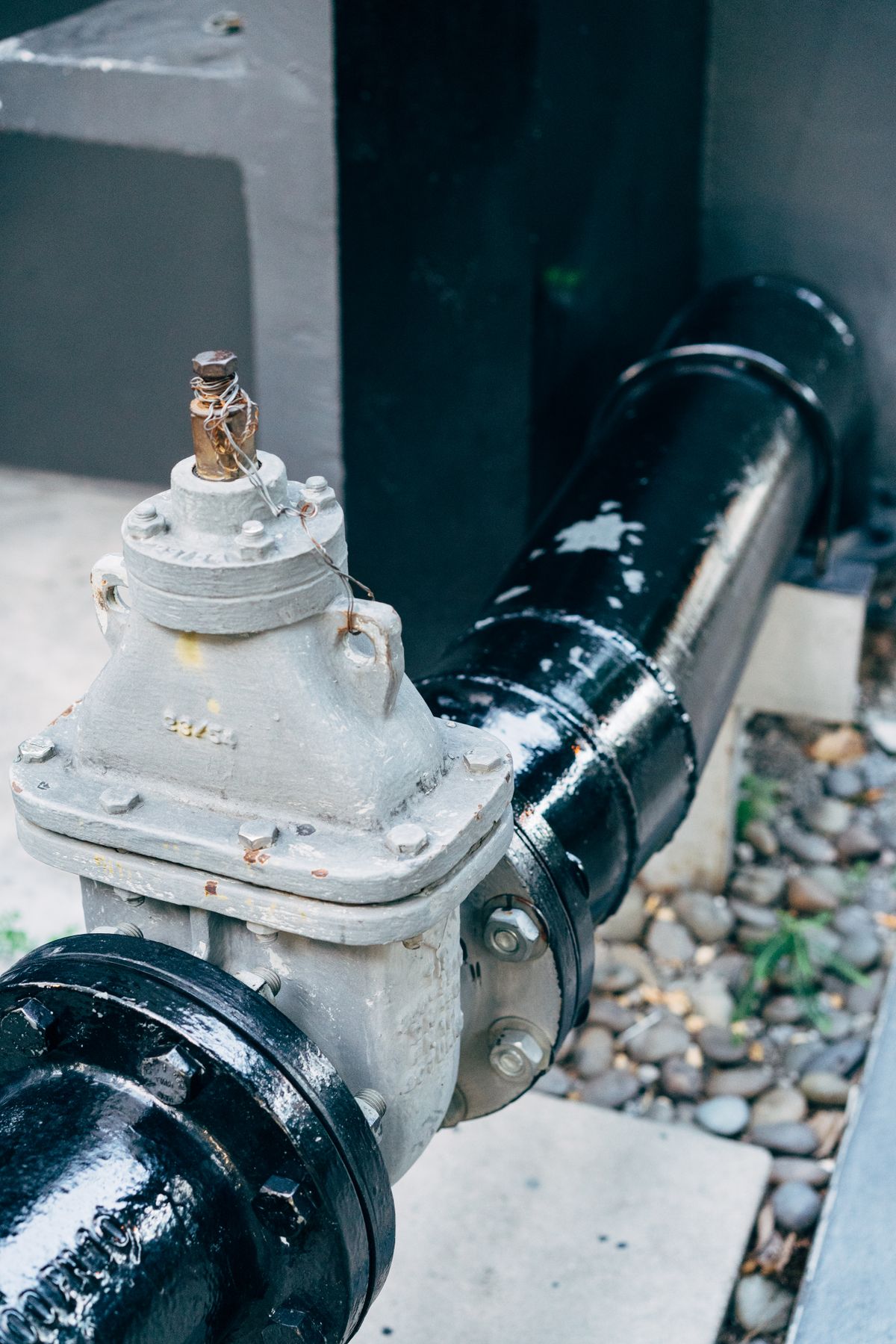
The most common mechanical cause, and the one that most reliably produces the "salty only on cycle days" pattern.
The final rinse has one job: push the last of the brine out of the resin tank and down the drain before the valve returns to service. If the drain cannot take the flow, the rinse is ineffective and the residue leaves through the house instead.
What to check, in order:
- Kinks and crushed sections. Flexible drain tubing gets pinched behind the tank, trodden on, or bent tight around a corner. This is the single most frequent finding.
- Lift height. Most valves tolerate only a limited vertical rise on the drain line — commonly around 4 to 6 feet, and less at low supply pressure. A drain routed up to a high standpipe can be within spec on paper and marginal in practice.
- The drain line flow control. A small restrictor button sets backwash flow. Sediment and salt fines clog it. It usually pops out for cleaning.
- A frozen or partially blocked outdoor run. Drain lines routed outside in cold climates freeze, and the ice is often only partial, so the cycle appears to work.
- The air gap. A drain line pushed hard into a standpipe with no air gap can siphon and can also restrict. It is a code requirement almost everywhere for backflow reasons, and it is worth getting right regardless.
The test. Start a manual regeneration and go to the backwash stage. You should see a strong, steady flow at the drain — recognisably more than a garden tap trickle. A weak, surging or intermittent flow means a restriction. Fix that and the salty taste very often goes with it.
Fault 2: A Blocked Injector or Venturi
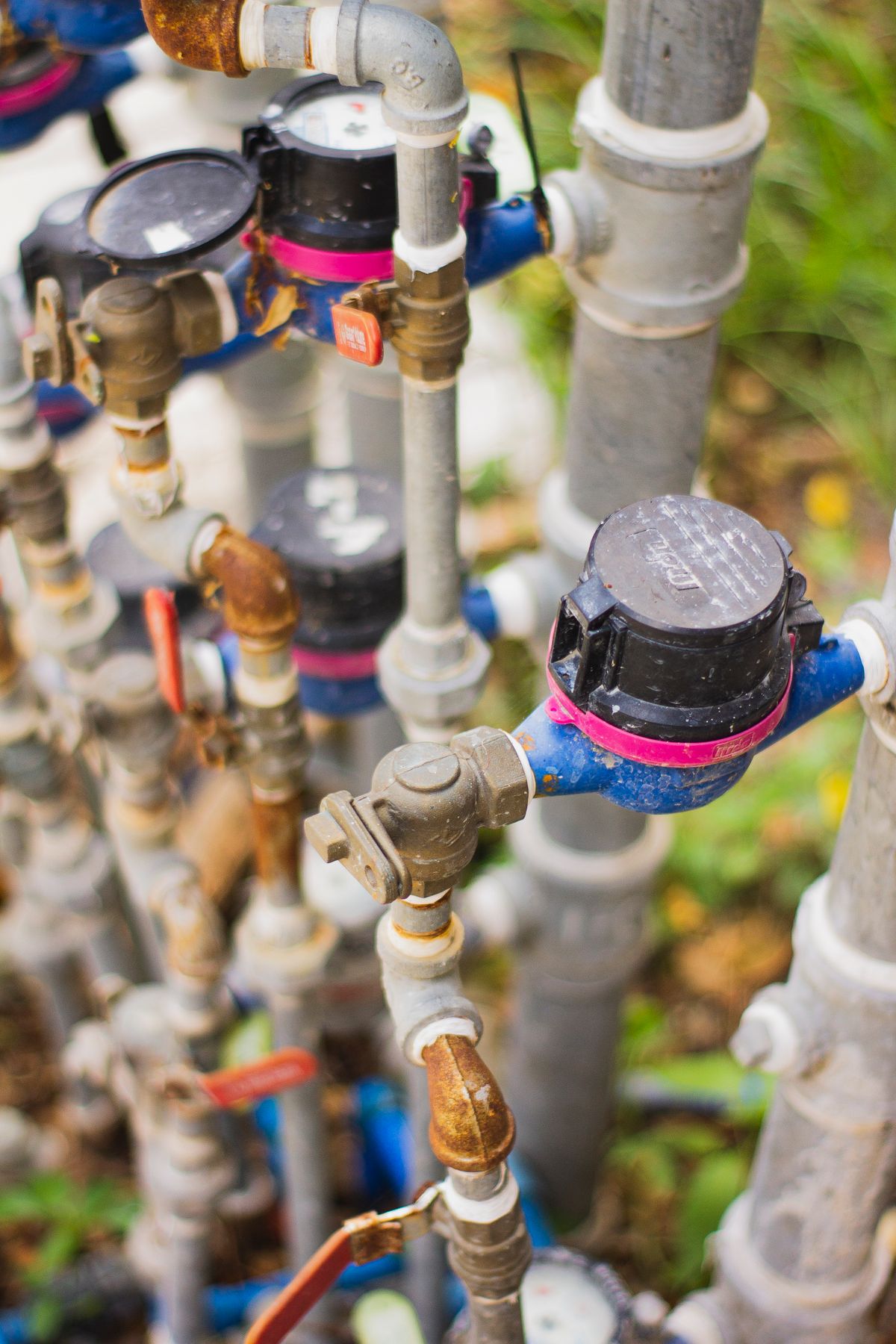
The injector is a small nozzle-and-throat assembly on the side of the control valve that creates suction to draw brine into the resin tank. Its orifices are tiny, and salt fines, iron and grit block them.
A blocked injector normally makes water hard, because no brine is drawn and the resin is never recharged. It produces a salty taste in a narrower set of cases: a partial blockage that draws brine erratically, or a blockage that leaves brine sitting in the tank because the draw stalled mid-cycle. That is why the classic presentation here is salty and still hard — a combination that confuses people because it seems contradictory.
The brine draw test. Mark the water level in the brine well. Start a manual regeneration and advance to the brine draw stage. Within a few minutes the level should visibly fall. If it does not move, or falls and then stops, you have found it.
Cleaning it. Bypass and depressurise first. The injector sits under a cap on the valve body, usually one screw or a threaded collar. Inside is a nozzle, a throat and often a fine screen. Soak in warm water, brush gently, push a fine wire through the orifice, and check you can see light through it. Do not enlarge the hole — the dimensions set the suction, and a reamed-out injector never works properly again. Clean the screen, reassemble, run a manual regeneration.
Low supply pressure produces the same symptoms as a blocked injector, because the venturi needs pressure to generate suction. Before dismantling anything, check the pressure at a nearby tap and check any whole-house sediment filter upstream — a filter that has not been changed in a year can starve the injector on its own.
Fault 3: Too Much Water in the Brine Tank
Lift the lid. There should be a few inches of brine at the bottom, typically below the salt, and never a tank that looks like a bucket of water with salt floating in it.
An overfilled brine tank causes a salty taste two ways: the brine is diluted, so the regeneration is weak and incomplete, and the excess volume is more than the rinse stage was set up to flush out.
Causes:
- A blocked injector (fault 2) — refill adds water each cycle, brine draw removes none, and the level climbs steadily. If the tank is overfilled and the taste is salty, check the injector first.
- A failed brine valve or air check that will not seat and lets the tank keep filling.
- A float set too high, or a float assembly that has come loose on its stem.
- A drain line restriction (fault 1) stalling the draw.
While the lid is off, check for a salt bridge — push a broom handle straight down through the salt. A crust spanning the tank above an empty cavity produces weak brine for a different reason, and it is worth ruling out in the same two minutes.
Fault 4: An Interrupted Regeneration
A one-off salty taste that never repeats usually has a one-off cause.
- A power cut mid-cycle. The valve stops wherever it was. If that was during brine draw, the tank is full of brine and the rinse never ran. Most valves resume or restart on power return; some sit in the stalled position until manually advanced.
- Heavy water use during the cycle. Drawing a large volume during regeneration pulls untreated and partly brined water into the house. This is why regeneration is scheduled for the middle of the night, and why a clock that reset after a power cut matters.
- A manually advanced cycle that skipped the rinse. Easy to do while troubleshooting.
The fix is the same in every case: run a full manual regeneration start to finish without drawing water, then flush a few gallons at a cold tap and taste again. If the taste is gone and does not return on the next scheduled cycle, that was it.
Confirming Brine Carryover With a Conductivity Reading

Taste is a poor instrument. A cheap TDS or conductivity meter turns "it tastes a bit salty" into a number you can act on, and it is the check that separates a real fault from an expectation problem.
The method:
- Take a reading at a cold tap with the softener in bypass. That is your baseline — the source water.
- Take a reading at a cold softened tap on a normal day, several hours after any regeneration.
- Take a reading at the same softened tap immediately after a regeneration completes, before drawing much water.
Reading the results:
| Pattern | Interpretation |
|---|---|
| All three similar | No carryover. The taste is source water or expectation, not the softener |
| Softened reading modestly above bypass, stable across the cycle | Normal ion exchange. Sodium replaced calcium; total dissolved solids barely change |
| Post-regeneration reading sharply above the others, falling as water is drawn | Brine carryover confirmed. Faults 1, 3 or 4 |
| Softened reading far above bypass at all times | A stuck valve leaking brine continuously, or a source problem |
A conductivity meter does not distinguish sodium from calcium, so it cannot verify softening on its own — that is what a hardness test is for, and the two together are far more informative than either alone. The same "measure it rather than argue about it" logic runs through how to read your water hardness report.
Fix Order
- Taste the water in bypass. Still salty? The softener is innocent — test the source for chloride and sodium.
- Establish the pattern. Constant, or only on cycle days? Intermittent points at the drain line and the rinse.
- Watch a backwash at the drain. Weak flow means a kink, a lift problem or a blocked flow control.
- Lift the brine tank lid. Water well above the salt means the tank is not being drawn down. Check for a salt bridge while you are there.
- Run the brine draw test. No drop in the brine well means the injector is blocked. Clean it — gently, and without enlarging anything.
- Run one full manual regeneration without drawing water, then retest.
- Take conductivity readings before and after a cycle if the taste persists and nothing visible is wrong.
Steps 1 through 4 cost nothing and resolve most of these cases. If the conclusion turns out to be that the sodium figure itself is genuinely high because the raw water is very hard, that is a design decision rather than a repair — a blend valve, potassium chloride, or a separate drinking tap. Penn State Extension's overview of water softening covers those trade-offs neutrally, and if you are still working out whether the whole installation was right for your water, do you actually need a whole-house water softener is the honest version of that question. For everything else that goes wrong after installation, why water is still hard after installing a softener is the parent diagnostic.
Frequently Asked Questions
Why does my softened water taste salty?
Because brine is reaching the service line rather than going to the drain. A correctly working softener rinses the salt out of the resin tank at the end of every regeneration; if that rinse is incomplete, the residue leaves with the next water you draw. The usual causes, in order of how often they turn out to be the answer, are a restricted drain line, a blocked injector or venturi, too much water standing in the brine tank, a regeneration interrupted partway through, and — occasionally — source water that was already salty before the softener touched it.
Is a water softener supposed to make water taste salty?
No. The sodium a softener adds is roughly 8 mg per litre for each grain per gallon of hardness removed, which at typical household hardness lands in the tens to low hundreds of milligrams per litre — below the point at which most people register a salty taste. It is also constant. The sodium contribution does not change from day to day, so a taste that comes and goes, or that appeared suddenly, is not the normal sodium contribution and should be investigated as a fault.
Is it safe to drink softened water that tastes salty?
Treat it as water to fix rather than water to drink while the fault is outstanding. Brine carryover is concentrated salt solution, and there is no way to know from taste alone how concentrated. It is not a poisoning risk at household scale, but anyone on a sodium-restricted diet should use an unsoftened tap or a reverse osmosis tap until the fault is cleared. The practical point is that the taste is telling you something mechanical is wrong, and that problem does not resolve on its own.
How do I unclog a water softener injector?
Put the unit in bypass and depressurise it, then find the injector — a small cap on the side of the control valve, usually held by a single screw or a threaded collar. Inside is a nozzle and a throat, both with very small orifices. Soak them in warm water, clean gently with a soft brush or by pushing a fine wire through the orifice, and check you can see light through it. Do not enlarge the hole; the dimensions set the suction. Replace the screen if there is one, reassemble, and run a manual regeneration to confirm brine draw.
Why is my brine tank full of water?
Because the unit filled it and did not draw it back out. If the injector is blocked the refill stage still adds water while the brine draw stage removes none, so the level climbs cycle after cycle until it is well above the salt. Other causes are a failed brine valve or air check that will not seat, a drain line restriction that stops the draw, and a float set too high. An overfilled tank makes weak brine, which means poor regeneration, and it is one of the arrangements that most reliably produces a salty taste.
Why does my water only taste salty right after regeneration?
That is the classic signature of an incomplete final rinse. The regeneration itself worked, but the rinse stage did not flush the remaining brine out of the resin tank before the valve returned to service — usually because the drain line is restricted, the rinse duration is set too short, or the cycle was interrupted. The taste clears after a few gallons are drawn and returns on the next cycle day. A constant salty taste that never clears points somewhere else, most often at the source water.