Do You Actually Need a Whole-House Water Softener?
Do you need a whole house water softener? Only if three things are all true: your measured hardness is above about 7 grains per gallon, the problems you're seeing are actually caused by hardness, and the savings over the years you'll stay in the home outweigh what the softener costs to buy and run. If any one of those fails, the honest answer is no.
Signs of hard water tell you the water is hard. They don't tell you whether treating the whole house is worth the money. The worksheet below does, and it's built to say no when the numbers say no.
Do You Need a Whole House Water Softener? The Three Tests
Work through these in order. A "no" at any step ends the question, at least for a whole-house system.
| Test | Pass | Fail | If it fails |
|---|---|---|---|
| 1. Is the water actually hard? | Measured above ~7 gpg (120 mg/L) at an untreated tap | Under ~3.5 gpg | Nothing to treat |
| 2. Is hardness the real problem? | White crust, scale, soap that won't lather, spots that wipe off with vinegar | Orange, black or blue-green stains, odour, bad taste | Find the real cause first |
| 3. Does it pay back while you live there? | Payback years are fewer than the years you'll stay | Payback is longer, or never | A point-of-use fix, or nothing |
The 7 gpg line comes from the Minnesota Department of Health's softening guidance, which is refreshingly blunt: there's no requirement to soften your water, and doing so is a personal choice. Between 3.5 and 7 gpg, what counts as too hard depends on which appliance in your house has the tightest tolerance.
Test 1 needs a real number. A titration kit gives you whole grains per gallon, and the home testing guide covers where to draw the sample. A utility report is a system-wide average, so read it with care: your tap can sit well above or below it. Test 2 catches the most expensive mistake. Iron, manganese, low pH and silica all mimic hardness, and the problems commonly mistaken for hard water each come with a check that tells them apart.
What a Whole-House Softener Can and Cannot Do
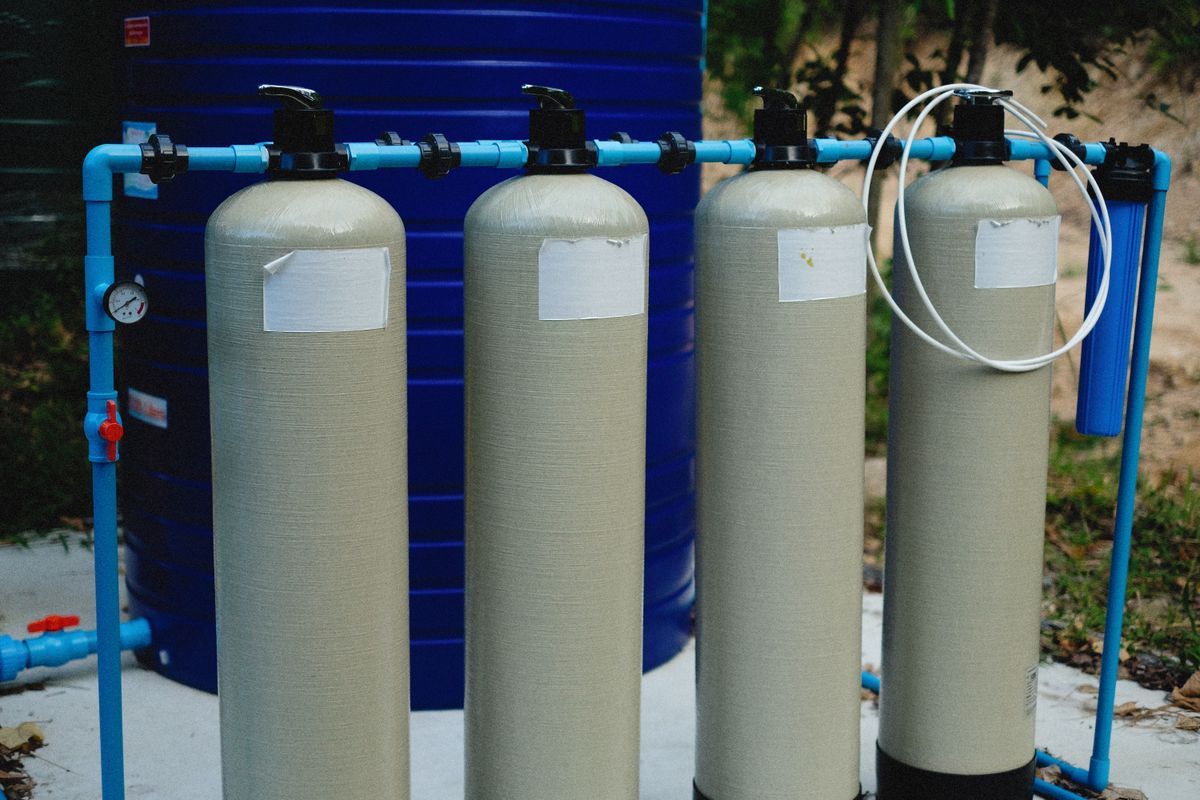
A salt-based softener is an ion-exchange tank. The EPA's WaterSense page on cation exchange softeners describes resin that swaps calcium and magnesium for sodium or potassium, then regenerates by flushing with brine. EPA puts that regeneration water at 25 gallons or more per day, up to 10,000 gallons a year.
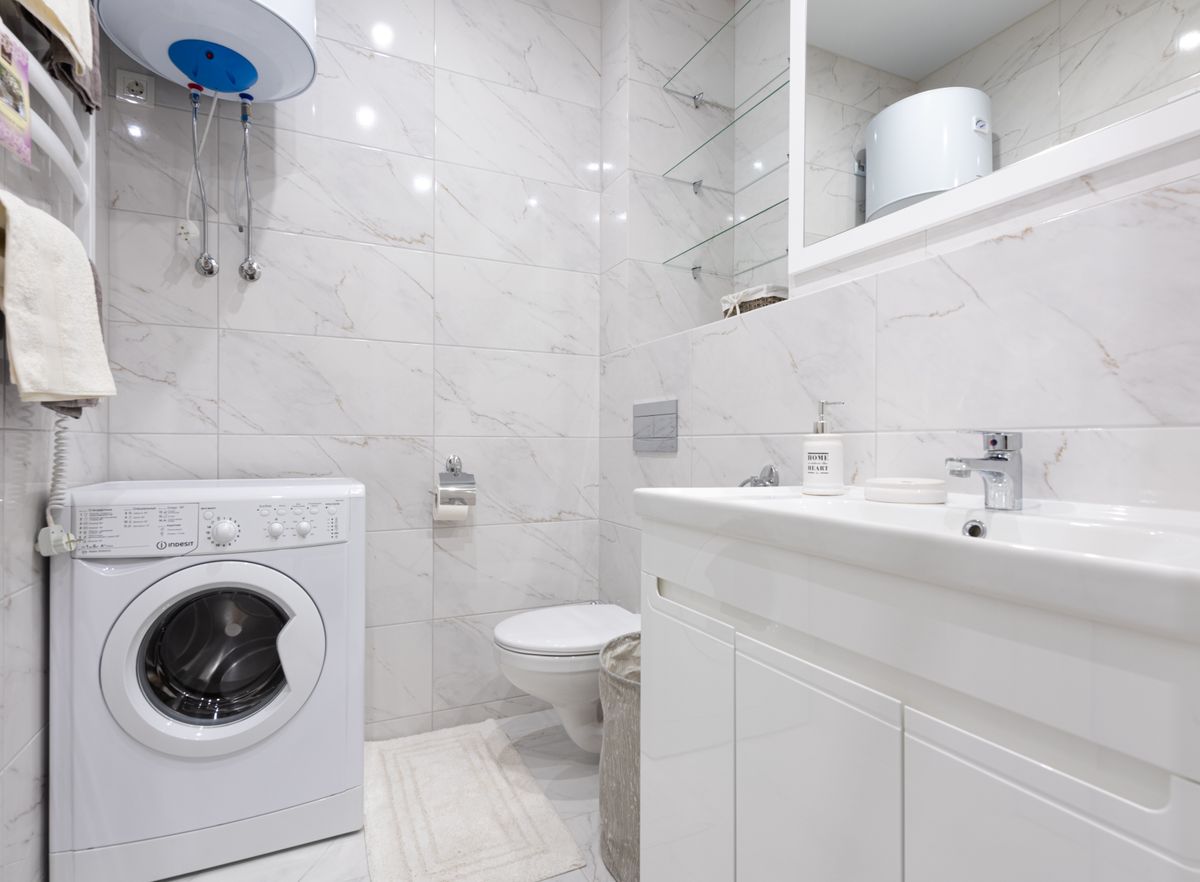
What it does well: it stops new scale forming in water heaters, tankless heat exchangers, dishwashers, washing machines and showerheads, and it lets soap and detergent work at lower doses.
What it doesn't do:
- It isn't a filter. It doesn't treat chlorine taste, sediment, bacteria, nitrate or arsenic.
- It can take out some iron, but oxidised iron fouls the resin, so iron-heavy water needs its own stage first.
- It doesn't raise the pH of acidic water.
- It doesn't dissolve scale that's already in the water heater.
- It adds sodium to every softened tap, and it uses salt and water you pay for every year.
That last point is why the worksheet exists. On moderately hard water, the running cost can swallow most of the savings.
The Payback Worksheet
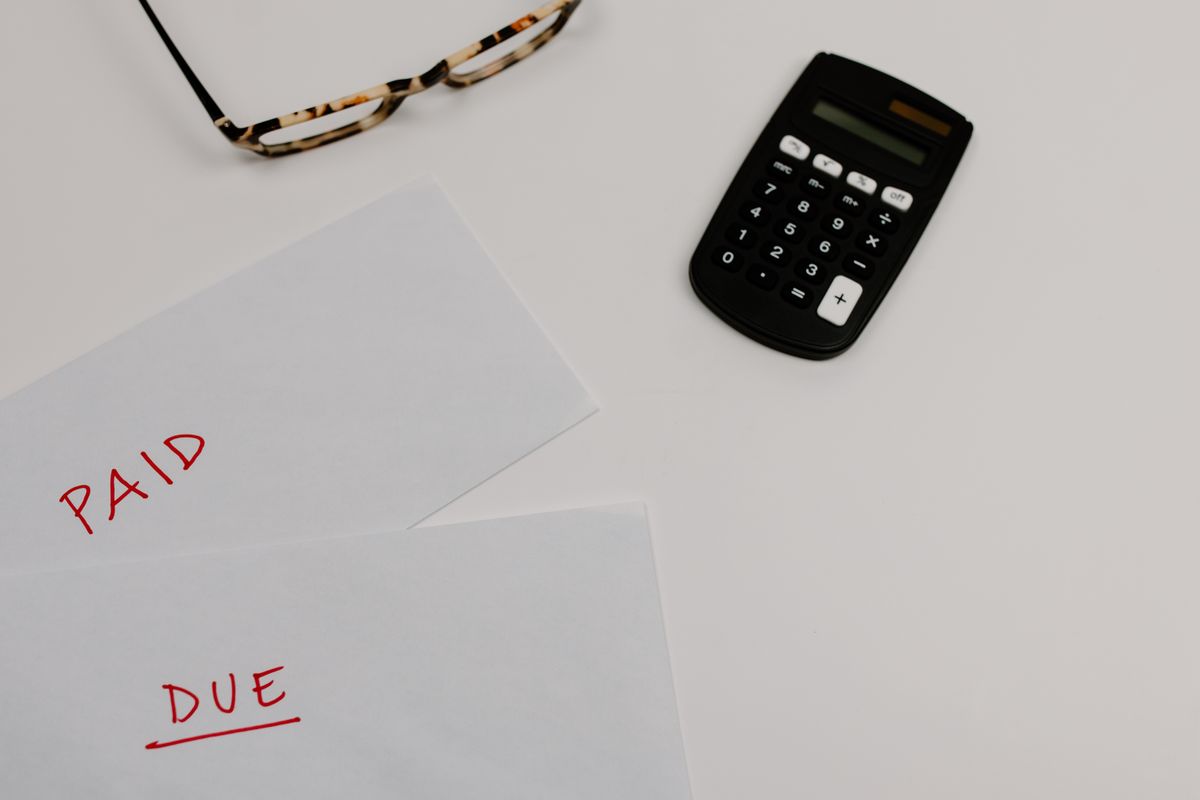
Every figure in the "Example" column is an illustrative assumption. Replace each one with your own bills, prices and a real quote. The formulas are what matter.
Step 1: Hardness removed per year
| Line | Input | Example |
|---|---|---|
| A | Measured hardness, gpg (mg/L ÷ 17.1) | 15 |
| B | Household water use, gallons per day | 300 |
| C | Grains removed per year = A × B × 365 | 1,642,500 |
Step 2: Annual running cost
| Line | Input | Example (assumption) |
|---|---|---|
| D | Salt: C ÷ 3,000 grains per lb, × price | 548 lb ≈ 14 bags at $7 = $98 |
| E | Regeneration water: C ÷ 1,000 × 4 gallons, × water and sewer rate | 6,570 gal at $10 per 1,000 = $66 |
| F | Electricity | $15 |
| G | Maintenance reserve (service, eventual resin) | $40 |
| H | Running cost = D + E + F + G | $219 |
A demand-initiated unit set to the right hardness beats those salt and water assumptions. An old timer unit, or one set too high, does much worse.
Step 3: Annual savings
| Line | Input | Example (assumption) |
|---|---|---|
| I | Detergent and soap spend × share you'll genuinely cut | $300 × 40% = $120 |
| J | Water-heating energy cost × efficiency recovered | $450 × 8% = $36 |
| K | Appliance life: (replacement cost ÷ years on hard water) − (replacement cost ÷ years on soft water), for each appliance | $113 |
| L | Descaling avoided (professional tankless flushes, descaler, aerators) | $180 |
| M | Savings = I + J + K + L | $449 |
Step 4: Verdict
| Line | Calculation | Example |
|---|---|---|
| N | Net annual benefit = M − H | $230 |
| P | Installed price, from a written quote | $2,000 (assumption) |
| Q | Payback years = P ÷ N | 8.7 years |
If N is zero or negative, it never pays back. If Q is longer than the years you'll stay, it doesn't pay back for you. Leave resale value out: there's no reliable evidence a softener raises what buyers pay.
Where the savings percentages come from
Lines I and J are the ones people inflate. Both trace to the same industry research.
The Water Quality Research Foundation funded laundry and dishwasher tests by Scientific Services S/D and a 2009 water heater study by Battelle. WQA's release of the results reports that laundry washed in cold softened water came out as clean with 50% less detergent than hot hard water needed, and that dishwashers in very hard water areas could cut detergent by more than 50% after softening. Gas storage heaters on softened water kept their factory efficiency over the study's 15-year lifetime, against a loss of as much as 48% on hard water. Tankless heaters on hard water failed after 19 days of testing.
Two cautions. The research was industry-funded, and "as much as 48%" is a worst case at the end of an accelerated test, not an average year. That's why the worksheet uses 8% and 40%. And the detergent saving only exists if you actually cut the dose.
Three Households Run Through the Worksheet
Same formulas, three homes. All inputs are illustrative.
| A: Moderately hard city water | B: Very hard water, tankless heater | C: Hard water, renting | |
|---|---|---|---|
| Hardness | 5 gpg | 15 gpg | 10 gpg |
| Years left in home | 3 | 12+ | 2 (tenant) |
| Main complaint | Spots on glassware | Tankless error codes, scaled showerheads | Kettle scale, spotty glasses |
| Running cost (H) | $109 | $219 | n/a |
| Savings (M) | $86 | $449 | n/a |
| Net (N) | −$23 | +$230 | n/a |
| Verdict | No: never pays back | Yes: 8.7-year payback | Point-of-use fixes |
Household A is the case nobody advertises. At 5 gpg the savings are small, but the maintenance and electricity costs are the same as in a hard-water house. Rinse aid solves the real complaint for a few dollars.
Household B is a yes, but look at how. Line L, the tankless flushes it avoids, does as much work as detergent. Swap the tankless unit for an ordinary storage heater and the same house nets only about $50 a year, which stretches payback to around 40 years.
Household C fails before the arithmetic starts. A tenant usually can't plumb in a softener, and two years is far too short to recover the cost anyway.
When the Answer Is a Point-of-Use Fix, or Nothing
A "no" to a whole-house system doesn't mean living with every symptom. Most complaints come from a few specific places.
| Complaint | Targeted fix |
|---|---|
| Spotty or cloudy glasses | Rinse aid; top up the dishwasher's built-in softener salt if it has one |
| Kettle and coffee maker scale | Monthly citric-acid descale, or fill from a filter jug with an ion-exchange cartridge |
| Crusted showerheads and aerators | A vinegar soak a few times a year |
| Drinking-water taste | An under-sink or countertop filter, which a softener isn't |
| Stiff laundry | A detergent with a water-softening builder, dosed for your hardness |
Sometimes the right answer is nothing. Water under 3.5 gpg, a symptom that turns out to be iron, or the odd faucet spot doesn't justify a salt chore. Be sceptical of shower filters sold as softeners, too. Most use carbon or KDF media aimed at chlorine and don't remove meaningful hardness.
Years in the Home: The Input Most Guides Ignore
What changed the verdict above wasn't only hardness. It was the "years left" row.
A softener's cost is paid on day one, and its savings arrive a year at a time. Household B needs almost nine years to break even. Move after five, and four years of savings go to the next owner. A rough rule: when payback is more than half the time you expect to stay, one bad salt year or early repair wipes out the margin.
A few costs don't reduce neatly to dollars. Salt softening raises sodium at every softened tap, so many homes leave one cold kitchen tap hard. Some communities, particularly in parts of California, restrict salt-discharging softeners, so check with your wastewater utility first. And some people simply prefer how softened water feels. That's a fair reason to buy one, as long as you know you're paying for comfort, not a return.
The Bottom Line
So, do you need a whole house water softener? Your numbers decide, not a list of hard-water signs. Measure your hardness, rule out the look-alikes, fill in the worksheet with your own bills and a real quote, and compare the payback with the years you'll stay. On very hard water, with a tankless heater and a long stay ahead, the answer is usually yes. On moderately hard water in a home you're leaving soon, it's usually no, and knowing that saves you money too.
Frequently Asked Questions
Is a water softener worth it?
It depends on three numbers: how hard your water is, which appliances it runs through, and how many years you will stay in the home. On very hard water feeding a tankless heater, a softener can recover its cost well inside its working life. On moderately hard city water in a home you are leaving in a few years, the salt, water and upkeep can cost as much as it saves, and it never pays back. Run the arithmetic with your own figures rather than a generic claim.
At what hardness do you need a water softener?
The Minnesota Department of Health uses 7 grains per gallon (120 mg/L) as the point where you might need one. That is a starting line, not a verdict. Below about 3.5 gpg there is rarely enough hardness to justify the equipment. Between 7 and 10 gpg the decision depends on your appliances and your time in the house. Above about 10.5 gpg, most households that stay put for years come out ahead.
Do I need a water softener if I have city water?
Only if your city water is hard. Municipal treatment makes water safe to drink; it does not usually remove hardness, and some utilities in hard-water regions deliver 10 gpg or more. Your utility's annual water quality report lists hardness, but it is a system-wide figure, so confirm it with a test at your own tap before deciding.
Is it bad to drink softened water?
Softened water is generally fine to drink, but a salt-based softener adds sodium in proportion to the hardness it removes. The Minnesota Department of Health notes that softening with sodium chloride raises the sodium in your drinking water, which matters for anyone on a low-sodium diet. Many households leave one cold kitchen tap unsoftened, or use potassium chloride instead of salt.
Does a water softener add value to a home?
There is no reliable data showing that a softener raises a home's sale price. Buyers in hard-water areas may see one as a plus, and others see a salt tank they will have to maintain. Treat any resale benefit as zero in your payback calculation, so that the decision stands on the savings you will actually see while you live there.