Why Hardness Test Results Differ Between Faucets
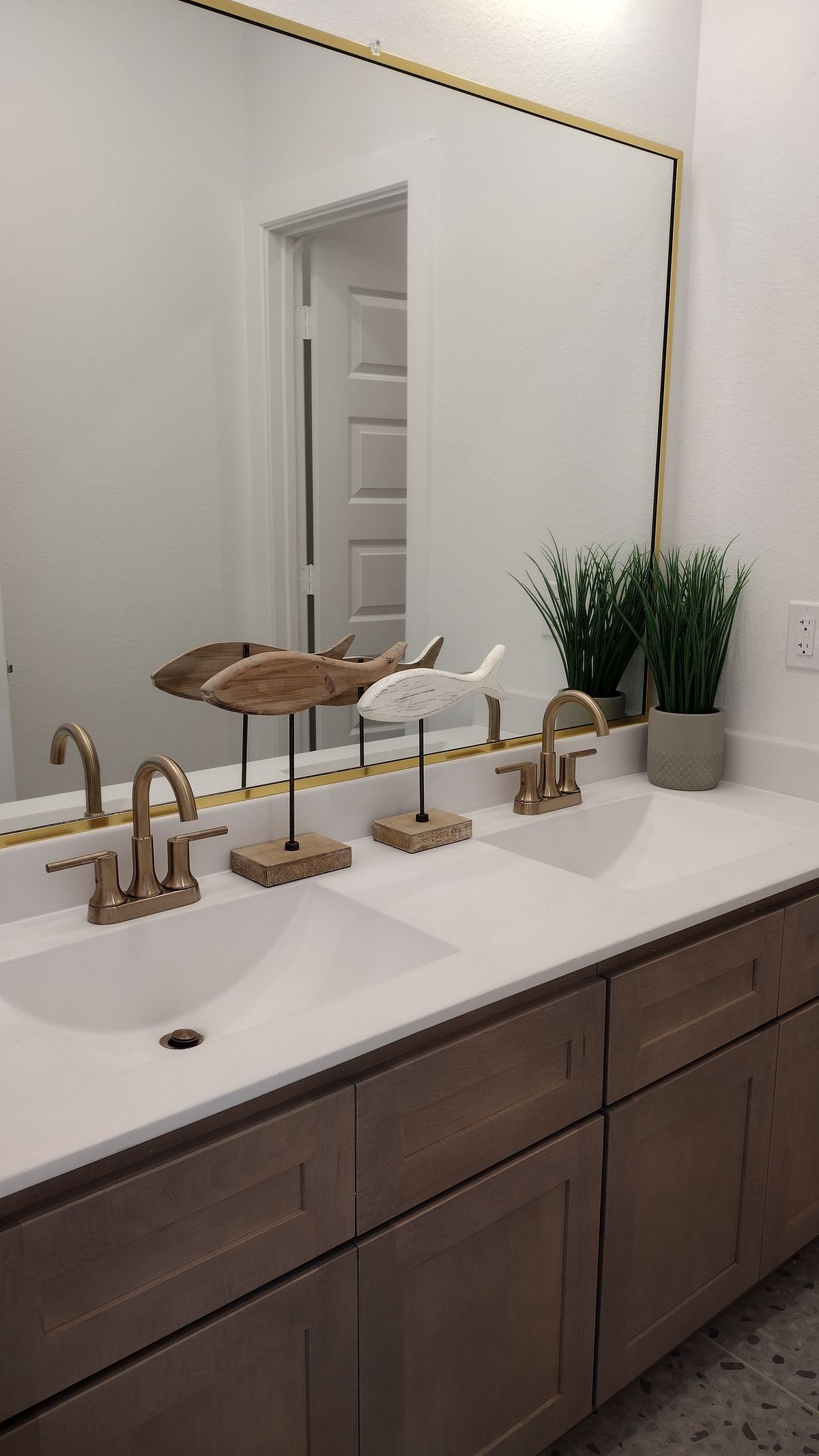
Getting a hardness test different between faucets in the same house almost always means the plumbing, not the test kit, is the variable. The usual causes are a kitchen cold line teed off before the softener, outdoor and utility taps left unsoftened on purpose, a bypass valve that is partly open or leaking, or a branch that was never connected. One mapping exercise tells you which.
The kit matters less than people assume. A strip or a drop test that agrees with itself on a repeat is telling you something real about that tap. If you haven't ruled out technique yet (hot water, a scaled aerator, a stagnant line), start with the sampling mistakes that shift a hardness reading. Everything below assumes the samples were drawn correctly and still disagree.
Hardness Test Different Between Faucets? Start With the Pattern
A single disagreeing number is a puzzle. The pattern across the whole house is the answer. Here is what each common pattern points to in a home with a softener:
| What you see | Most likely cause | Quickest check |
|---|---|---|
| Kitchen cold hard, kitchen hot soft, all other taps soft | Kitchen cold line teed off before the softener | Trace the ½-inch line at the softener inlet |
| Hose bibs and a basement sink hard, everything indoors soft | Outdoor and utility taps bypassed by design | Nothing to fix |
| Every fixture partly hard, by about the same amount | Bypass valve partly open, leaking, or a blend screw open | Test at the softener outlet |
| Every fixture fully hard | Softener in bypass, out of salt, or not regenerating | Check bypass position and brine tank |
| One bathroom or an addition hard, rest soft | That branch was plumbed from the raw side | Find where the branch leaves the main |
| Cold hard at every tap, hot soft everywhere | Softener feeds only the water heater | Look at which line the softener outlet serves |
In a home without a softener, cold taps should agree. They all share one service line. A real difference there usually means a filter, a fridge line or a reverse osmosis faucet at one tap, or you tested hot water, which can read lower because some hardness drops out as scale in the heater. Why heat pulls hardness out of solution is covered separately.
Map Every Fixture Before You Touch the Softener
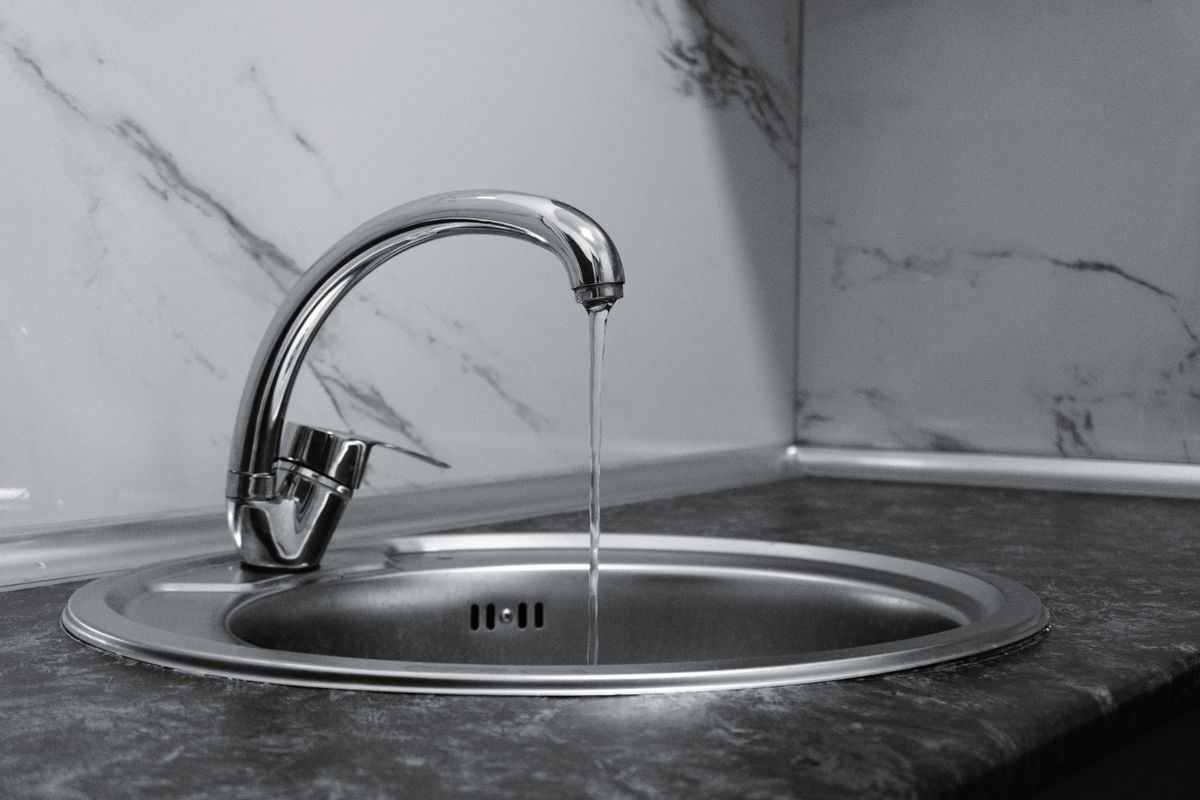
Resetting the softener or buying new resin won't fix a routing problem. Map the house first. It takes about an hour with a titration kit, less with strips.
- Get your reference numbers. Test raw water from a tap before the softener, then test the softener outlet directly. If the unit has a sampling port, use it. These two numbers are the ends of your scale.
- Draw the floor plan. A rough sketch per level is enough. Mark where the main enters and where the softener sits.
- Test hot and cold separately at every fixture. Include the kitchen, every bathroom sink and shower, the laundry, the fridge dispenser, every hose bib and any basement or garage sink. Run each line for 30 seconds first.
- Write each result on the plan and in a table like the one below.
- Retest any fixture that surprises you, on another day if possible.
A titration kit is the better tool here. Strips can't separate 0 from 1 gpg, and a bypass that is slightly open often shows up as exactly that: a grain or two everywhere. Why titration catches what strips miss explains the resolution gap.
| Fixture | Floor | Cold (gpg) | Hot (gpg) | Notes |
|---|---|---|---|---|
| Raw water (before softener) | Basement | 18 | — | Reference |
| Softener outlet | Basement | 0 | — | Reference |
| Kitchen sink | Main | 18 | 0 | Cold matches raw |
| Fridge dispenser | Main | 18 | — | Fed from kitchen cold |
| Main bath sink | Upper | 0 | 0 | |
| Laundry | Basement | 0 | 0 | |
| Front hose bib | Outside | 18 | — |
The readings in this table are illustrative, not measurements from a specific house. They show one common pattern: a kitchen cold line and a hose bib teed off before the softener.
Reading the Map: Where the Branch Point Is
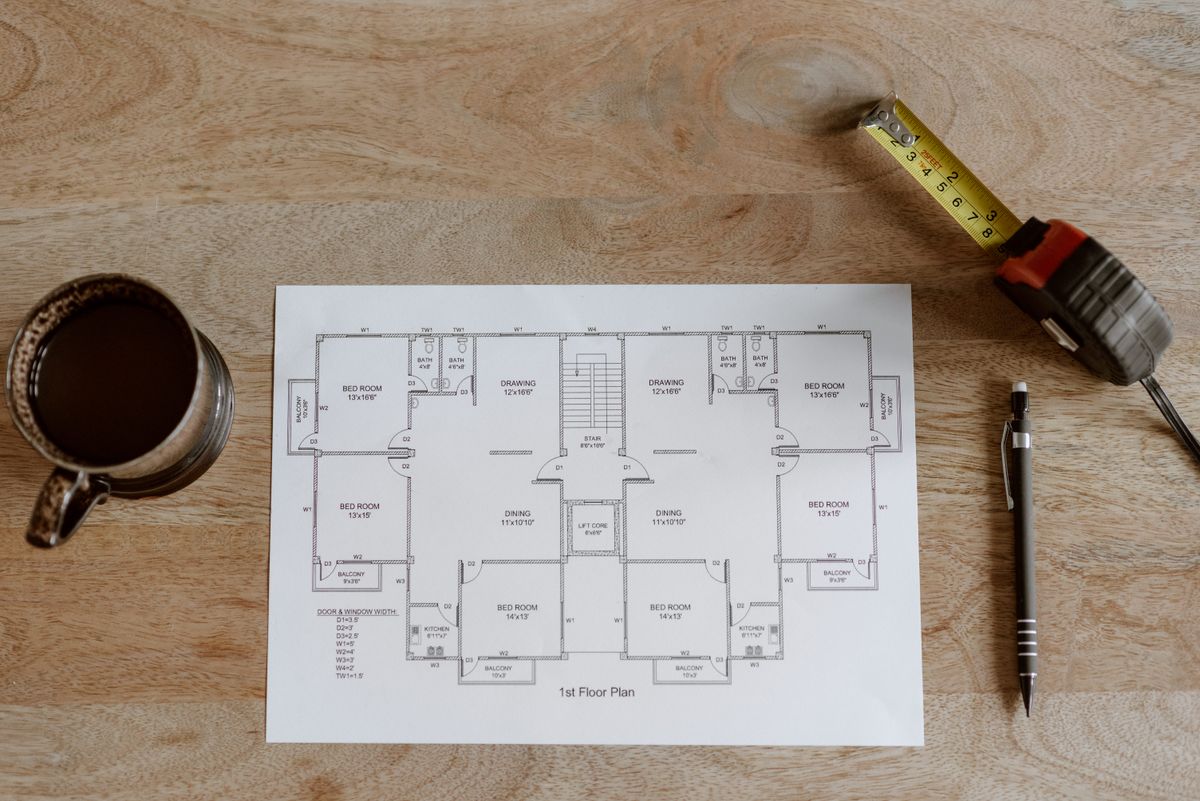
Once the numbers are on paper, look for the edge. Find where the hard fixtures stop and the soft ones start. The branch point sits between the last hard fixture and the first soft one on the same run.
Two groups, each at one of your reference numbers. This is a routing pattern. The hard fixtures share a pipe that leaves the main upstream of the softener. On the example map, the kitchen cold and the fridge sit at 18 gpg together, so they share one line. That's the classic kitchen bypass. In the Twin Cities, one home inspection firm estimates that about 80% of homes with softeners have unsoftened kitchen cold water. The tell-tale sign it describes is a ½-inch line with no shutoff valve, tapped off before the softener.
Every fixture at the same in-between number. If raw water is 18 gpg and every tap reads 4, the water isn't branching. It's blending. Something at the softener is mixing raw water into treated water: a bypass valve not fully in service, worn seals inside the bypass valve, or a hardness blend screw on the control valve that's been opened. Inspectapedia notes that leaky bypass valves usually need replacement O-rings, and that they often start leaking right after being moved for service.
Hot and cold disagree at every fixture. When cold is hard everywhere and hot is soft everywhere, the softener outlet feeds only the water heater. Some older installs were plumbed that way to protect the heater. The reverse is rarer. If the hot side is partly hard at taps downstream of a single-handle faucet or shower valve, check that fixture for a crossover. A worn cartridge can let unsoftened cold water push into the hot line.
One zone hard. A basement bathroom, an addition or a bar sink that tests hard while its neighbours test soft was usually tied into the nearest raw pipe when it was added. The branch is wherever that zone's supply joins the house main.
Intentional Bypasses You Shouldn't "Fix"
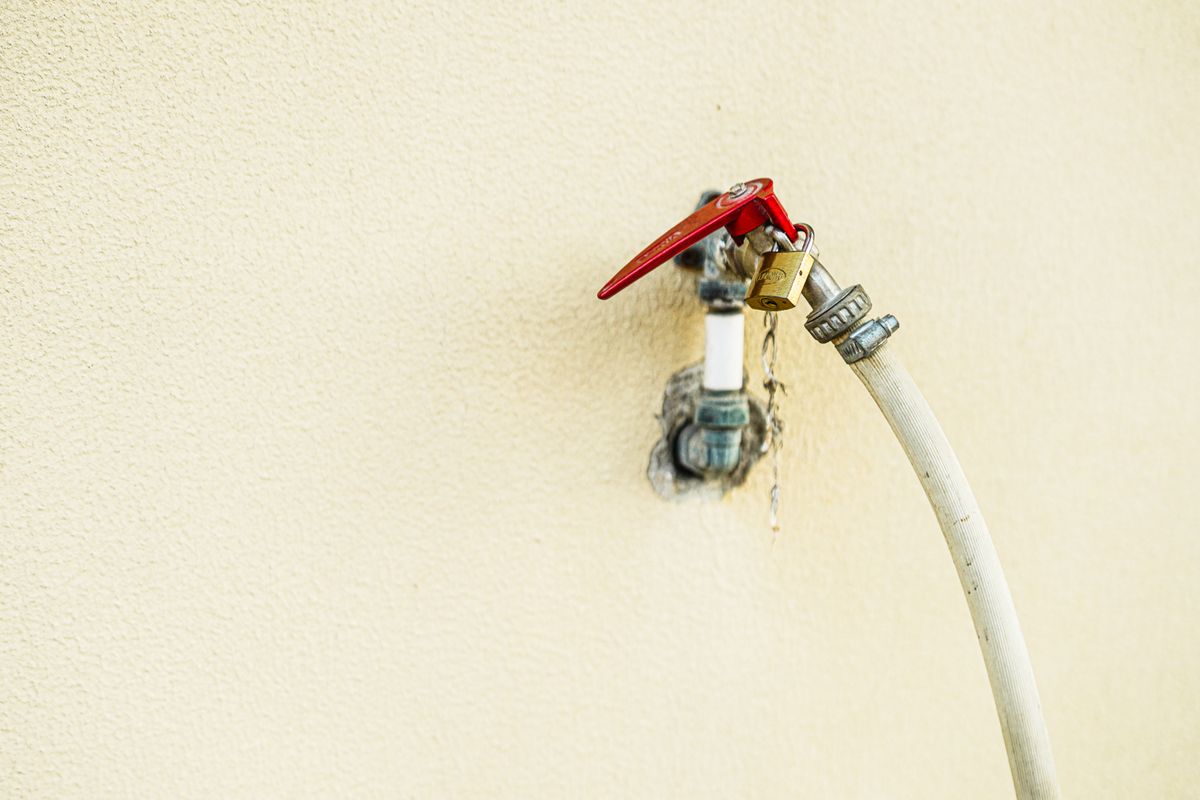
Not every hard tap is a mistake. Penn State Extension's water softening guidance says showers, sinks and laundry hookups should probably be softened, while toilets, outside spigots and basement sinks can be bypassed. There's no point spending salt and softener capacity on lawn water or a toilet tank.
So a hose bib at full raw hardness in a softened home is normal. A kitchen cold line at raw hardness may also be intentional. The installer or a previous owner wanted unsoftened drinking water. Whether to keep it is a trade-off. Hard water scales coffee makers, kettles and the fridge's ice maker, but it avoids the extra sodium that ion exchange adds. If you want soft water at the kitchen without that sodium, a reverse osmosis unit on the softened line is the usual answer. Rerouting the cold line to the softened side is a plumbing job, not a softener setting.
Confirming It at the Softener
The map tells you where to look, and the basement confirms it. Stand at the softener and trace three things:
- The inlet side. Any tee between the main shutoff and the softener inlet feeds raw water somewhere. Follow each one to see where it goes.
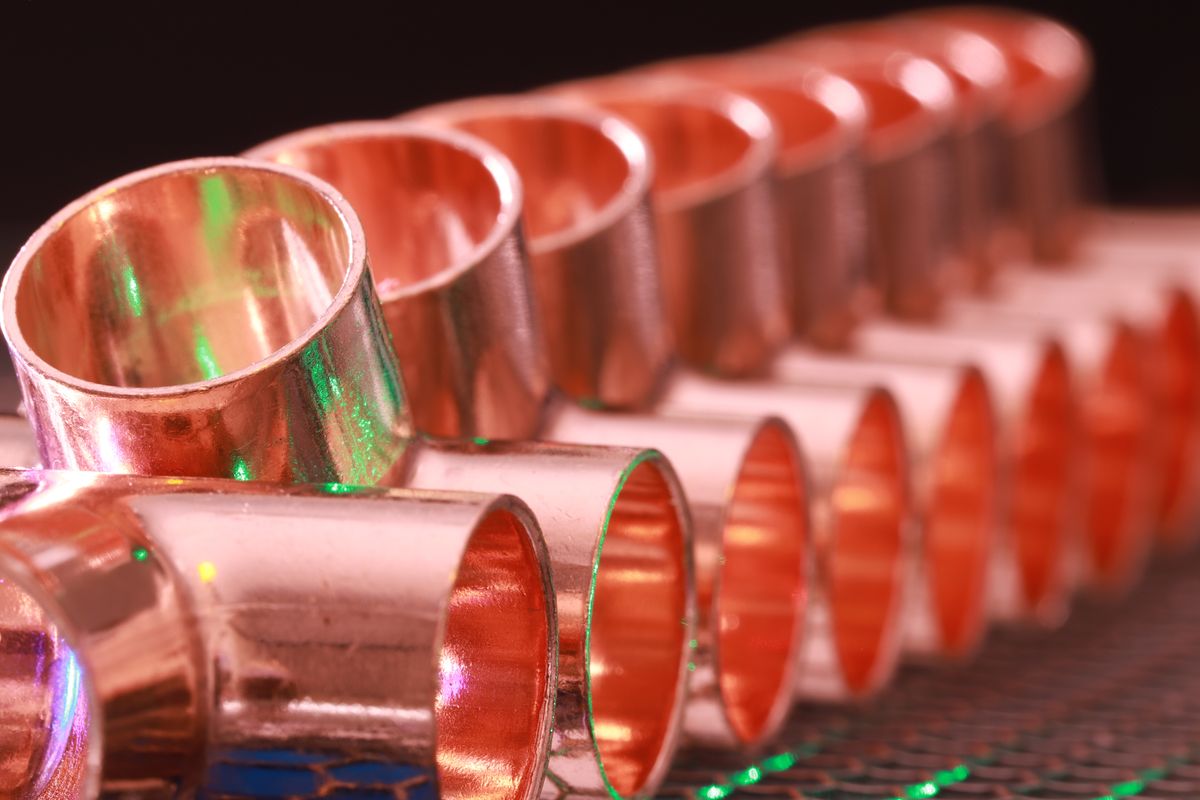
- The bypass. A push-button or lever valve on the softener head should be fully in the service position. On a three-valve copper loop, the middle bypass valve should be fully closed and both side valves fully open.
- The outlet. If the softener outlet tests soft and a fixture downstream tests hard, the softener is working. The water reaching that fixture never went through it.
Keep the map. If you later have a softener serviced, sized or replaced, the fixture-by-fixture record shows the installer exactly which lines are treated. It also becomes the baseline you retest against if a soft tap ever starts to drift.
What to Do Next
- Rule out sampling first. Cold water, no aerator, a flushed line. Then test raw water and the softener outlet as your two reference points, using the method in our guide to testing water hardness at home.
- Map every fixture, hot and cold, on a floor plan.
- Match the pattern to the table above. Two groups points to a routing branch. A uniform in-between number points to blending at the softener. Fully hard everywhere points to the softener itself.
- Decide what to change. Leave bypassed hose bibs alone. Reroute a kitchen or bathroom line only if you actually want it softened, and replace bypass O-rings if the outlet itself tests partly hard.
Frequently Asked Questions
Why is my kitchen sink water hard but the rest of the house is soft?
Most often because the kitchen cold line was deliberately teed off before the softener so the household has unsoftened water for drinking and cooking. It is standard practice in some regions. Test the kitchen hot and cold separately: if the hot side is soft and the cold side matches your raw water, the cold line bypasses the softener by design, not by fault.
Why is my hot water soft but my cold water hard?
If the cold is hard at every fixture, the softener is probably only feeding the water heater. Some older installations were plumbed that way to protect the heater and save salt. If the cold is hard at only one or two fixtures, those cold lines branch off before the softener. Either way, test the cold water at the softener outlet: if it is soft there, the problem is downstream routing, not the softener.
Should outdoor faucets get softened water?
Usually not. Penn State Extension notes that toilets, outside spigots and basement sinks can be bypassed, which saves salt and softener capacity on water nobody needs softened. That is why a hose bib often tests at full raw hardness in a softened home, and it is not a sign of a problem.
How can I tell if my water softener bypass valve is open?
Look at the valve on the back of the softener head. Many push-button styles are marked for service and bypass, some valves show arrows, and on a three-valve copper loop the bypass valve between the inlet and outlet should be fully closed. Then test the softener outlet directly. Soft water there with hard water at every fixture points elsewhere, while partial hardness at the outlet points to a bypass that is partly open or leaking internally.
Can water hardness vary between faucets if I don't have a softener?
Not by much on the cold side. Every cold tap in an untreated house is fed from the same service line, so readings should agree within the error of the test. Real differences usually come from a filter or reverse osmosis unit at one tap, from testing a hot tap, which can read lower after scale drops out in the water heater, or from a sampling mistake such as testing through a scaled aerator.