
How Chlorine Damages Water Softener Resin
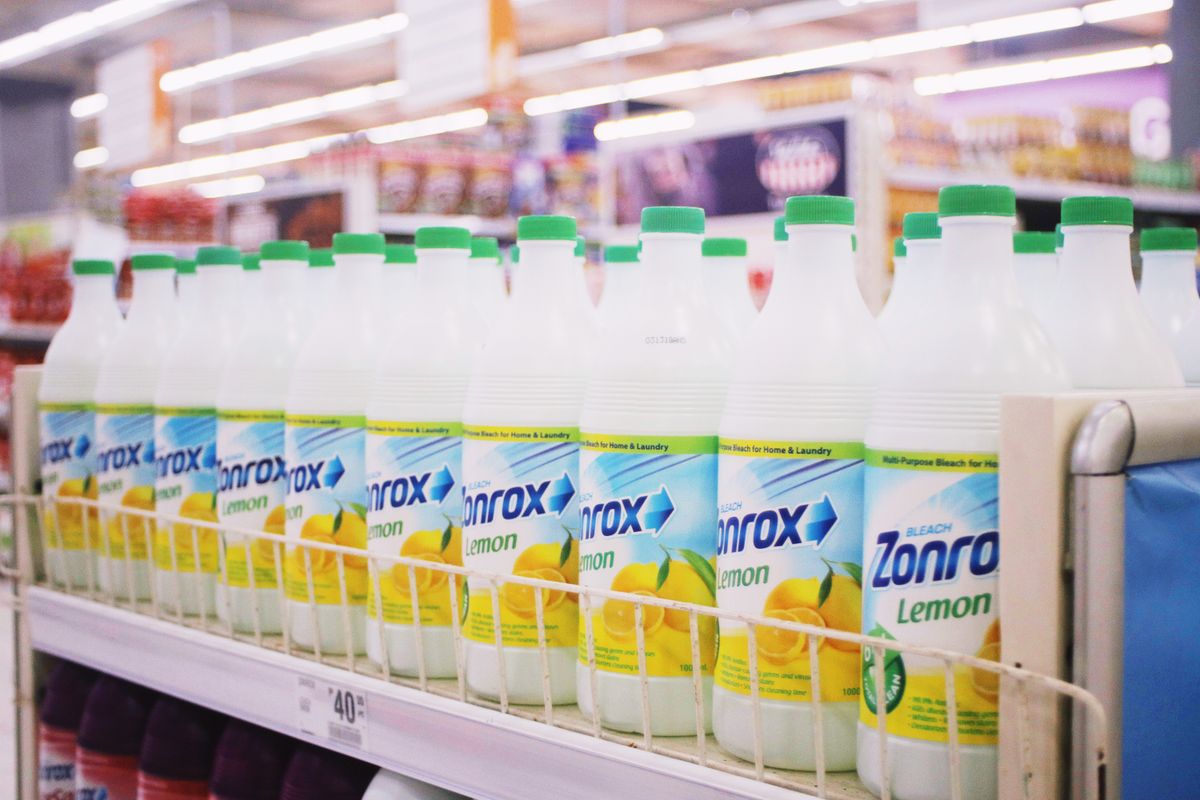
Chlorine damages water softener resin by breaking the divinylbenzene cross-links that hold each bead rigid. The bead swells, loses capacity per unit volume, packs tighter against its neighbours, and eventually fractures. It is structural damage to the polymer, so no cleaner reverses it and no regeneration recovers it.
The important part is that all of this happens silently. By the time a tap goes hard, the bed has been degrading for years — and every stage before that is detectable if you know where to look.
How Chlorine Damages Water Softener Resin: The Six Stages
The sequence is predictable, which means each stage has a matching check.
| Stage | What is happening | Detectable by |
|---|---|---|
| 1. Exposure | Residual chlorine reaching the bed | Utility report, or a free and total chlorine test |
| 2. Cross-link loss | Beads softening, taking on water | Squeeze test on a bead sample |
| 3. Capacity decline | Fewer exchange sites per litre of bed | Falling gallons between regenerations |
| 4. Physical packing | Swollen beads compressing | Rising pressure drop, weak flow with two fixtures open |
| 5. Fracture | Beads breaking, fines migrating | Debris in aerators and fixtures |
| 6. Breakthrough | Hardness at the taps | The hardness test — the last stage, not the first |
Most households discover this at stage six. Everything above it was available years earlier and costs almost nothing to check. The mechanism, the life-expectancy figures at each residual level, and the carbon sizing that prevents all of it are covered in chlorine taste after a water softener; this article is about the detection side.
Step One: Find Out What Your Resin Is Actually Drinking
You cannot estimate your resin's life without knowing your residual, and almost nobody knows theirs.
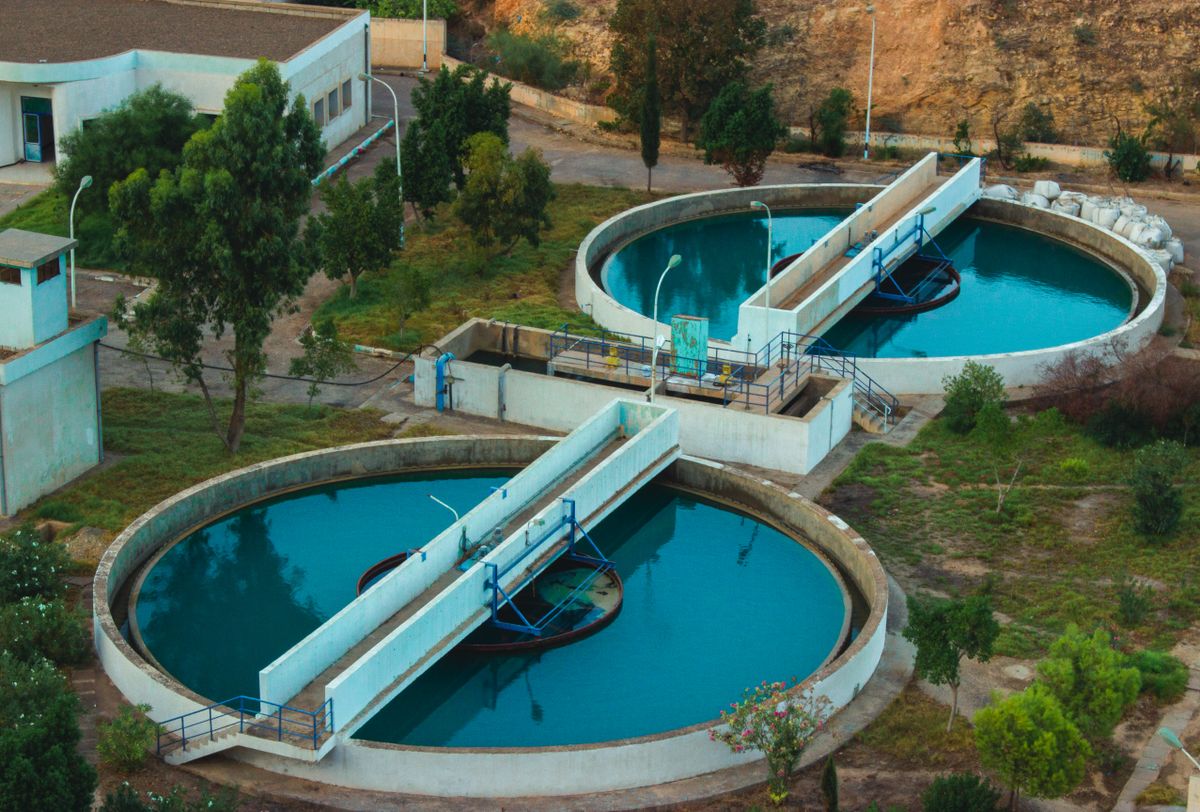
Source one: your utility's annual report. Every community water system in the United States publishes a Consumer Confidence Report, and the EPA's CCR reporting page explains how to find yours. It will tell you which disinfectant is used and the range of residual measured across the year. That last detail matters — a system reporting a range of 0.5 to 2.4 mg/L is not a 0.5 mg/L system.
Source two: a test at your own tap. The report describes the system, not your house. Residual falls with distance from the treatment plant and with time in the pipe, so a property at the end of a long main can see meaningfully less than one near the plant. Buy a kit that reads free and total chlorine separately — the difference between the two numbers is your combined chlorine, and a large gap indicates chloramine.
Source three: the seasonal question nobody asks. Utilities adjust dosing, and many run a temporary free chlorine conversion — often called a chlorine burn — for a few weeks each year to clear the distribution system. During that period a chloramine supply becomes a free chlorine supply at an elevated residual. Ask your utility when theirs runs. A bed exposed to one of those every spring is ageing faster than an annual average suggests.
What to do with the number:
| Your measured residual | What it implies for an unprotected bed |
|---|---|
| Non-detect | Chlorine is not your problem; look at fouling instead |
| 0.2–0.5 mg/L | Slow damage, noticeable over a decade |
| ~1 mg/L | Expect roughly half the published bed life |
| 2 mg/L or above | Treat the resin as a consumable, or fit carbon |
| Chloramine at any level | Persistent exposure; carbon pretreatment is the sensible default |
Those planning figures derive from the pattern reported across the resin industry, set out in Ecolab Purolite's technical note on factors affecting softening resin performance and life. The EPA's summary of the Stage 1 and Stage 2 disinfectants and disinfection byproducts rules explains why utilities carry a residual at all, and why chloramine use keeps growing.
Step Two: The Squeeze Test

This is the check that distinguishes oxidative damage from fouling, and it takes about five seconds once you have a sample in your hand. The sampling procedure — bypass, depressurise, unthread the control valve, draw beads from the top of the bed — is set out step by step in water softener resin fouling.
What healthy resin does. A fresh bead is firm. Pressed between finger and thumb it resists, and under real pressure it fractures cleanly rather than flattening. It is a small hard sphere and it behaves like one.
What oxidised resin does. It deforms. A bead that has lost a significant share of its cross-links squashes under thumb pressure like a soft gel bead, and may smear rather than break. The bed as a whole feels slicker and more compressible than it should.
What to look at alongside the squeeze:
- Whole-bead count. Spread the rinsed sample in a white dish and estimate what fraction are intact spheres against fragments and half-beads. A bed running at well under three quarters whole beads is in physical decline.
- Size and swelling. Oxidised beads are visibly larger than fresh resin of the same grade. If you have a sample of new media to compare against, the difference is obvious.
- Colour. Oxidation does not usually change colour dramatically — the beads stay amber. Strong discolouration points at fouling, not chlorine, and that is a different problem with a different fix.
The distinction that saves money: soft beads with normal colour means oxidation, which cleaner cannot help. Firm beads with heavy colour means fouling, which cleaner sometimes can. Buying a resin cleaner without doing the squeeze test is how people spend money on a bed that was never going to respond.
Step Three: Read the Capacity Trend
Oxidative damage is gradual and linear, which makes it one of the easier failures to see coming in a log.
What it looks like in the numbers. Gallons treated between regenerations falling steadily, a few percent at a time, with no sudden steps and no recovery after cleaning. Salt consumption rising to match, because a demand-initiated head compensates by regenerating more often.
What it does not look like. A sudden drop overnight, a figure that bounces up and down week to week, or capacity that recovers after a resin cleaner treatment. Those patterns belong to salt bridges, meter faults, setting changes or recoverable fouling.
| Capacity pattern | Points at |
|---|---|
| Steady linear decline over years, no recovery | Oxidative damage |
| Decline that partly recovers after cleaner | Iron or manganese fouling |
| Sudden step down, then stable | Setting change, resin loss, household change |
| Erratic week to week | Channeling or a brining fault |
How to take these readings consistently, and how to build the log if you do not have one, is covered in how to check if your water softener is working. The longer-term interpretation — including the point at which the capacity loss justifies replacement — is in water softener resin life and when to replace it.
One supporting signal worth watching: pressure drop. Swollen beads pack tighter and restrict flow, so a house that has quietly lost pressure when two fixtures run together, with no scale and no clogged aerators to explain it, is consistent with a degrading bed.
What Protects a Bed, and What Only Appears To
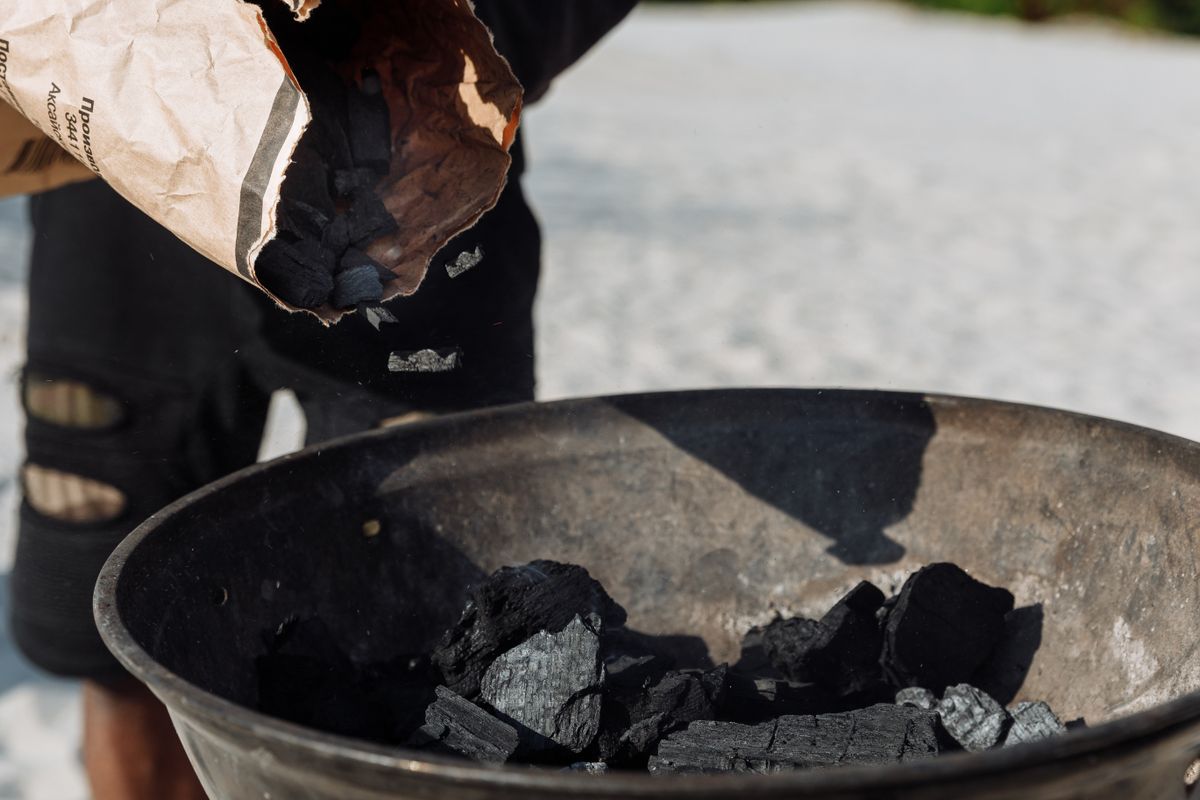
Activated carbon ahead of the softener. The only intervention that addresses the cause. Free chlorine is removed readily by standard granular activated carbon at normal contact times. Chloramine is not — it needs catalytic carbon and roughly double the empty bed contact time, which in practice means a physically larger vessel. Undersizing here is the most common mistake, and it produces a filter that works for a few weeks and then breaks through. The sizing logic and placement are covered in detail in chlorine taste after a water softener.
Higher cross-link resin. Commonly 10 percent divinylbenzene instead of the standard 8 percent. More cross-links means more structure to lose before failure, which genuinely buys years. It costs more per cubic foot, and it slows the damage rather than preventing it — on a chloramine supply it belongs alongside carbon, not instead of it.
Things that do not protect the bed, despite being suggested:
- More frequent regeneration. Brine does not repair cross-links. Extra cycles are extra mechanical work on beads that are already weakening.
- Premium salt. Salt quality affects brining and the tank, not oxidation.
- Resin cleaner. Formulated for iron and manganese. It has no mechanism for oxidative damage.
- A point-of-use filter at the kitchen tap. It sits downstream of the softener. The bed sees the chlorine first regardless.
- A sediment prefilter alone. Valuable for silt, irrelevant to dissolved chlorine.
The one economic comparison worth making. Price whole-house carbon — vessel, media, and its periodic media change — against the cost of a re-bed at the interval your residual implies. On a 2 mg/L supply where a bed is failing every three to five years, carbon usually wins comfortably. On a supply at 0.3 mg/L, it often does not, and the honest advice is to skip it. Certification for chlorine reduction claims sits under NSF/ANSI Standard 42, which is worth checking against a specific model rather than a brand.
What to Do, In Order
- Get your utility's chlorine figures from the annual Consumer Confidence Report, including which disinfectant they use.
- Test at your own tap with a kit that reads free and total chlorine separately. The gap between them tells you whether chloramine is present.
- Ask the utility about seasonal conversions. An annual free chlorine period changes the arithmetic.
- Pull a bead sample and do the squeeze test. Soft beads with normal colour means oxidation.
- Estimate the whole-bead fraction in a white dish. Well under three quarters intact is a bed in physical decline.
- Check your capacity trend. Steady, non-recovering decline is the oxidation signature.
- Do not buy resin cleaner if the squeeze test says oxidation. It cannot help.
- Price carbon pretreatment against re-bed frequency at your measured residual, and make the call on those two numbers.
- Size carbon for chloramine if you have chloramine — catalytic media, and roughly double the contact time.
- Fit the carbon before, not after, replacing the resin. A new bed installed on unprotected chlorinated water starts the clock again immediately.
The useful reframing is that chlorine damage is not a fault to be diagnosed after the fact. It is a known rate of consumption, and once you know your residual you can predict it, price it, and decide whether to pay for carbon or pay for resin.
Frequently Asked Questions
How does chlorine damage water softener resin?
Chlorine oxidises the divinylbenzene cross-links that hold each polystyrene bead rigid. As those cross-links break the bead loses structure, takes on water and swells, so the same tank volume holds more water and less exchange capacity. Swollen beads pack tighter, pressure drop rises, and eventually the beads deform and fracture. The process is chemical damage to the bead itself, which is why no cleaner reverses it and why replacement is the only remedy once capacity has gone.
How do I know if chlorine is damaging my softener resin?
Three checks, none of which require a service call. First, find your actual chlorine residual from your utility's annual report or a free and total chlorine test kit at the tap. Second, watch the gallons treated between regenerations over several months, because oxidative damage shows up as falling capacity long before any tap reads hard. Third, pull a bead sample and press it between finger and thumb — healthy resin is firm and resists, while degraded beads deform or crush.
How much chlorine is too much for a water softener?
There is no clean threshold, because the effect is cumulative rather than triggered. Resin manufacturers and treatment specialists report that roughly each 1 mg/L of residual halves expected bed life, so a supply at 2 mg/L can take a bed that should last a decade down to three to five years. Any measurable free chlorine is doing some damage. The practical question is not whether your level is safe for the resin but whether carbon pretreatment is cheaper than replacing the bed on that schedule.
Is chloramine worse than chlorine for softener resin?
In practice yes, though not because it is a more aggressive oxidiser at the same concentration. Chloramine is far more persistent in distribution, so it arrives at your house at a meaningful residual instead of having decayed on the way, and it keeps working on the bed for longer. It is also much harder to remove, needing catalytic carbon and roughly double the contact time that free chlorine requires. Find out which one your utility uses before buying any filter.
Can chlorine-damaged resin be cleaned or restored?
No. Fouling sits on the bead and can sometimes be dissolved off, but oxidation breaks the polymer structure inside it, and nothing restores a broken cross-link. Resin cleaner sold for iron and manganese has no effect on oxidative damage. Once capacity has fallen materially from chlorine exposure the bed has to be replaced, and it should be replaced with carbon pretreatment in place, or the new bed follows the old one on the same timetable.
What is chlorine-resistant softener resin?
Resin manufactured with a higher proportion of divinylbenzene cross-linking, commonly 10 percent instead of the standard 8 percent. The extra cross-links give the bead more structure to lose before it fails, which buys additional years on a chlorinated supply. It costs more per cubic foot and it slows the damage rather than stopping it, so on a high-residual or chloramine supply it is a complement to carbon pretreatment rather than a substitute for it.