
Scale in Kettles, Coffee Makers and Steam Irons
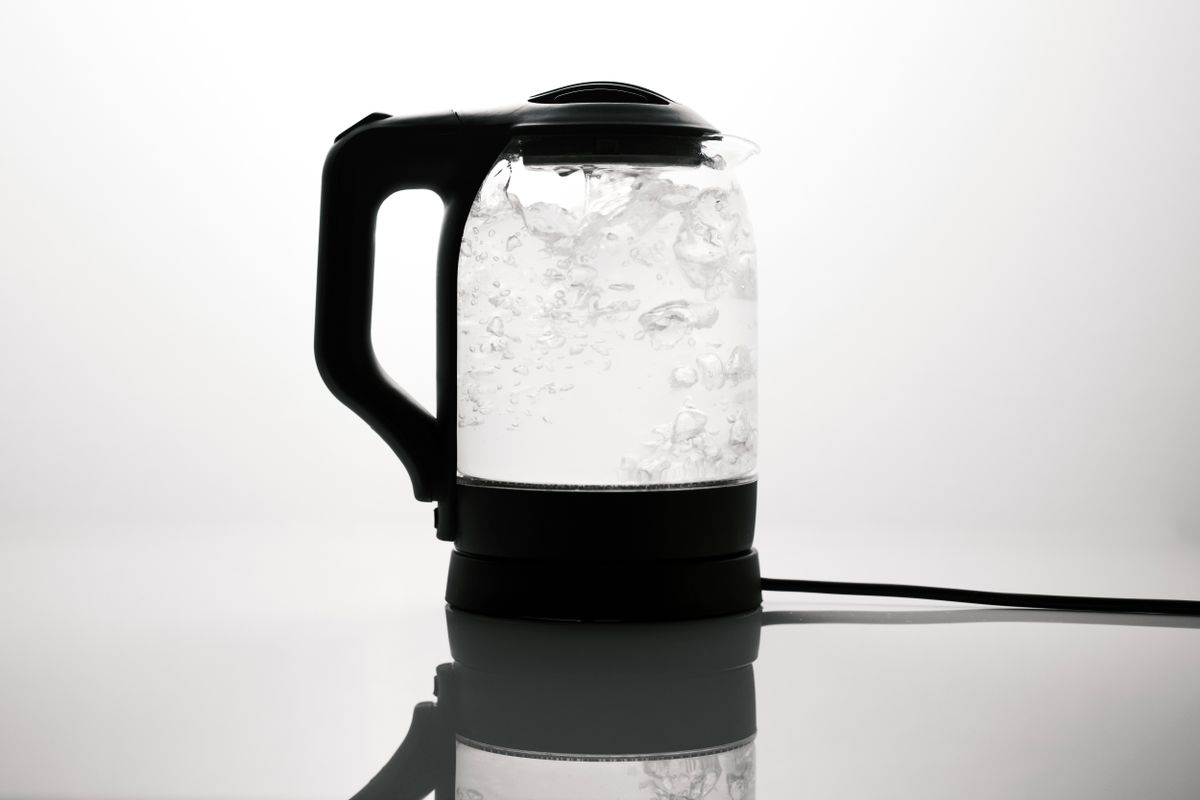
Limescale in kettle and coffee maker interiors appears before scale anywhere else in the house, and the reason is straightforward: these appliances heat small volumes of water hard and fast, and calcium carbonate becomes less soluble as water gets hotter. A kettle is effectively a hardness concentrator that you run several times a day.
That makes small appliances useful. The rate at which yours re-scales after a clean is a free, continuously updating measure of what your water is doing to everything else — including the parts of your plumbing you cannot inspect.
Why Heated Appliances Scale First
Most dissolved solids become more soluble as water warms. Calcium carbonate is one of the exceptions — it comes out of solution as temperature rises. This is why the hot side of a house always scales before the cold side, and why anything that boils water scales fastest of all.
Three things make small appliances the worst case:
Temperature. A kettle takes water to 212°F. A steam iron's chamber runs well above that. Deposition accelerates sharply through this range, so a kettle deposits far more per gallon than a water heater at 120°F does.
Concentration by evaporation. Every time water boils away rather than being poured out, the minerals it carried stay behind. A kettle habitually boiled and half-emptied concentrates its remaining water with each cycle. This is why the person who tops up rather than emptying gets scale twice as fast as their neighbour on identical water.
Surface area at temperature. The element or plate is the hottest surface in the appliance and it is where nucleation starts. Once a rough scale layer exists, it seeds further deposition more readily than smooth metal did — which is why the second month of buildup is faster than the first.
The same mechanism drives the deposits that block showerheads and the sediment that collects in a water heater. Small appliances just get there first, and they let you watch it happen.
Limescale in Kettle and Coffee Maker: Descaling Intervals by Hardness
Almost every descaling guide gives one number — "every one to three months" — for water that varies by a factor of ten between households. This table uses your actual grain count instead. If you do not have one yet, testing hardness at home takes about five minutes.
Intervals below assume typical use: a kettle boiled three to five times daily, a coffee maker run once daily, an iron used weekly.
| Hardness | Kettle | Drip coffee maker | Espresso machine | Steam iron |
|---|---|---|---|---|
| Under 3 gpg (soft) | Every 4–6 months | Every 6 months | Every 3 months | Twice a year |
| 3–7 gpg (moderate) | Every 3 months | Every 3 months | Every 6–8 weeks | Every 3 months |
| 7–10 gpg (hard) | Every 6–8 weeks | Every 6–8 weeks | Monthly | Every 6–8 weeks |
| 10–15 gpg (hard) | Every 4–6 weeks | Monthly | Every 3 weeks | Monthly |
| Over 15 gpg (very hard) | Every 3–4 weeks | Every 3 weeks | Every 2 weeks | Every 3 weeks — or use distilled |
| Softened supply | Every 9–12 months | Annually | Every 4–6 months | Annually |
Three adjustments to apply to your row:
- Heavy use shortens everything. Double the boil count, halve the interval. Scale tracks volume through the appliance, not days on a calendar.
- Espresso machines are the outlier. Higher pressures, narrower passages, and a boiler that stays hot between shots means they scale on a schedule of their own, and blocked group heads are far more disruptive than a crusty kettle.
- Topping up beats everything else for making it worse. Emptying a kettle after each use rather than reboiling the remainder is the single most effective free change on this page.
Calibrate the table to your own kitchen once, and it becomes accurate: descale everything, mark the date, and note when visible deposit returns. If it beats the interval above, move up a band — your water is harder than your test suggested, or your usage is heavier than assumed.
Kettles: Easiest to Fix, Best Diagnostic
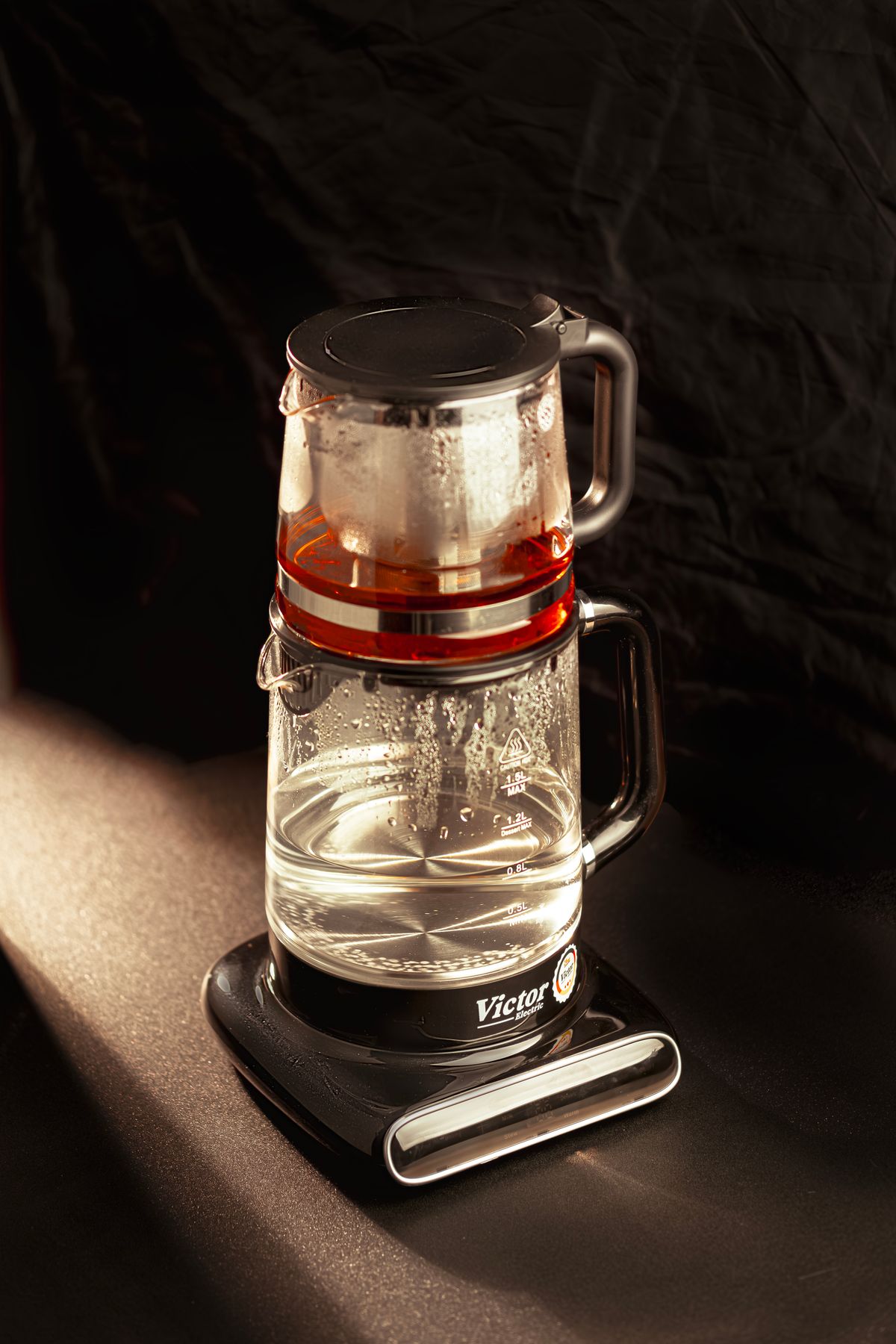
A kettle is the appliance you can actually see inside, which makes it your reference instrument.
Descaling, stainless or glass: fill to a third with equal parts white vinegar and water, or a tablespoon of citric acid powder in a pint of water. Bring to the boil, switch off, leave one hour. Pour out, scrub the base with a soft brush, then boil two full loads of clean water and discard both. Heavy deposit may need a second pass — that is normal, and it is a signal to shorten your interval rather than to scrub harder.
What the regrowth rate tells you. Descale, then check the base weekly with a fingertip. Roughness returning within two weeks means water above roughly 15 grains; a month means 7 to 10; three months means you have soft water and can stop worrying about most of this article. This is the same regrowth-rate reasoning that makes scale returning around faucet aerators a usable hardness gauge.
One thing not to do: do not scrape the element or base with anything metal. Scratches give the next round of deposit more to grip, and on a coated element they shorten its life outright.
Coffee Makers: Taste Changes Before You See Anything
The coffee case differs from the kettle case in a way worth understanding.
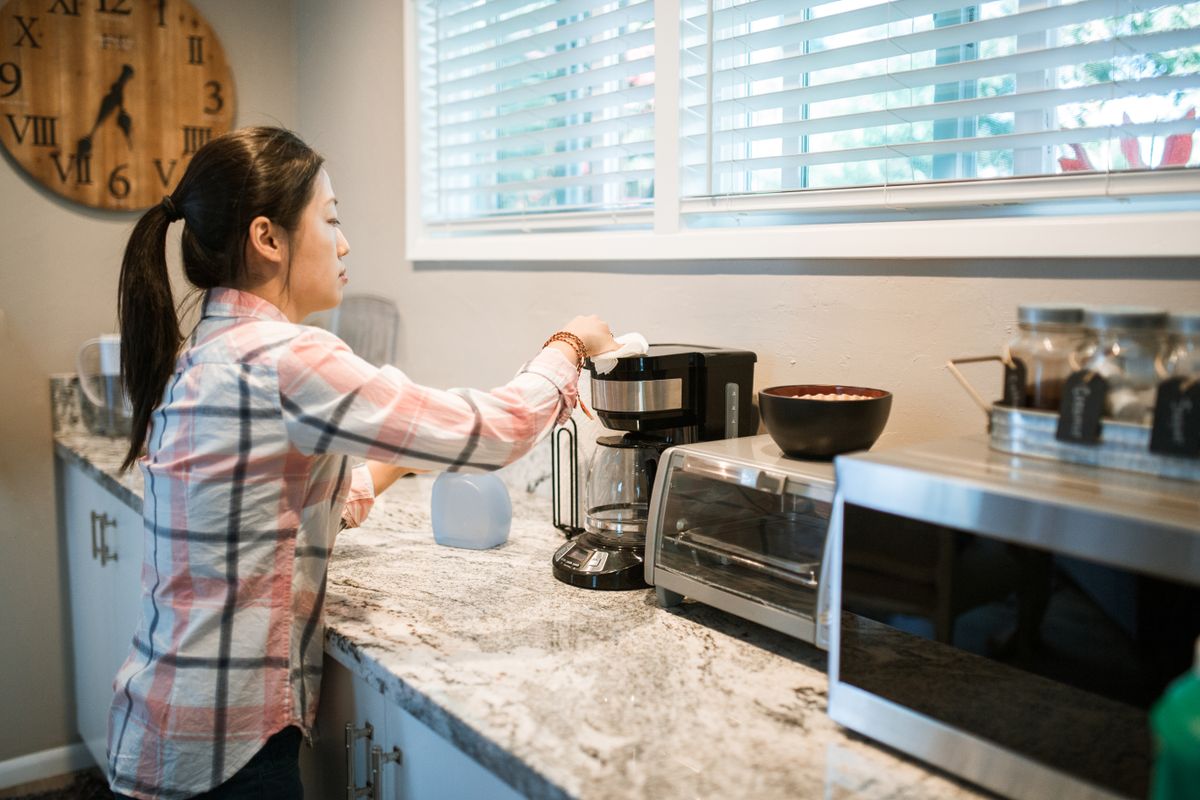
A drip machine's problem is not usually a visible crust — it is a narrowing of the thin aluminium or steel tube that carries water from the reservoir past the heating element. As that tube constricts, brew temperature falls and cycle time lengthens. The result reaches you as taste well before it reaches you as a fault: under-extracted, sour, thin coffee from a machine that appears to be working.
The diagnostic is timing. Note how long a full carafe takes on a freshly descaled machine. When that time has grown by roughly a quarter, descale — regardless of what the calendar says.
Now the part that complicates the advice. Hardness is not purely the enemy in coffee. Calcium and magnesium ions participate in extraction, binding to flavour compounds and pulling them out of the grounds. Water with essentially no mineral content tends to brew flat and hollow. The specialty coffee industry has settled on a target band well above zero, and that band sits comfortably inside what most people would call moderately hard water.
So the honest guidance for a coffee household is not "remove everything":
- Untreated hard water above 10 grains: scale is the dominant problem. Descale on the table above, or filter for the machine.
- Moderate water, 3 to 7 grains: close to ideal for brewing. Descale quarterly and otherwise leave it alone.
- Fully softened water: good for the machine, often disappointing in the cup. Sodium does not do what calcium and magnesium do for extraction.
- Reverse osmosis water: worst of both for flavour unless remineralised — it brews flat and, being aggressive, is not kind to boilers either.
This is the strongest practical argument for keeping one unsoftened tap in the kitchen, which many households on softened supplies do anyway for drinking water. It costs a plumber an hour at installation and nothing afterwards.
Steam Irons: Why They Spit White Flakes
An iron behaves differently from every other appliance here, and the difference explains the symptom people search for.
A kettle boils. Water and element sit in contact, temperature rises through 212°F, bubbles form gently, and scale accumulates as a crust that stays where it formed.
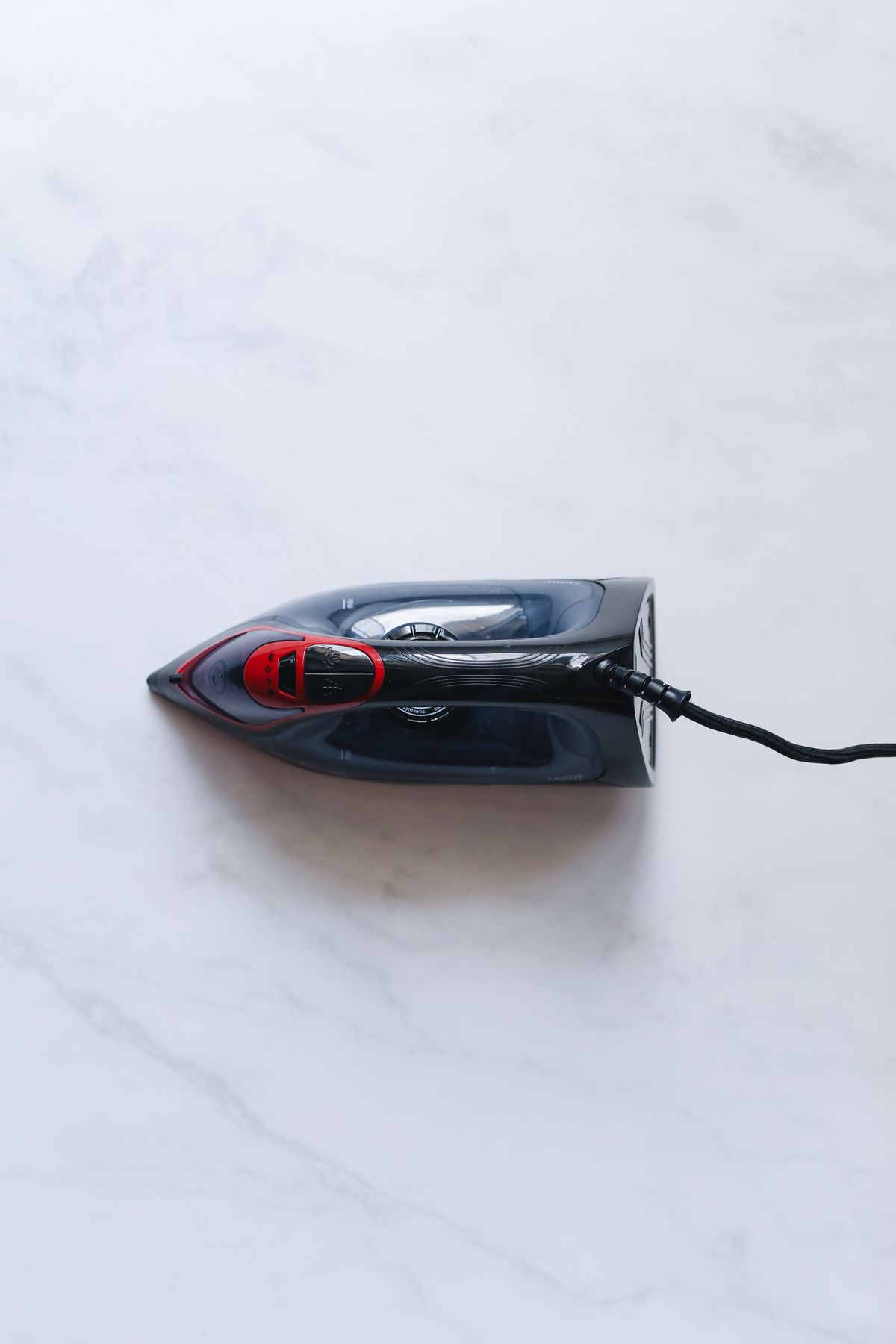
A steam iron flash-boils. Water is metered in droplets onto a chamber surface running far above boiling point, where it vaporises almost instantly. That instantaneous phase change is violent at small scale: it produces a pressure pulse that mechanically lifts loose deposit off the chamber wall and drives it out through the soleplate vents.
That is why an iron delivers scale onto your shirt while a kettle merely stores it. The white flakes are not a different substance from kettle scale — they are the same calcium carbonate, being ejected rather than accumulated. Brown or rust-tinted spitting is a later stage, and it usually means corrosion inside the chamber rather than fresh hardness.
Practical consequences:
- Descale an iron at the first flake, not on a schedule. By the time flaking is routine, the chamber is well coated and the self-clean cycle will not clear it in one pass.
- Use the self-clean function as designed. Fill to the line, heat fully, hold the iron over a sink and hold the self-clean button. Expect discoloured water and debris. Repeat until it runs clean, then iron an old cloth to dry the plate and vents.
- Empty the tank after every session. Water left standing in a hot-then-cooling chamber deposits as it evaporates. This one habit roughly halves the descaling frequency.
- Check the manual before reaching for vinegar. Several major iron manufacturers advise against acetic acid because it can attack internal seals and coated soleplates. Where the manual is silent, citric acid diluted per the appliance instructions is the lower-risk choice.
The aluminium point. Aluminium components — common in iron chambers, older kettle elements and the boiler tubes of many drip coffee makers — are attacked by acids in a way stainless steel is not. Acetic acid pits aluminium; prolonged contact dulls and weakens it. Two rules follow: never leave any acid standing overnight in an appliance you have not confirmed is acid-safe, and prefer citric acid or a proprietary descaler containing corrosion inhibitors where aluminium is or may be present. Proprietary descalers cost more per use than vinegar and exist largely to solve this problem.
Choosing a Descaler
| Agent | Best for | Avoid in | Notes |
|---|---|---|---|
| White vinegar | Stainless and glass kettles, heavy visible deposit | Aluminium boilers, ceramic soleplates, sealed espresso groups | Cheapest and most aggressive. Rinse thoroughly — the taste lingers |
| Citric acid powder | Almost everything, including coffee makers and irons | Nothing common | Odourless, rinses clean, gentler on seals. The sensible default |
| Proprietary descaler | Espresso machines, appliances under warranty | — | Buffered and inhibited for mixed metals. Follow the dose exactly |
| Lemon juice | Light deposit, in a pinch | Anything you care about | Weak, inconsistent, and leaves sugars behind. Not worth it |
If your goal is to stop dealing with this at all rather than to schedule it better, that is a whole-house treatment decision. Softening works by exchanging the calcium and magnesium for sodium, which the EPA sets out in its explanation of cation exchange water softeners — and it is worth knowing hardness itself is a nuisance parameter rather than a health one, covered by the EPA's secondary drinking water standards. If you go the filter route instead, look for the relevant certification: NSF explains which standard covers what, and scale control is not the same claim as contaminant reduction.
What to Do Next
- Get a hardness number. Every interval on this page depends on it, and guessing puts you a band or two out.
- Descale all three appliance types this week, and write the date on a piece of tape inside a cupboard door. That is your baseline.
- Watch the kettle for regrowth and use it to calibrate the table to your actual water. It is the only one of the three you can inspect.
- Stop topping up the kettle and start emptying the iron after each use. Two free habits that beat any descaling product.
- Switch to citric acid unless you are certain your appliance is happy with vinegar. It costs a little more and removes the two ways this job goes wrong.
Frequently Asked Questions
How often should you descale a kettle in hard water?
Let your grain count set the interval rather than a calendar rule. Above 15 grains per gallon with daily use, every three to four weeks; between 7 and 15 grains, every six to eight weeks; below 7 grains, quarterly. The reliable signal is visual — run a finger inside the base and descale when you can feel roughness rather than waiting to see a crust. Scale that you can see has already been there a while, and thick deposit takes several descaling cycles to remove instead of one.
Is vinegar or citric acid better for descaling?
Citric acid is the better default. It is nearly odourless, rinses clean without the lingering taste that ruins the next two cups of tea, and it is gentler on rubber seals and aluminium than acetic acid at equivalent strength. White vinegar is cheaper, more aggressive on heavy deposit, and perfectly fine in a stainless or glass kettle. Use citric acid in anything with an aluminium boiler, a ceramic coating, or rubber seals you cannot see — which covers most coffee makers and nearly every steam iron.
Why does my steam iron spit white flakes onto clothes?
Because a steam chamber flash-boils water rather than simmering it. Water hits a surface well above boiling point, vaporises instantly, and the pressure pulse that follows lifts loose scale off the chamber wall and pushes it out through the soleplate vents. A kettle boils gently by comparison, so its scale stays put and forms a crust. That difference in mechanism is why an iron delivers deposits onto your shirt while a kettle merely accumulates it — and it is why an iron needs descaling on the first flake, not the tenth.
Does descaling damage appliances?
Descaling correctly does not. Descaling carelessly can. The three ways to cause damage are leaving acid standing overnight in an appliance with aluminium components, using undiluted vinegar on a ceramic or non-stick soleplate, and descaling so rarely that the deposit needs several aggressive cycles to shift. Follow the appliance manual's dilution and dwell time, rinse thoroughly afterwards, and descale often enough that each session is easy. Frequent gentle descaling is safer for the appliance than occasional heroic descaling.
Will a water softener stop limescale in kettles and coffee makers?
For the scale, yes — softening removes the calcium and magnesium that form the deposit, and appliances on softened water can go a year or more between descalings. For coffee specifically there is a trade-off worth knowing: calcium and magnesium contribute to extraction and to how coffee tastes, so fully softened water can brew flat. Many households on softened supplies keep an unsoftened kitchen tap, or use filtered water for the coffee machine and softened water everywhere else.