
Softened Water and Fixtures: Faucets, Showerheads and Glass
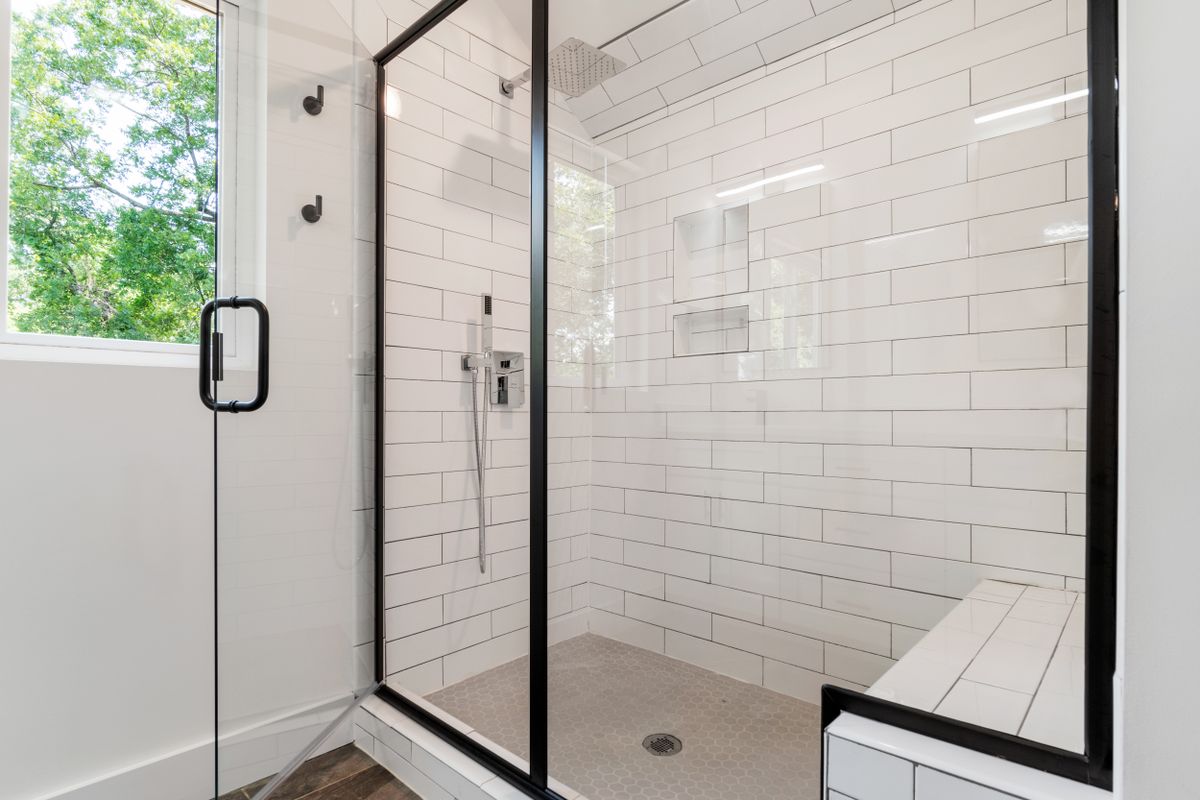
Softened water and fixtures get on well. Faucet cartridges stop gathering scale on their moving parts, showerheads stop losing spray holes, and glass shower doors stay clear far longer between cleans. The catch is that a softener only stops new scale. What is already on your fixtures stays until you remove it. Glass can still show soap film and faint water marks that are not scale at all.
Most pages on this simply assert the benefit. This one shows how to document it on your own fixtures over six months, and how your cleaning products change once limescale stops forming.
Softened Water and Fixtures: What Changes, Fixture by Fixture
A softener exchanges the calcium and magnesium in your water for sodium. Calcium and magnesium are what form limescale, so every fixture that suffered from scale benefits. Penn State Extension's guide to water softening describes the hard-water symptoms it addresses: scale, soap film and detergent curd. It also warns that softeners will not necessarily remove more serious drinking water contaminants.
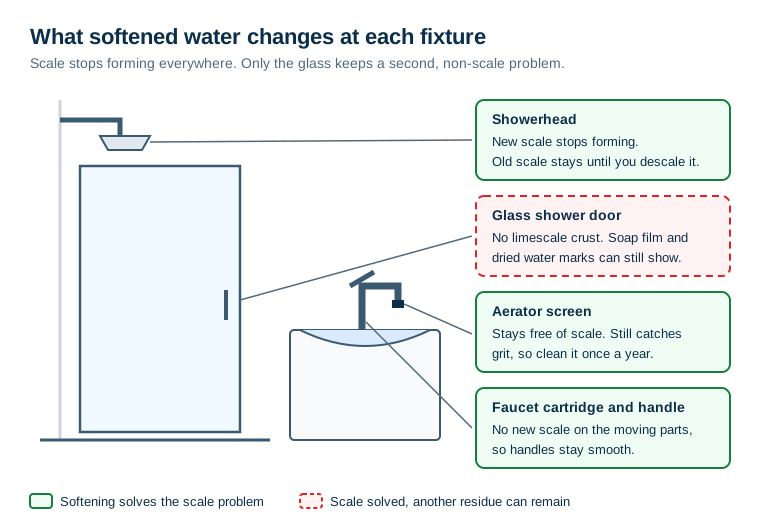
| Fixture | On hard water | After softening | What can still happen |
|---|---|---|---|
| Faucet cartridge and handle | Scale on ceramic discs and seals makes handles stiff and can cause drips | No new scale on the moving parts | Wear, debris and failed O-rings are unrelated to hardness |
| Aerator | Screen crusts over, stream splits | Screen stays free of scale | Still catches grit from the pipes |
| Showerhead | Nozzles close one by one, flow drops | Nozzles stay open | Existing scale inside the head stays until descaled |
| Glass shower door | White crust builds up and hardens | No limescale crust | Soap film and faint water marks from other dissolved solids |
| Chrome and plated finishes | White spots need a fingernail or acid | Spots wipe off with a cloth | Marks from cleaners, not water |
The First Month: Old Scale Does Not Leave on Its Own
A softener is not a descaler. There is a popular idea that soft water slowly dissolves old deposits. Even if that happens at all, it is too slow to matter on a fixture. Waiting for it gives you a month of wondering whether the softener works.
So do one deliberate clean in the first week:
- Showerheads. Unscrew and soak in vinegar or citric acid, then brush the nozzles. The hard water showerhead guide covers the soak, the rinse and the flow check.
- Aerators. Unscrew, soak, and rebuild the stack in order. Many aerators hold the flow restrictor, so do not leave it off.
- Glass. One thorough descale to bare glass. After this, it is the last acid clean the door should need.
- Chrome. Only if there is real scale. Follow the manufacturer's care instructions, which usually mean a short contact time and a thorough rinse.
This is the one time acid belongs on your fixtures after softening. Everything that follows is maintenance, not repair.
Document Your Own Before-and-After
The most convincing evidence is your own fixtures, recorded the same way each time. A proper log takes a few minutes per check and settles arguments about whether the softener was worth it.
Before you start. Test the tap water to confirm the softener is producing soft water. A log of fixtures on water that is not actually soft proves nothing.
The baseline, taken right after the first-week clean:
- Photograph each fixture from a marked spot, at the same time of day, with the bathroom light on and the flash off. A strip of tape on the floor fixes the position.
- Time the shower. Run it at full flow into a bucket for 30 seconds and measure the volume. Multiply by two for gallons per minute. Compare with the head's rating. Federal rules cap new showerheads at 2.5 gpm and WaterSense-labeled heads at 2.0 gpm.
- Leave the glass door unwiped after one normal shower and photograph it once it is dry. That is your spotting baseline.
- Note how each faucet handle feels. Smooth, stiff, or gritty. It is subjective, but a change from stiff to smooth is hard to miss.
Then repeat the same four checks at one, three and six months.
| Check | Baseline | Month 1 | Month 3 | Month 6 |
|---|---|---|---|---|
| Shower flow (gpm) | Record | Should match baseline | Should match baseline | Should match baseline |
| Glass door, unwiped | Photo | Marks wipe off with a cloth | Same | Same |
| Aerator screen | Photo | No white flakes | No white flakes | No white flakes |
| Handle feel | Note | No change or smoother | No change or smoother | No change or smoother |
If any column goes the wrong way, the fixture is telling you something before a test kit does. A white crust returning on the aerator means hardness is getting through. A falling shower flow with no visible scale may be debris. Scale on faucet aerators explains how to read what comes out of the screen.
When one fixture lags behind the rest
A log also shows up plumbing quirks. If every bathroom improves but the kitchen faucet keeps crusting, check whether it was left on unsoftened water for drinking, which is a common install choice. The same goes for a laundry sink or a wet bar fed from a line that tees off before the softener. Those fixtures will behave exactly as they did before, and that is not a softener fault. Mark them in the log so they do not skew your conclusions, and keep an acid descaler for them alone.
Faucet Cartridges and Handles
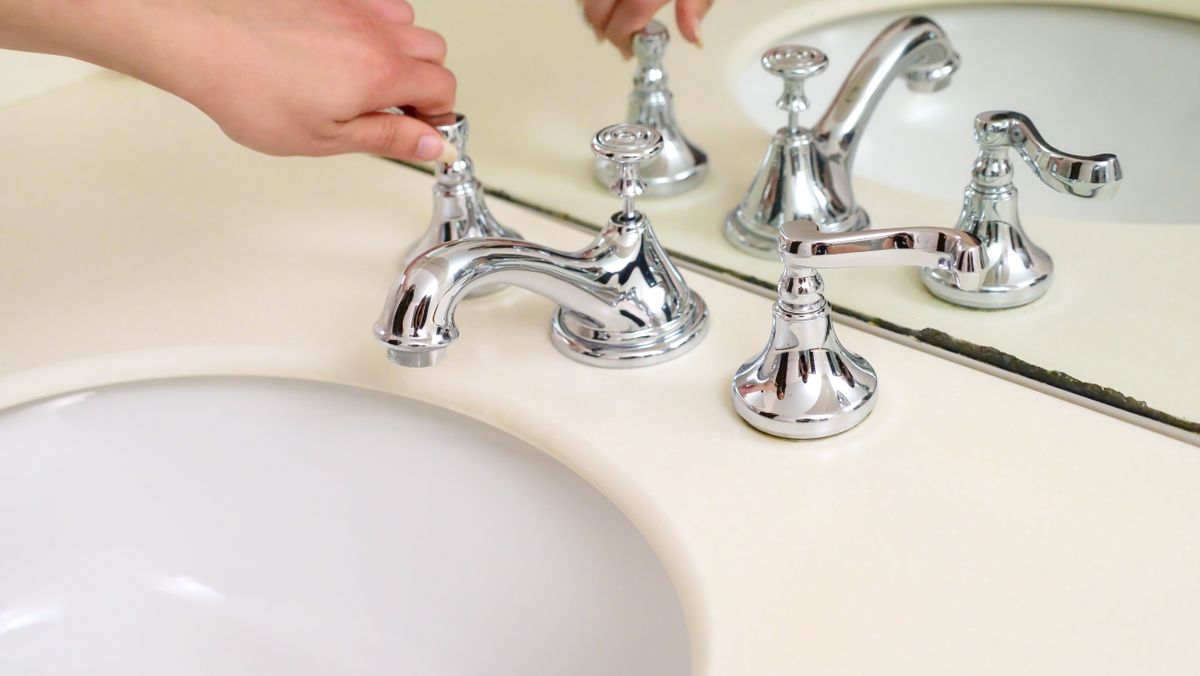
Most modern faucets control flow with a cartridge. Two polished ceramic discs slide over each other, sealed with O-rings. Scale forms wherever water evaporates or heats, and a cartridge gets both at the gaps between its parts. The symptoms are a handle that gets stiffer every year, a mixing lever that sticks, and eventually a drip that a new washer will not cure.
On softened water, that deposit has nothing to form from. Handles tend to stay as smooth as the day the cartridge was fitted. If a stiff handle predates the softener, it will usually stay stiff. The scale is already inside, and replacing the cartridge is the cure. Many manufacturers supply replacement cartridges under their lifetime warranties. Kohler's, for example, covers a leaking or dripping faucet by sending the cartridge needed to fix it.
Showerheads
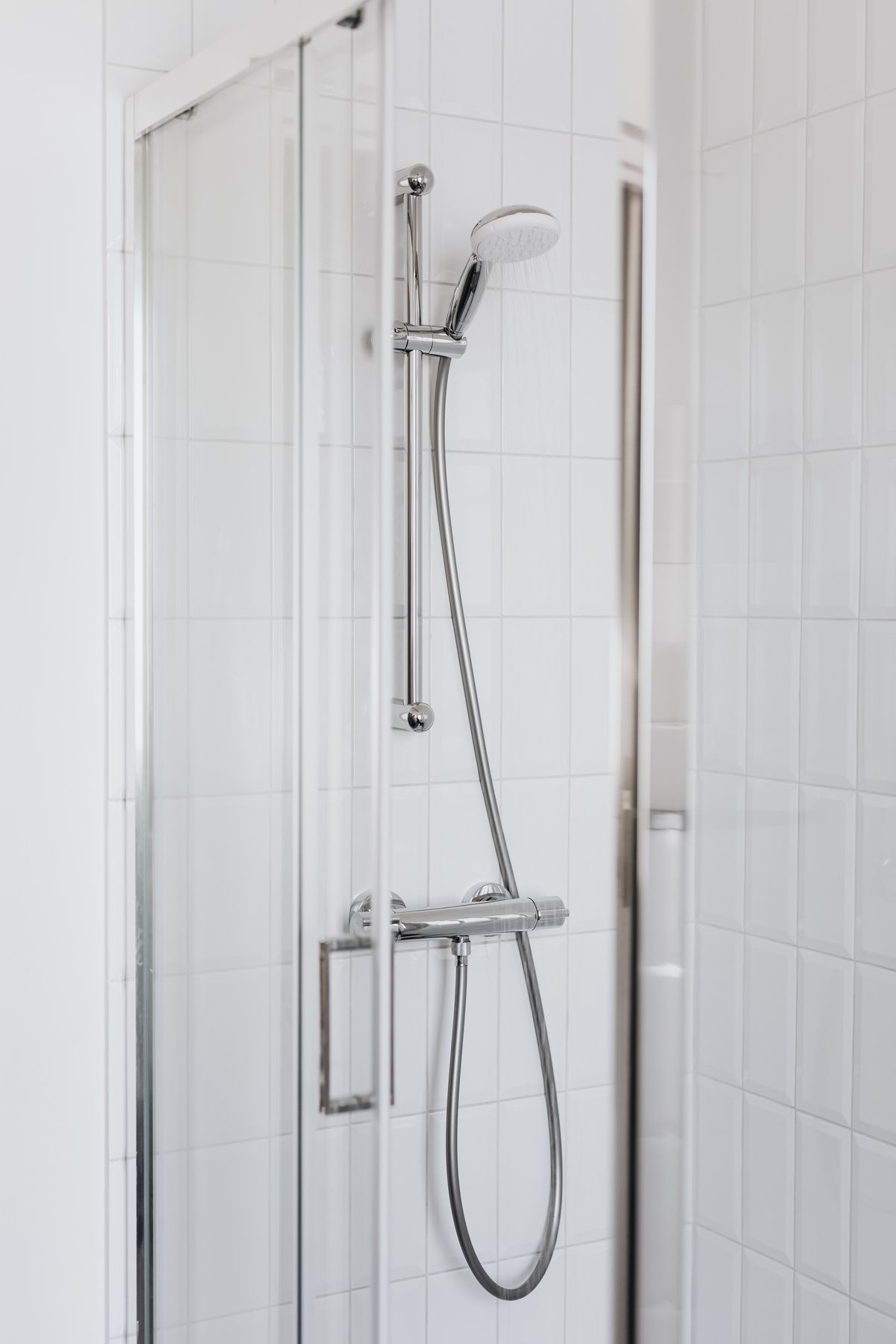
Showerheads show the difference most clearly, because a clogging head loses nozzles one at a time. On hard water, the pattern is predictable: a few jets start spraying sideways, flow drops, and the head gets soaked or swapped every few months.
After softening and one proper descale, that cycle should stop. Your 30-second bucket test is the measure. A reading that holds steady across six months is the before-and-after result that matters. Photos of a nozzle face can mislead, because silicone nubs hide scale inside the head.
Glass Shower Doors: Clearer, Not Maintenance-Free
Glass is where expectations most often overshoot. On hard water, droplets dry into white crust that hardens with every shower and eventually needs acid and scrubbing. On softened water, that crust stops forming.
What does not stop is evaporation. Softened water still carries dissolved solids, including the sodium exchanged for hardness, plus any silica in your supply. When a droplet dries on glass, those solids are left behind as a faint mark. The difference is that the mark wipes off with a damp cloth instead of needing a fingernail or acid.
Soap is the other residue. Softening prevents the calcium-soap curd that hard water forms. Bar soap on soft water can still leave a slippery film, and a thick lather rinses less cleanly from glass. Why white spots and soap scum remain after softening sorts out which residue is which.
The fix for both is the same, and it is free. A 20-second squeegee pass after each shower leaves nothing to dry on the glass.
The Cleaning Cupboard Changes
This is the quiet benefit of softening, and the one most owners notice only months later. On hard water, the cleaning routine for fixtures is built around acid. Vinegar, citric acid, CLR, Lime-A-Way and descaling bathroom sprays all work the same way, by dissolving calcium carbonate.
Most fixture makers do not want those products on their finishes at all. Kohler's faucet maintenance guide tells owners to clean with mild soap, rinse and dry with a soft cloth. It also says never to use cleaners containing abrasives, ammonia, bleach or acids, and that failing to follow its cleaning instructions may void Kohler's warranty. On hard water, owners face a choice between visible scale and a warranty exclusion. Softening removes that conflict.
| Task | Hard water routine | Softened water routine |
|---|---|---|
| Chrome faucets | Acid spray or vinegar for white spots | Mild soap, rinse, dry with a soft cloth |
| Glass shower door | Weekly descaler and scrubbing | Squeegee after use, occasional glass cleaner |
| Showerhead | Soak in acid every few months | Occasional flow check, clean if debris builds up |
| Aerators | Soak and brush on a schedule | Rinse the screen once a year for grit |
| Stone around fixtures | Acid cleaners near stone risk etching it | Stone-safe neutral cleaner only |
The saving on products is small. The real difference is time, and no longer running an acid cleaner over finishes and stone that were never meant to take it.
What Soft Water Will Not Do for Your Fixtures
- It will not remove existing scale in a useful time frame. Descale once, then let softening keep things clean.
- It will not stop dissolved-solid marks on glass and chrome. They wipe off, but they still appear if water dries in place.
- It will not remove silica. On high-silica water, a faint haze on glass can persist. A softener does not target it.
- It will not fix corrosive water. Blue-green stains or pinhole leaks point to pH or other chemistry that softening does not change. If you see them, test before assuming the softener is to blame.
- It will not keep grit out of aerators. Sediment from pipes and mains work still collects in screens.
- It will not cure a worn cartridge. A drip caused by damaged discs or O-rings needs a new cartridge.
If white marks on chrome do not wipe off with a cloth and need scraping, that is scale, and scale on softened water means hardness is reaching that tap. White spots on faucets: hard water or something else? has the identification test.
What to Do Next
- Confirm the water is soft at a bathroom tap before judging any fixture.
- Descale everything once in the first week, then photograph and measure the clean state as your baseline.
- Repeat the four checks at one, three and six months: shower flow, unwiped glass, aerator screen and handle feel.
- Retire the acid cleaners for routine fixture care, and switch to mild soap, a soft cloth and a squeegee.
- Replace, do not descale, a stiff old cartridge. Softening protects the next one.
Frequently Asked Questions
Will a water softener remove existing scale from faucets and showerheads?
Not in any useful time frame. A softener stops new scale forming, but the deposits already on your fixtures stay until you remove them. Descale everything once in the first week after installation, then use that clean state as your baseline. From then on, anything that builds up is either a sign that hardness is getting through or a residue that is not scale at all.
How long after installing a softener will I notice a difference on fixtures?
Glass and chrome show it first, usually within the first few weeks, because they no longer grow a fresh crust between cleans. Showerhead flow and faucet handle feel change more slowly, because they depend on old scale being removed and new scale not returning. Checking at one, three and six months gives you a fair picture.
Can I stop using vinegar and CLR once I have soft water?
For limescale, largely yes. Acidic descalers exist to dissolve calcium carbonate, and softened water stops depositing it. Kohler's faucet care guide already tells owners never to use cleaners containing acids on its finishes and says ignoring that may void the warranty. On softened water, mild soap, water and a dry cloth handle most fixture cleaning. Keep a bottle for the occasional descale of anything fed with unsoftened water.
Why do I still get spots on my glass shower door with soft water?
Because a softener only removes calcium and magnesium. The water still carries other dissolved solids, including the sodium swapped in during softening and any silica, and those dry into faint marks when droplets evaporate. They wipe off far more easily than limescale. Soap residue is the other cause, especially from bar soap. A squeegee after each shower stops both.
Does soft water damage chrome or brass fixtures?
There is no good evidence that properly softened water damages plated fixtures, and it removes the reason most owners scrub them with acids. The finish risks on fixtures come mostly from cleaners, which is why manufacturers like Kohler specify mild soap and prohibit acidic, abrasive and bleach-based products. If you see green or blue staining, that points to corrosive water chemistry such as low pH, which a softener does not change.
