
Softened Water for Pets, Plants, Gardens and Aquariums
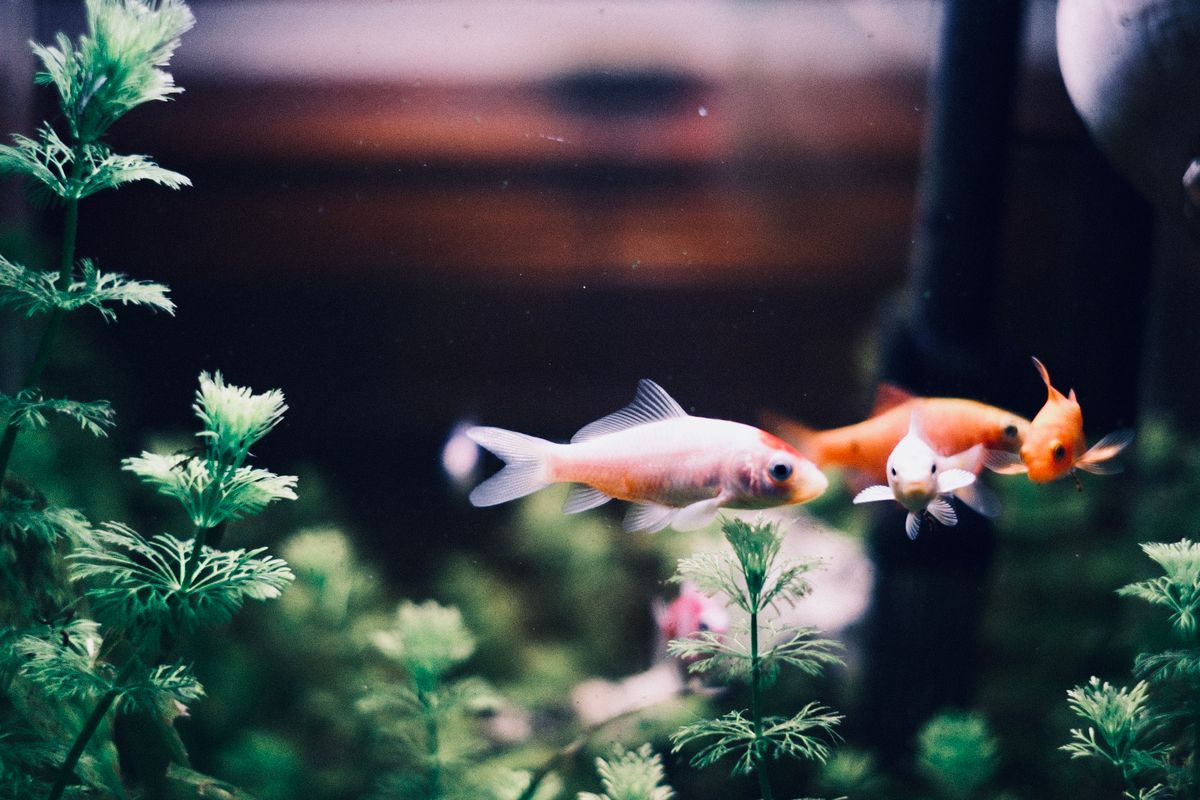
Softened water for plants and pets does not have one answer. It has four. Dogs and cats are generally fine drinking it. Houseplants tolerate it poorly, because sodium builds up in the pot. Garden soil collects sodium over time. Many aquarium fish should not live in it at all, because the calcium a softener removes is part of how they regulate their body salts.
The same water gets different verdicts because each user needs something different from it. Here is the reasoning for each, the exceptions inside each group, and where to draw water instead.
Softened Water for Plants and Pets: The Four Verdicts
| Who drinks or gets watered | Verdict | What decides it | Where to get water |
|---|---|---|---|
| Healthy dogs and cats | Generally fine | Diet, not the water bowl, sets their sodium | Any tap |
| Pets on a vet-prescribed low-sodium diet | Ask your vet | Same logic as a low-sodium human diet | Unsoftened tap meanwhile |
| Small mammals, birds, reptiles, amphibians | Use unsoftened | Small body mass; some species need minerals | Unsoftened tap, per species care guide |
| Houseplants | Poor | Sodium builds up in a small, closed pot | Unsoftened tap or rainwater |
| Garden beds and lawns | Poor over time | Sodium builds up in soil | Unsoftened outdoor tap |
| Aquarium and pond fish | Unsuitable for most | Fish need calcium; softening removes it | Unsoftened tap, or RO remineralised |
A salt-based softener does two things that matter here. It takes calcium and magnesium to near zero, and it adds sodium in their place. The University of Nebraska–Lincoln's NebGuide on water softening puts the addition at about 8 mg/L of sodium for every grain per gallon (gpg) of hardness removed, so 10 gpg water ends up with about 80 mg/L. Which of those two changes matters depends on who is at the other end.
Dogs and Cats: Generally Fine
For healthy dogs and cats, softened water is not a concern we could find in any veterinary or extension source. The reason is scale. A pet's food, not its water bowl, sets its sodium intake. Commercial pet foods contain sodium by design, and the few dozen milligrams per litre a softener adds is a small addition for an animal of ordinary size.
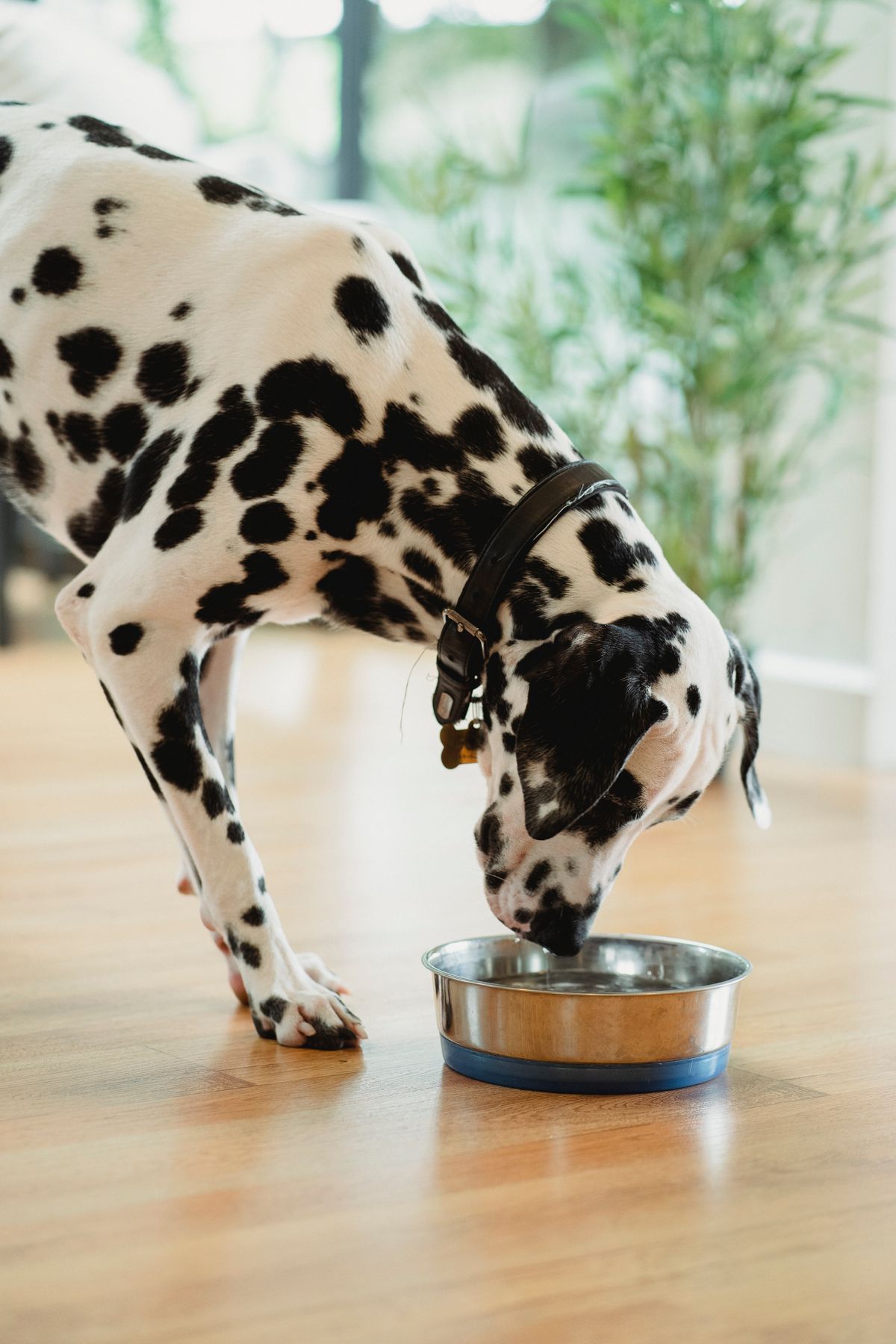
The exception mirrors the human one. Dogs and cats with heart disease or kidney disease are sometimes put on prescription diets with controlled sodium. If your pet is on one, the water bowl is part of that plan, and your vet should decide whether softened water fits. Until you ask, fill that bowl from an unsoftened tap. The same applies if the softener uses potassium chloride and your pet has kidney disease, since potassium is the concern there.
The human version of this question, with the arithmetic for restricted diets, is covered in is softened water safe to drink.
Small Pets, Birds and Reptiles: Where Body Size Changes the Sum
The smaller the animal, the more the water matters. A given concentration of sodium becomes a larger dose per kilogram of body weight as the animal gets smaller. It is the same reason softened water is advised against for baby formula, worked through in softened water for baby formula. A hamster, a budgie or a small lizard drinks relatively more water for its size than a Labrador does.
We found no primary source that sets a sodium limit for these animals' drinking water, so we are not going to invent one. The sensible default is simple and costs nothing:
- Use unsoftened water for small mammals, cage birds and reptiles. A jug filled from an unsoftened tap once a day is enough.
- Take extra care with amphibians. Frogs and newts take in water through their skin, so their whole body sits in whatever you give them. Follow the species' care guidance on water, which usually covers chlorine and minerals.
- Follow your exotics vet on any specific water requirement. Some reptiles and invertebrates have mineral needs that plain tap water, softened or not, does not meet.
Houseplants: Why the Pot Is the Problem
Houseplants cope with softened water worse than garden plants do, and the reason is the pot. When you water a plant, most of the water leaves again as vapour, through the leaves and off the soil surface. Vapour carries no salt. The sodium stays behind in a small, closed volume of potting mix, and every watering adds more.
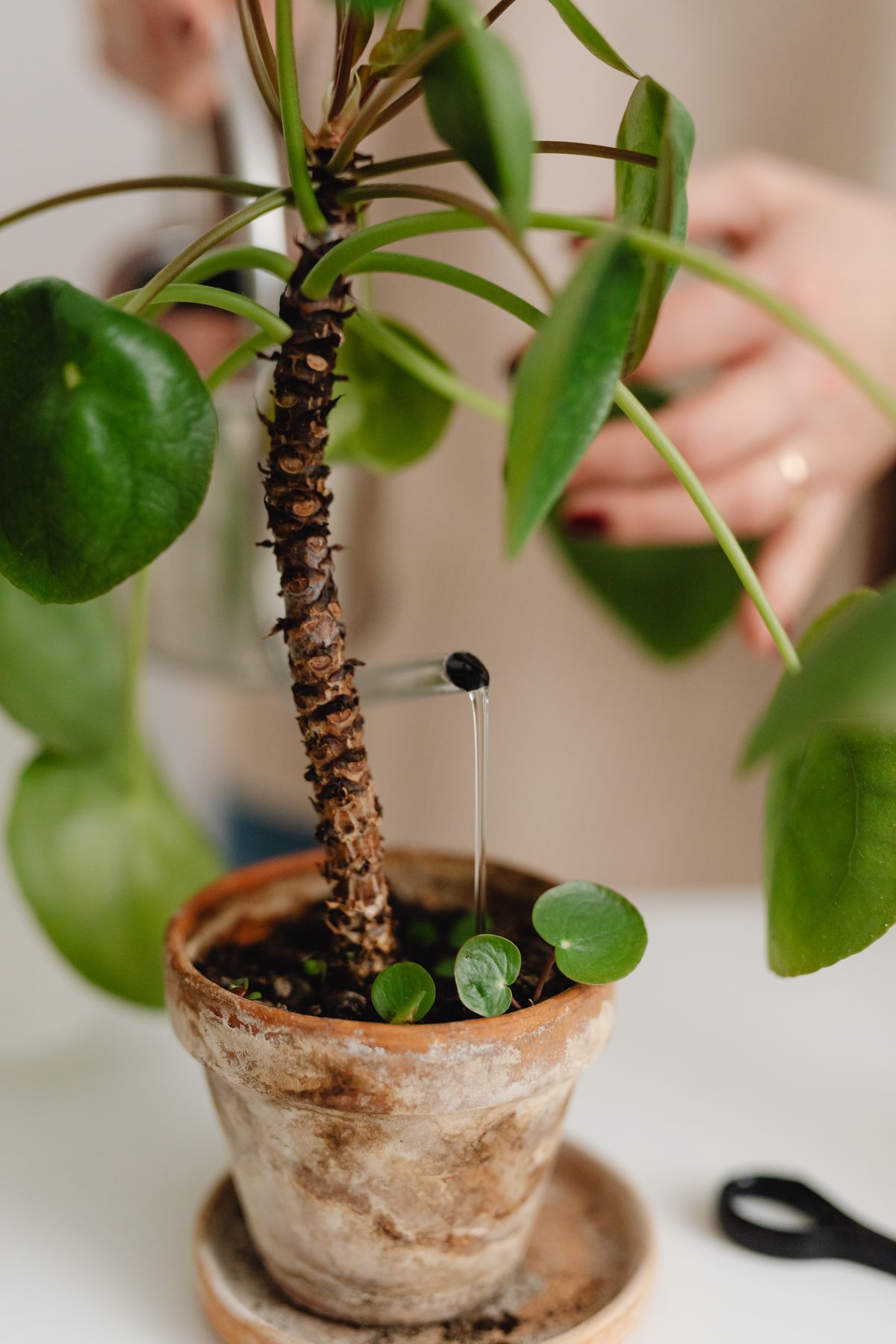
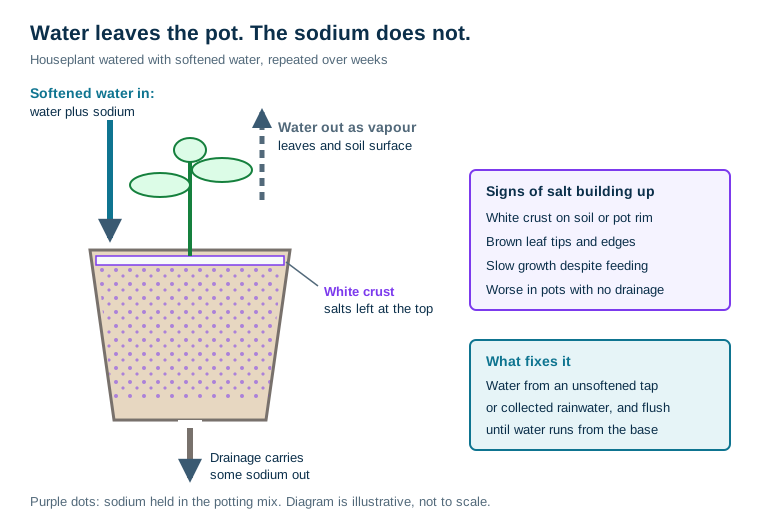
UNL's NebGuide is direct about it: "It is not recommended to repeatedly use softened water for plants, lawns or gardens due to the sodium content." The damage is gradual, which is why people often do not connect it with the softener. Browning leaf tips appear months after installation, and the white crust on the soil gets mistaken for fertiliser.
What to do:
- Water from an unsoftened tap or with collected rainwater. Most houses with a softener still have at least one unsoftened outdoor tap.
- If plants have been on softened water for a while, flush them. Water slowly and heavily with unsoftened water until it runs freely from the drainage holes, and repeat a few times. That carries the built-up salts out of the pot.
- Repot plants in pots without drainage holes, or move them into pots that have them. A pot with no drainage cannot shed salt at all.
- Do not rely on fertiliser to "balance" it. Fertiliser adds more dissolved salts. It does not remove sodium.
Gardens and Lawns: Sodium Builds Up in the Soil
Outdoors, rain and deep watering flush the soil, so the build-up is slower than in a pot. Slower is not the same as none. Over years, sodium displaces calcium and magnesium in the soil. In clay soils in particular this breaks down structure, so the soil drains poorly and crusts over.
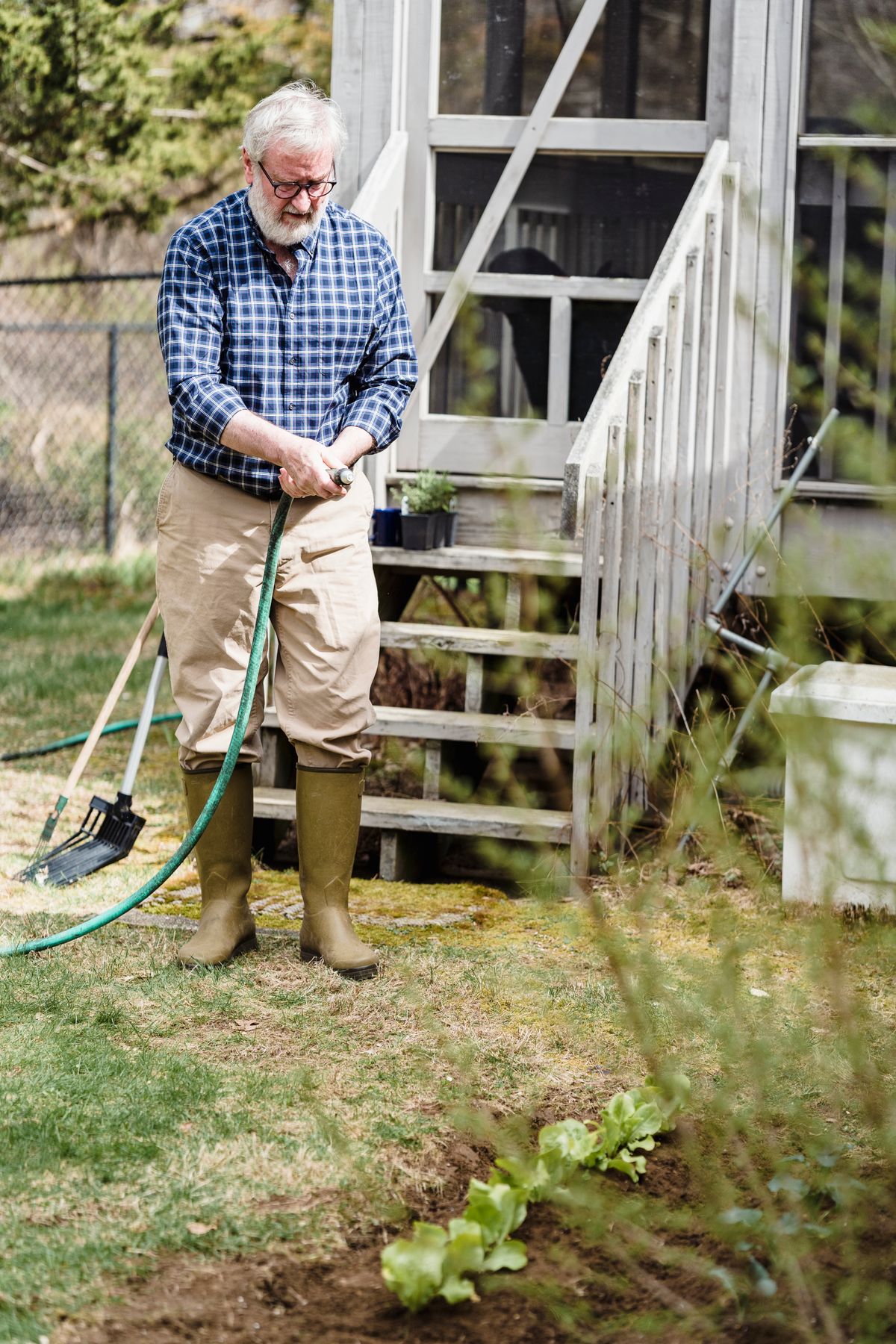
There is also a cost argument. Every gallon that goes on the lawn through the softener uses salt and softening capacity for nothing. The soil chemistry, the cost of watering through a softener, and how to find which of your outdoor taps are softened are covered in should outdoor faucets bypass a water softener. The short version: garden taps should be on the unsoftened side.
If the softener runs on potassium chloride, the sodium problem goes away, since potassium is a plant nutrient. That makes the water better for the garden, but it is an expensive way to water. Potassium chloride vs sodium chloride in a softener sets out the cost.
Aquariums and Ponds: Hardness Is Part of the Chemistry
For fish, a softener removes something they need. This is the case where "soft water" sounds harmless and is not.
Fish exchange salts with the water across their gills all the time. Calcium in the water helps them hold on to theirs. The Southern Regional Aquaculture Center's Publication 464 says it clearly: "In low calcium water, fish can lose (leak) substantial quantities of sodium and potassium into the water. Body energy is used to re-absorb the lost salts." It adds that calcium and magnesium are "essential in the biological processes of fish (bone and scale formation, blood clotting and other metabolic reactions)."
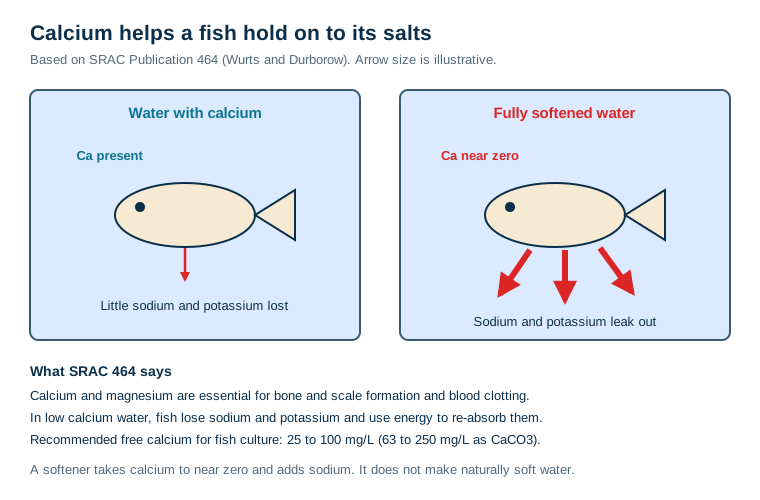
SRAC recommends free calcium of 25 to 100 mg/L for fish culture, which is 63 to 250 mg/L expressed as calcium carbonate hardness. A working softener delivers close to zero. That guidance was written for pond aquaculture, not home aquariums, but the physiology it describes is the same.
"But my fish are soft-water species." This is the most common mistake. Tetras, discus and many South American and Asian species come from water that is soft because it carries very little dissolved mineral of any kind. Softened tap water is different in three ways:
- Sodium goes up. Every grain of hardness removed is replaced with sodium, so the total dissolved salt stays about the same.
- Alkalinity is unchanged. A softener exchanges calcium and magnesium only. The bicarbonate that holds pH up stays, so softened water from a hard, alkaline supply is still alkaline.
- Magnesium is gone too, along with the calcium. Plants in planted tanks, and snails and shrimp that build shells, need both.
Keepers of soft-water species generally use reverse osmosis water, which is low in everything, and then remineralise it to the hardness the species needs. That is a controlled recipe. Softened water is not.
Hard-water species are clearer still. African rift lake cichlids, livebearers and brackish species need high hardness. Softened water is simply wrong for them.
Ponds follow the same rule. Fill and top up from an unsoftened tap, and test general hardness before adding fish. If the only outdoor tap is softened, that is a plumbing fix worth making before the pond goes in.
For your own tank, test general hardness (GH) and carbonate hardness (KH) of your tap water, and match them to your species. The home hardness testing guide covers the kits.
Where to Get Water for Each
| Need | Easiest source in a softened house |
|---|---|
| Pet bowls, healthy dogs and cats | Any tap |
| Small pets, birds, reptiles, low-sodium pets | Unsoftened kitchen or outdoor tap, jug filled daily |
| Houseplants | Unsoftened outdoor tap or rain barrel, carried in a watering can |
| Garden and lawn | Outdoor taps plumbed before the softener |
| Aquarium water changes | Unsoftened tap, dechlorinated, or RO remineralised for sensitive species |
| Pond top-ups | Unsoftened outdoor tap |
If you have no unsoftened tap at all, putting the softener in bypass to fill a bucket works occasionally. Run the tap for a minute first, because the water already in the pipes is softened. For anything regular, one unsoftened outdoor tap solves most of this table.
What a Softener Cannot Do Here
- It cannot make naturally soft water. It trades hardness for sodium. It does not lower total dissolved minerals.
- It cannot remove chlorine or chloramine. Aquarium water still needs dechlorinating, softened or not.
- It cannot undo sodium already in soil or pots. Only flushing with unsoftened water does that.
- It is not a pet health product. Whether an animal with a medical condition should drink softened water is a vet's decision.
What to Do Next
- Find out which taps are softened. A hardness strip at each outdoor tap and at the kitchen settles it.
- Move houseplant and garden watering to an unsoftened source, and flush any pots showing a crust or brown tips.
- Test your aquarium's GH and KH if it has been topped up with softened water. Correct it slowly with unsoftened or remineralised RO water, not in one large change.
- Ask your vet about any pet on a special diet or any exotic species, and use unsoftened water until you have an answer.
Frequently Asked Questions
Is softened water OK for dogs and cats to drink?
For healthy dogs and cats, we found no veterinary or extension guidance that warns against it. The sodium a softener adds is modest, and a pet's diet sets its sodium intake far more than its water bowl does. The exception is a pet on a vet-prescribed low-sodium diet, usually for heart or kidney disease. Ask your vet, and fill that bowl from an unsoftened tap until you have an answer.
Can I water my plants with softened water?
Not regularly. The University of Nebraska–Lincoln's NebGuide on water softening says it is not recommended to repeatedly use softened water for plants, lawns or gardens, because of the sodium. Potted plants suffer first, because water leaves as vapour and the sodium stays in a small amount of soil. Use an unsoftened tap or rainwater instead.
Can I use softened water in my fish tank?
For most tanks, no. Fish rely on calcium in the water to hold on to sodium and potassium in their blood. SRAC Publication 464 explains that in low-calcium water, fish leak these salts and spend energy re-absorbing them. A softener takes calcium to near zero and adds sodium. That is not the same as the naturally soft water some species come from.
Is softened water good for soft-water fish like tetras or discus?
No, even though it sounds right. Soft-water species come from water that is low in all dissolved minerals. Softened water is low in calcium and magnesium but carries extra sodium, and it keeps the original alkalinity. Keepers of these species usually use reverse osmosis water, remineralised to the level the species needs.
Is water from a potassium chloride softener better for plants?
Better than sodium, yes. Potassium is a plant nutrient, while sodium can damage soil structure. It still removes the calcium and magnesium plants use, and potassium chloride costs several times more than salt. For watering, an unsoftened outdoor tap is usually the simpler fix.
Can I fill a garden pond with softened water?
It is not a good idea if the pond holds fish. The calcium argument that applies to aquariums applies to ponds too: SRAC 464 recommends 25 to 100 mg/L of free calcium for fish culture. Fill ponds from an unsoftened tap, and test hardness before adding fish.
