
Installing a Softener in a Basement, Garage, Crawl Space or Closet
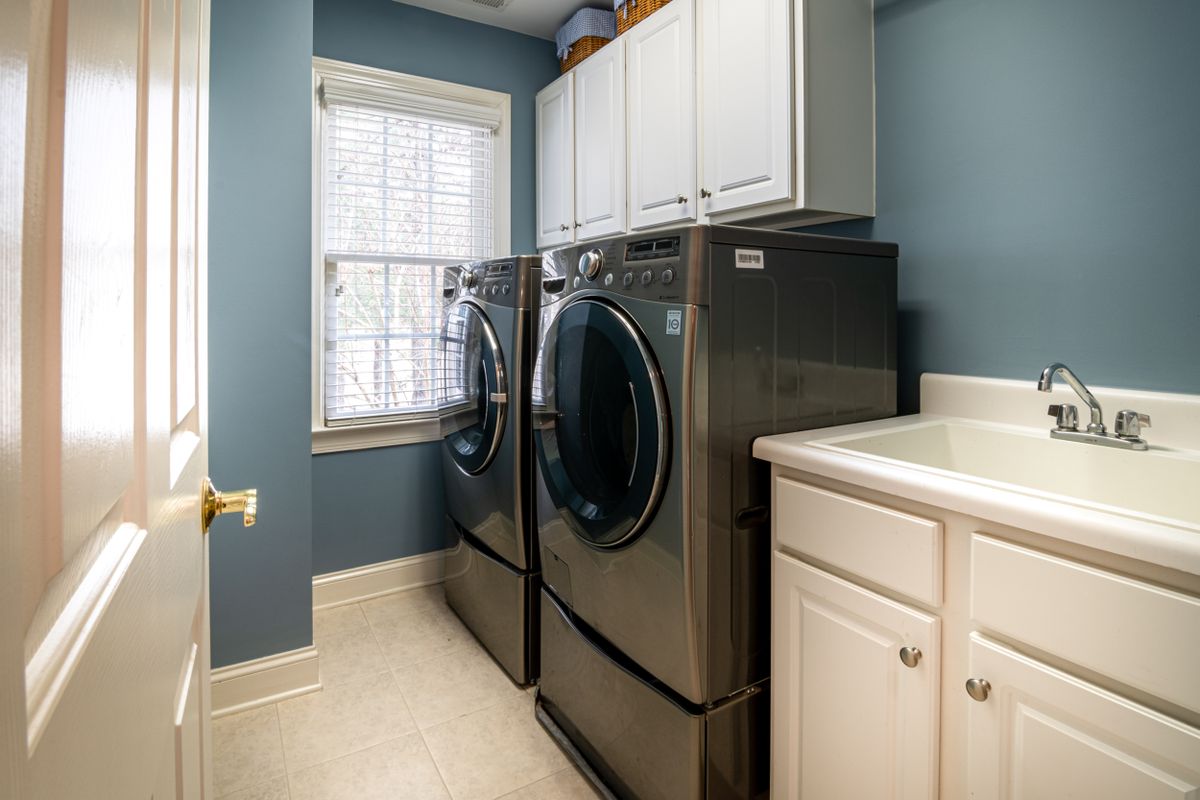
The best water softener installation location is usually the basement. It stays warm, it usually has a drain, and it is where the main enters. A heated garage or a utility closet on the main line comes next. A crawl space is the last resort. Each room gives something up: drain access, freeze protection, service access or quiet. The table below shows what each one costs you and how to fix it.
This page compares the four rooms directly. The five requirements behind the scores, and how to find where your main enters, are on the hub page: where to install a water softener.
Water Softener Installation Location: The Four-Room Scorecard
The five requirements are the same for every room. The softener must be on the main before any branch, near a drain, near power, kept between freezing and hot sun, and have room around it for service. Here is how the rooms score:
| Requirement | Basement | Garage | Crawl space | Closet |
|---|---|---|---|---|
| Supply position (on the main, before branches) | Strong. The main usually enters here | Strong in slab homes, where the main often rises in the garage | Strong. The main often runs through it | Only if the main rises into it; otherwise a long re-route |
| Drain access | Strong. A floor drain, laundry tub or sump is common | Mixed. Often none, needs a run to a standpipe or laundry | Weak. The drain is usually above the unit | Weak unless it is a laundry closet with a standpipe |
| Power | Strong | Strong | Mixed. Often needs a new outlet | Mixed |
| Temperature | Strong, above freezing all year | Weak in cold climates. Freezes, and gets sun through the open door | Weak if vented; fine if sealed and conditioned | Strong, it is living space |
| Service and salt access | Mixed. Salt has to be carried downstairs | Strong. Salt goes straight from the car | Very weak. Low headroom, crawling in with 40-pound bags | Mixed. Tight around the brine lid |
| Main weak point | Flooding and damp | Freezing and sun | Salt access | Drain, noise, leaks |
| The fix | Tanks on blocks, dehumidifier | Insulated, heated enclosure on the house wall | Move it to where the main rises | Standpipe, drain pan, leak alarm, scheduled regeneration |
Two rooms can score alike on paper, and then the tie-breaker is which one is closer to where the main enters, before the first branch. A good room past a branch leaves part of the house hard. A slightly worse room at the right point on the main is still the better choice.
The Weak Point in Each Room, Drawn
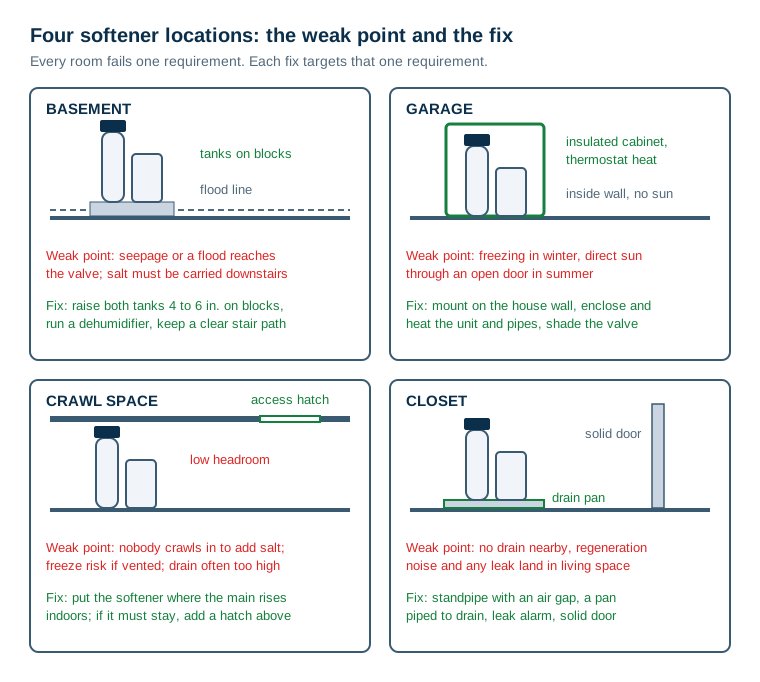
Each fix only has to solve that room's one weak point. You do not have to turn a garage into a basement. The garage only needs to stop freezing.
Basement: The Default, With a Flood Plan
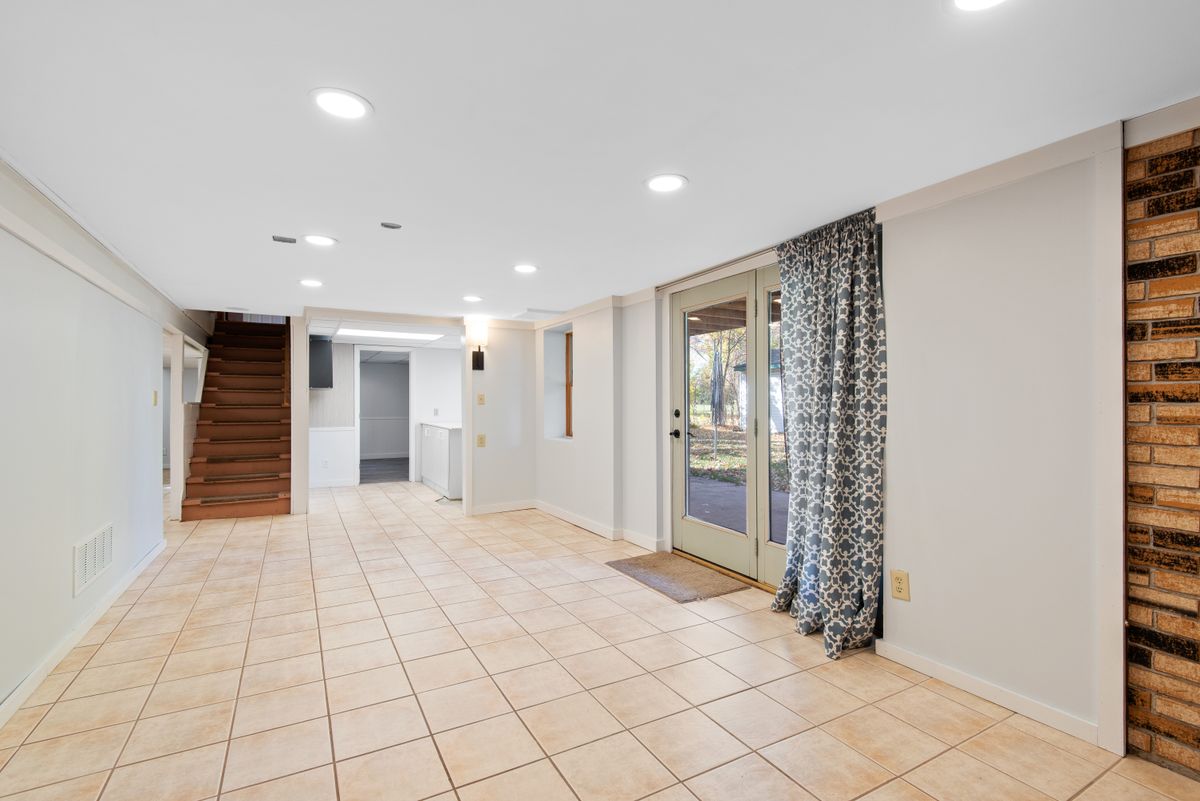
In homes that have one, the basement usually wins. The main comes through the foundation wall, there is often a floor drain or laundry tub nearby, and the temperature stays well inside a softener's range year-round.
Its weak points:
- Water on the floor. A basement that takes on water, even an inch during a storm, puts the control valve's electronics and the brine tank at risk. Stand both tanks on solid blocks or a small platform 4 to 6 inches high. Make sure the brine tank overflow drains somewhere lower than the tank.
- Damp air. Constant humidity corrodes valve contacts and helps salt bridge in the brine tank. Run a dehumidifier in basements that feel damp.
- The stairs. Salt comes in 40-pound bags, and you will carry six to twelve a year down those stairs. Keep a clear route, and put the brine tank where a bag can be lifted over it.
- No floor drain. Some finished basements have none. A laundry standpipe works, and so does a laundry tub pump that lifts the discharge to the sewer line. The valve must be able to push its drain flow through that route.
Garage: Easiest for Salt, Worst for Weather
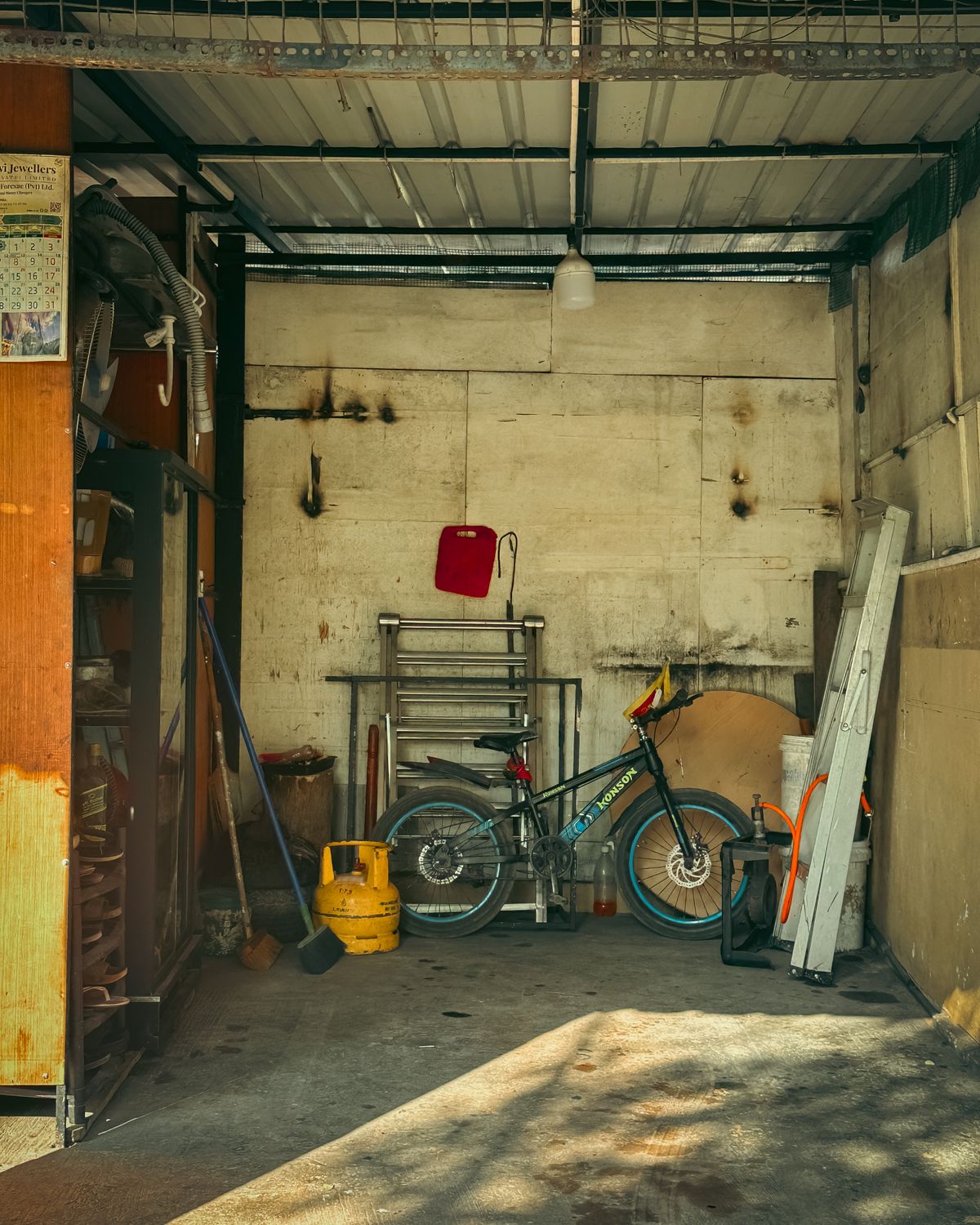
In slab-on-grade homes across the South and West, the main often rises in the garage wall next to the water heater, so the garage is the natural spot. Salt goes straight from the car to the brine tank. The risk is weather.
Freezing. Kinetico lists an unheated garage as a freeze risk. It advises contacting a dealer if the space drops "to or near 35° - 40° F," and says its warranty "does not cover system damage caused by freezing." The Watts PWSR manual sets a 40°F minimum and says freeze damage voids its warranty. The fix, from least to most work:
- Mount the softener on the wall shared with the house, not an exterior wall and not near the big door.
- Insulate the supply, outlet and drain pipes, and wrap exposed pipe with thermostatic heat cable.
- Enclose the tanks in an insulated cabinet with a small thermostat-controlled heat source, leaving the brine lid reachable.
- In a hard-winter climate, if the garage cannot be kept above 40°F, move the softener indoors or follow a seasonal routine. How to winterize a water softener covers draining and protecting a unit in an exposed spot.
Sun and heat. An open garage door on a west-facing wall can put afternoon sun on the valve. GE Appliances warns that excessive heat from the sun "may cause distortion or other damage to non-metallic parts." Keep the valve out of any sunlight that reaches it through the door.
Cars. A softener beside a parking space should be protected from bumpers. A simple bollard or a wheel stop costs less than a cracked tank.
Crawl Space: Only When There Is No Alternative
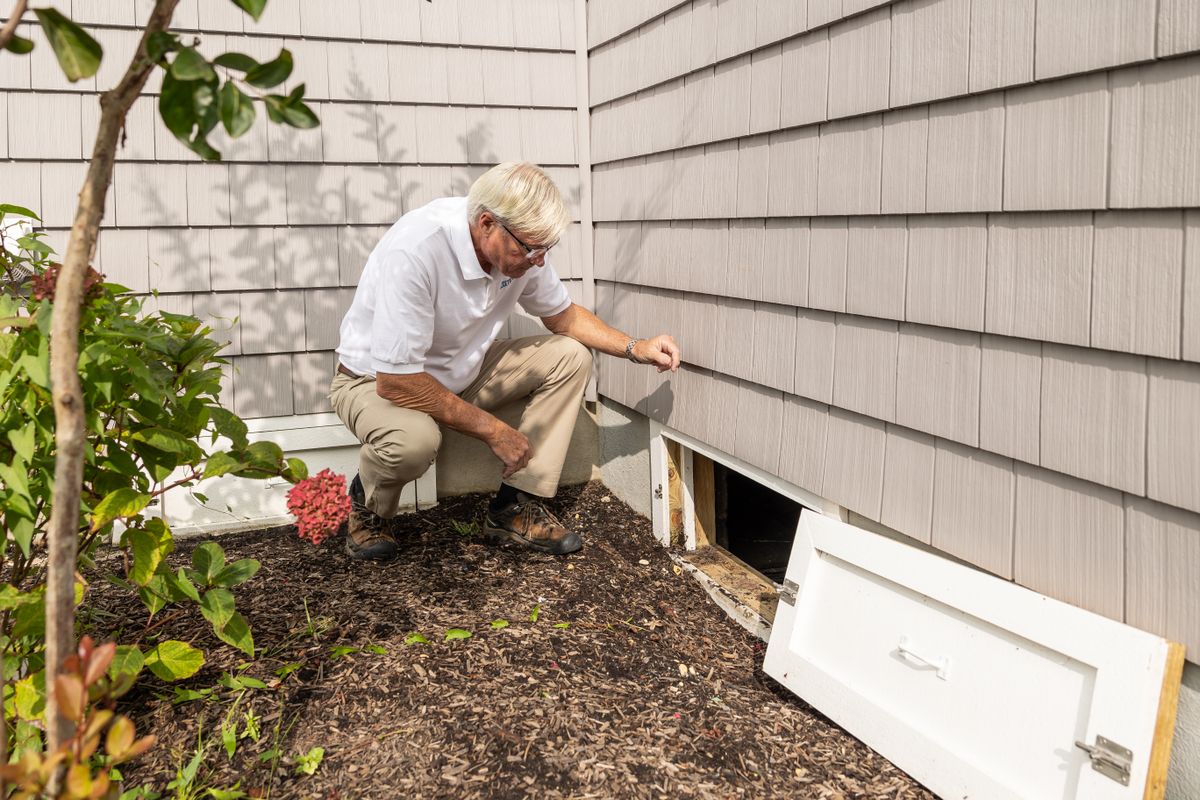
A crawl space scores well on supply position, because the main often runs right through it, and badly on almost everything else. The requirement it fails most clearly is service access. A brine tank needs salt several times a year, and nobody wants to crawl in with a 40-pound bag. A brine tank that is not refilled runs dry, and hard water returns without anyone noticing.
What else goes wrong:
- Headroom. Many crawl spaces are too low to lift the brine tank lid, let alone remove a control valve for service.
- Freezing. A vented crawl space follows the outdoor temperature. A sealed, conditioned crawl space is better, but check it on a cold morning before trusting it.
- Drain height. The nearest drain is usually above the unit, in the floor overhead. The valve then has to push its discharge uphill, which it may not manage.
- Moisture and pests. Damp soil, standing water after rain and rodents around the electronics.
The fix is usually to not install it there. Find where the main rises from the crawl space into the house, often a laundry room, utility closet or garage, and install the softener at that point. It is still before every branch, and you get indoor access. If the crawl space is the only option, it needs an access hatch big enough to lift the tanks out, a working light and outlet, pipe insulation, a clear path for salt and a drain route the valve's manual allows.
Closet or Utility Room: Fine With Three Additions
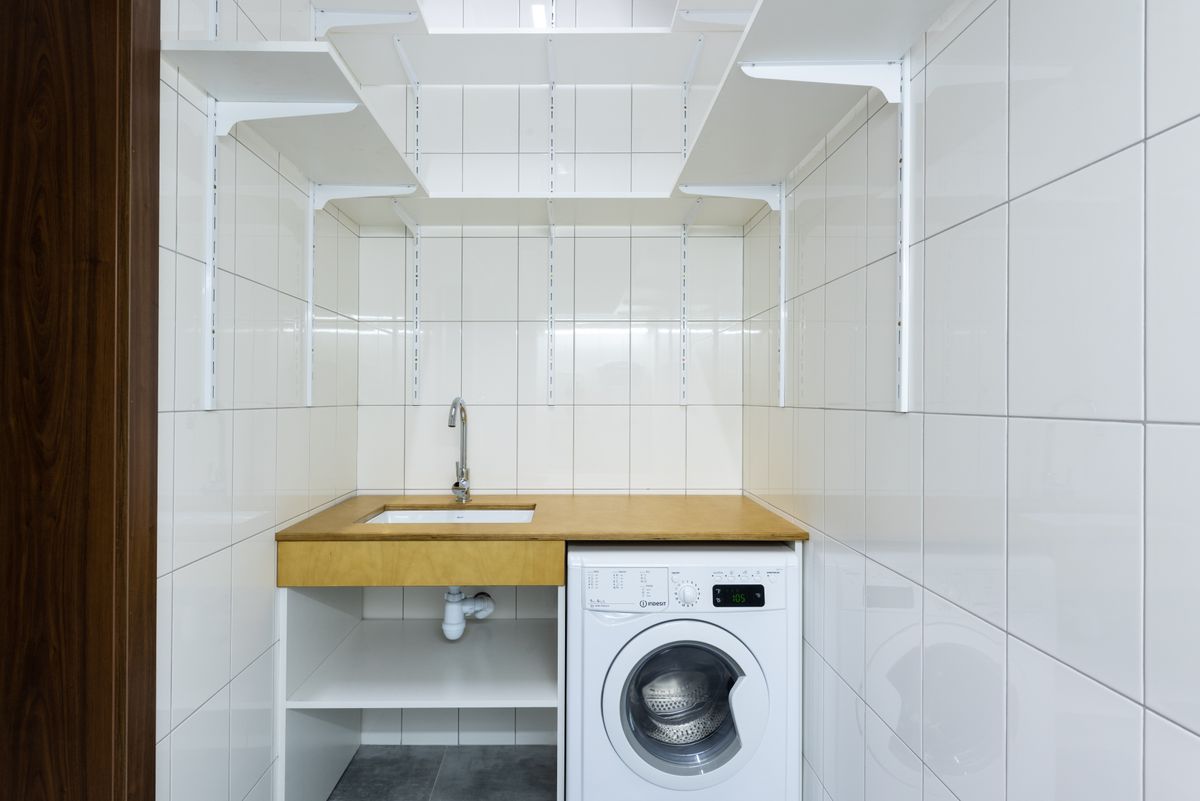
A utility or laundry closet is the best spot in many slab and crawl-space homes, especially when the main rises into it. It is heated living space, so temperature is never a problem. Three things need adding.
A drain. A laundry standpipe is the usual answer. The softener's drain line goes in above the washer hose with an air gap. GE specifies 1-1/2 inches between the end of the hose and the drain. A closet with no drain nearby is only workable if a drain can be run to it within the limits in the valve manual.
Leak protection. A leak in a closet soaks flooring and walls, not a concrete floor. Set the tanks in a drain pan piped to the drain if possible, and fit a water leak alarm or automatic shutoff. Watts advises installing the softener "in a place where water damage is least likely to occur if a leak develops." In a closet, the pan and the alarm are how you get close to that.
Noise. Regeneration makes sounds: the motor turning the valve, water rushing to the drain, and the brine draw. It lasts up to a couple of hours, usually at night. A solid-core door, a drain line clamped so it cannot rattle, and a regeneration time chosen for when no one is near the closet keep it acceptable. If the closet backs onto a bedroom, set regeneration for a daytime hour when the house is empty.
Space. Closets are tight around the brine lid. A cabinet-style unit with the resin tank inside the brine cabinet fits spaces a two-tank system does not, at the cost of less salt storage. Comparing cabinet softeners on footprint, salt storage and service access shows that trade-off unit by unit. Measure the lid clearance and the door swing before buying. How much space does a water softener need gives the dimensions to check.
Measure Before You Commit to a Room
A room that passes on paper can still fail on the day the tanks arrive. Take these measurements in the room you prefer:
- Floor-to-ceiling height above the brine tank. You need the tank height plus room to lift the lid and tip in a bag of salt. In crawl spaces and under basement stairs this often fails.
- Width of the door and path. Resin tanks and brine tanks come in boxes wider than the tanks. Check doorways, stair turns and crawl-space hatches.
- Floor level and strength. A full brine tank and resin tank together weigh several hundred pounds. Set them on a level, solid floor. Never on a wooden platform that can rot.
- Distance to the drain and height of the drain inlet. Compare both against the limits in the valve manual.
- Distance to the outlet. Check it against the transformer cord length.
- Distance from the water heater. Aim for about 10 feet or more along the pipe, as Watts asks, or plan a check valve.
If one measurement fails, the fix is usually cheaper than a different room. A smaller cabinet unit, a longer drain line, or a new outlet will often do. Moving the softener past a branch is never the cheaper fix.
When Two Rooms Qualify: The Tie-Breakers
If two rooms pass, choose in this order:
- The one closer to where the main enters, before the first branch. It keeps the whole house soft without re-piping.
- The one with the easier drain. A short, downhill drain gives the most reliable backwash, and backwash protects the resin.
- The one where you will actually add salt. A brine tank you pass every week gets refilled. One you have to make a trip for does not.
- The one where a leak does least damage. Concrete beats hardwood. A floor drain beats none.
What No Location Can Fix
Any of these rooms can host a softener that works well, but the location only removes obstacles. It does not size the softener, remove iron or sulfide, or fix a supply branch that already leaves the main before the softener. Choose the room after you have a water test and a sized unit. Then check that the room has space for any pretreatment the test calls for, since an iron filter or sediment housing usually needs to sit right beside the softener.
Frequently Asked Questions
Is it better to put a water softener in the garage or the basement?
The basement, in most cold-climate homes. It stays above freezing, usually has a floor drain and sits where the main enters. A garage works well in warm climates, or in a garage that is heated or insulated, and it makes carrying salt easier. In an unheated garage that freezes, the basement wins.
Can you put a water softener in a crawl space?
You can, but it is the least practical location. The brine tank needs salt added several times a year, headroom is often too low to lift the lid, vented crawl spaces can freeze, and the drain is usually above the unit. If the main rises from the crawl space into a closet or laundry room, install the softener there instead.
Can a water softener go in a closet?
Yes, if the closet is on the main line before any branches, has a drain within reach, such as a laundry standpipe with an air gap, and has room to fill the brine tank. Put the tanks in a drain pan, fit a leak alarm, and set regeneration for a time nobody is using the nearby rooms.
What temperature is too cold for a water softener?
Anything near freezing. The Watts PWSR manual lists an operating range of 40°F to 110°F, and Kinetico says to call a dealer if an indoor space drops to or near 35°F to 40°F. Freeze damage is excluded from both companies' warranties.
How loud is a water softener in a closet?
Quiet most of the time, with noise mainly during regeneration: the motor turning, water rushing to the drain and the brine draw. That runs for up to a couple of hours, usually at night. A solid-core door, a scheduled regeneration time away from bedtime and a drain line clamped so it cannot rattle keep it tolerable.
Does a water softener need to be near the water heater?
No. It needs to be upstream of the heater, on the main line before the heater's cold feed. Watts actually asks for at least 10 feet between the softener and the heater, so that hot water cannot back up into the softener.
