
Research Library
Hard water and water softeners, explained clearly
 Softener Troubleshooting
Why a Water Softener Is Stuck in Regeneration
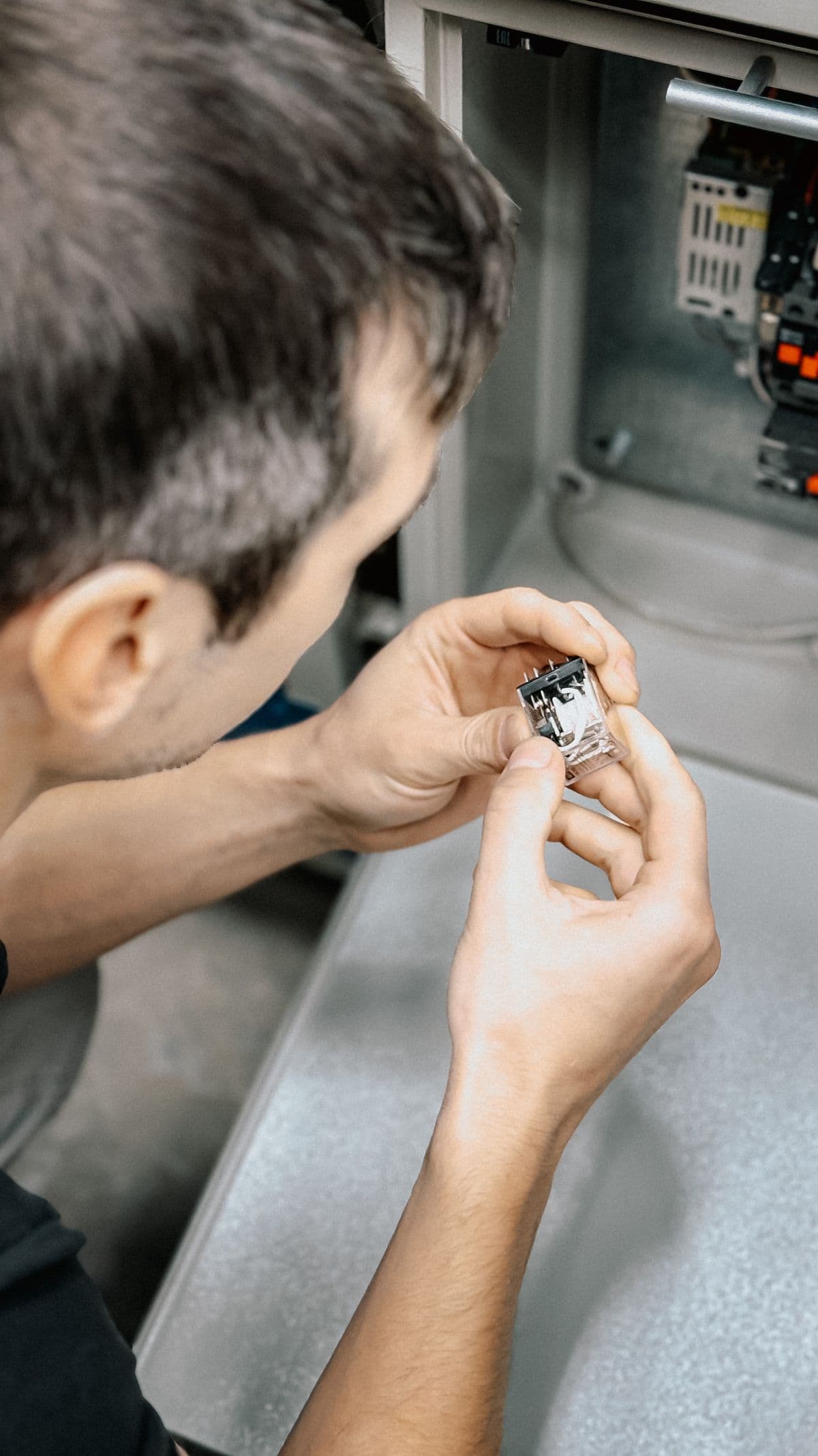
The display has shown the same regeneration step since yesterday, the drain has not stopped, and the house is on hard water. A valve that stops mid-cycle has failed at one of three points — the motor that turns it, the gears and piston it turns, or the sensor that tells the control where it is — and you can tell which with your ears, your eyes and a flashlight. The one thing to avoid is forcing the valve, because that turns a cheap part into an expensive one.
Read the guide Softener Troubleshooting
Why a Water Softener Uses Too Much Salt
A bag of salt used to last six weeks and now it is gone in ten days. Before blaming the softener, check one number on the control: the hardness. Entered in parts per million on a valve that expects grains per gallon, it tells the softener the water is seventeen times harder than it is, and the softener obediently regenerates far more often. After that come timers running blind, oversized salt doses and a brine valve that never shuts. A simple calculation tells you what normal should look like first.
Read the guide Softener Troubleshooting
Why a Water Softener Will Not Regenerate
The salt level has not moved in weeks, the water has turned hard, and the softener has not gone through a cycle since anyone can remember. Before assuming the valve is dead, work through the checks in order of cost and likelihood — power, programming, the water meter, then the motor. The meter test in the middle, a five-gallon bucket and a glance at the display, catches one of the most common and cheapest faults on metered softeners, and one that is routinely misdiagnosed as a failed control valve.
Read the guide Softener Troubleshooting
Signs a Water Softener Needs Professional Service
Most softener faults are cheap, and a surprising number are free: a crust of salt, a clogged screen, a clock reset after a power cut. A smaller group are different. They need the valve off a pressurised tank, they open the drinking water side of the house, or they sit squarely inside the warranty's exclusions. This page sorts common faults into three piles and gives the reason for each one, including the jobs we tell readers not to attempt.
Read the guide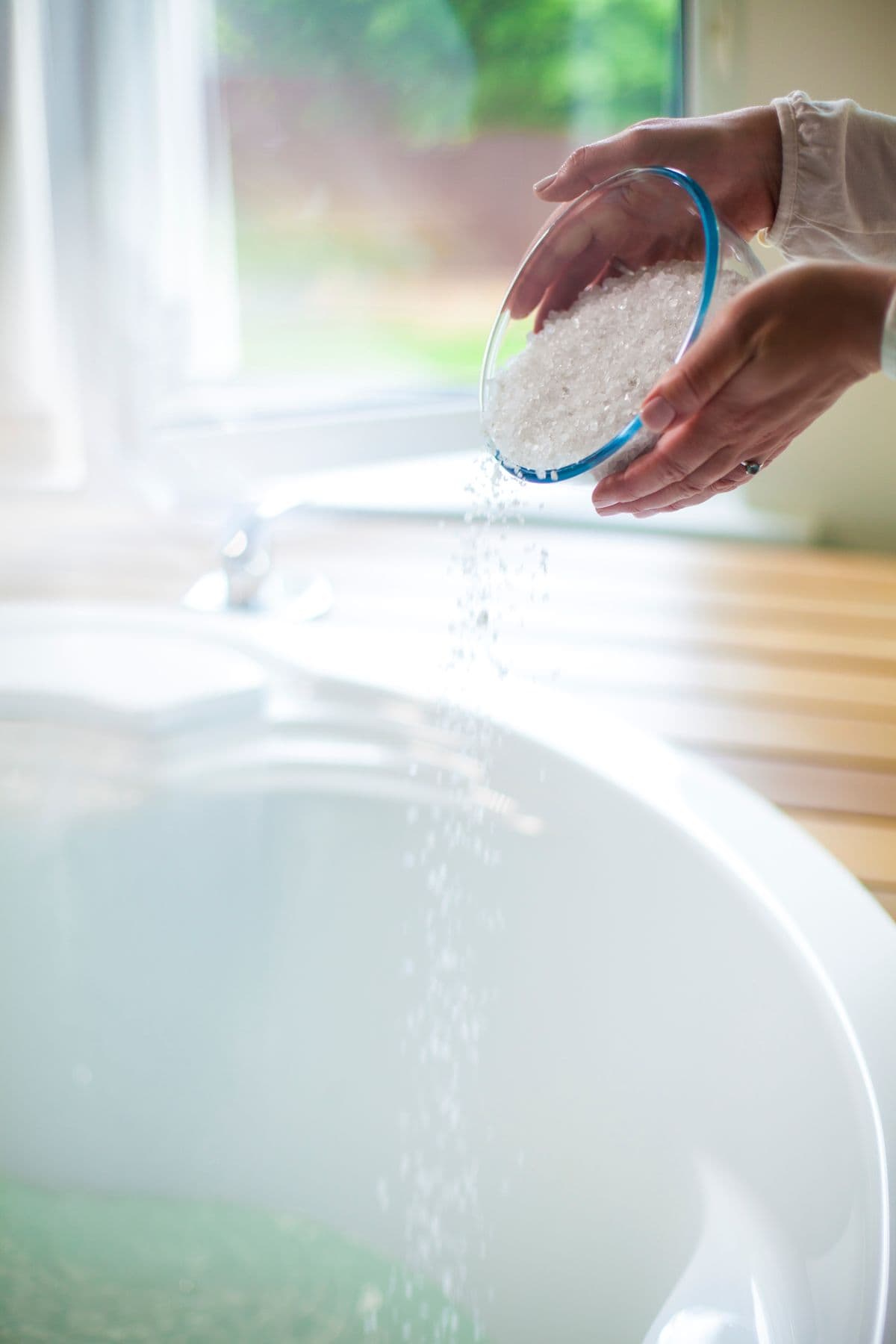 Softener Troubleshooting
How High Should Salt Be in a Brine Tank?
Two pieces of advice circulate about brine tank salt levels and they contradict each other. The bag says keep it full. The manual says do not. One of them is written by the people who sell you salt, and following it reliably produces the hardened crust that stops the softener working — which is then diagnosed as a fault and fixed with a service call. There is a correct band, it is narrower than most people think, and it is measured against the water line rather than the tank.
Read the guide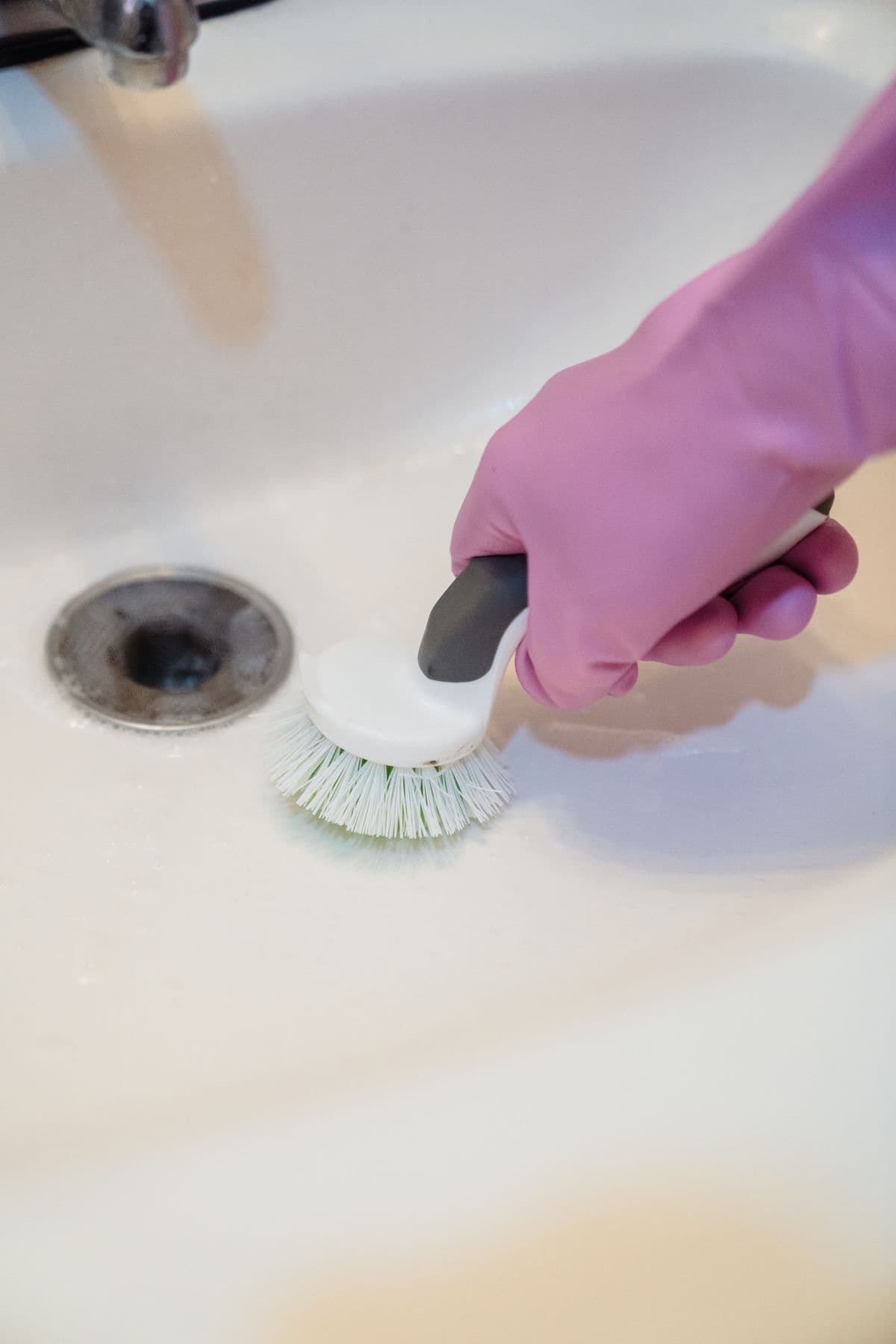 Softener Troubleshooting
How to Clean a Water Softener Brine Tank
A brine tank cleanout is an hour of unglamorous work with a bucket, and there are exactly three components inside that people break doing it. All three are cheap, none of them are in stock at a hardware store, and each one turns a free afternoon into a week of hard water waiting on a parts order. The sequence below is ordered to protect them — and the sludge you scrape off the floor turns out to be worth reading before you throw it away.
Read the guide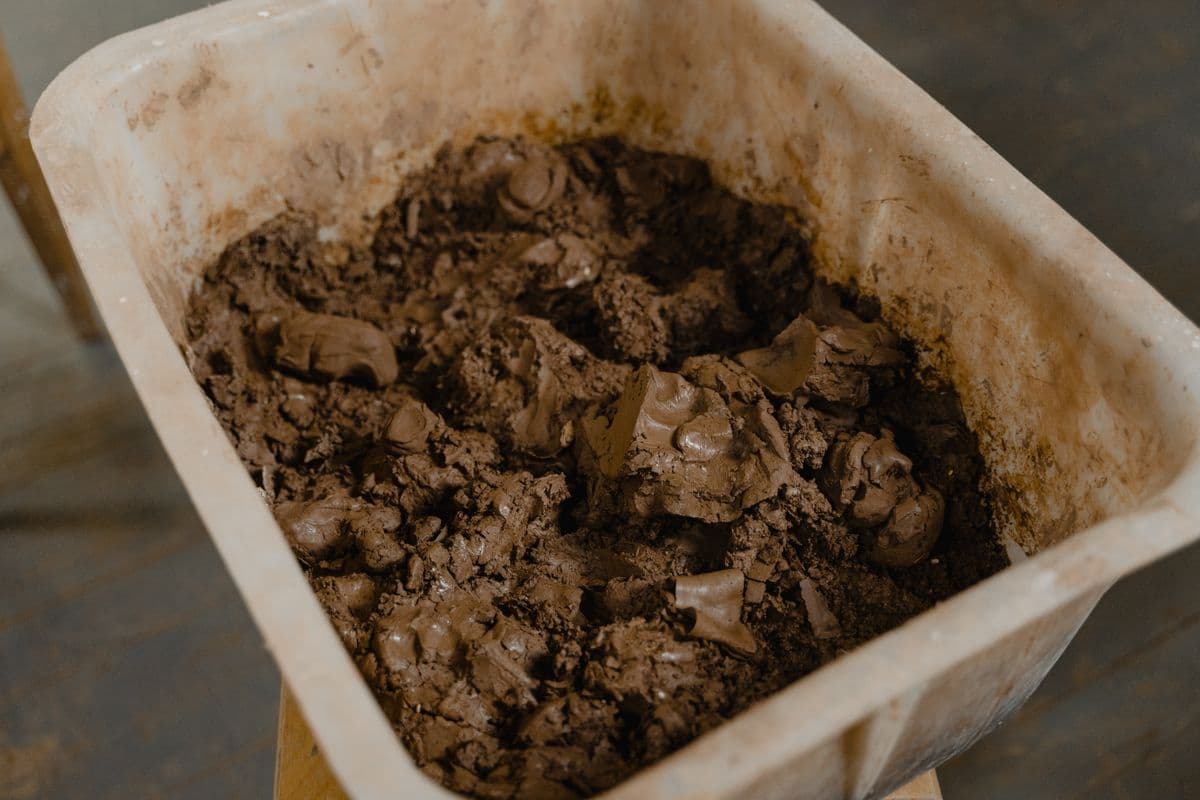 Softener Troubleshooting
What Causes Salt Mushing in a Brine Tank?
Two brine tank faults produce identical symptoms and are constantly mistaken for each other. One is a crust with a void underneath; the other is a sludge floor with nothing wrong above it. Probing for a bridge and finding none sends most people looking at the control valve, when the actual problem is sitting in the bottom four inches of the tank — and it will not respond to a broom handle, a manual regeneration, or more salt.
Read the guide Softener Troubleshooting
How to Identify and Break a Salt Bridge
The brine tank looks fine. It is two-thirds full of salt, the lid closes, nothing is leaking — and the house has been hard for three weeks. A salt bridge is the fault that hides behind a reassuring surface, because the salt you can see is welded into an arch with an empty void beneath it, and the water underneath never touches a grain. It takes ten seconds to confirm, costs nothing to fix, and comes back within months unless you change what caused it.
Read the guide Softener Troubleshooting
Why Softener Salt Looks Brown or Dirty
Open the brine tank lid, find the salt discoloured, and there are two possible explanations that could hardly be further apart. One means you bought a cheaper grade of salt and nothing is wrong. The other means iron is travelling backwards from the resin bed into a tank it should never reach, and something upstream has already failed. The colour tells you which, and a jar of warm water settles it in twenty minutes.
Read the guide Softener Troubleshooting
How Chlorine Damages Water Softener Resin
By the time chlorinated water produces hard taps, the bed has been degrading for years. The damage is detectable long before that — in your utility's own chlorine figures, in a bead you can squeeze between finger and thumb, and in a capacity trend that starts falling while every tap still tests at zero. This is the detection side of the problem: how to establish what your resin is actually being exposed to, and how to read the bed before it fails.
Read the guide Softener Troubleshooting
How to Check If Your Water Softener Is Working
Almost everyone tests the kitchen tap, gets a hard reading, and concludes the softener has failed. That single sample cannot tell you whether the unit stopped softening or whether the water never went through it. Two samples taken ten minutes apart — one at the inlet, one at the outlet — answer the question outright, and four things you can watch during a normal week tell you a system is degrading long before any tap goes hard.
Read the guide Softener Troubleshooting
What Is Resin Channeling in a Water Softener?
Channeling is the fault that looks random. Hardness comes and goes with no pattern anyone can name, the resin tests healthy, and every obvious component checks out — because the problem is not what the bed is made of but where the water goes through it. Channeling and bed compaction present identically and are usually fixed by the same intervention, and that intervention starts with a bucket, a watch, and a measurement almost nobody takes.
Read the guide