
Research Library
Hard water and water softeners, explained clearly
 Softener Troubleshooting
What Is Water Softener Resin Fouling?
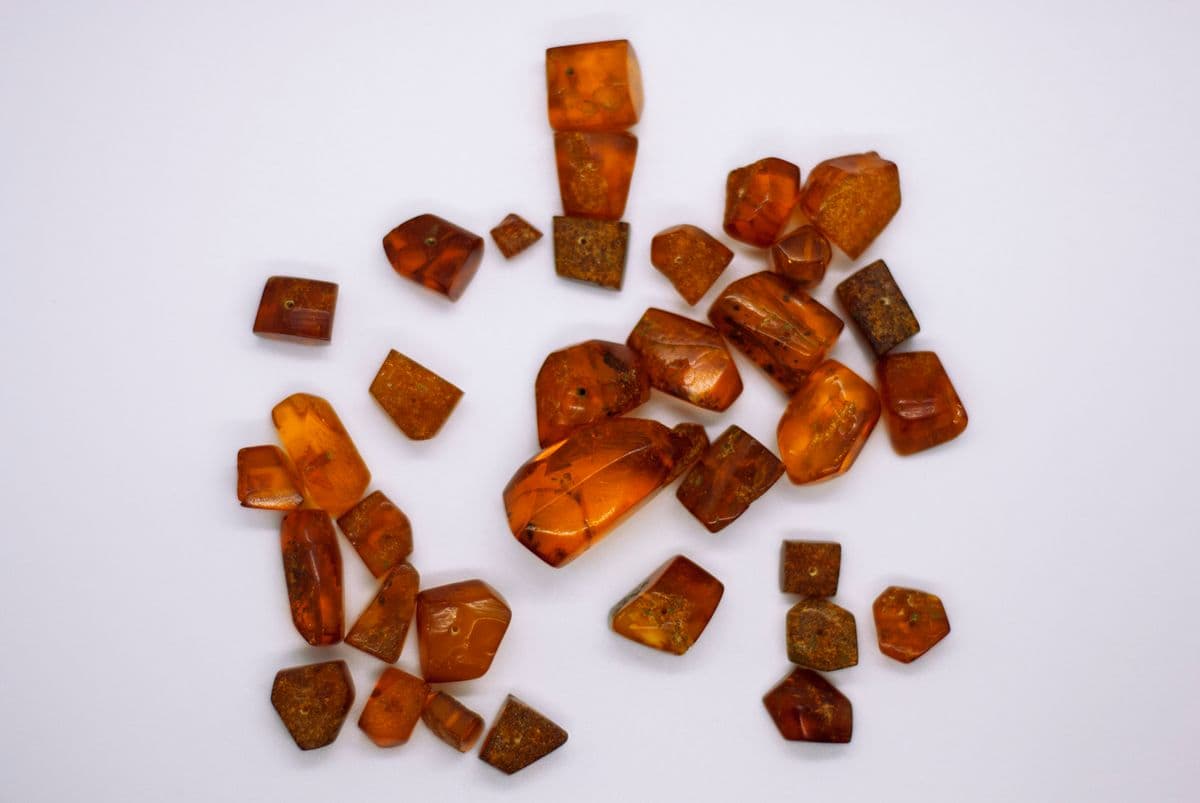
Resin does not usually fail all at once. It gets coated — by iron, by manganese, by silt working past a dead prefilter, or by organic matter that stains it brown and never lets go. Each of the four fouling agents leaves a different signature on the beads, and the honest question is not what caused it but whether a cleaner will bring the capacity back. For two of the four, it will. For the other two, money spent on cleaner is money wasted.
Read the guide Softener Troubleshooting
Water Softener Resin Life and When to Replace It
Every answer to this question is a range, and ranges are useless when you are deciding whether to spend money. The number that actually tells you where your bed stands is not its age but the gallons it treats between regenerations, tracked over time. A sustained fall in that figure is the replacement signal — and knowing it lets you work the one calculation that matters, which is whether new resin in an old tank is still cheaper than a new softener.
Read the guide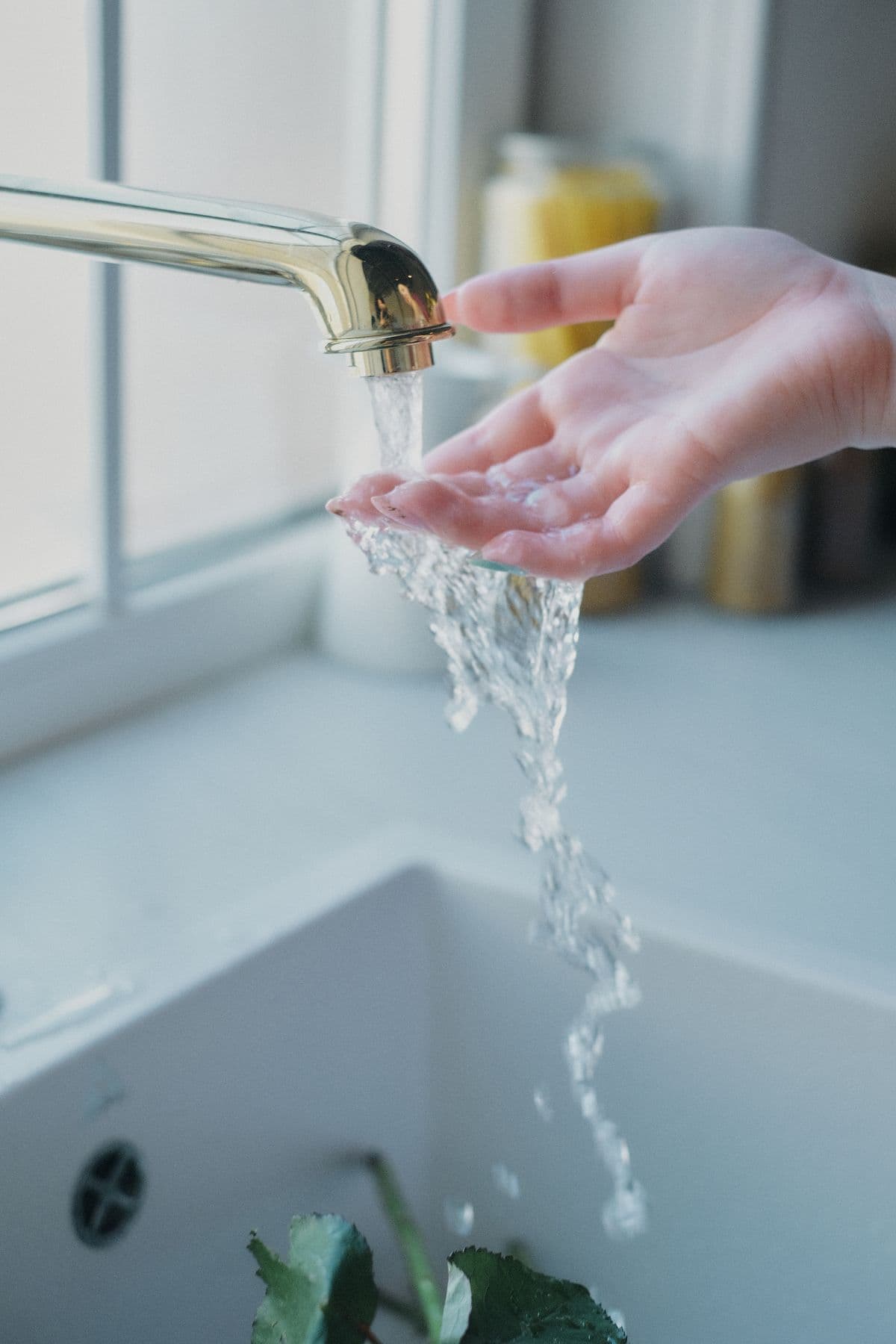 Softener Troubleshooting
Why Chlorine Taste Remains After a Water Softener
Ion exchange moves calcium and magnesium. It has no mechanism for chlorine, so a chlorine taste survives the softener untouched. The part almost nobody tells owners is what that taste implies: chlorine reaching your tap is chlorine that already passed through the resin bed, oxidising it on the way. At 2 ppm that can halve the life of a standard resin.
Read the guide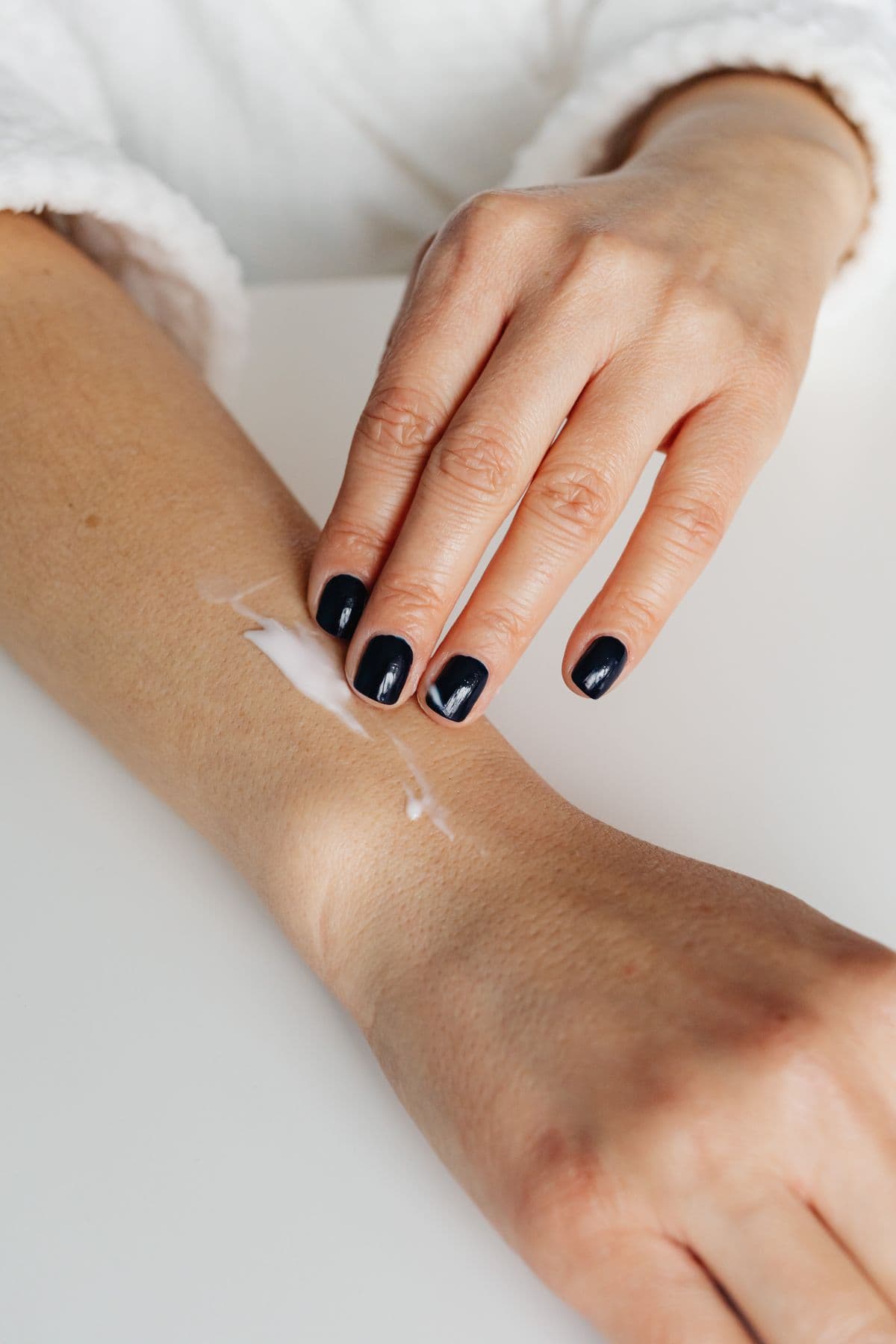 Softener Troubleshooting
Why Dry Skin Can Continue After Installing a Softener
Softening removes one contributor to skin dryness — the surfactant residue hard water leaves behind. It does not change water temperature, shower length, indoor humidity, soap chemistry or whatever your skin was already doing. This article isolates each confounder one at a time, and declines to promise a benefit the industry routinely oversells.
Read the guide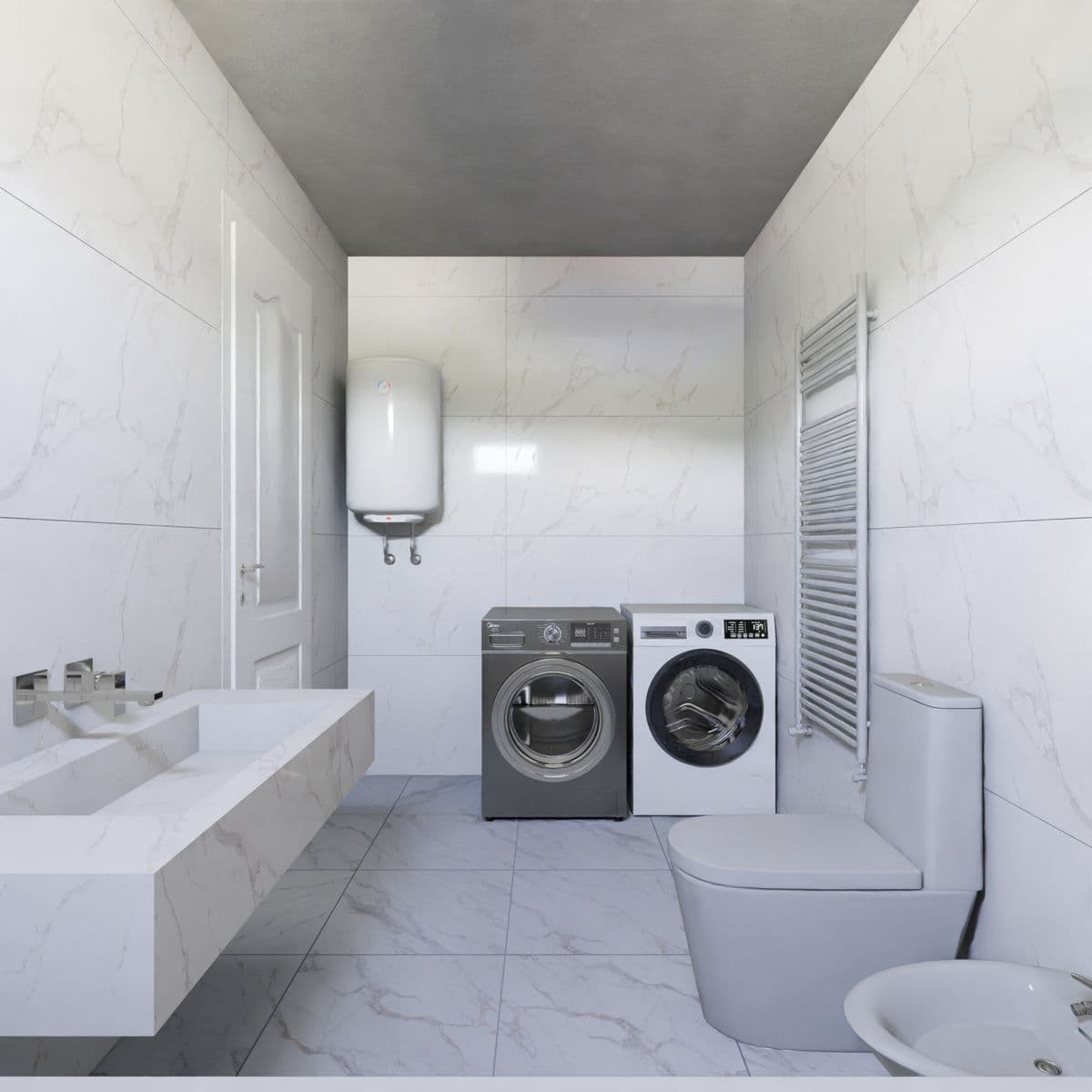 Softener Troubleshooting
Why Hot Water Is Hard but Cold Water Is Soft
There are only two real explanations, and they need opposite responses. Either the water heater was piped upstream of the softener and never will produce soft water, or the tank is simply still full of the hard water and scale it held before installation. The difference shows up in seven days of normal use — and a turnover calculation tells you exactly how many.
Read the guide Softener Troubleshooting
Why Only Some Faucets Have Soft Water
A softener treats everything downstream of where it is plumbed in — and nothing upstream. When one bathroom is soft and another is not, a pipe left the main before the softener did. Testing every fixture and marking a floor plan turns that invisible pipe into a readable pattern, and some of the splits you find were put there on purpose.
Read the guide Softener Troubleshooting
Why White Spots and Soap Scum Remain After Softening
A hardness test reading zero and dishes that still come out spotted is not a contradiction. Three of the four things that leave white marks on glass and tile were never removable by ion exchange — and the fourth is something owners cause themselves by never changing the detergent dose after installation. One dishwasher cycle usually settles which one you have.
Read the guide Softener Troubleshooting
What Causes Black Specks After a Water Softener?
Crushed resin, oxidised manganese and disintegrating rubber seals all look identical floating in a glass — but one is harmless, one is a water chemistry problem, and one means the control valve is failing. A fingertip, a magnet and a splash of vinegar separate them in under a minute.
Read the guide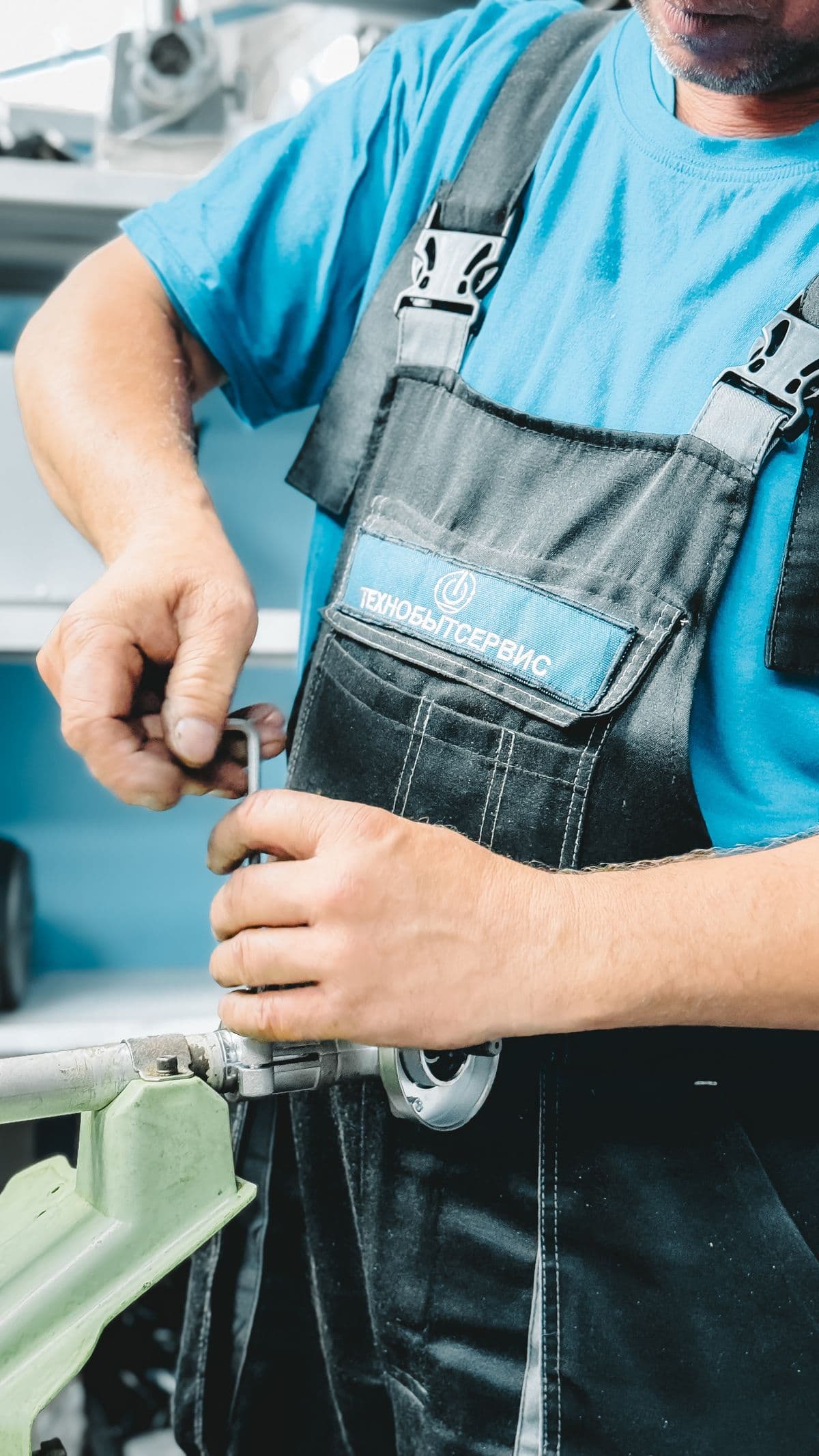 Softener Troubleshooting
Why Resin Beads Appear in Household Plumbing
Amber beads in an aerator are not a nuisance — they are proof that something inside the softener tank has split. The repair itself is cheap; the expensive part is the recovery, because beads reach every appliance inlet screen in the house and most owners clear three of the eleven.
Read the guide Softener Troubleshooting
Why Softened Water Has a Metallic Taste
A metallic taste that arrives with a new softener is rarely the softener's water — it is the plumbing, tasted more clearly. Softening removes hardness that was partly protecting the pipe, and on low-pH water that can raise copper enough to taste. Two samples, ten minutes apart, tell you whether the metal is coming from the supply or from your own house.
Read the guide Well Water
Why a Sulfur Smell Remains After Softening
A softener has no mechanism for hydrogen sulfide, so a rotten-egg smell was never going to disappear when one was installed. The harder case is the smell that appeared afterwards: sulfate-reducing bacteria colonising the resin bed. One test — hot taps versus both — separates the water heater from the well, and a third result points at the softener itself.
Read the guide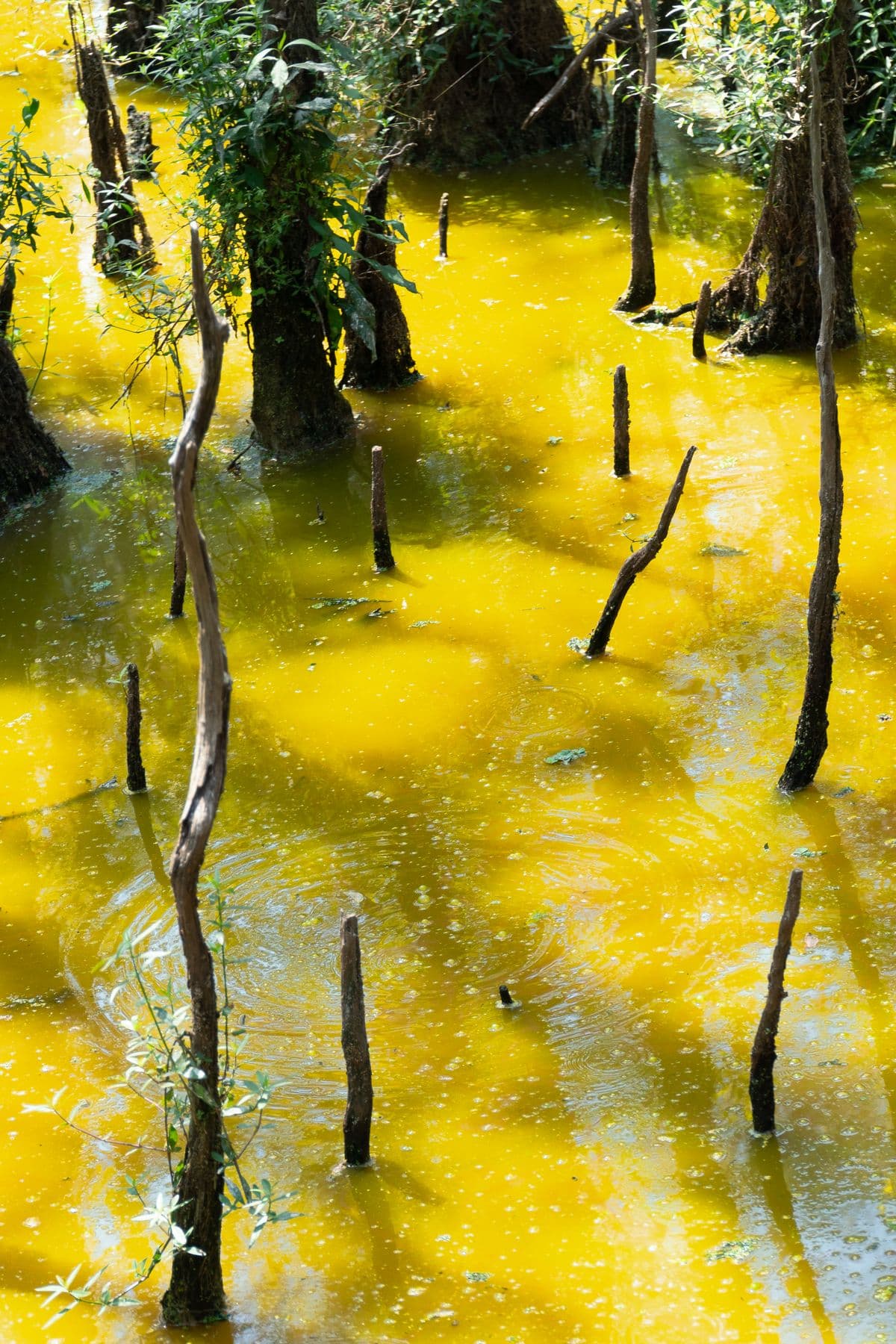 Softener Troubleshooting
Why Softened Water Looks Yellow
Yellow water that a working softener does not touch is almost always organic tannin, not iron. Two tests settle it in an evening: the overnight glass, and a coffee filter. Iron leaves its colour on the paper; tannin goes straight through and stays in the cup — and that single difference decides whether you need a resin cleaner or a completely separate anion tank.
Read the guide