
Why Dry Skin Can Continue After Installing a Softener
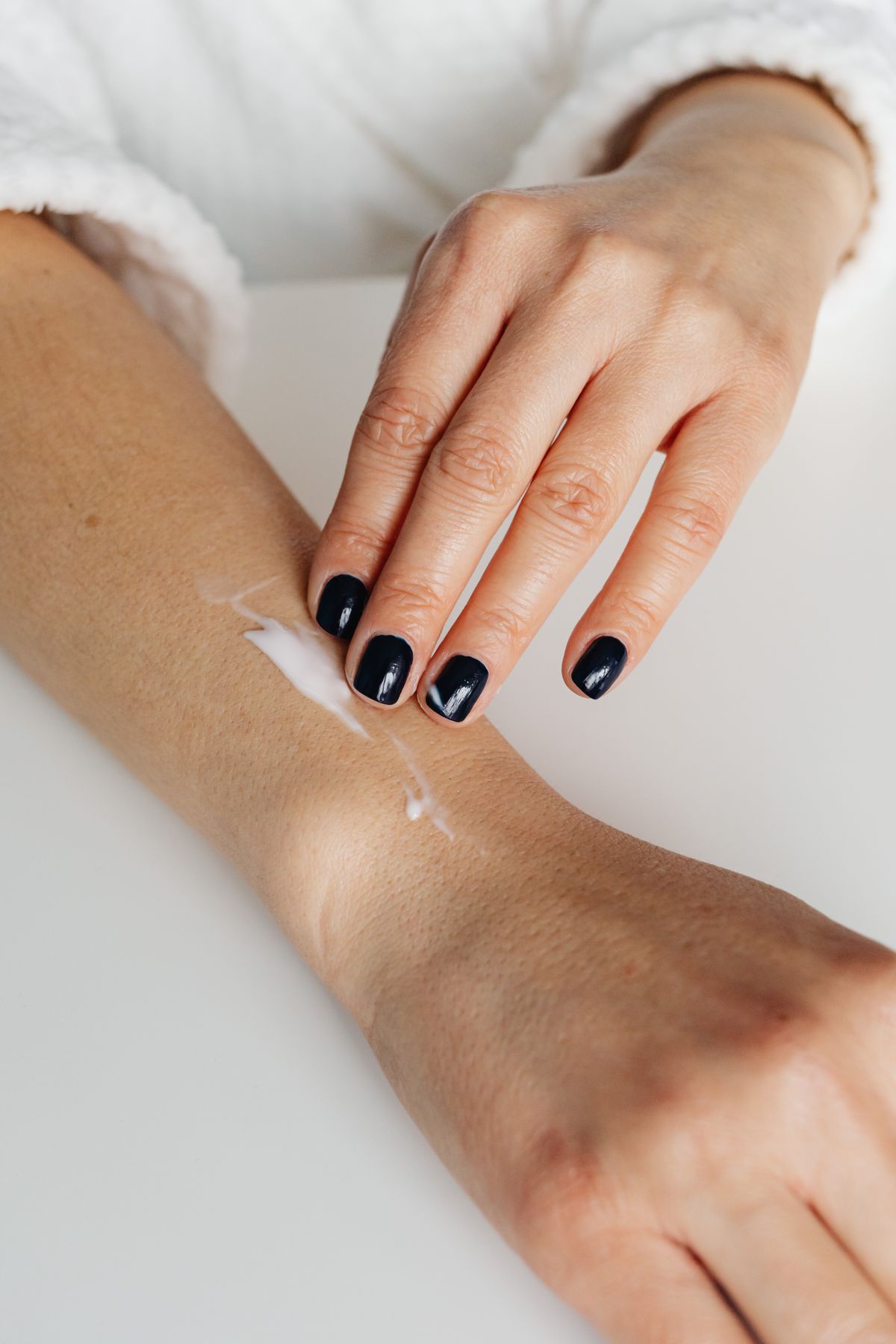
Dry skin after a water softener is common, and it is usually not a fault in the equipment. Softening removes one contributor to skin dryness — the soap residue that hard water leaves behind — and does nothing about water temperature, shower length, indoor humidity, soap chemistry or any underlying skin condition.
This article deliberately does not oversell the benefit. The industry does, routinely, and that is why so many owners arrive at this page feeling they were mis-sold.
What Softening Actually Changes for Skin
There is a real mechanism, and it is worth stating precisely rather than vaguely.
In hard water, the fatty acids in soap react with calcium and magnesium to form insoluble metal soaps — the same curd that becomes bathroom soap scum. Some of that deposits on skin. It is mildly occlusive, slightly rough, and it can disturb the skin barrier and hold irritants against the surface. Remove the calcium and that reaction stops.
So the honest claim is narrow: softening removes soap-scum deposition on skin. That is one mechanism out of several that make skin dry.
| Contributor to dry skin | Does softening change it? |
|---|---|
| Soap scum deposited on skin | Yes — this is the real effect |
| Amount of soap you need | Indirectly — you can use much less |
| Water temperature | No |
| Shower duration and frequency | No |
| Indoor humidity | No |
| Soap and cleanser chemistry | No |
| Chlorine or chloramine residual | No — a softener does not remove either |
| Age-related barrier lipid loss | No |
| Eczema, psoriasis, contact dermatitis | No |
Look at that column. One yes, one partial, seven no. If the softener was the only thing you changed, the expected improvement is proportionally modest — and for many people it is not detectable at all.
Penn State Extension's overview of water softening is a useful check on which claims about soft water have a mechanism behind them and which do not.
The Confounder Nobody Controls For: You Changed Five Things at Once
Almost everyone who installs a softener also changes soap, changes detergent, cleans the bathroom more, and pays new attention to their skin. Then they judge the water.
If you want to know what is actually causing the dryness, isolate one variable at a time. Two weeks each, change nothing else:
| Test | Change | Hold constant | What a result proves |
|---|---|---|---|
| 1. Temperature | Shower warm, not hot | Soap, duration, everything else | Heat was the dominant factor |
| 2. Duration | Cap showers at 5 minutes | Temperature now fixed warm | Contact time was the factor |
| 3. Soap quantity | Half your usual amount | Same soap, same routine | You were over-washing |
| 4. Soap type | Fragrance-free synthetic cleanser, not bar soap | Everything else fixed | Surfactant chemistry was the factor |
| 5. Humidity | Humidifier to 40–50% RH | Winter only | Ambient dryness was the factor |
Run them in that order, because that is roughly the order of effect size for most people. Temperature first is not arbitrary — it is the largest controllable variable in this list and the one people are most reluctant to give up.
A note on the humidifier step: if you run one on softened water, expect white dust on nearby surfaces, because the sodium and remaining dissolved solids aerosolise and settle. That is a known and slightly counterintuitive interaction, explained in humidifier white dust.
Hot Water Is Doing More Damage Than Hardness
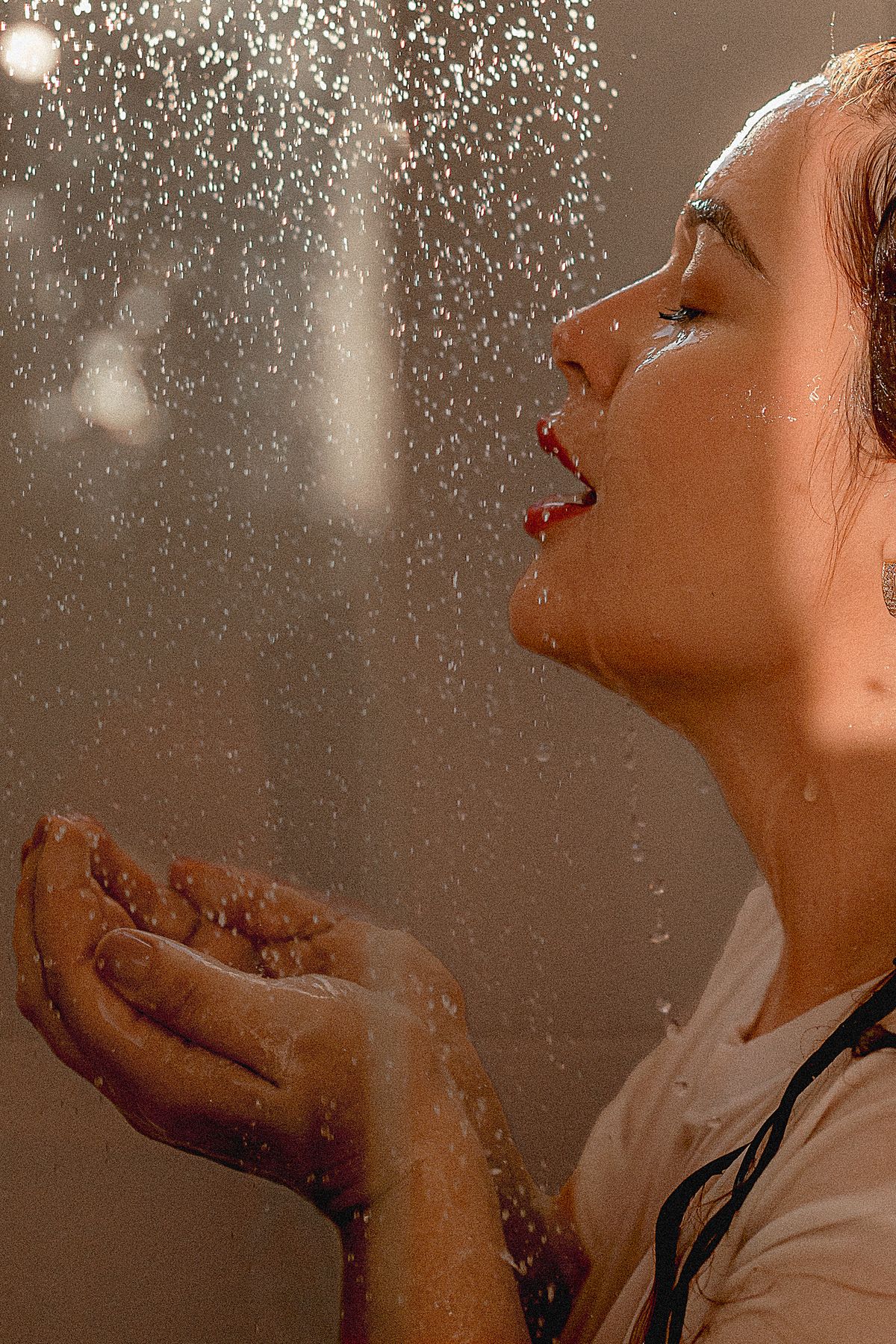
Skin's barrier is a layer of lipids between the outer cells. Hot water dissolves and mobilises those lipids directly — it is the same reason hot water cleans greasy dishes better than cold.
The temperature effect has nothing to do with hardness and is unaffected by treating the water. A hot shower on perfectly soft water still strips lipids.
Three practical points:
- Warm, not hot. If the mirror fogs heavily and your skin is pink when you get out, the water is too hot for your skin barrier.
- Duration beats temperature. A long warm shower removes more lipid than a short hot one. Five minutes is a reasonable target.
- Moisturise within three minutes of getting out, on skin still slightly damp. This traps the water that is still in the outer layer rather than letting it evaporate. It is the single most effective thing in this article and it has nothing to do with your plumbing.
One thing softening does change here is worth noting: on a supply that was previously very hard, the water heater may still be full of legacy hard water for a week or more after installation, so early showers are not a fair test. And if your hot water is permanently harder than your cold, that is a separate plumbing fault entirely — see why hot water is hard but cold water is soft.
The Soap Problem: You Are Almost Certainly Using Too Much
This is the most under-discussed cause of "my skin got worse after the softener."
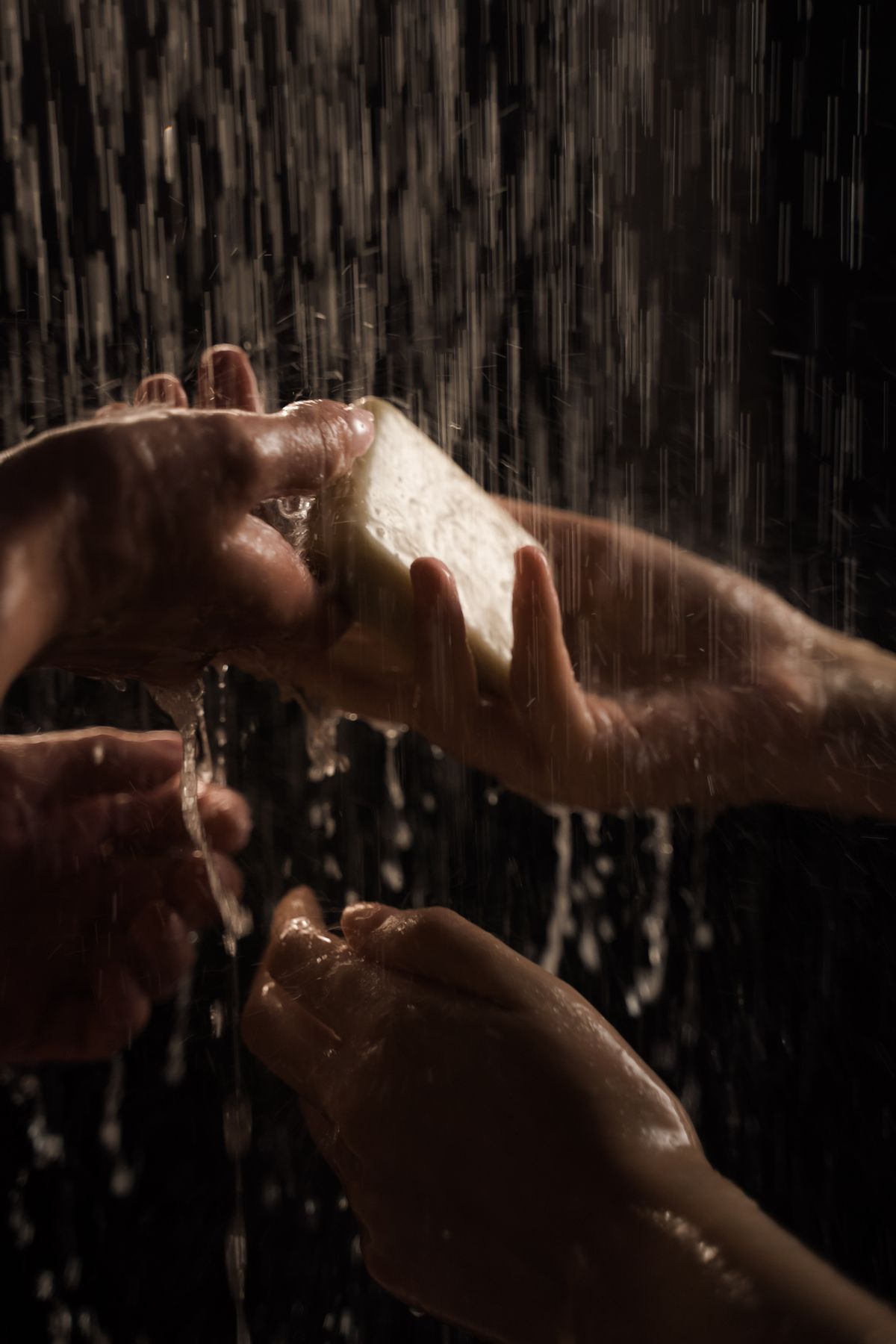
On hard water, a large fraction of the soap you apply is consumed neutralising calcium and magnesium before any cleaning happens. That is why soap will not lather properly in hard water. Remove the hardness and all of it is available to act on your skin.
The consequences, in order of how often they cause complaints:
- You are over-cleansing. The same amount of body wash now strips far more lipid. Nothing about the water is harsh; the dose is.
- You are under-rinsing. More lather takes more rinsing to clear. Soap left on skin keeps acting after you leave the shower.
- You conclude the water is the problem. It is the more visible change, so it gets the blame.
What to do about it:
- Use a quarter to a half of what you used before. Most people find this is still too much and reduce further.
- Switch from bar soap to a synthetic detergent cleanser. Bar soap is alkaline — typically pH 9–10 — while skin sits around 5. Synthetic cleansers can be formulated near skin pH and rinse cleaner. This matters more than hardness ever did.
- Fragrance-free, because fragrance is a leading cause of contact dermatitis that gets misattributed to water.
- Rinse longer than feels necessary, particularly skin folds and the backs of legs.
The slippery feeling that prompts people to over-rinse in the first place is normal and largely not residue — why soft water feels slippery explains the two things contributing to it.
What the Evidence Actually Says About Eczema
This deserves to be stated carefully, because it is where the industry's claims get furthest ahead of the data.
Observational studies have found associations between domestic water hardness and eczema prevalence, particularly in children. Associations are real findings but do not establish that softening helps, because hard-water areas differ from soft-water areas in many other ways.
The interventional evidence is less encouraging. A UK randomised trial that installed water softeners in the homes of children with moderate-to-severe eczema did not find a statistically significant benefit over usual care at the primary endpoint. Individual families reported improvement; the aggregate effect did not reach significance.
The reasonable position:
| Claim | Support |
|---|---|
| "Soft water cures eczema" | None. Do not accept this from a salesperson |
| "Soft water reliably improves eczema" | Not supported by trial evidence |
| "Some individuals report improvement" | Yes, and that is genuine |
| "Softening lets you use much less soap, which helps" | Plausible and mechanistically sensible |
| "Softening removes one environmental irritant" | Accurate and modest |
If skin dryness is severe, persistent, itchy, cracked or accompanied by redness and weeping, it is a medical issue and belongs with a clinician rather than a water treatment dealer. A softener is a plumbing appliance.
What Else Might Be in the Water
If the skin problem started or worsened after installation, and temperature and soap are already controlled, a few water-side possibilities remain:
- Chlorine or chloramine. A softener removes neither, and both are skin irritants for some people. If your water tastes or smells of chlorine, that residual is reaching your skin too — the mechanism and the carbon fix are in why chlorine taste remains after a water softener.
- The softener is over-brining. Excess sodium reaching the tap will not usually irritate skin, but it does indicate a settings problem worth correcting. If the water tastes salty, start with why softened water tastes salty.
- That bathroom is not actually on soft water. Retrofits often miss a branch. If one shower feels different from another, map it using why only some faucets have soft water.
- The softener is not working. Confirm with a test at the tap rather than assuming, since a unit that stopped regenerating produces exactly this complaint.
- Something else entirely. Iron, manganese and pH all affect how water feels and behaves, and problems commonly mistaken for hard water works through the differential.
The CDC's overview of home water treatment systems is a plain reference for which technology addresses which contaminant — useful when a dealer implies one device does everything.
The Limit of This Answer
Some dry skin is not environmental. Barrier function declines with age, thyroid conditions and diabetes affect skin hydration, some medications dry skin as a side effect, and eczema and psoriasis follow their own course. No water treatment changes any of that.
Being told this by a water treatment site rather than after spending two thousand dollars is the point of the article. If you have already installed the softener, the honest framing is that you bought scale protection for your plumbing and appliances — which is a real and measurable benefit — and skin improvement was always a possible bonus rather than a specification.
For what softening does genuinely deliver, what happens to hair and skin on hard water covers the mechanism from the other direction.
What to Do, In Order
- Confirm the water at that shower is actually soft. Test at the fixture, not at the softener.
- Drop the water temperature to warm for two weeks, changing nothing else. This is the biggest lever.
- Shorten showers to five minutes. Contact time matters more than most people believe.
- Cut soap use to a quarter of what you used on hard water, and rinse longer.
- Switch to a fragrance-free synthetic cleanser rather than bar soap. Give it three weeks.
- Moisturise within three minutes of getting out, on damp skin.
- Check indoor humidity in winter and raise it to 40–50% if it is below that.
- Test for chlorine if the water tastes of it, and consider carbon pretreatment — which protects your resin as well as your skin.
- See a clinician if the skin is cracked, itchy, inflamed or not responding. At that point it is not a water question.
The softener removed one irritant. Four bigger ones are still under your control, and all four are free to change tonight.
Frequently Asked Questions
Why is my skin still dry after installing a water softener?
Because hardness was one contributor among several, and the others did not change when the softener did. Hot water strips skin lipids regardless of hardness. Long showers do more damage than hot ones. Low indoor humidity in winter dries skin faster than any water chemistry. Soap pH and surfactant strength matter more than the water they are dissolved in. And some dryness is eczema, contact dermatitis or an age-related drop in barrier lipids that water treatment cannot address at all. Softening removes one variable; it does not remove the condition.
How long does it take to notice softer skin after installing a water softener?
If it happens, most people report a change within two to four weeks — roughly the time for the skin's outer layer to turn over. But two things confound it. The house plumbing needs several days of normal use to fully flush hard water and legacy scale, so the first week is not a fair test. And people usually change several things at once after installation, including soap and shower routine, which makes attribution impossible. Change one variable at a time if you want to know what actually worked.
Can a water softener make skin drier?
It can feel that way, and the reason is usually under-rinsing rather than the water itself. Soft water makes soap far more effective, so the same amount now produces much more lather and needs more rinsing. Soap left on skin keeps working on skin lipids after you leave the shower. The slippery feel people notice on soft water is partly this. The fix is less soap, not less soft water — and people who cut their soap use typically report the sensation resolving within days.
Does soft water help eczema?
The honest answer is that the evidence is mixed and does not support strong claims. Hard water has been associated with eczema in observational studies, particularly in children, but a well-conducted UK trial of installing softeners in the homes of children with eczema did not find a significant benefit over usual care. Some individuals do report improvement. Treating a softener as a medical intervention for eczema is not supported; treating it as one possible environmental adjustment alongside dermatologist-directed care is reasonable.
Is the slippery feeling on soft water soap residue?
Partly, and partly not. Some of it is genuinely soap that has not rinsed away, because soft water lets soap stay soluble and lathering rather than curdling into scum. But a significant part is your own skin — without calcium reacting with soap to form a slightly rough film, your natural oils stay on the skin surface and it feels slick. That second part is not residue and is not a problem. Reducing soap use tells you which one you are feeling.
What should I change first if my skin is still dry?
Water temperature, because it is the single largest controllable factor and it costs nothing to test. Drop the shower to warm rather than hot for two weeks and change nothing else. If that does not help, shorten showers to five minutes. Then cut soap use and switch to a fragrance-free synthetic cleanser rather than bar soap. Then look at indoor humidity if it is winter. Each of those is a bigger lever than water hardness for most people.