
Why Only Some Faucets Have Soft Water
If only some faucets have soft water, a branch of your plumbing left the main line upstream of where the softener is connected. A softener treats everything downstream of its tie-in point and nothing before it, so that branch was never going to soften — and never will until the pipework changes.
You can locate that branch without opening a single wall. It takes a test kit, an hour, and a floor plan.
Before You Map Anything: Three Five-Second Checks

Rule out the trivial explanations first.
- Is the bypass valve in service? A bypass left engaged after a service call or salt delivery makes the whole house hard — so it does not explain a mixed result, but check anyway. A partly open plumbed bypass loop, however, can blend untreated water back in and skew everything.
- Is the unit actually regenerating? If hardness is creeping into more and more fixtures over the course of a day, you have a capacity problem, not a layout problem. That is when hardness returns before regeneration, and it is a completely different fix.
- Was this fixture always hard, or is it new? Always hard means a branch or a deliberate bypass. Recently hard means something changed, and the layout is not what changed.
That third question does more work than any test. Get the answer for every hard fixture before you start.
The Mapping Method
This is the whole article. Done properly it converts an invisible pipe into a pattern you can read.
What you need: one hardness test kit — the same kit for every reading, because strips and drop kits do not agree with each other — a printed or sketched floor plan, and a pen.
The procedure:
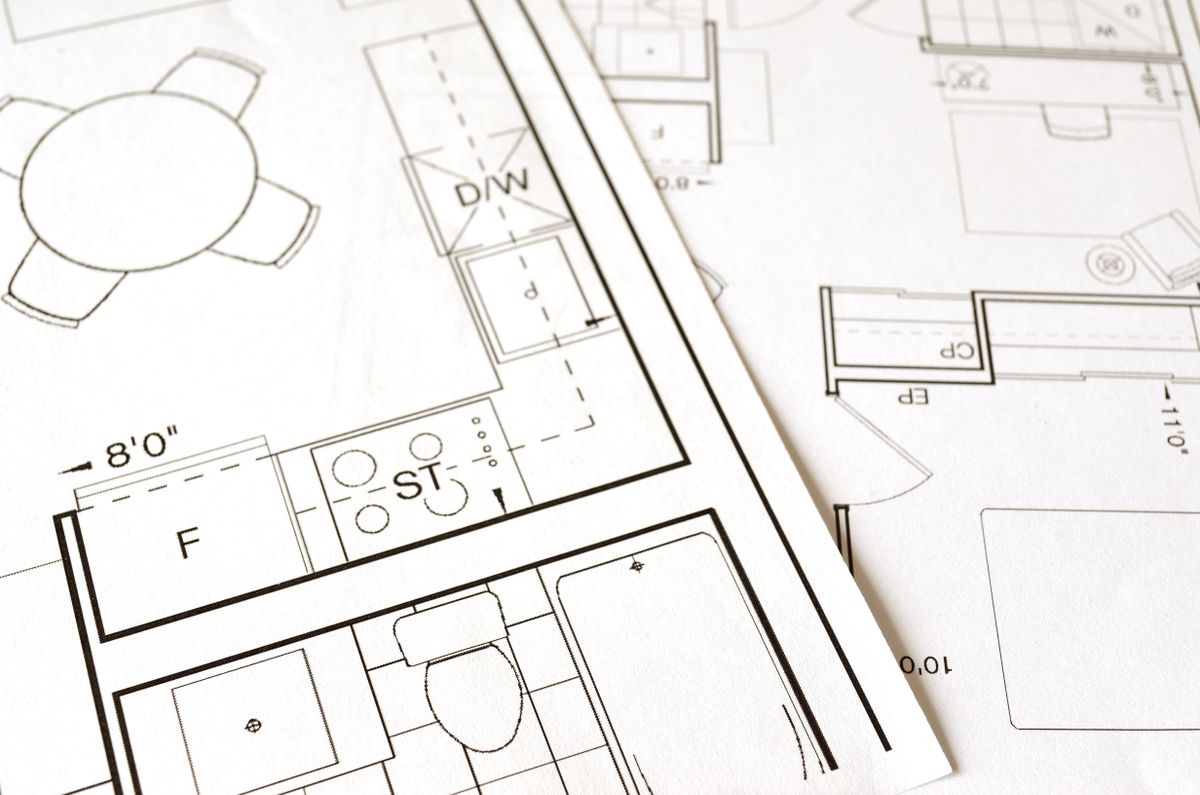
- Sketch the plan. Both floors if you have two. Mark every fixture: each sink, bath, shower, outside bib, laundry connection, dishwasher and ice maker feed.
- Mark the softener and the point where the supply enters the house. If you do not know where the supply enters, look for the main shutoff and the meter.
- Test the softener outlet first. If it is not producing zero, stop — nothing downstream can be soft and you have an equipment fault, covered in why water is still hard after installing a softener.
- Test every cold tap, running each for 30 seconds first to clear standing water. Write the number directly on the plan.
- Test every hot tap separately, letting the sample cool before testing. Hot results have their own explanation and it is not this one — see why hot water is hard but cold water is soft.
- Test outdoor bibs and the laundry connection. These are the most commonly bypassed and their results anchor the map.
- Circle the hard readings. Then stand back and look at the shape rather than the numbers.
Drop kits are worth the extra minute here because they give a number rather than a colour band, and a branch that is partly blended shows up as an intermediate value that strips will round away. The trade-off is set out in hardness test strips versus drop test kits, and the sampling errors that ruin a map like this are listed in common water hardness sampling mistakes.
Reading the Pattern
The pattern names the cause. This is the payoff for testing everything rather than just the fixture that annoys you.
| Pattern on the plan | Almost certainly |
|---|---|
| One wing hard, rest soft | A branch serving that wing tees off before the softener — typical of an addition |
| Upstairs hard, downstairs soft | The riser was taken off the main upstream of the softener |
| Everything hard except near the softener | Softener installed on a sub-branch rather than at the point of entry |
| Outdoor bibs hard, house soft | Deliberate and correct. Stop here |
| Kitchen cold tap hard, everything else soft | Usually deliberate. Confirm with whoever installed it |
| One fixture hard, neighbours soft | Not a branch — that fixture's own supply line or a fouled cartridge |
| Everything slightly hard, nothing at zero | Blending, a partly open bypass, or a valve not seating |
| Hard readings drifting worse through the day | Capacity, not layout |
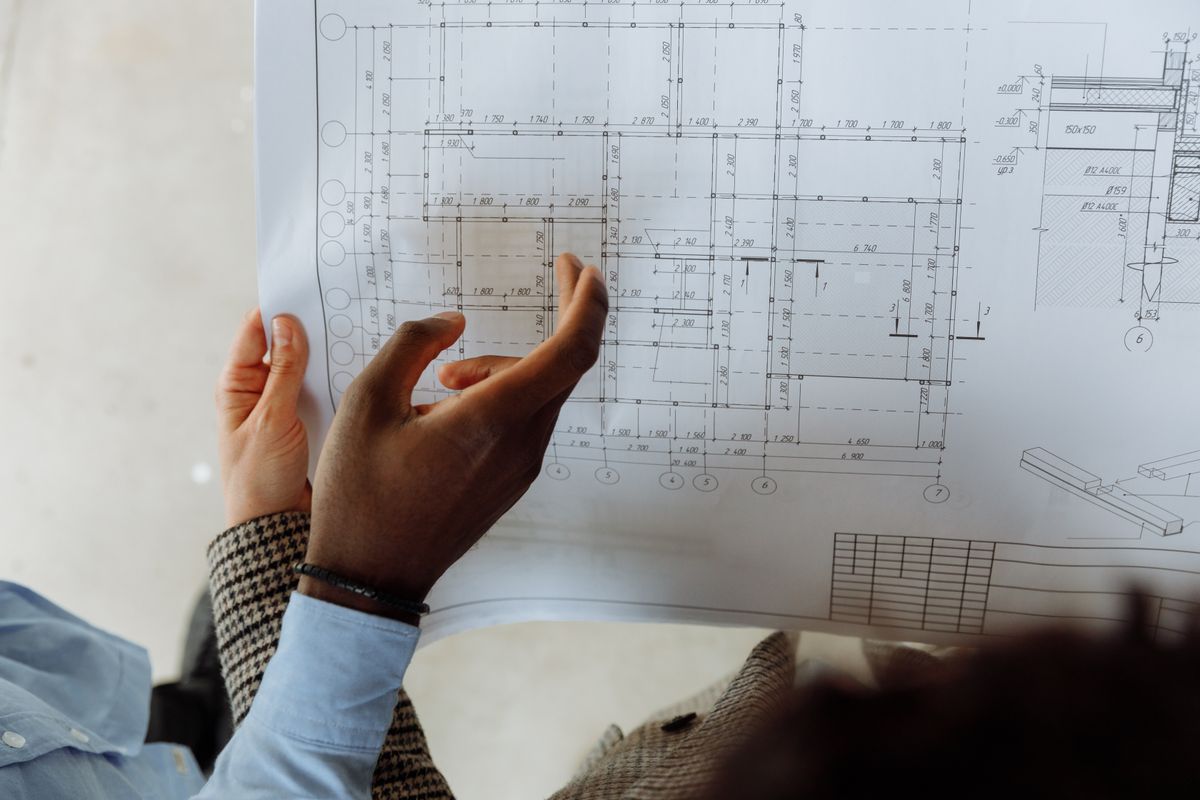
The geometry rule: the split is upstream of every hard fixture and downstream of nothing soft. Draw a line on the plan separating the circled group from the rest, and trace it back towards the supply entry. Where those pipe runs converge is where the tee lives.
Two structural clues that narrow it further:
- Construction phase. Additions, converted garages and finished basements were plumbed separately and often tied into the main at a different point. If the hard group matches a construction era, you have found the reason.
- Floor and riser layout. In two-storey homes the upstairs riser is frequently taken off the main close to the entry point — sometimes deliberately for pressure reasons. If the whole upper floor is hard, look there first.
The Splits That Were Put There on Purpose
Do not chase a fault that is a design decision. Several bypasses are standard practice and correcting them would be a mistake.
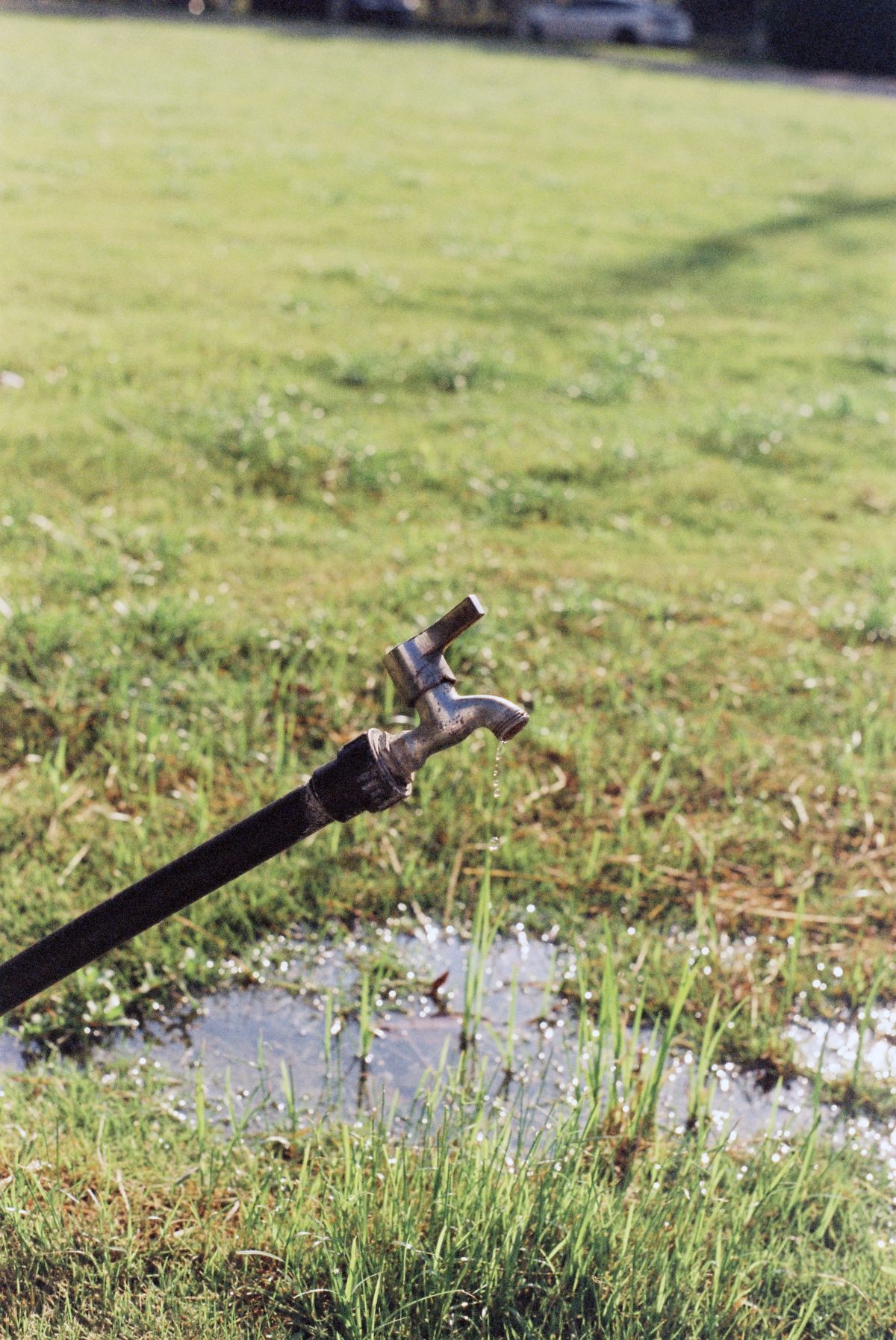
Outdoor hose bibs and irrigation. Softening irrigation water is pure waste — salt, capacity and money spent on water that goes on the lawn. Plants do not benefit, and the sodium is not welcome in soil. Virtually every competent installation leaves these on the untreated line. If your bib reads hard, that is the system working as intended.
The kitchen cold drinking tap. Common, and reasonable. It keeps drinking and cooking water on its original mineral content and avoids the added sodium, which some households prefer for taste or dietary reasons. The EPA's secondary drinking water standards cover the aesthetic thresholds that make this a preference rather than a safety issue. If it bothers you, it can be rerouted — but find out whether it was intentional before assuming incompetence.
A dedicated refrigerator or ice maker line. Goes either way. Softened water makes clearer ice and protects the machine, so most people want it softened. Untreated is usually a leftover from before the softener existed rather than a decision. The consequences are covered in hard water and refrigerator ice makers.
A fire sprinkler or well-pressure loop. Leave alone. These have their own design requirements.
What should not be bypassed:
| Fixture | Bypass acceptable? | Why |
|---|---|---|
| Outdoor bibs / irrigation | Yes | No benefit, wastes capacity |
| Kitchen cold drinking tap | Yes, if preferred | Taste and sodium preference |
| Water heater feed | No | Scale protection is the main financial benefit |
| Showers and baths | No | The comfort benefit people paid for |
| Dishwasher | No | Spotting and element scale |
| Washing machine | No | Detergent efficiency and element life |
| Toilets | Optional | No benefit, but no harm either |
Toilets are the genuinely arguable one. There is no functional reason to soften toilet fill water — it is a meaningful share of household use, and bypassing it saves salt. It is also the fixture where hard water leaves a visible ring, described in the hard water ring in a toilet. Reasonable installers do it both ways.
When It Is Not a Branch at All
If exactly one fixture is hard and the ones either side of it are soft, the pipework is probably fine and something at that fixture is not.
- A fouled aerator. A screen packed with old scale sheds mineral into the sample and skews the test. Pull it and look — scale on faucet aerators covers what you will find.
- A point-of-use filter under that sink, which some cartridges can affect.
- Legacy scale in the fixture's own supply line. Softened water slowly dissolves old deposits, so a rarely used line can read slightly hard for weeks after installation and then clear on its own.
- A test taken wrong. Testing through a filter, after softening water sat overnight in the line, or from a bathroom tap that had not been run. Run every tap properly before recording anything.
- A genuinely different result that is not hardness. Iron, manganese and other minerals read oddly on some kits and are behind a surprising share of complaints — the differential is in problems commonly mistaken for hard water, and the reasons readings vary between taps are in why hardness test results differ between faucets.
The rule for distinguishing them: a branch affects a group of fixtures with something in common. A single odd fixture surrounded by normal ones is almost never a branch.
Fixing It, and What It Costs
Once the tee is located, there are three options and the right one depends entirely on access.
| Fix | When it makes sense | Rough effort |
|---|---|---|
| Reroute the branch to the softened side | The tee is accessible — basement, crawl space, utility room | Half a day for a plumber |
| Move the softener to the true point of entry | Several branches are affected, or the softener is on a sub-branch | Larger job; may need a drain and power at the new location |
| Leave it and use the untreated branch deliberately | The affected fixtures are outdoor, utility or drinking-only | Free |
Before paying for any of it, confirm two things. First, that the softener outlet genuinely reads zero — rerouting a pipe to feed from a failing unit fixes nothing. Second, that the softener has enough capacity for the extra load, because adding a wing that was previously untreated increases daily demand and may push a marginally sized unit into exhausting early.
Penn State Extension's guide to water softening covers the sizing and placement principles worth checking before committing to a plumbing change. If you also run iron or sediment filtration, confirm the order of the whole train before moving anything — a softener placed ahead of iron removal fails quickly.
What to Do, In Order
- Check the bypass valve is in service. Five seconds, occasionally the whole answer.
- Test the softener outlet. Not zero means stop — it is an equipment fault, not a layout one.
- Sketch a floor plan with every fixture, the softener, and the supply entry marked.
- Test every cold tap with the same kit, 30 seconds of running first, and write the result on the plan.
- Test outdoor bibs and laundry separately. These anchor the map.
- Circle the hard readings and read the shape — by wing, by floor, by construction phase.
- Ask whether each hard fixture was always hard. Recent changes are a different diagnosis entirely.
- Rule out the deliberate bypasses before calling anyone. Outdoor and kitchen-cold are usually correct.
- Trace the cold pipe back from one hard fixture towards the entry, and compare against the softener's inlet.
- Get the fix quoted both ways — reroute the branch, or move the softener — because access, not principle, decides which is cheaper.
The thing most people get wrong here is testing only the tap that annoys them. One reading tells you nothing about where the pipe splits. Ten readings on a floor plan usually point at a single joint.
Frequently Asked Questions
Why do only some faucets in my house have soft water?
Because a branch of your plumbing tees off the main line upstream of the softener. A softener treats everything downstream of its connection point and nothing upstream, so any pipe that left the main before that point carries untreated water permanently. This is most common in retrofits, homes with additions, and houses where the softener was installed in a garage or basement some distance from where the supply enters. It is a pipework layout issue, not a fault in the unit.
How do I find which pipe bypasses my water softener?
Test every fixture in the house with the same hardness kit, write each result on a floor plan, and look at the pattern rather than the individual numbers. Fixtures sharing an untreated branch will group together — usually by wing, by floor or by construction phase. Where the soft and hard groups meet on the plan is approximately where the branch leaves the main. That narrows the search to a few feet of pipe before anyone opens a wall.
Are outdoor faucets supposed to be on soft water?
No, and most installers deliberately leave them unsoftened. Irrigation does not benefit from softening, plants do not need it, and softening outdoor water wastes salt and capacity on water that goes onto the lawn. If your outdoor hose bib tests hard while the house is soft, that is almost certainly intentional and correct. The same often applies to a dedicated drinking tap at the kitchen sink, which some households prefer to keep on untreated water.
Can a water softener be installed after the house plumbing has already split?
It can, but it only treats what is downstream of it. If the supply has already branched, a single softener placed on one branch leaves the others untreated. The clean fix is to move the softener to the point of entry, before any branch. Where that is impractical, the alternative is rerouting the affected branches to come off the softened side. Both are plumbing jobs, and which is cheaper depends entirely on how accessible the pipework is.
Why is my kitchen cold tap hard when everything else is soft?
Usually because it was plumbed that way on purpose. Many installers run the kitchen cold tap from the untreated line so drinking and cooking water keeps its original mineral content and lower sodium. It is a common and defensible choice. Check whether the tap was always hard or only became hard recently — always hard points at a deliberate bypass, while a recent change points at something else, such as a softener that has stopped keeping up.
Does a water softener bypass valve cause this?
A bypass valve left in the bypass position makes the entire house hard, not part of it, so it does not explain a mixed result. It is still worth checking first because it takes five seconds and it is a frequent finding after service work or a salt delivery. What can produce a partial result is a plumbed bypass loop with its own isolating valves left partly open, which lets untreated water blend back into the softened line.