
Water Softener Maintenance Schedule: Monthly and Annual

A water softener maintenance schedule comes down to five minutes a month and one hour a year. Monthly: check the salt, probe for a bridge, record the meter, look for leaks and test a tap. Yearly: clean the brine tank and injector, test raw against soft water, and check the settings. Those two routines prevent most faults that lead to service calls.
The monthly meter reading is the piece most people leave out, and it is the most useful. It shows capacity loss months before the water turns hard.
The Water Softener Maintenance Schedule at a Glance
| When | Time | Tasks |
|---|---|---|
| Monthly | 5 minutes | Salt level, bridge probe, meter/gallons reading, external leak check, hardness test at one tap |
| Every 2–3 months | 10 minutes | Sediment prefilter pressure drop (if fitted), drain line and air gap check |
| Twice a year | 15 minutes | Resin cleaner on iron water; brine tank inspection with rock salt or iron |
| Annually | About 1 hour | Brine tank clean, injector and screen, raw vs soft test, settings and clock, bypass exercised, full external inspection |
| After any power cut | 1 minute | Clock and time of day on timer and older demand units |
| After plumbing work or a long absence | 5 minutes | Bypass position, leak check, manual regeneration |
Every task on this schedule is something an owner can do without tools beyond a bucket, a test kit and a screwdriver. Anything that needs the valve opened or the tank depressurised is where when to call a water softener technician takes over.
The Monthly Five Minutes

Do these in the same order every month so none gets skipped.
- Salt level. Lift the lid and note the height. Keep it between one third and two thirds. Topping up to the rim is what causes bridges.
- Probe for a bridge. Push a broom handle down through the salt in two or three places. A hard crust with a hollow drop beneath is a bridge. The ten-second check and the fix are in how to identify and break a salt bridge.
- Record the meter. Write down the gallons since the last regeneration, or the regeneration count, whichever your control head shows. This is the reading the next section is built around.
- Walk round the outside. Look at the base of both tanks, the valve, the bypass, the drain line and the floor. The specific points are listed further down.
- Test one tap. A hardness strip or drop test at a cold kitchen tap. It should read at or near zero. If it does not, see how to check if your water softener is working.
What a normal month looks like: the salt level has fallen noticeably since last month, the probe goes down through loose, damp salt, the gallons figure is similar to last month's, the floor is dry and the tap reads soft. Five minutes, and nothing to do.
The two readings people misread. A salt level that has not moved is not good news. It means salt is not being used, which points to a bridge or no brine draw. A salt level that has dropped far more than usual is also not good news. It means the unit is regenerating more often than it should, and the log tells you why.
Gallons Between Regenerations: The Number That Warns You First

This is the one column that turns a routine checklist into an early warning system.
A demand-initiated softener regenerates when it has treated a set number of gallons, worked out from its capacity and your hardness setting. If the resin is healthy and the settings unchanged, that number is essentially fixed. If the resin is losing capacity, whether from fouling, chlorine damage or channeling, the unit either keeps regenerating on the same gallons while hardness leaks through at the end of each cycle, or, on units that adapt, it regenerates sooner.
What to record each month:
- Gallons since the last regeneration, or gallons remaining, from the display.
- Regenerations in the month, if your unit counts them. Many show this in a diagnostic or history menu, and the manual tells you where.
- Hardness at the tap on the day before a scheduled regeneration, at least quarterly. That is when a weakening bed shows it first.
- If the head shows nothing useful, read the house water meter each time the softener regenerates and subtract.
How to read the trend:
| What the log shows | Likely cause | Next step |
|---|---|---|
| Steady gallons, soft water, steady salt use | Healthy | Nothing |
| Regenerating more often, same household | Settings changed, or a leak downstream (running toilet) | Check the hardness setting and look for leaks |
| Same gallons, but hardness shows before regeneration | Resin capacity falling | Pull a resin sample and look for fouling |
| Salt use jumped, gallons unchanged | Brine refill too long, or brine tank overfilling | Check the refill setting and the float |
| Salt use dropped to nothing | Bridge, blocked injector or no brine draw | Probe the salt, then clean the injector |
| Gallons swing wildly month to month | Household use varies, or the meter turbine is sticking | Compare against the house water meter |
A fall of 20% or more over a year is worth investigating even if the water still tests soft. That is the stage where a resin cleaner or a pretreatment fix is cheap. Leave it a year and the answer is usually new resin.
External Tank Inspection Points That Catch Floods Early
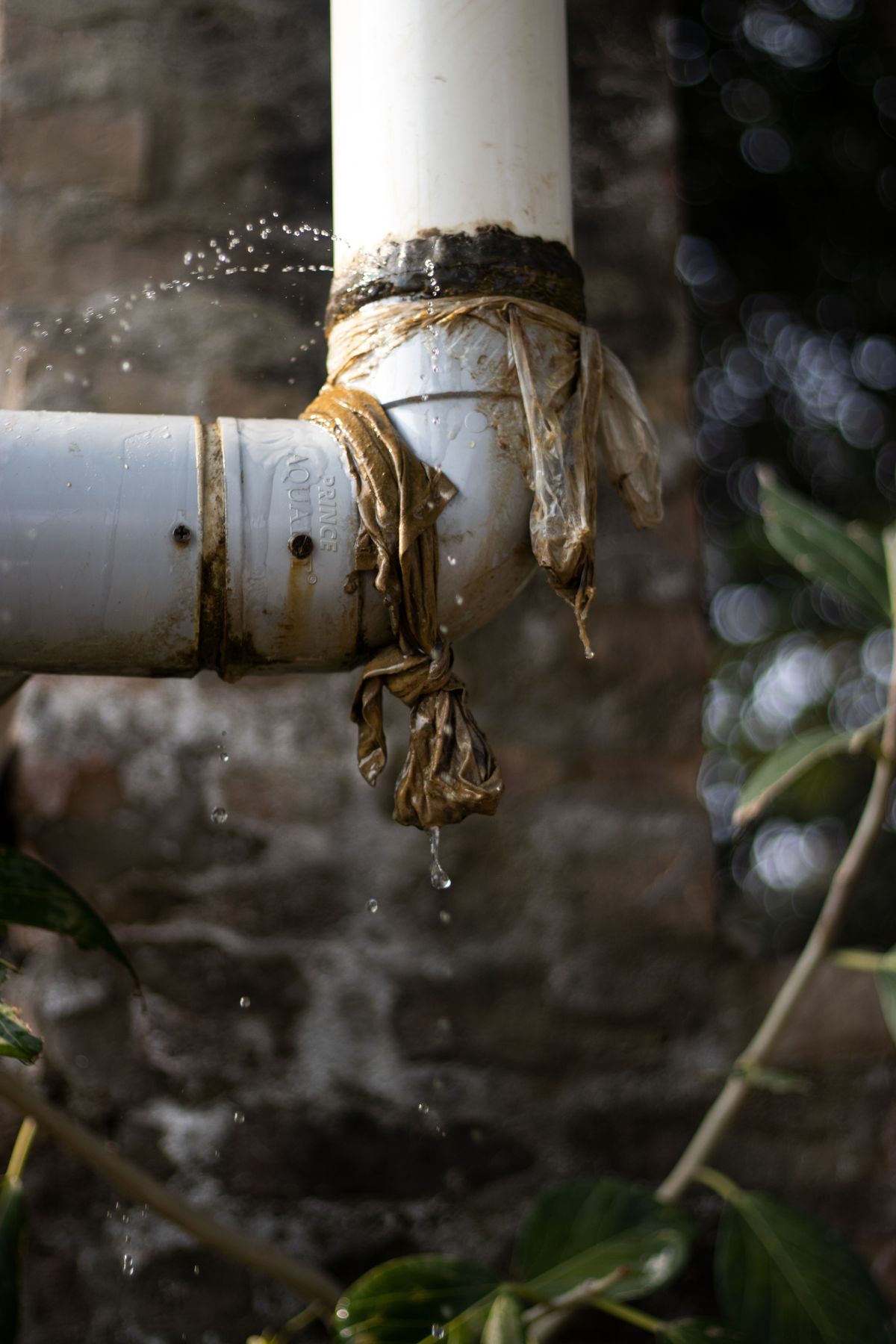
A softener sits under mains pressure all day, every day, usually in a basement or utility room nobody visits. Most water-damage failures start as a small seep that was visible for weeks. These are the places to look.
| Point | What to look for | Why it matters |
|---|---|---|
| Mineral tank base | Damp rings, white salt crust, bulging or soft spots | Tank failures start at the base. A bulge in a fibreglass tank is a replace-now sign |
| Tank neck and valve threads | Weeping or crust where the valve screws into the tank | Leaks here get worse with every pressure cycle |
| Bypass valve | Drips around the handle or body | O-rings harden with age. An exercised bypass can start weeping |
| Inlet and outlet connections | Corrosion, green staining on copper, drips at couplings | Flex connectors and clips age out |
| Drain line | Kinks, a line that has pulled out of the drain, no air gap | A loose drain line empties regeneration water onto the floor |
| Brine line | Cracks, loose fittings, air bubbles in the line | Loose fittings stop brine draw and can siphon |
| Brine tank overflow | Water in the overflow line or on the floor | Means the float or refill has failed |
| Brine tank walls | Cracks, especially near the base in cold rooms | Polyethylene gets brittle with age and cold |
| Floor around both tanks | Staining, efflorescence, rust marks | Evidence of past leaks that dried before you saw them |
| Power | Transformer plugged in, cord undamaged, display lit | A dead display means no regeneration at all |
A cheap flood alarm on the floor beside the tanks is worth fitting. It will not stop a leak, but it tells you within minutes rather than weeks.
Which findings mean stop and call someone: a bulging or cracked mineral tank, water leaking from the tank-to-valve joint, or any leak you cannot isolate with the bypass. Those are not tighten-and-watch jobs.
The Annual Hour

Do it at the same time every year, when the salt is low and you have an hour free. Spring works well, since it catches any damage from a cold winter.
- Put the unit in bypass, slowly. Doing this once a year keeps the bypass free. A bypass that has not moved in five years is the one that seizes on the day you need it.
- Clean the brine tank. Remove the salt and water, lift out the brine well and float, scrape out the sludge and read what colour it is. The full sequence is in how to clean a water softener brine tank.
- Clean the injector and its screen. On most valves it sits behind a small cap on the side of the head. Unscrew it, take out the nozzle and throat, and rinse them clear. Never push anything metal through the holes. Take a photo before dismantling anything, and check the manual.
- Check the float and safety shut-off move freely through their full travel.
- Test raw and softened water side by side. Raw from an untreated tap or with the unit in bypass, soft from the kitchen. The raw figure tells you whether the hardness setting is still right. Supplies change, especially wells.
- Check the settings. Hardness, time of day, regeneration time and salt dose. Compare them with what you wrote in the log last year.
- Change the sediment prefilter if pressure drop says it is due. The change rule is in when to replace a sediment prefilter.
- Clean the resin if the water has iron, or if the log shows falling capacity. Dose and method are in water softener resin and iron cleaners.
- Do the full external inspection from the table above.
- Reassemble, add water and salt, come out of bypass, wait four hours, and run a manual regeneration. Watch that the brine level falls during the draw stage.
The between-schedule checks. Two events should trigger a quick look regardless of the calendar. After a power cut, check the time of day on the display. Timer units and some older demand units lose the clock, and then regenerate at 2 p.m. instead of 2 a.m., in the middle of the day's water use. After any plumbing work, or when you come home from a long absence, check that the bypass is in the service position. Then look for drips at the connections and run a manual regeneration before trusting the water. A bypass that a plumber left half-open is one of the most common reasons "the softener stopped working".
Every 3–5 years, add one more check. Pull a small resin sample and look at the beads. On chlorinated water, also check the carbon prefilter if one is fitted, because that is what is protecting the bed.
The Printable Maintenance Log
One sheet, taped to the brine tank lid. Monthly lines go at the top, the annual record at the bottom. After two years the gallons column alone tells you more about the softener's health than a service visit would.
Monthly record
| Date | Salt level (⅓ / ½ / ⅔) | Bridge? (Y/N) | Gallons since last regen | Regens this month | Tap hardness (gpg) | Leaks / notes | Initials |
|---|---|---|---|---|---|---|---|
Annual record
| Date | Raw hardness (gpg) | Iron (mg/L) | Hardness setting | Brine tank residue (colour, depth) | Injector clean? | Prefilter changed? | Resin cleaned? | Settings checked | Notes |
|---|---|---|---|---|---|---|---|---|---|
The residue column matters. Grey grit means your salt grade. Orange means iron coming back from the resin. Recording the depth each year shows whether a change of salt worked.
Keep the log with the manual and the installation receipt. If you ever make a warranty claim, a dated record of maintenance is the best answer to a "neglect" exclusion.
What This Schedule Will Not Catch
- Health contaminants. A softener is not a treatment for bacteria, nitrate, arsenic or lead, and a hardness test says nothing about them. Private well owners need separate periodic testing. The EPA's guidance for private drinking water wells covers what to test and when.
- Internal valve wear. Seals and spacers inside the control valve wear gradually. The log shows the symptoms, such as water running to drain or salt use drifting, but the fix is inside the valve.
- Failures with no warning. A cracked tank neck after a hard freeze, or a burst connector, can happen between checks. The floor alarm is the answer to those, not the calendar.
- Wrong sizing. No amount of maintenance fixes a softener that is too small for the household or the hardness.
Penn State Extension's overview of water softening makes the same general point: read the manufacturer's instructions before adding any chemical, and treat iron and sediment before the softener rather than relying on the softener to cope with them.
The Routine, In Order
Monthly, 5 minutes:
- Salt between ⅓ and ⅔.
- Probe for a bridge.
- Record gallons and regenerations.
- Walk the external inspection points.
- Test one tap.
Annually, about 1 hour:
- Exercise the bypass.
- Clean the brine tank and read the residue.
- Clean the injector and screen.
- Check the float.
- Test raw and soft water, and update the hardness setting.
- Check all settings.
- Change the prefilter on pressure drop.
- Clean the resin if there is iron or falling capacity.
- Reassemble, wait four hours, regenerate manually and watch the brine draw.
A water softener maintenance schedule is only as good as the record it leaves. The tasks prevent faults, and the gallons column gives you warning of the ones they cannot prevent, while there is still time to deal with them cheaply.
Frequently Asked Questions
How often should a water softener be serviced?
Check it yourself monthly, in about five minutes, and give it a fuller service once a year, which takes about an hour. The monthly check covers salt level, a salt bridge probe, the meter reading and a look for leaks. The annual service adds cleaning the brine tank, cleaning the injector and screen, testing raw and softened water, and checking the settings. A professional visit is only needed when the log or a test points to a fault you cannot fix.
What maintenance does a water softener need?
Keeping salt between a third and two thirds full, breaking up any crust, checking for leaks around the tanks and valve, confirming it is regenerating, testing hardness at a tap, cleaning the brine tank about once a year, cleaning the injector and its screen, changing any sediment prefilter when pressure drop says so, and cleaning the resin on iron-bearing water. Recording the gallons treated between regenerations each month turns that routine into an early warning system.
How often should I add salt to my water softener?
Check it monthly and top up when the level falls to about a third, filling to no more than two thirds. How often that is depends on hardness, household size and the softener's efficiency. A typical family on moderately hard water adds a bag or two a month. A salt level that has not moved in a month is not a sign of efficiency. It usually means a salt bridge or no brine draw.
Do water softeners need to be cleaned?
The brine tank needs cleaning roughly once a year, and twice a year with rock salt or iron-bearing water. The resin does not need routine cleaning on clean municipal water, but on well water with iron it benefits from a resin cleaner once or twice a year or a small dose with every regeneration. The injector screen should be cleaned annually because it is where debris collects first.
How long does a water softener last with proper maintenance?
A well-maintained softener on clean water commonly lasts 10 to 15 years, and the resin can outlast the control valve. Iron, chlorine and sediment shorten resin life considerably. Neglect usually shows up first as rising salt use and more frequent regenerations, which is why logging gallons between regenerations matters more than any single annual task.
Should I bypass my water softener when on vacation?
For a week or two, most demand-initiated units simply stop regenerating because no water is used, so bypass is not necessary. For longer absences, bypass the unit and shut off the supply if the house is left empty, to limit the risk of a leak going unnoticed. When you return, take it out of bypass and run a manual regeneration before relying on it.