
Research Library
Hard water and water softeners, explained clearly
 Installation and Setup
How Much Salt Does a Water Softener Use?
There is no single right amount. A softener's salt use is set by three things you can look up: how much water the house uses, how hard it is, and the salt dose the valve is set to. Put those together and you get an expected monthly figure for your own home. That figure is more than a shopping list. Compared against what you actually pour in, it tells you whether the softener is healthy, mis-set or faulty.
Read the guide Installation and Setup
How Much Space Does a Water Softener Need?
A typical two-tank softener covers about 30 by 24 inches of floor and a cabinet unit about 14 by 21 inches, but the footprint is the easy part. This guide gives dimensioned clearances for both styles, including the overhead room to lift the control valve off for service, which is the measurement most installs miss.
Read the guide Cost and Ownership
How Much Water Does a Water Softener Use Each Year?
A working metered softener sends roughly 2,500 to 3,500 gallons a year to the drain in a typical home, which is under 3 percent of household use and less than the average home loses to leaks. The same softener on a cautious timer can double that for no benefit. Here is the arithmetic, the manufacturer's per-cycle figures behind it, and the settings that actually move the number.
Read the guide Installation and Setup
How Much Water Does Softener Regeneration Use?
One regeneration on a typical 1.5 cubic foot softener sends roughly 55 to 105 gallons to the drain, depending on the salt setting and tank size. That sounds like a lot until you set it against a household's year: on a metered valve it is about 3 to 4 percent of the water the house uses. On a nightly timer it can be more than a quarter. This page works the number out stage by stage, then ranks the settings that actually reduce it.
Read the guide Installation and Setup
How Often Should a Water Softener Regenerate?
There is no universal right interval. Your softener's capacity divided by what your household uses each day gives the answer, and for most homes it lands between three and seven days. Daily cycling or a bed that sits for weeks both mean something needs attention, and the worksheet shows which.
Read the guide Sizing and Buying
How to Compare Water Softener Spec Sheets
Two softeners with the same grain number can be completely different machines. The six specs that separate them, a worksheet to line them up, and how to find out who really made the valve.
Read the guide Installation and Setup
How to Connect Water Softener Drain Tubing
A softener's drain line has four connections, and each common shortcut causes a specific failure. A tube half on the barb blows off during backwash. A clamp in the wrong place seeps. An unsupported run sags and kinks. A tube pushed into the drain to stop a splash becomes a cross-connection. This guide covers the correct version of each connection, how to choose the clamp, how to support the run, and how to end the line at the air gap.
Read the guide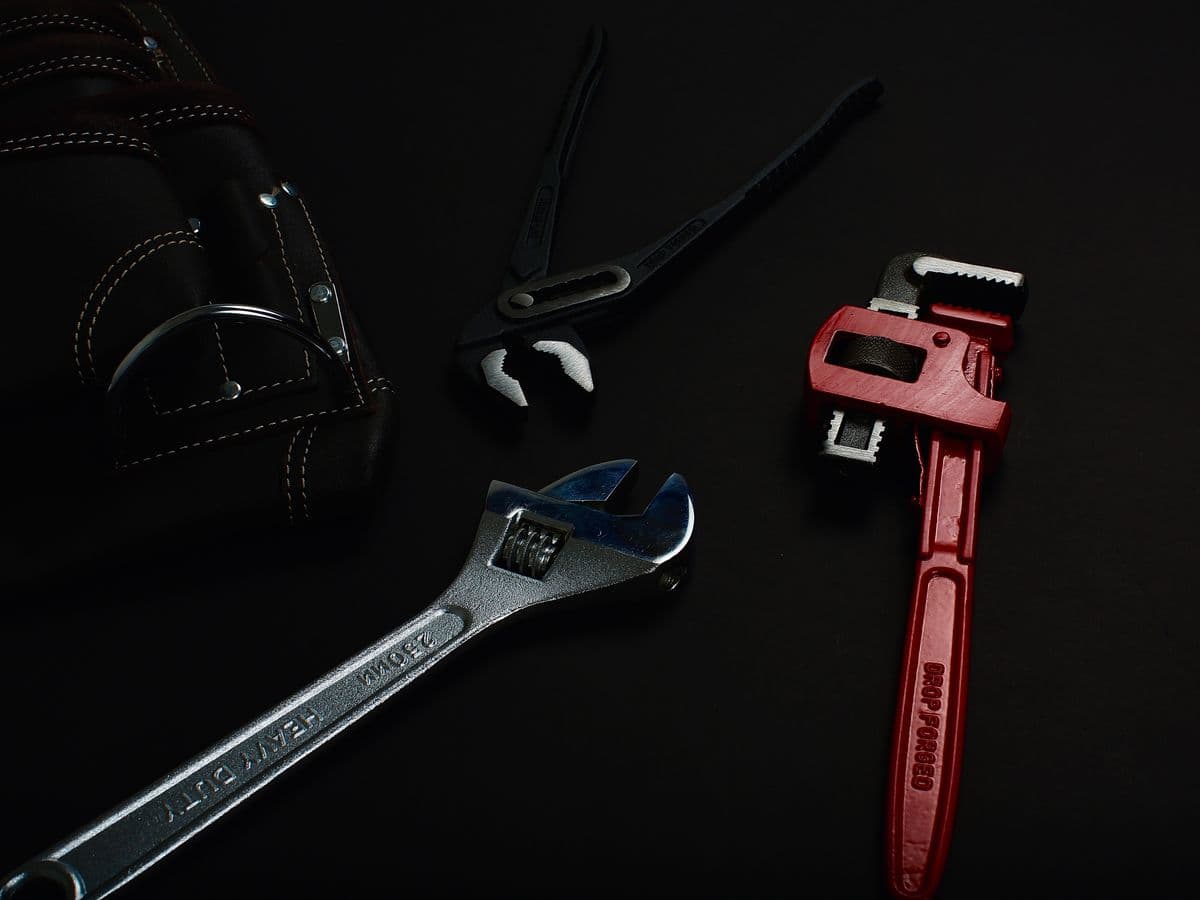 Installation and Setup
How to Install a Whole-House Water Softener
A straightforward whole-house softener install takes about four hours. The order matters more than the skill: cut the main before proving the shutoff holds, skip securing the drain line, or open the bypass too fast, and you have water on the floor. This walkthrough puts each tool and part in the step that needs it, flags the three flood points, and is honest about which parts a competent DIYer should hand to a plumber.
Read the guide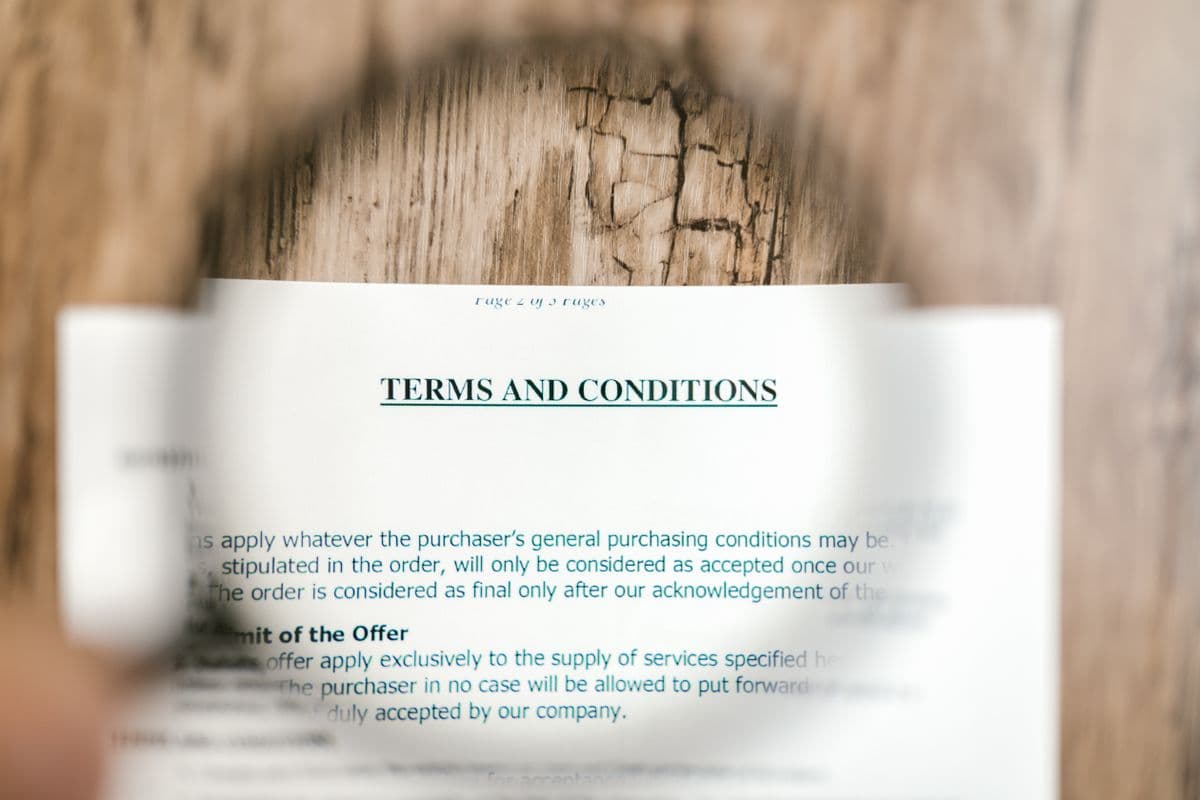 Cost and Ownership
How to Read a Water Softener Warranty
A '10-year warranty' on a softener almost never means ten years on the whole thing. Read five published warranties side by side and the pattern is clear: long terms on the tanks that rarely fail, shorter terms on the valve that does, labour excluded, and a list of conditions about installation, water quality, freezing, maintenance and moving that decides whether a claim is paid at all.
Read the guide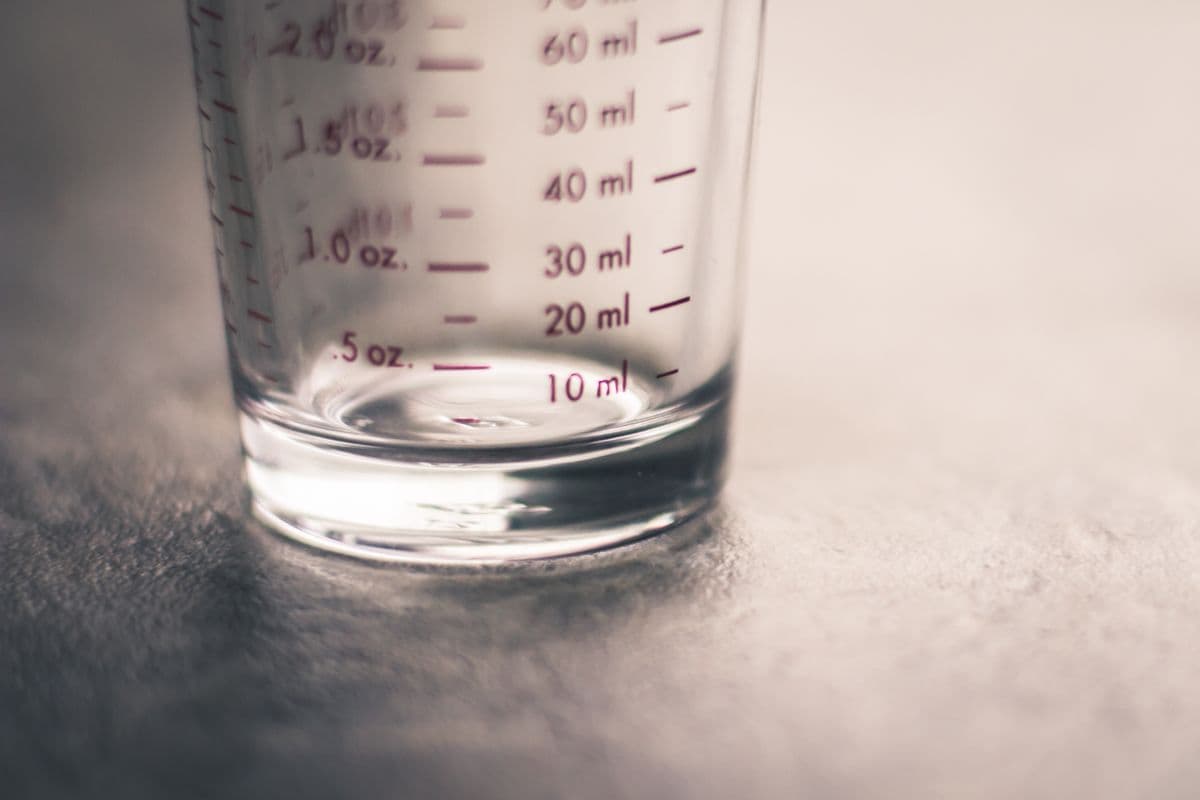 Softener Troubleshooting
How to Sanitize a Water Softener
Sanitizing a softener is simple, and the dose is where people go wrong. The manufacturer figure is 1.2 fluid ounces of 5.25% bleach per cubic foot of resin, poured into the brine well before a regeneration. This page turns that into a dosing table by tank size with the ceiling marked, gives one procedure for both a new install and a contaminated system, and ends with the checks that decide when the water is back in drinking service.
Read the guide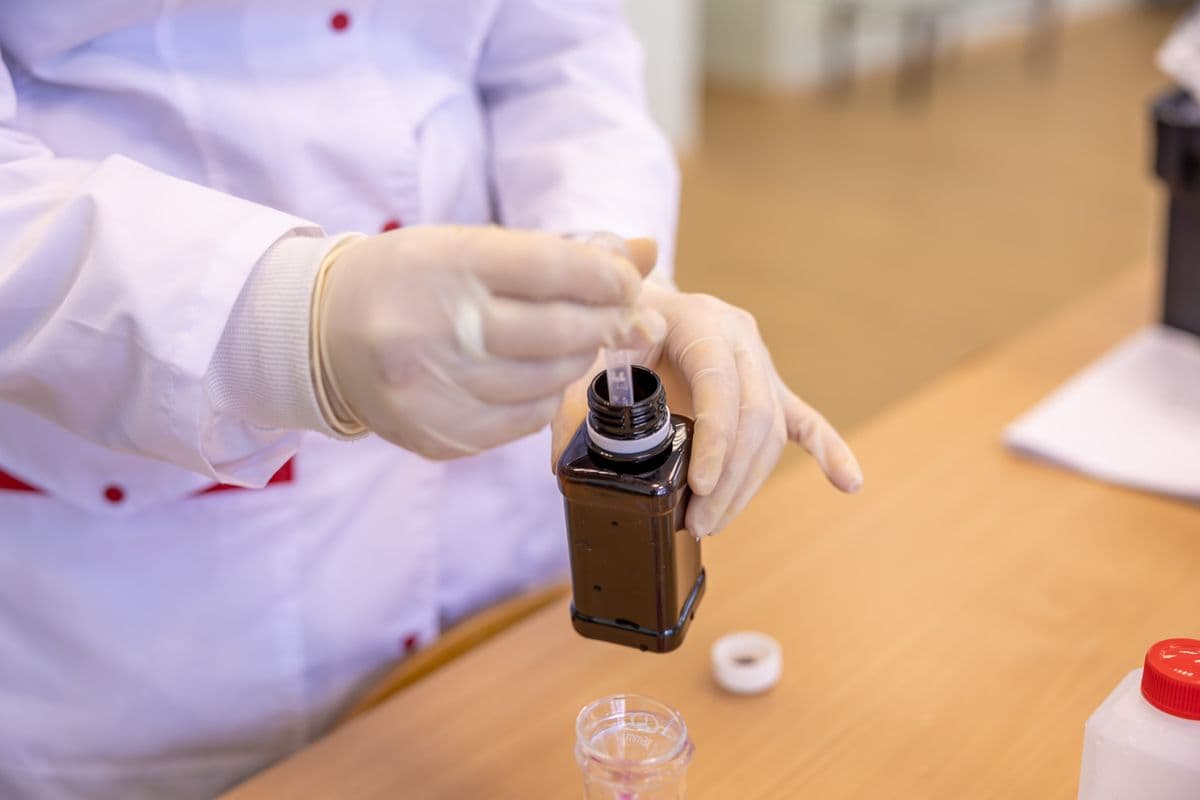 Installation and Setup
How to Set Water Hardness on a Control Valve
The hardness number on a softener's control valve decides how often it regenerates, and nothing else. Enter it in the wrong units and the valve is off by a factor of 17.1 in one direction or the other. This guide covers the conversion, the iron allowance two manufacturers publish, the clock that decides when regeneration actually runs, entry sequences for common valve families, and when to reprogram.
Read the guide Installation and Setup
How to Set Capacity and Reserve on a Water Softener
Capacity and reserve are entered in the same programming session and the valve combines them into one number: how many gallons it lets you use before it regenerates. Capacity has to be the grains your resin delivers at the salt dose you chose, not the rating on the box. Reserve has to cover the water you use between the valve's nightly check and the next one. Get either wrong and the house runs out of soft water on a schedule. Here is how the two fit together and how to enter them on common valves.
Read the guide