Research Library
Hard water and water softeners, explained clearly
 Softener Troubleshooting
Why Water Turns Brown After Softener Regeneration
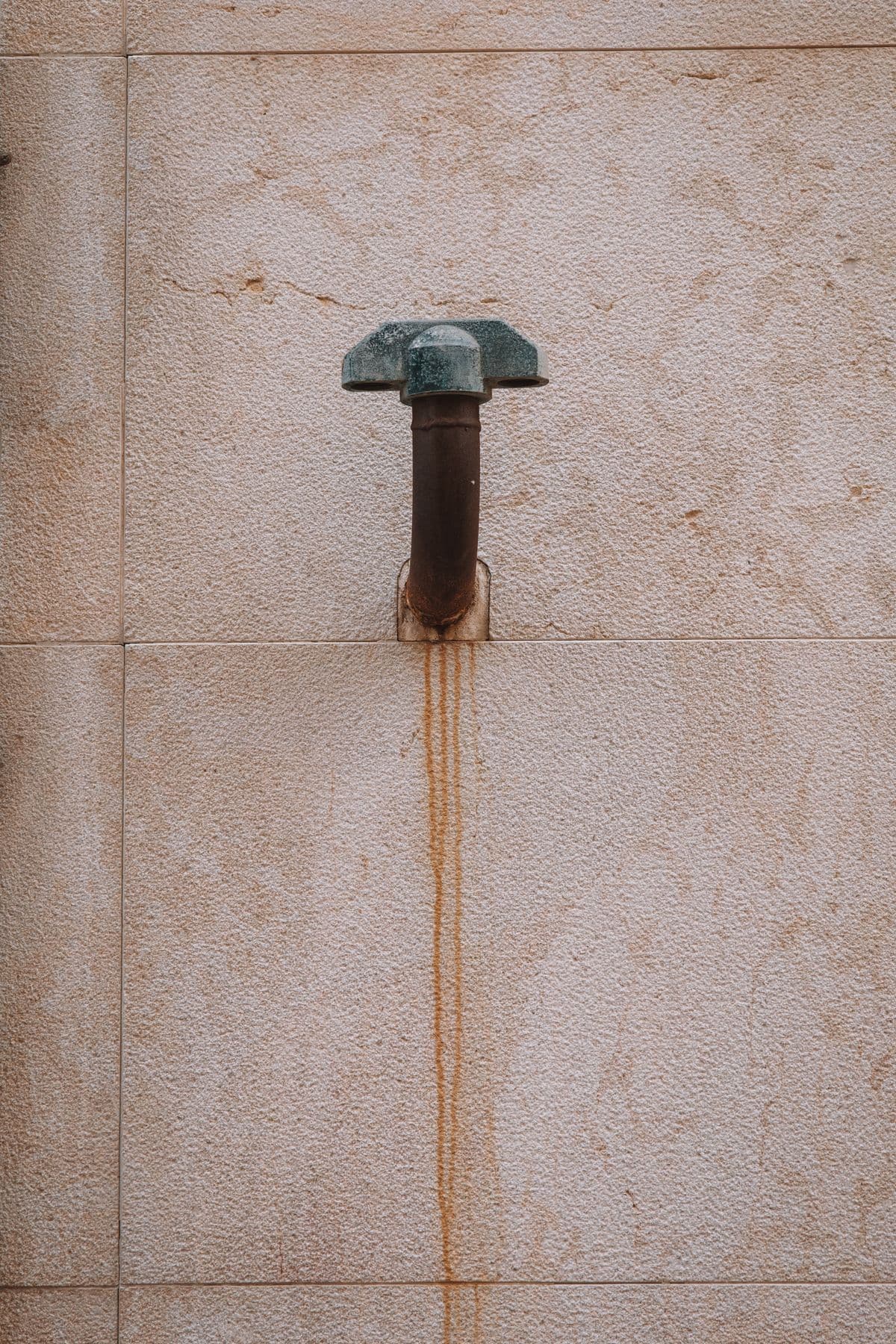
Brown water that appears on regeneration days and clears by evening is not a coincidence — it is iron being flushed off the resin and pushed into the house instead of down the drain. The mechanism points directly at an inadequate backwash, and the backwash flow rate is measurable with a bucket and a stopwatch.
Read the guide Softener Troubleshooting
Why Hardness Returns Before the Next Regeneration
Running out of soft water partway through the cycle is a capacity problem, a programming problem or a resin problem, and they are not hard to tell apart. The diagnostic is the timing: write down which day of the cycle the hardness appears on, for two full cycles, and the pattern names the fault before you touch the unit.
Read the guide Softener Troubleshooting
Why Soft Water Feels Slippery
The slippery feeling is the single most common complaint from new softener owners, and it is the opposite of what almost everyone assumes. It is not leftover soap. It is the absence of the soap scum that hard water used to deposit on your skin, plus your own skin oils left where they belong. The practical fix is dose, not equipment.
Read the guide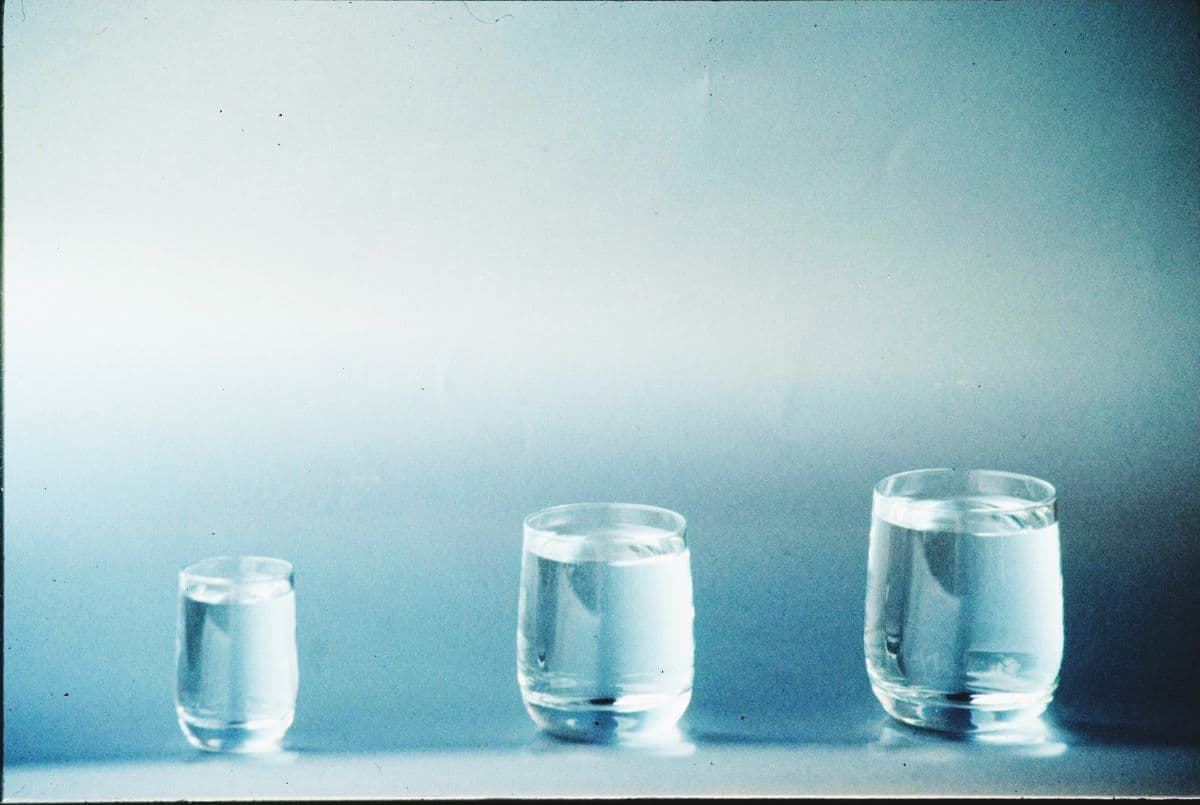 Softener Troubleshooting
Why Softened Water Looks Cloudy
One test decides this, and it takes two minutes and a clear glass. Water that clears from the bottom upward is dissolved air and needs nothing done about it. Water that stays uniformly hazy is carrying something — resin fines, sediment or precipitate — and each of those has a different next step and a different cost.
Read the guide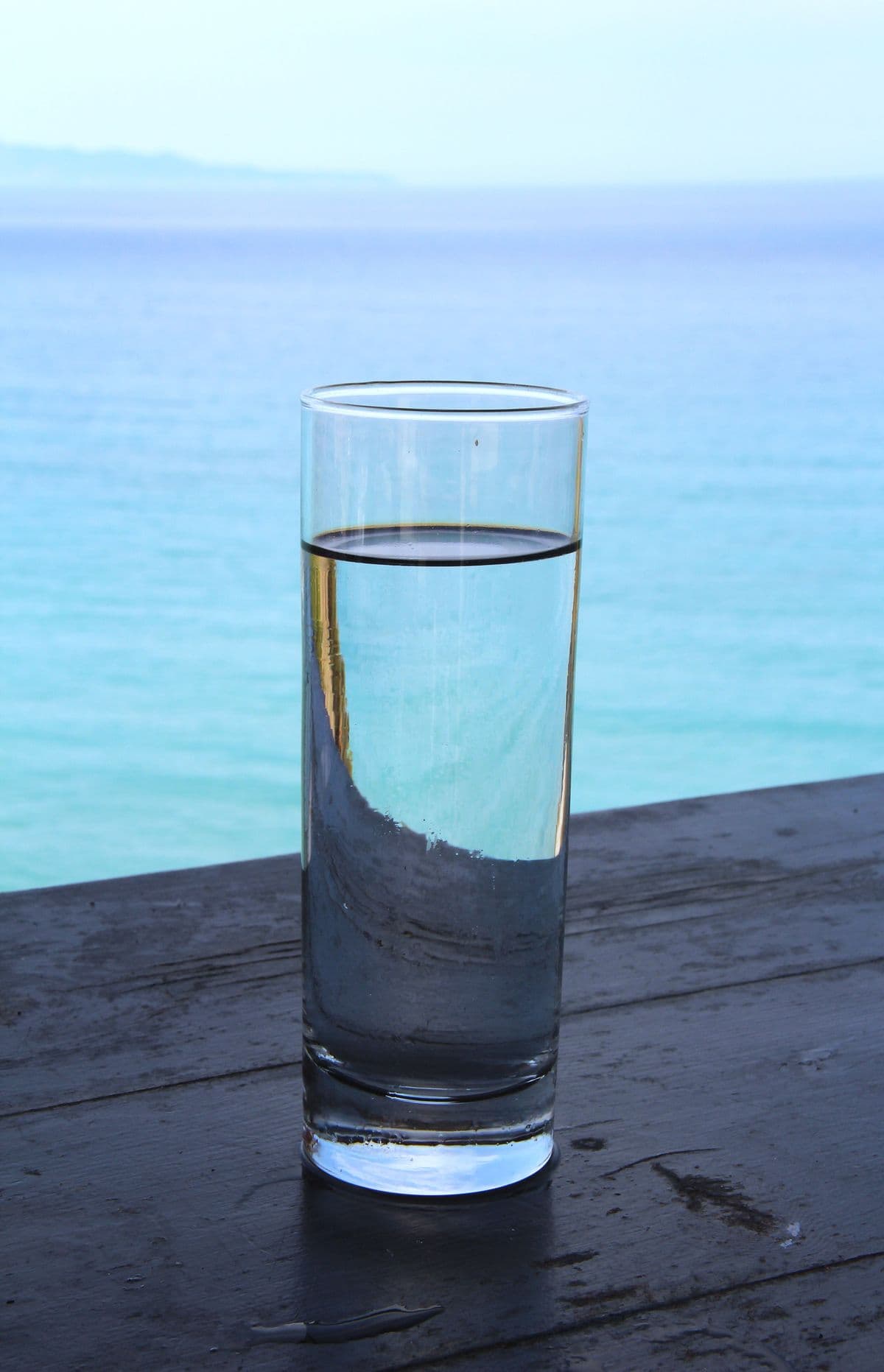 Softener Troubleshooting
Why Softened Water Tastes Salty
A correctly working softener does not make water taste salty — the sodium it adds is calculable, constant, and normally well below the point anyone can taste it. A salty taste means brine is reaching the service line instead of going to the drain, and whether the taste is constant or comes and goes on cycle days tells you which of the five faults you have.
Read the guide Water Testing
Why a Hardness Test Reads Zero but Scale Remains
Your kit reads zero and the white film keeps coming back. That is not a broken test — it is a deposit the test was never designed to see. Here is the residue identification key that separates silica from legacy scale from a line that was never connected, using vinegar, a torch and about twenty minutes.
Read the guide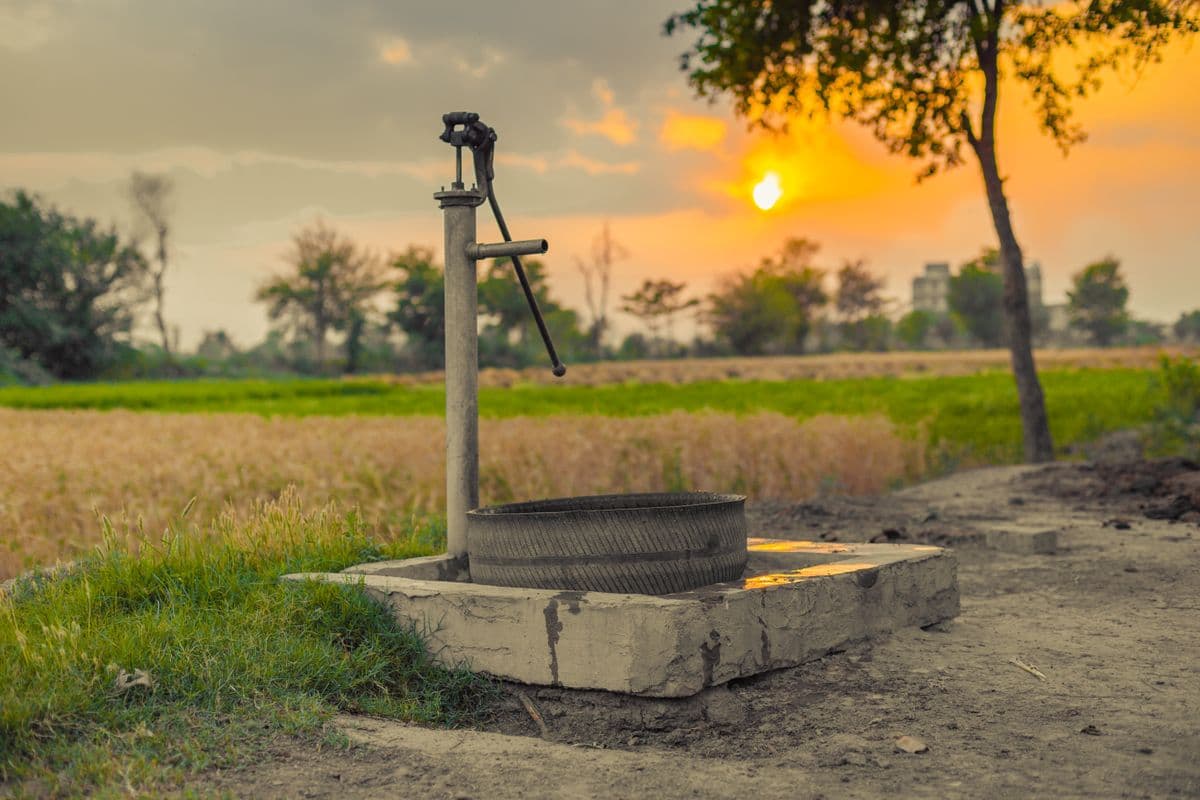 Well Water
How to Test Hardness in Private Well Water
Well hardness is not a fixed number. It moves with the water table, the season and where in the plumbing you fill the bottle. Here is how to test well water hardness so the result is still true in six months, what to test alongside it, and why the sample point matters more on a well than on city water.
Read the guide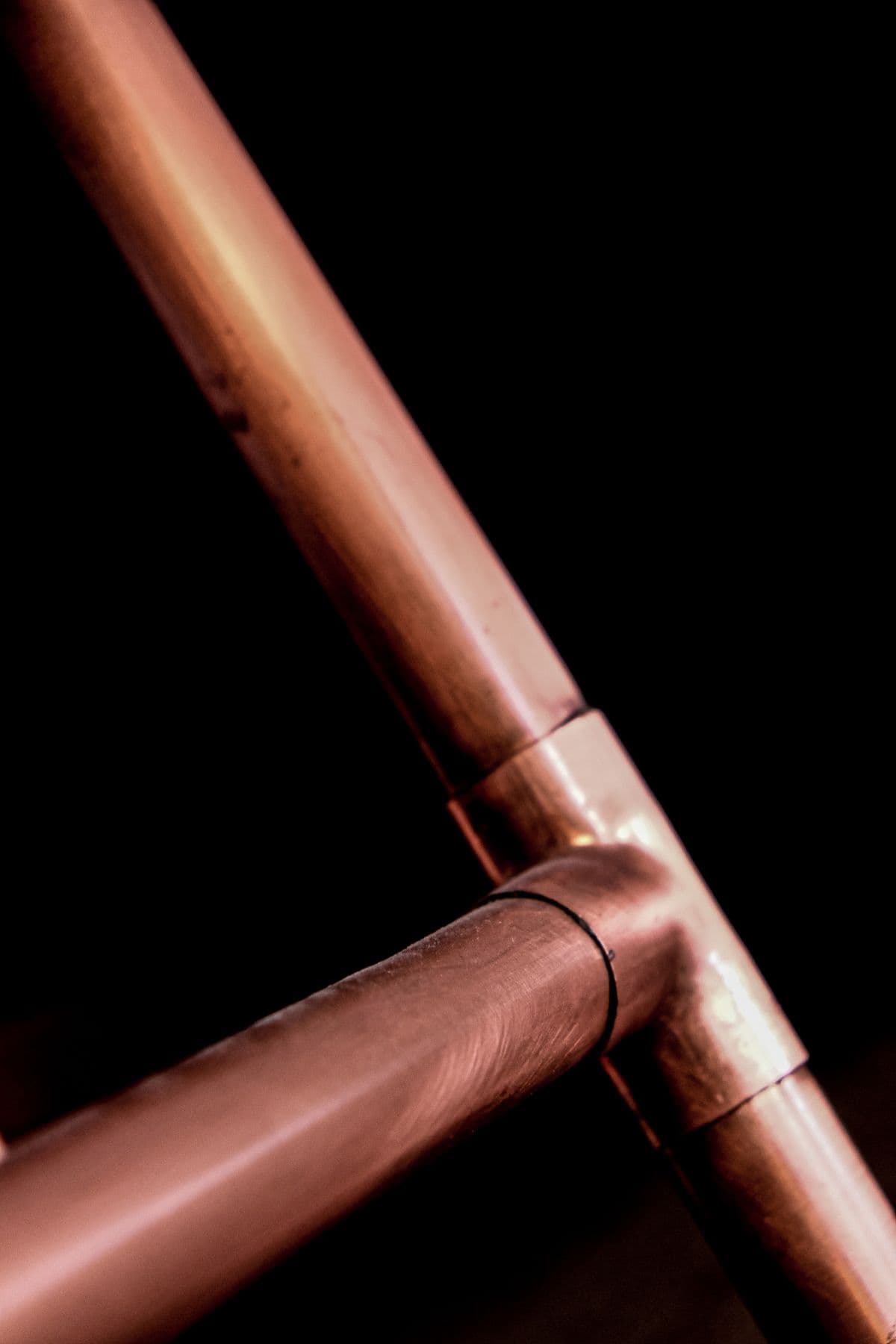 Water Testing
How to Interpret pH and Hardness Together
Hardness tells you about scale. pH tells you about corrosion. Read separately they give contradictory advice, and acting on one while ignoring the other is how a household ends up softening acidic water and finding pinhole leaks in its copper a year later. Here is the four-quadrant read, the Langelier index worked by hand, and the correct treatment order.
Read the guide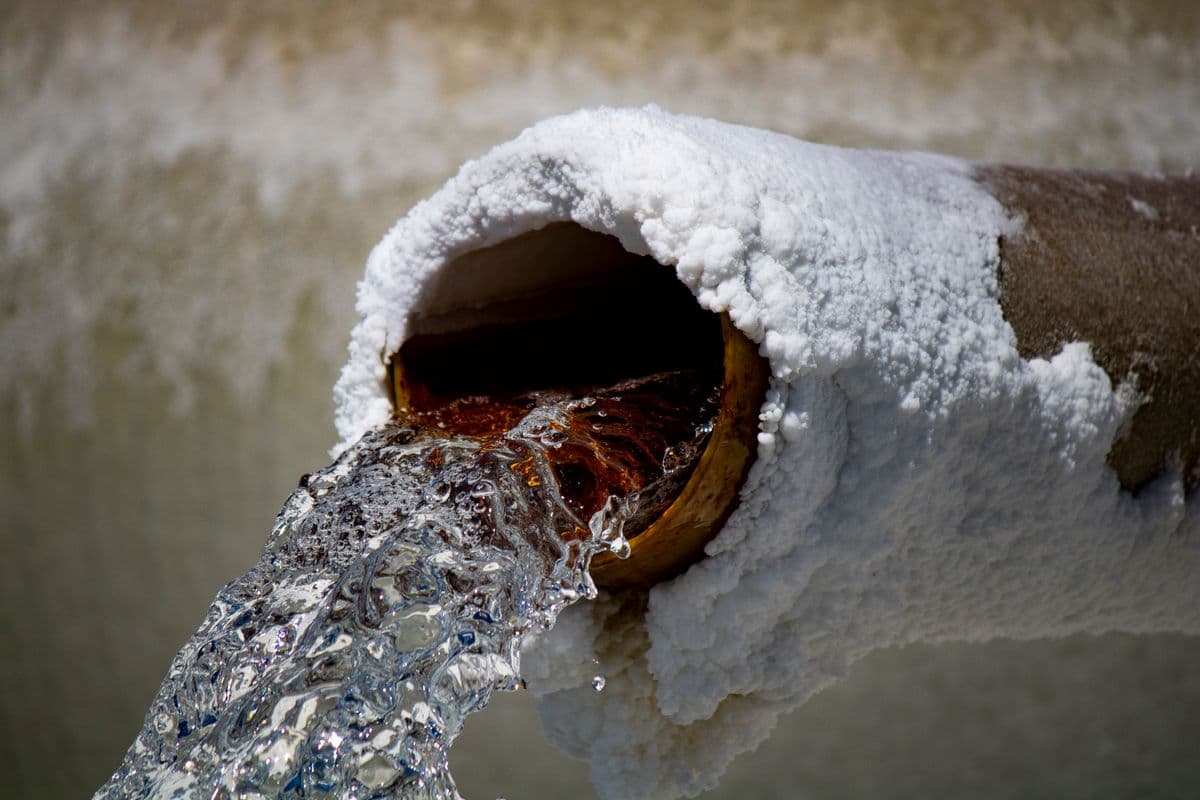 Well Water
Test Iron and Manganese Before Sizing a Softener
A softener sized on hardness alone is undersized on any well that carries iron. This is the compensated hardness formula with worked examples, the conversion factors for ferrous and ferric iron and for manganese, and the sampling trap that makes a lab result read low before it ever reaches the bench.
Read the guide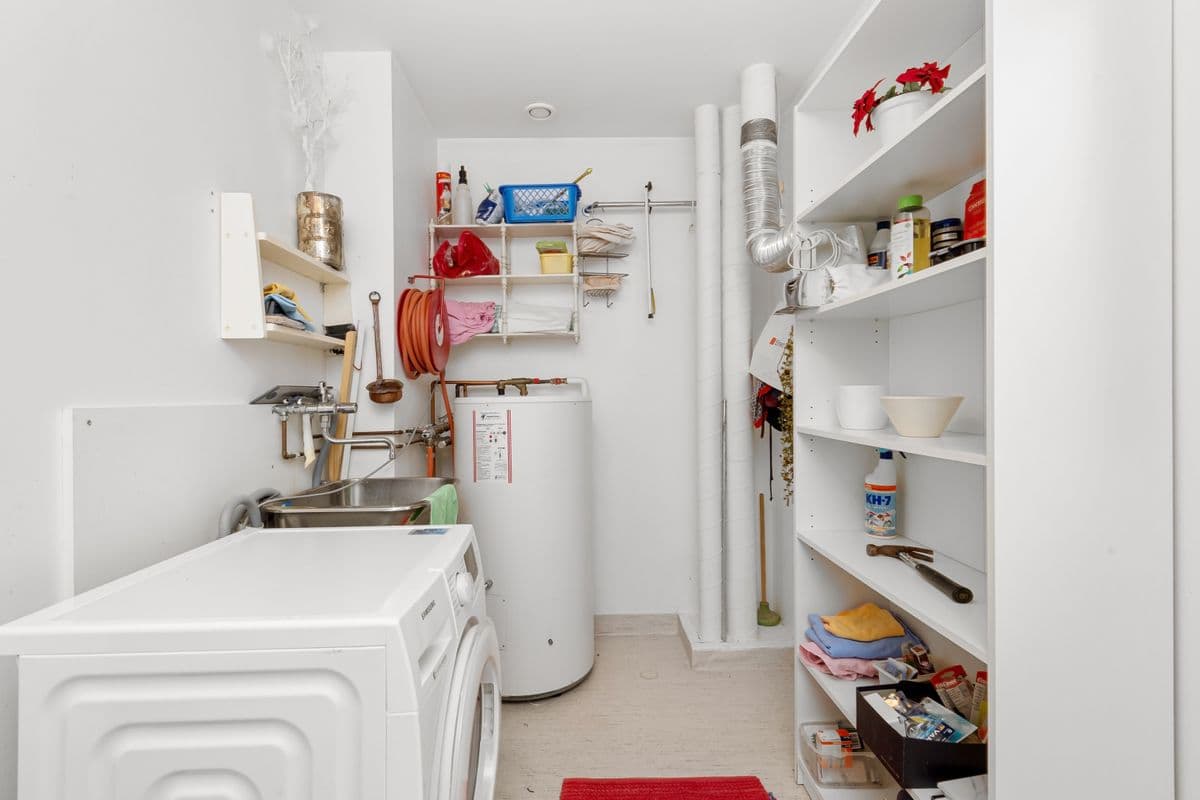 Softener Troubleshooting
Why Water Is Still Hard After Installing a Softener
Work through the causes in the order that costs nothing before the order that costs money: where you took the sample, the bypass, the hardness setting, the salt, the brine draw, then the resin. Most of these cases are resolved in the first two steps, and a surprising number are resolved by testing a different tap.
Read the guide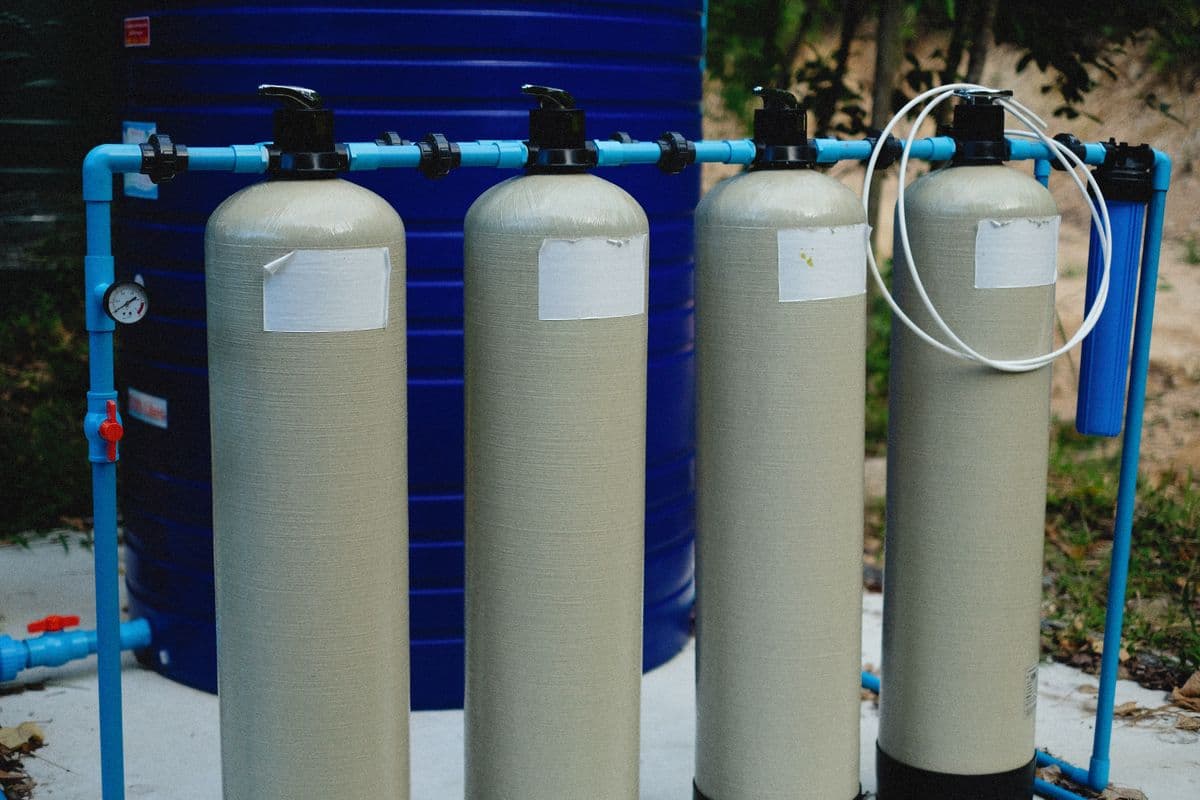 Hard Water Fundamentals
Do You Actually Need a Whole-House Water Softener?
Hard water alone doesn't justify a softener. Run your own numbers through a payback worksheet — measured hardness, appliances, detergent, water heating and years left in the home — and accept the answer, even when it's no.
Read the guide Water Testing
Why Hardness Test Results Differ Between Faucets
When one tap tests hard and another tests soft, the kit is rarely wrong. The plumbing is telling you where the softener stops. Test every fixture, write the numbers on a floor plan, and the pattern points to the branch.
Read the guide