
Research Library
Hard water and water softeners, explained clearly
 Living With Softened Water
Can Water Softener Discharge Be Reused Safely?
The salty water a softener sends down the drain looks like a waste worth saving. Measured against irrigation water quality guidelines, it is far too saline for lawns and gardens, and greywater laws do not cover it. This page puts numbers on that, checks eight common reuse ideas, and covers the few cases where reuse is even possible.
Read the guide Installation and Setup
Can You Use Water While a Softener Regenerates?
A single-tank softener does not cut off your water while it regenerates. It sends untreated water around the resin through an internal bypass, so a toilet flush or a glass of water at 2:30 a.m. is fine. What is worth knowing is what that water does afterwards: it goes into the water heater and stays there, and a long shower during the brine draw can starve the injector and leave salt in the lines. Here is what reaches the tap in each stage, and when to wait.
Read the guide Installation and Setup
Common Water Softener Installation Mistakes
Most softener problems that show up months after an install were built in on day one. This page lists twelve installation mistakes, what the wrong and right version of each looks like, and the symptom each one produces later, so a reader with an unexplained problem can work backwards to its cause.
Read the guide Installation and Setup
Connecting a Softener to Copper, PEX, CPVC and Push-Fit
Most softener installs involve at least one change of pipe material, so the useful question is not how to join copper or PEX in general but where the transition goes and what fails at each. Copper fails from heat carried into a plastic valve. PEX fails when it is left unsupported and pulls on the fittings. CPVC fails from solvent and stress. Push-fit fails when the fitting is not fully seated. This page covers all four, plus the dielectric union question.
Read the guide Cost and Ownership
How to Dispose of Old Softener Resin and Components
An old water softener is not one item for the trash, it is seven: a control valve with electronics, a transformer, brass and copper fittings, the resin, a fiberglass resin tank, a plastic brine tank and whatever salt is left. Most of it goes somewhere simple once it is drained. The resin needs one rinse step first, and in homes on water with radium or uranium it needs a phone call before anything else.
Read the guide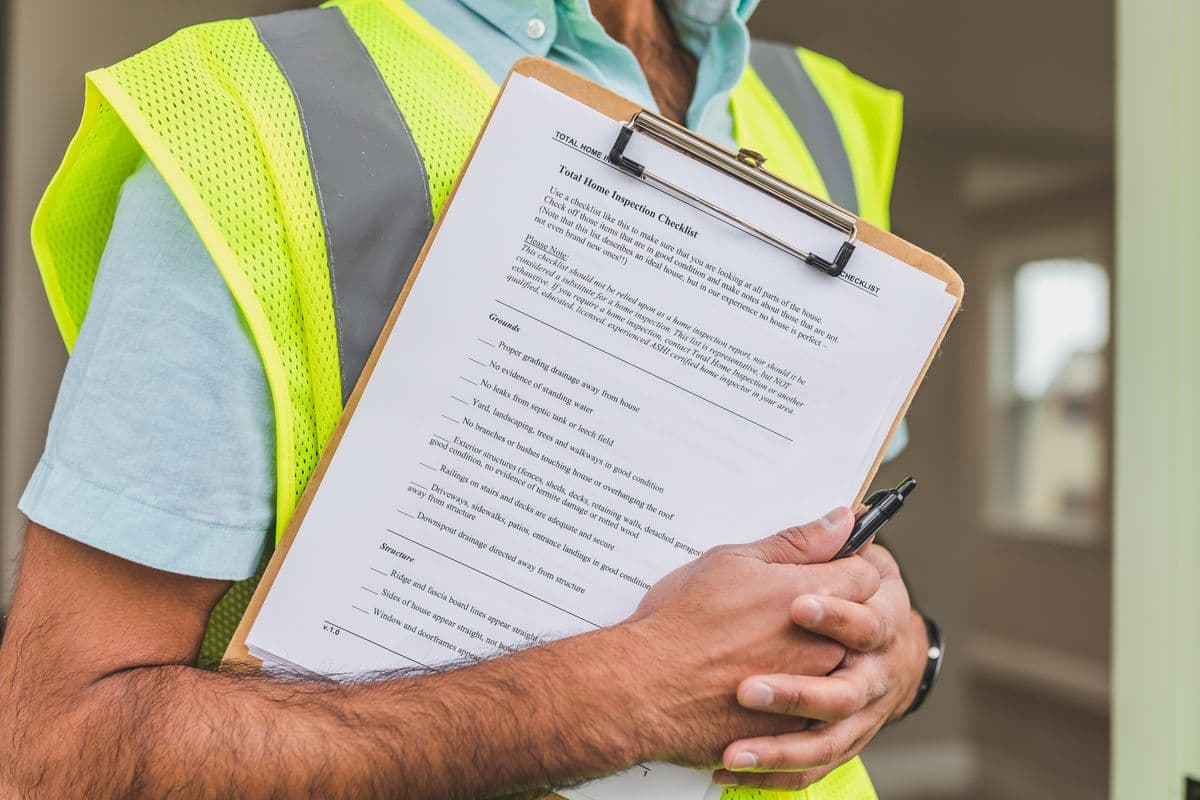 Installation and Setup
Do You Need a Permit to Install a Water Softener?
No national rule decides whether a softener install needs a permit. Your city, county or state plumbing office does, and many do require one because a softener connects to the drinking water supply and the drain. This page gives you the six questions that get a definite answer in one call, explains what an inspector looks at, and shows how unpermitted work tends to come up when the house is sold.
Read the guide Sizing and Buying
Does a Salt-Free System Actually Soften Water?
A hardness test that still reads high after a salt-free system is installed is not a fault. It is exactly what should happen. Here is what changes, what never will, and how to judge the unit fairly.
Read the guide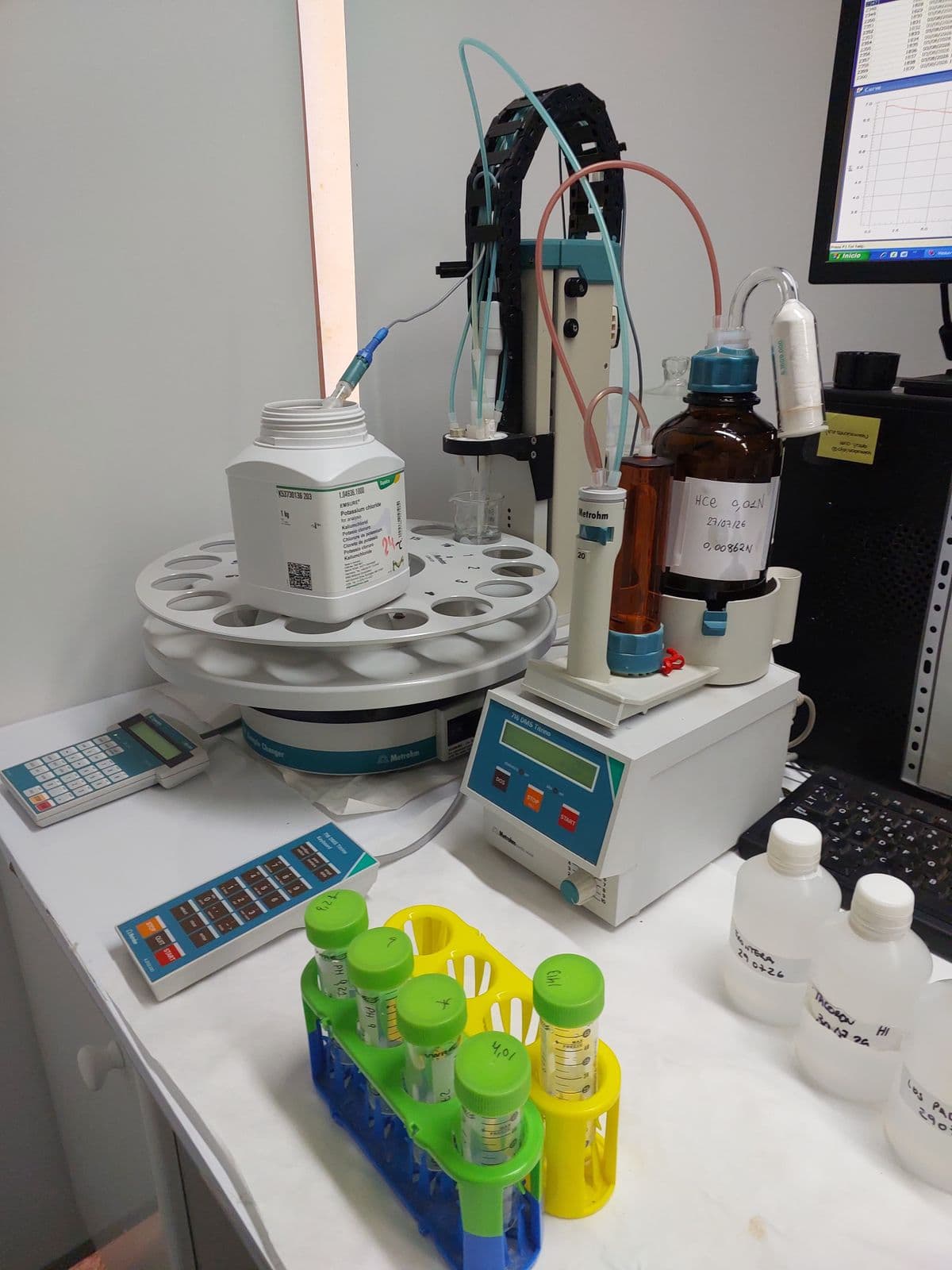 Living With Softened Water
Does a Water Softener Raise or Lower pH?
A household softener neither raises nor lowers pH in any meaningful way. It swaps calcium and magnesium for sodium and leaves pH, alkalinity and carbon dioxide where they were. This page shows what the EPA's pilot study found, works three water types through before and after, and explains the five changes people mistake for a pH shift.
Read the guide Cost and Ownership
How a Water Softener Can Affect the Water Bill
A working softener adds a few dollars a month to a city water bill, and part of that is the sewer charge, because most homes have one meter and the utility bills sewer on the water that comes in. A sudden jump is different. It usually means a valve sending water to drain around the clock, and two meter readings will tell you whether the softener is the culprit.
Read the guide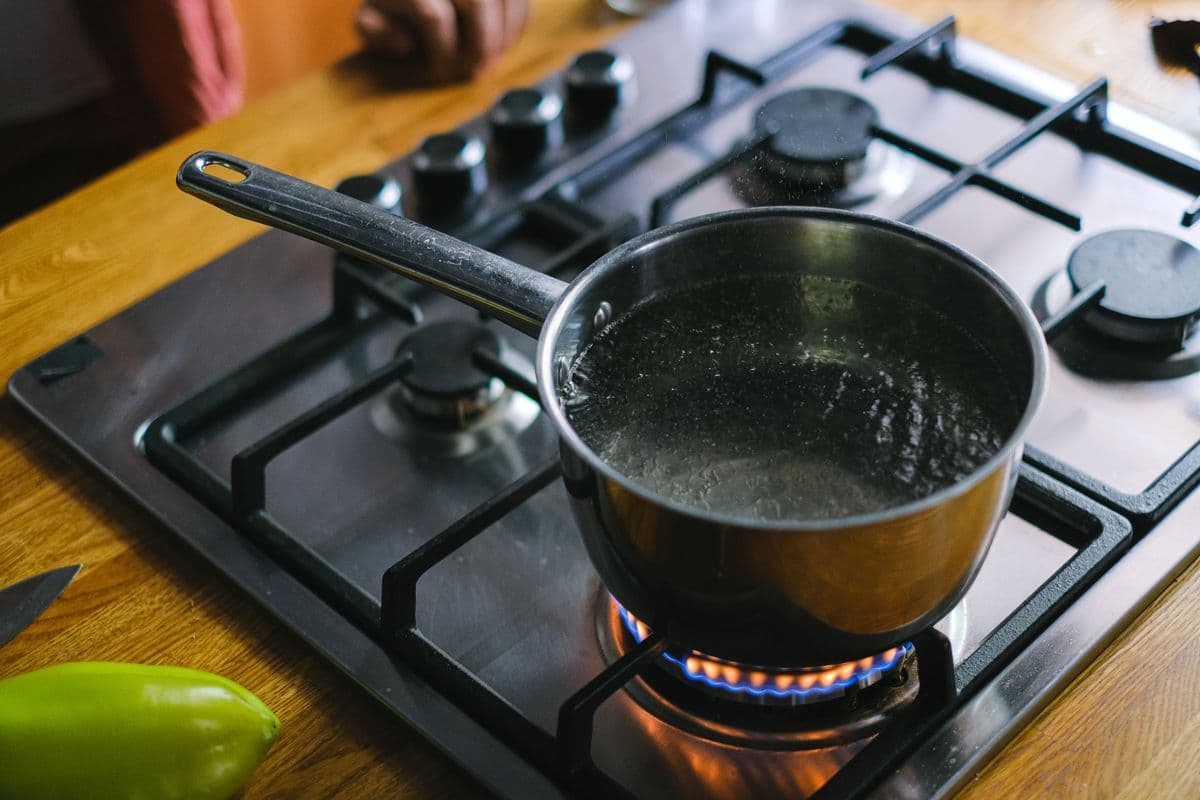 Hard Water Fundamentals
Do Boiling, Filters or Water Heaters Soften Water?
Boiling, pitcher filters and the water heater all get credited with softening water. Each claim has a grain of truth, and none of them is a whole-house fix. Here is the arithmetic for each, and a kitchen test you can run on your own water.
Read the guide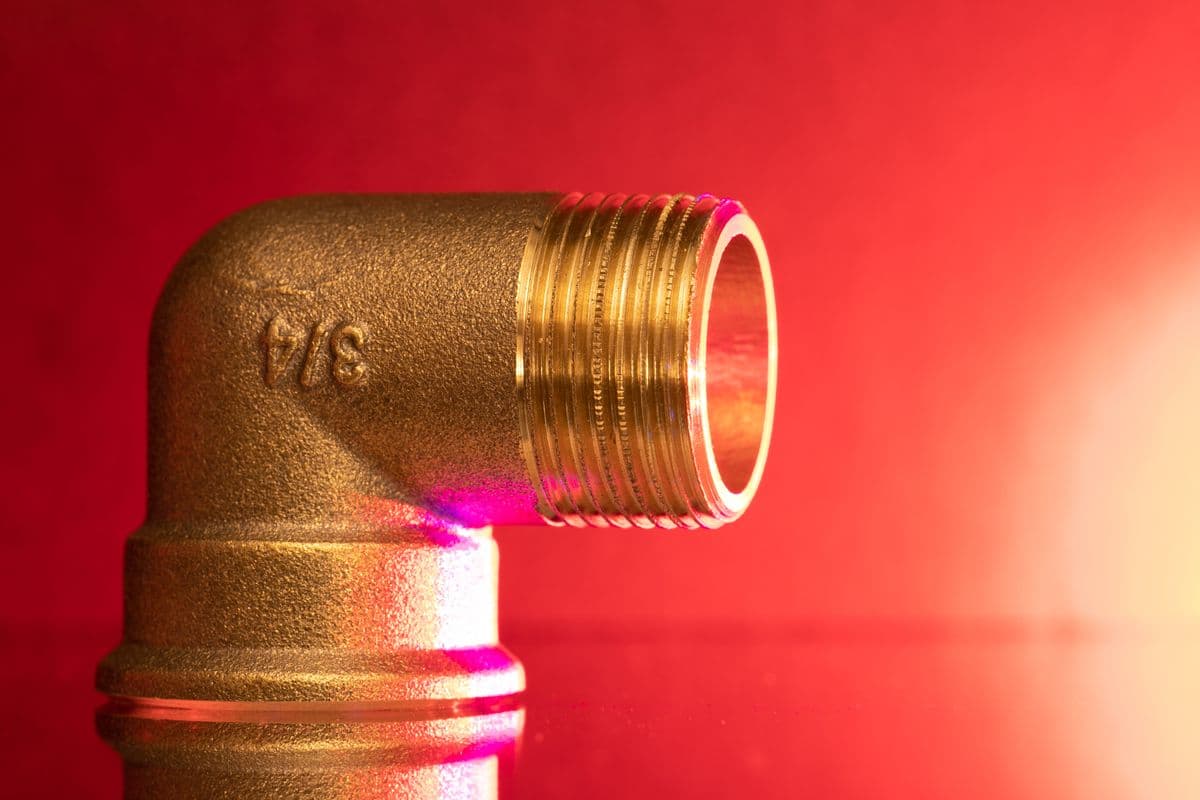 Hard Water Fundamentals
Does Soft Water Damage or Protect Household Pipes?
People ask this question from two opposite fears: that a softener will eat their pipes, or that hard water is clogging them and softening will save them. Three pipe-loop studies found softened water no more corrosive than hard water, but there is one real exception. The Langelier index gives the wrong answer for softened water, and the flakes that appear after installation are old scale, not corrosion.
Read the guide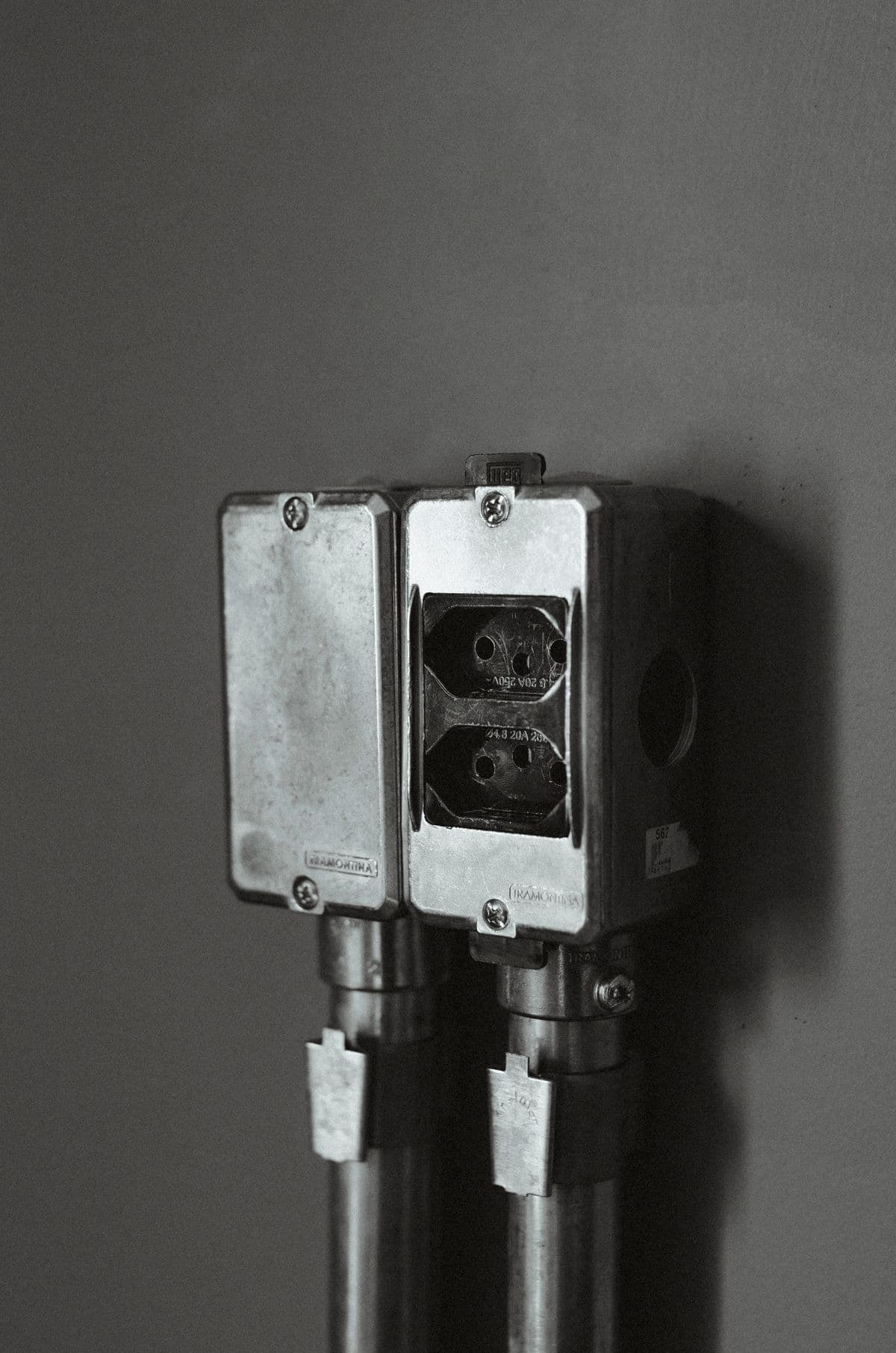 Sizing and Buying
Electric vs Non-Electric Water Softeners: Real Tradeoffs
A water-powered softener needs no outlet and keeps working in a power cut. Those are real advantages, but narrower than they sound. Pressure limits both kinds of valve, a well pump stops in an outage anyway, and adding a receptacle is often cheaper than the premium. This page covers the pressure check that decides a site, the outlet-versus-premium sum, and where each type genuinely wins.
Read the guide