
Research Library
Hard water and water softeners, explained clearly
 Well Water
How Iron Changes Water Softener Sizing
Take one well at 15 grains of hardness and add iron at 0.5, 2 and 4 ppm. The resin bed stays the same, but the days between regenerations drop from five to two and a half, and yearly salt use roughly doubles. Skip the correction and the softener runs exhausted for half of every cycle. Here is the compensated-hardness arithmetic carried all the way through to capacity, salt dose and regeneration frequency, using a real manufacturer's capacity table.
Read the guide Softener Troubleshooting
How to Clean a Water Softener Injector and Venturi
A plugged injector is the quiet fault behind a lot of softeners that stop using salt. The part is small, the job needs no special tools, and it takes about twenty minutes. The two ways people get it wrong are cleaning the orifice with a pin, which ruins it, and putting the parts back the wrong way round, which brings the fault straight back. What you scrape out of it also tells you whether the real problem is your salt or your water.
Read the guide Softener Troubleshooting
How to Start a Manual Regeneration Safely
Pressing the regeneration button takes five seconds. What makes a manual cycle worth running is what you watch while it happens: how the drain flows during backwash, whether the brine tank level actually falls, whether the rinse runs clear, and whether the tank refills. Those four observations, taken with a tape measure and a glass, separate a softener that works from one with a blocked injector, a restricted drain or a valve that never moved, before you spend anything on parts.
Read the guide Softener Troubleshooting
How to Winterize a Water Softener
Winterizing a softener means one of two jobs, and doing the wrong one is how most freeze damage happens. A unit in a heated home that sits in a cold garage or crawl space needs to stay warm and in service. A unit in a cabin or rental left unheated all winter needs to be taken out of service and drained properly. Draining the tanks is not enough: the control valve and bypass hold water in passages that a gravity drain never empties, and that is where most freeze cracks start.
Read the guide Softener Troubleshooting
Inside a Water Softener Mineral Tank
The tall tank next to the salt tank looks like a sealed cylinder of mystery, but inside there are only six things: the pressure vessel, a distributor tube, a slotted basket at the bottom, a screen at the top, the resin bed, and a space above the resin that is empty on purpose. Knowing what each does explains why resin ends up in faucets, why beds channel, why some tanks have gravel and most do not, and how full a healthy tank should be.
Read the guide Well Water
Pretreatment Order: Sediment and Iron Filters Before a Softener
Sediment and iron have to come out before water reaches the resin bed, so the order is sediment screen, any pH correction, iron filter, then softener. This guide covers both pretreatment stages as one decision, with a threshold table showing the measured level at which each stage becomes necessary. It also covers the backwash-scheduling clash between two backwashing units on one well, a problem most DIY installs run into.
Read the guide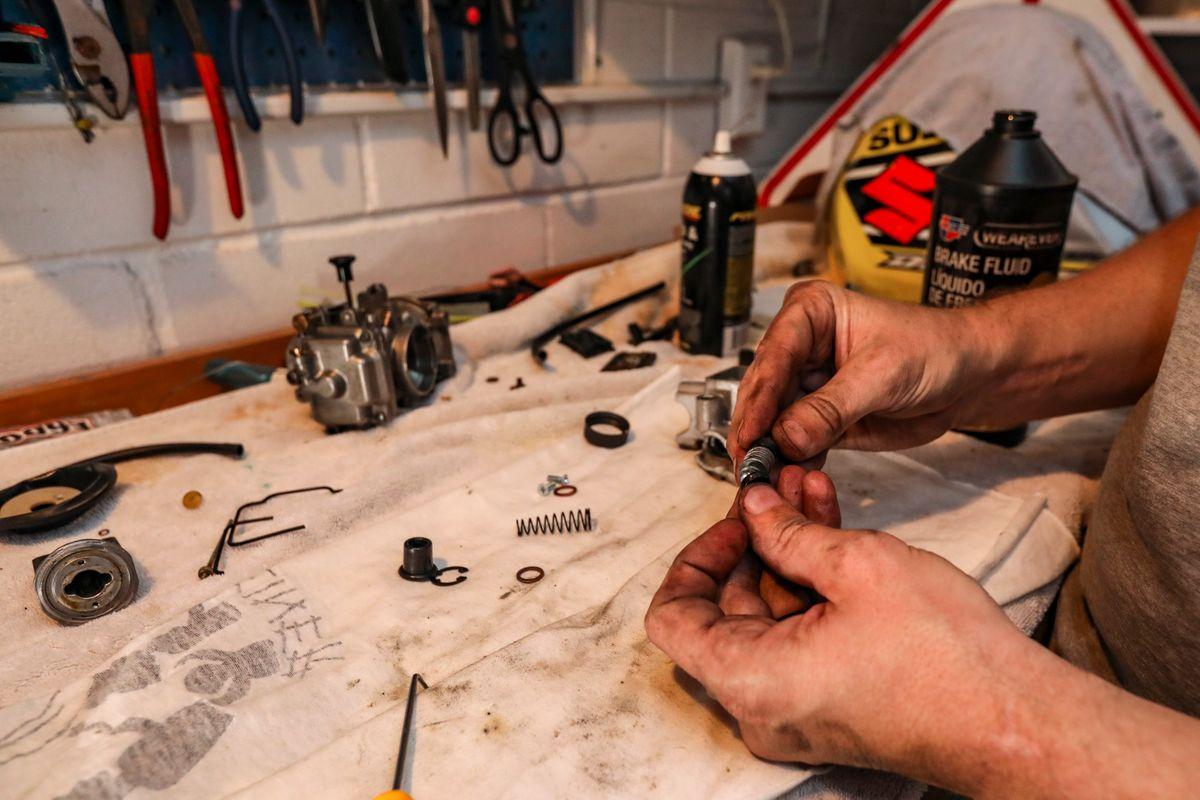 Softener Troubleshooting
How to Clean and Service a Water Softener Control Valve
A seal and spacer kit costs a fraction of a new control valve and cures most internal leaks, hard-water bleed-through and a drain that never stops. The rebuild is well within reach on the common valves. What turns it into a replacement is almost always one of three things: the wrong grease, a part forced into its bore, or screws driven into new threads. This walkthrough covers Fleck, Clack and Autotrol valves in order, with the parts to ask for.
Read the guide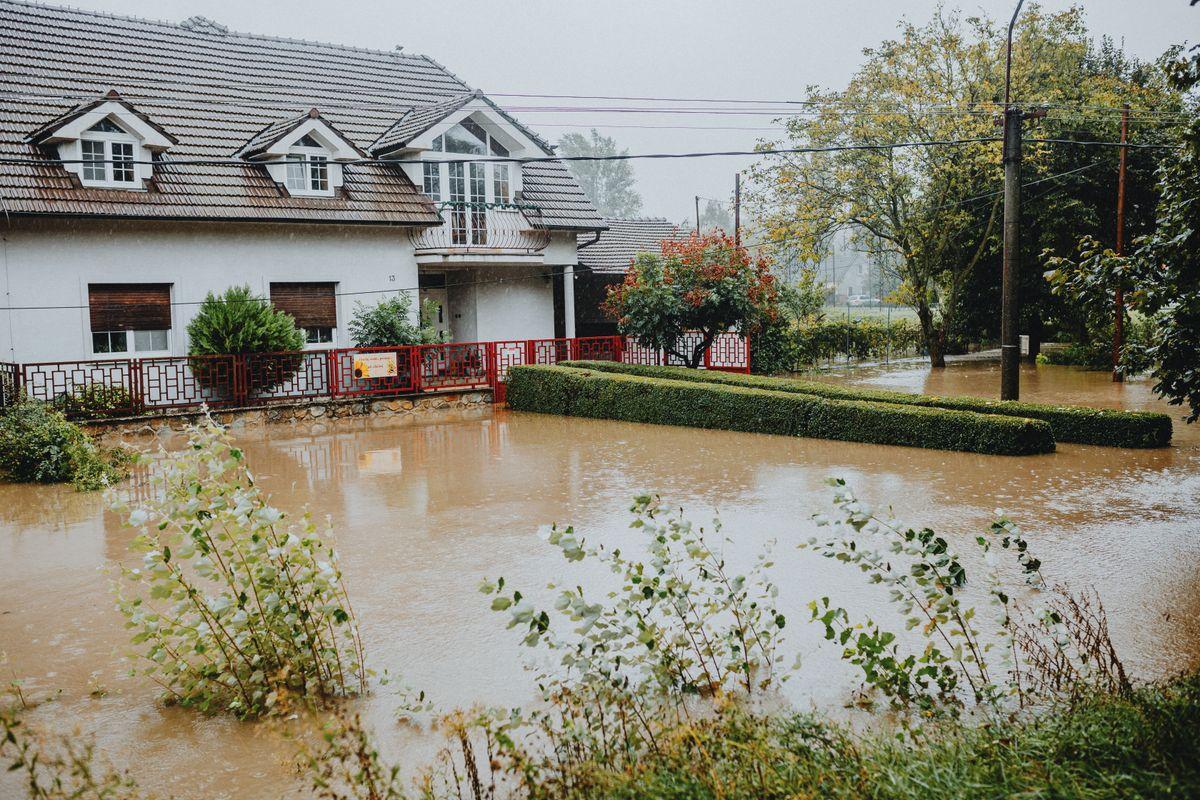 Softener Troubleshooting
What to Do With a Softener After Basement Flooding
The water is out of the basement and the softener is still standing in the tide line. Whether it can go back into service depends on which of its three parts went under: the control head, the brine tank or the mineral tank. Each has a different, honest verdict. This guide takes you through them, then the sanitizing and bacteria-testing steps that have to happen before softened water goes back to the kitchen tap, and the paperwork that keeps an insurance claim alive.
Read the guide Softener Troubleshooting
Brine Tank Internals: Float, Safety Float and Brine Well
Most owners never lift the lid on the brine well, and the parts inside fail quietly. The float sets how much brine is made on some softeners, the safety shutoff is the only thing standing between a stuck valve and a flooded floor, and the air check at the bottom keeps air out of the resin tank. Here is what each part does, how float height changes the salt dose, and a five-minute test that proves the safety float still works.
Read the guide Softener Troubleshooting
How to Inspect and Exercise a Bypass Valve
Most people touch their softener bypass only when something has already gone wrong, and that is exactly when it turns out to be seized or not fully diverting. Moving it is not the same as testing it. With a hardness kit and ten minutes you can prove the valve actually sends all the water around the softener in bypass, lets none slip past in service, and still turns freely, and you can plan the shutoffs that keep a future repair from emptying the house.
Read the guide Well Water
Can a Water Softener Be Used on Private Well Water?
Yes, a softener works on a private well. But on its own it only fixes hardness, and most well failures come from buying one based on a hardness number alone. This is the full-panel test to run first, a decision tree that sends each result to the right treatment stage, what a softener cannot do on well water, and links to every guide in the well-water series.
Read the guide Softener Troubleshooting
Why a Water Softener Keeps Losing Its Settings
The power blinked for ten minutes last night and the softener is flashing 12:00 again. On most modern control valves the hardness, capacity and salt settings are stored permanently; what gets lost is the clock, and the clock is kept alive through an outage by a small backup part most owners never know exists. When that part dies, every flicker resets the time, and a softener that regenerates at the wrong hour quietly sends hard water to the house when everyone is showering.
Read the guide