
Research Library
Hard water and water softeners, explained clearly
 Well Water
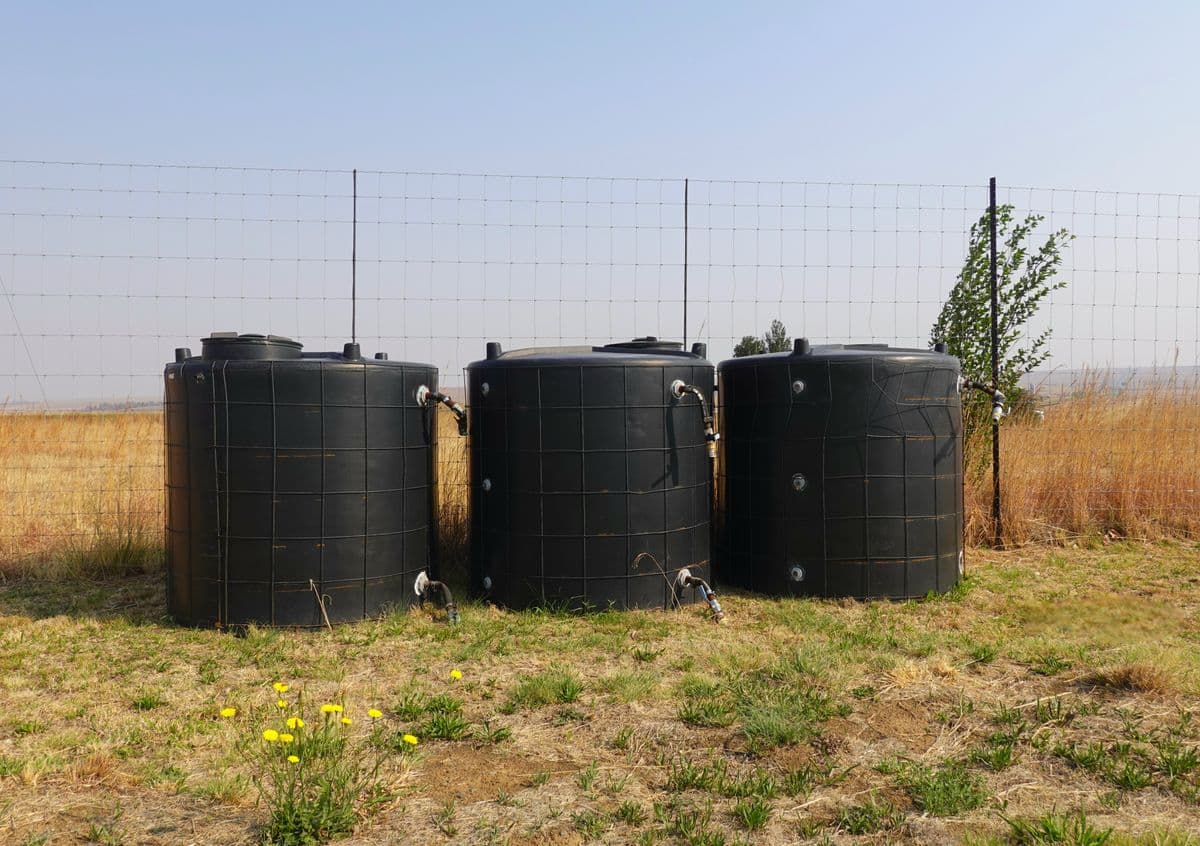
Sizing a Softener for a Low-Yield Well
Normal softener sizing starts with grains and ends with a tank, and nobody checks the backwash until the resin starts channeling. On a weak well that order has to be reversed. This page starts from the flow your well can sustain, finds the widest tank it can backwash, gets capacity from height instead of width, and shows where a twin-tank or storage-buffered design becomes the only workable answer.
Read the guide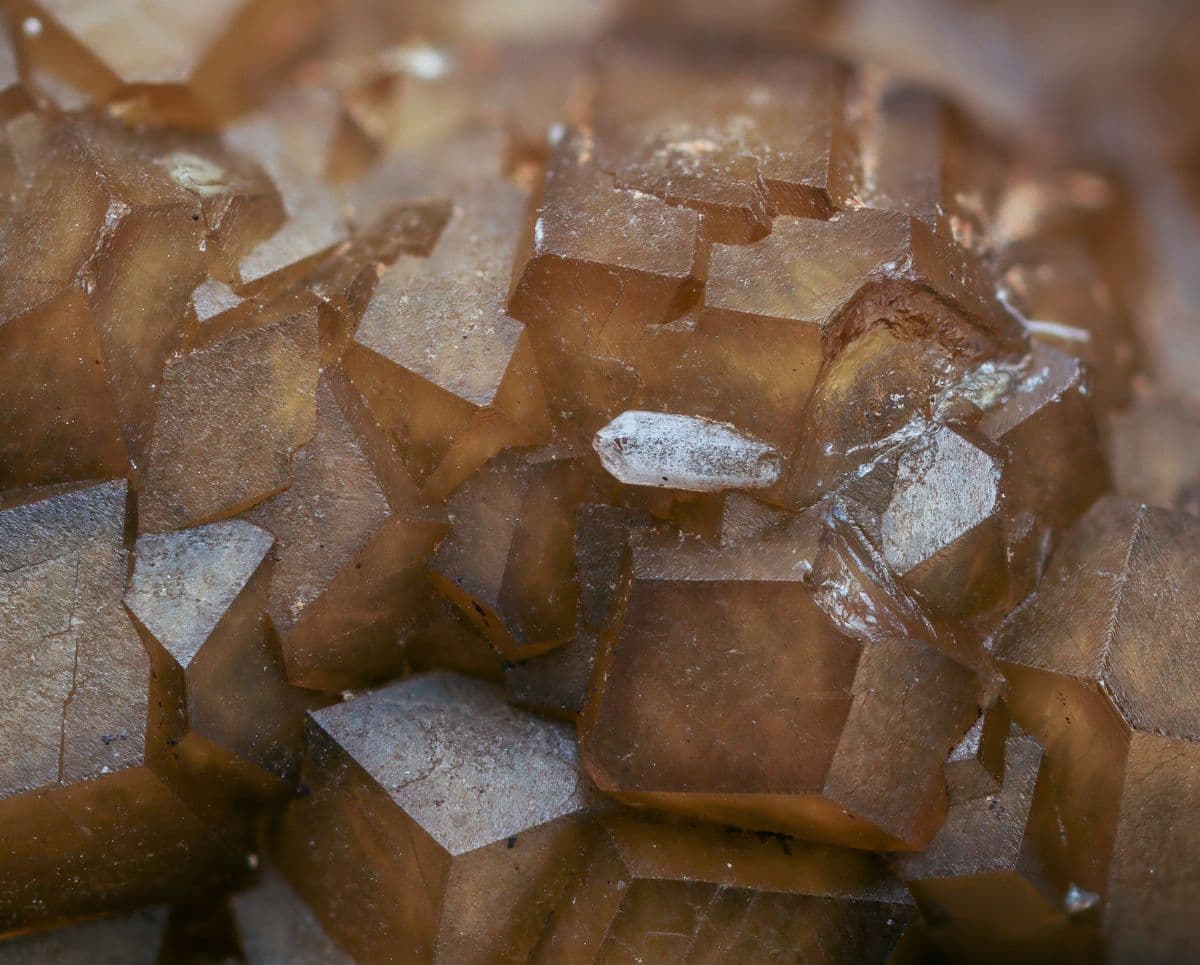 Well Water
Water Softener vs Acid Neutralizer
A softener removes hardness and an acid neutralizer raises pH, so they are not substitutes. The catch sellers leave out is that a calcite neutralizer adds hardness as it works. The softener after it has to be set and sized for the water leaving the neutralizer. This page compares the two, shows what each installation order delivers to the tap, and works a two-stage sizing example from raw test to salt use.
Read the guide Water Treatment
Water Softener vs Whole-House Water Filter
A softener swaps calcium and magnesium for sodium. A whole-house filter traps particles or adsorbs chemicals like chlorine. Neither does the other's job, yet products are routinely named as one while being the other. This page gives the eight real differences, a spec-sheet reading guide that tells you what a unit is whatever it is called, and a problem-to-technology table.
Read the guide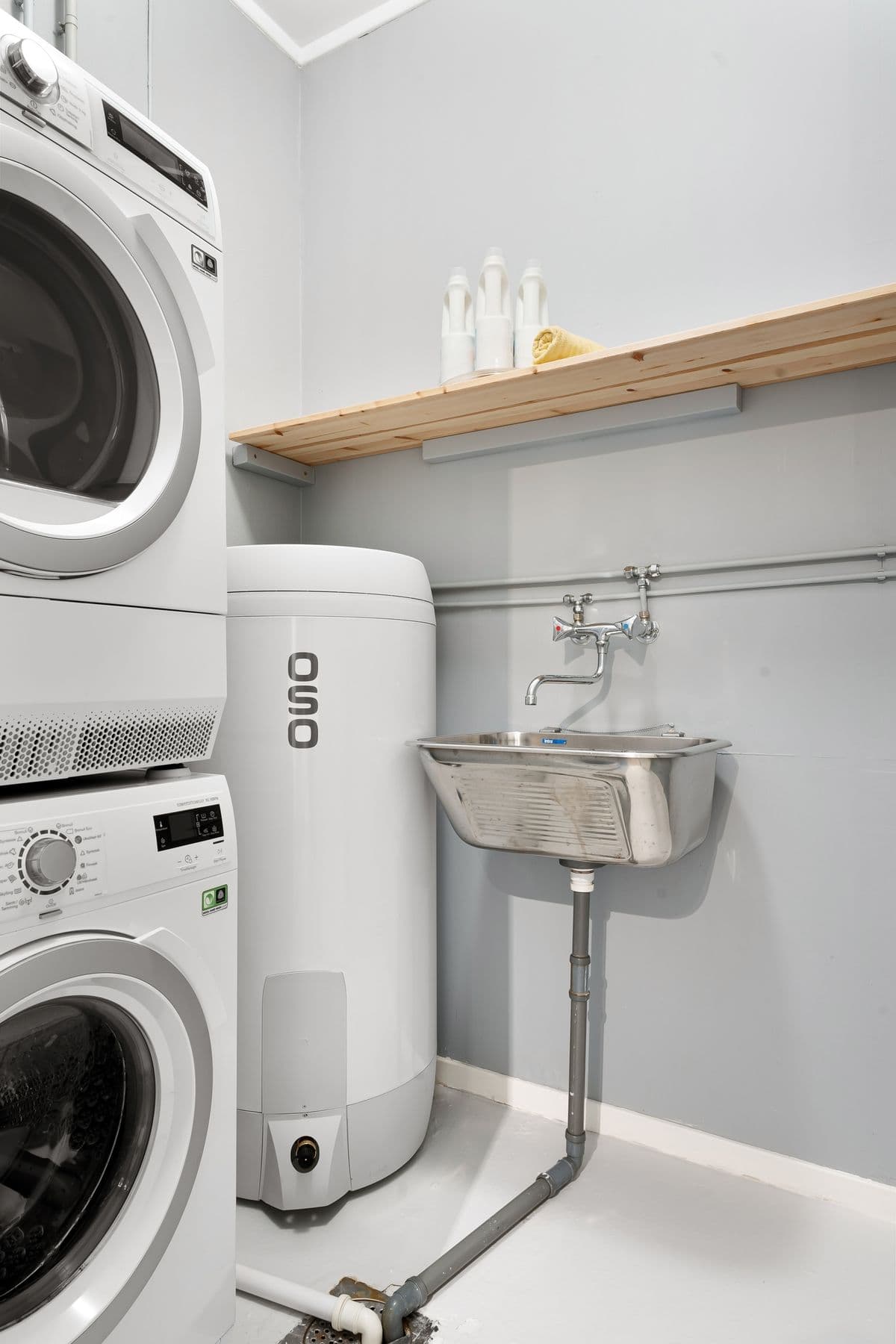 Well Water
Water Softener Planning for a Home With Septic
Most of what circulates about softeners and septic tanks is folklore in one direction or the other. Three studies, all funded by the water treatment industry's research foundation, actually tested it. They support efficient, demand-initiated softeners and point at wasteful salt settings as the problem. This page sets out what each study tested, separates the settled question from the one that still matters, and shows how to check the rules where you live.
Read the guide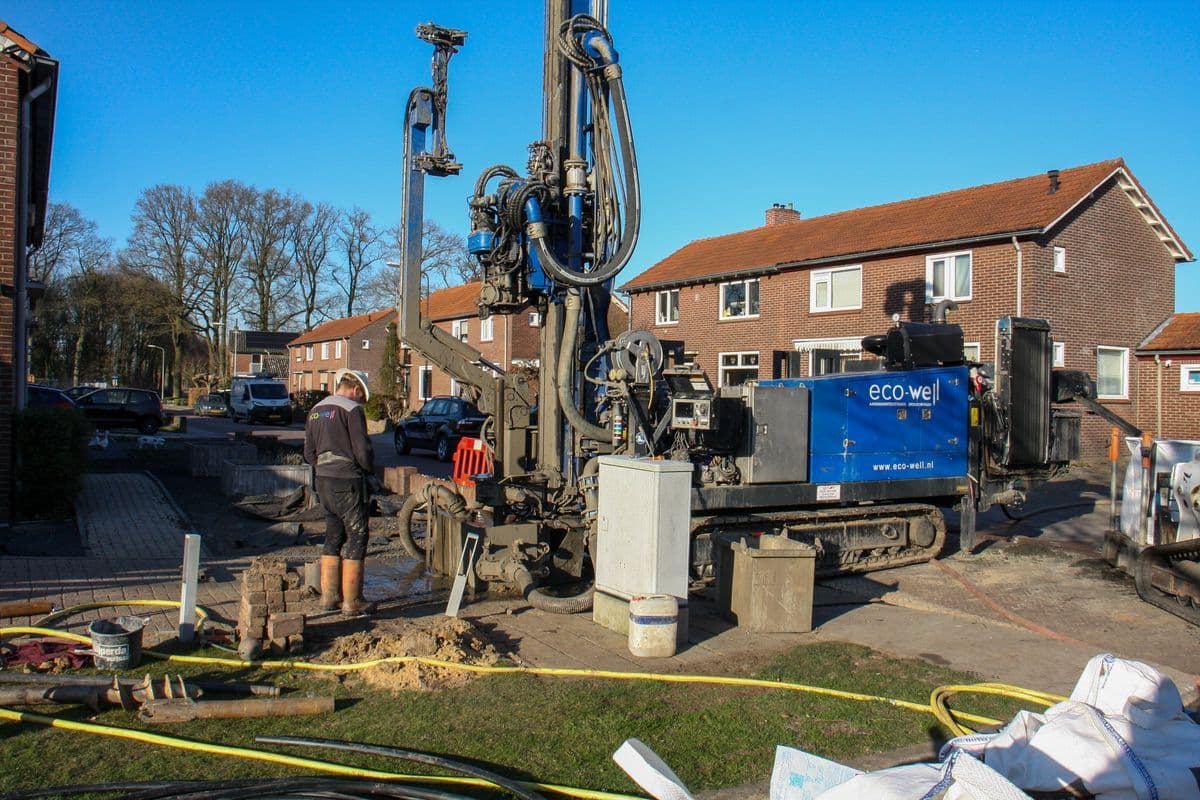 Well Water
How Well Pump Flow Limits Treatment Backwashing
A backwashing softener needs a steady drain flow for the whole cycle, and on a private well that flow has to come from the aquifer, not just the pump. This page separates pump rate from well yield, gives two bucket tests you can run in an afternoon, and sets out the backwash flow each tank diameter needs, so you know before buying whether your well can keep up.
Read the guide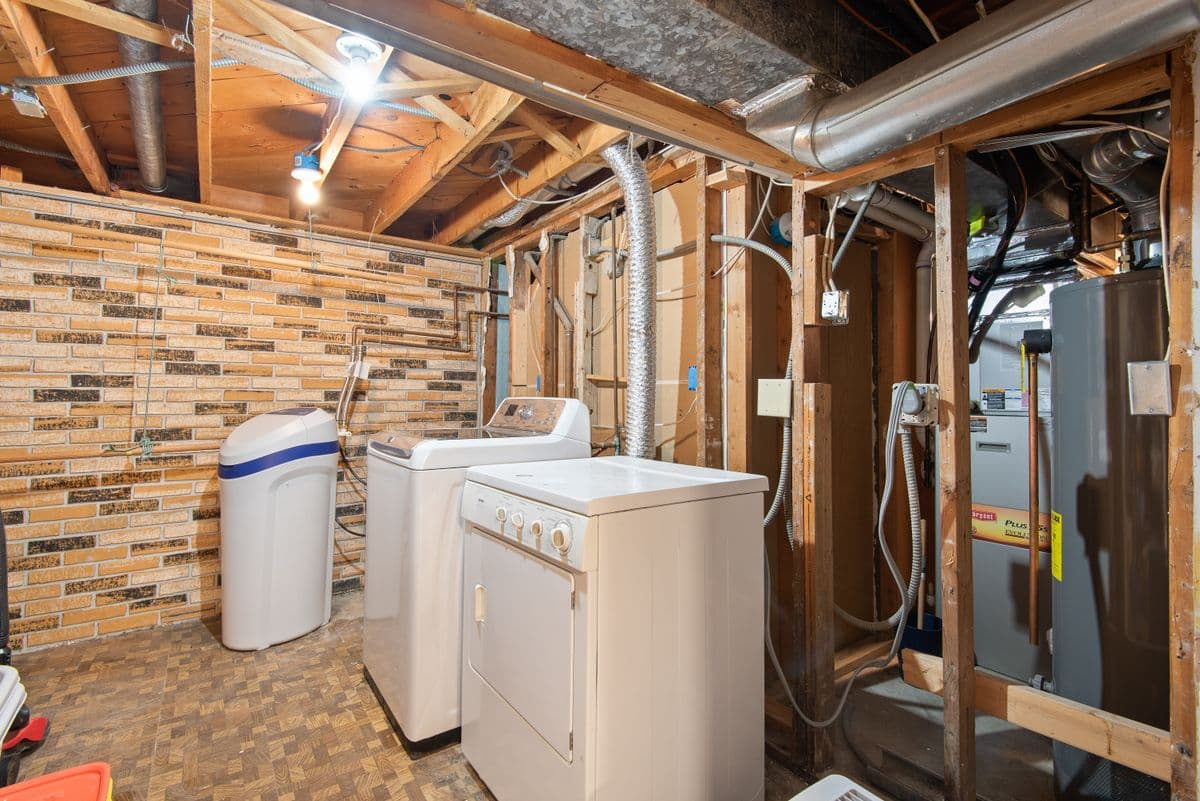 Well Water
 Treatment Train Order
Every stage in a well water system changes the water for the stage after it, so the order is part of the design. This page sets out the full sequence in one diagram, from aeration and chemical feed through the retention tank, sediment, pH, iron, carbon and the softener to UV. Each position comes with the rule that puts it there and the failure you get if it is moved.
Read the guide Water Treatment
What a Water Softener Does Not Remove
A softener removes calcium and magnesium, and it can be certified for two health contaminants: barium and radium. Lead, PFAS, nitrate, arsenic, fluoride, bacteria, chlorine, silica and microplastics all need something else. This page sets out 25 contaminants in one table, with the technology that does work and the NSF/ANSI standard that certifies it.
Read the guide Well Water
Why Private Well Chemistry Changes Over Time
A private well is not a fixed source. Hardness, iron and pH move with recharge and drawdown, and they can shift for good after drought, nearby drilling or a failing casing. A treatment system sized from one old test can quietly stop fitting the water. This page shows an illustrative year of drift, the causes behind it, and the events that should prompt a new test panel instead of waiting for the calendar.
Read the guide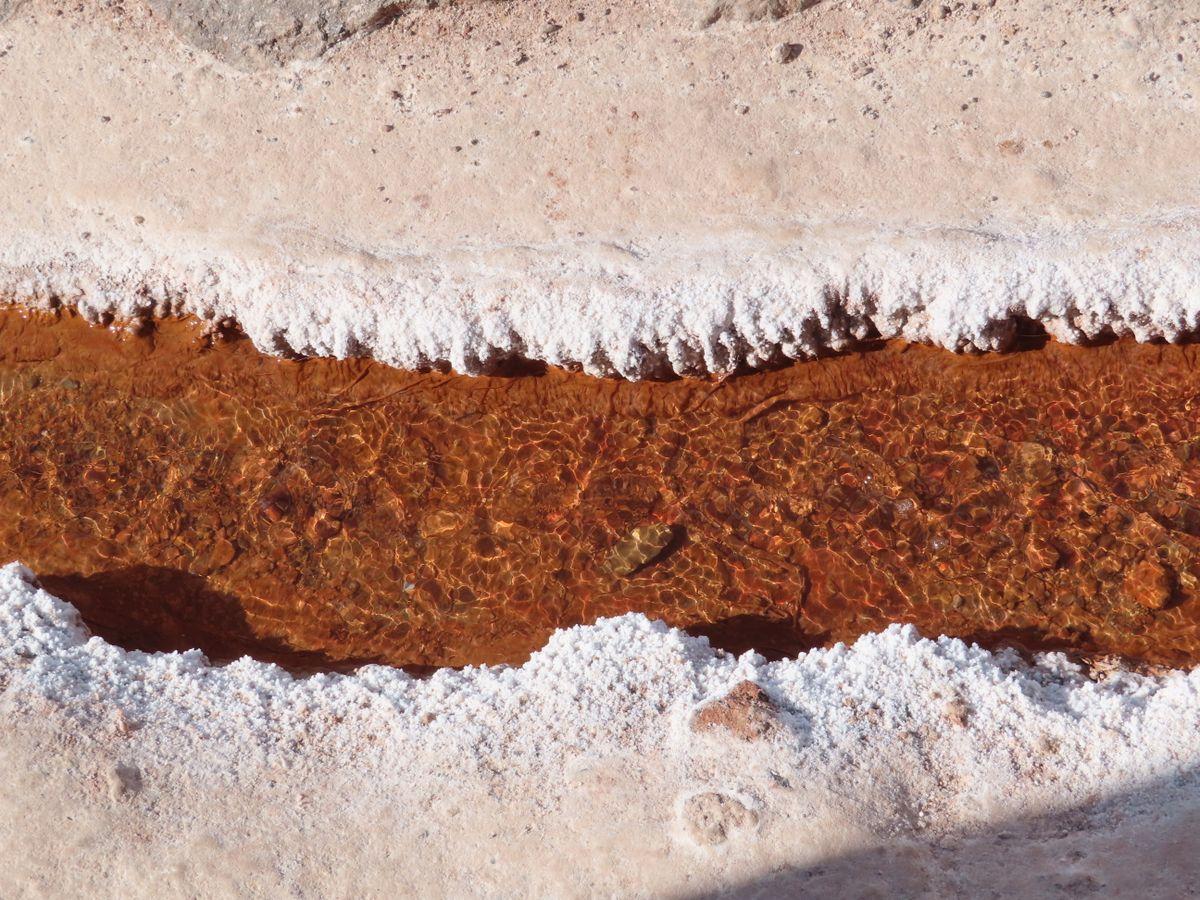 Well Water
Can a Water Softener Remove Iron From Well Water?
Every answer online says a softener handles some iron. The published figures actually run from 0.5 ppm to 10 ppm, and each one comes with conditions: iron still dissolved, pH above 6.7, no air or chlorine upstream. This page puts the extension-service and manufacturer numbers side by side, explains why the ceiling drops to zero once any iron has oxidized, and shows how to check an iron-removal claim against your own well.
Read the guide Well Water
Dissolved vs Oxidized Iron in Well Water
One glass of cold water, a white sheet of paper and a phone camera will tell you which form of iron your well delivers, and that single fact decides whether a softener is even on the table. The lab result that is supposed to confirm it has a trap of its own: iron can oxidize inside the sample bottle on the way to the bench. Here is the glass test photographed at four time stamps, and the preservation steps that keep the lab number honest.
Read the guide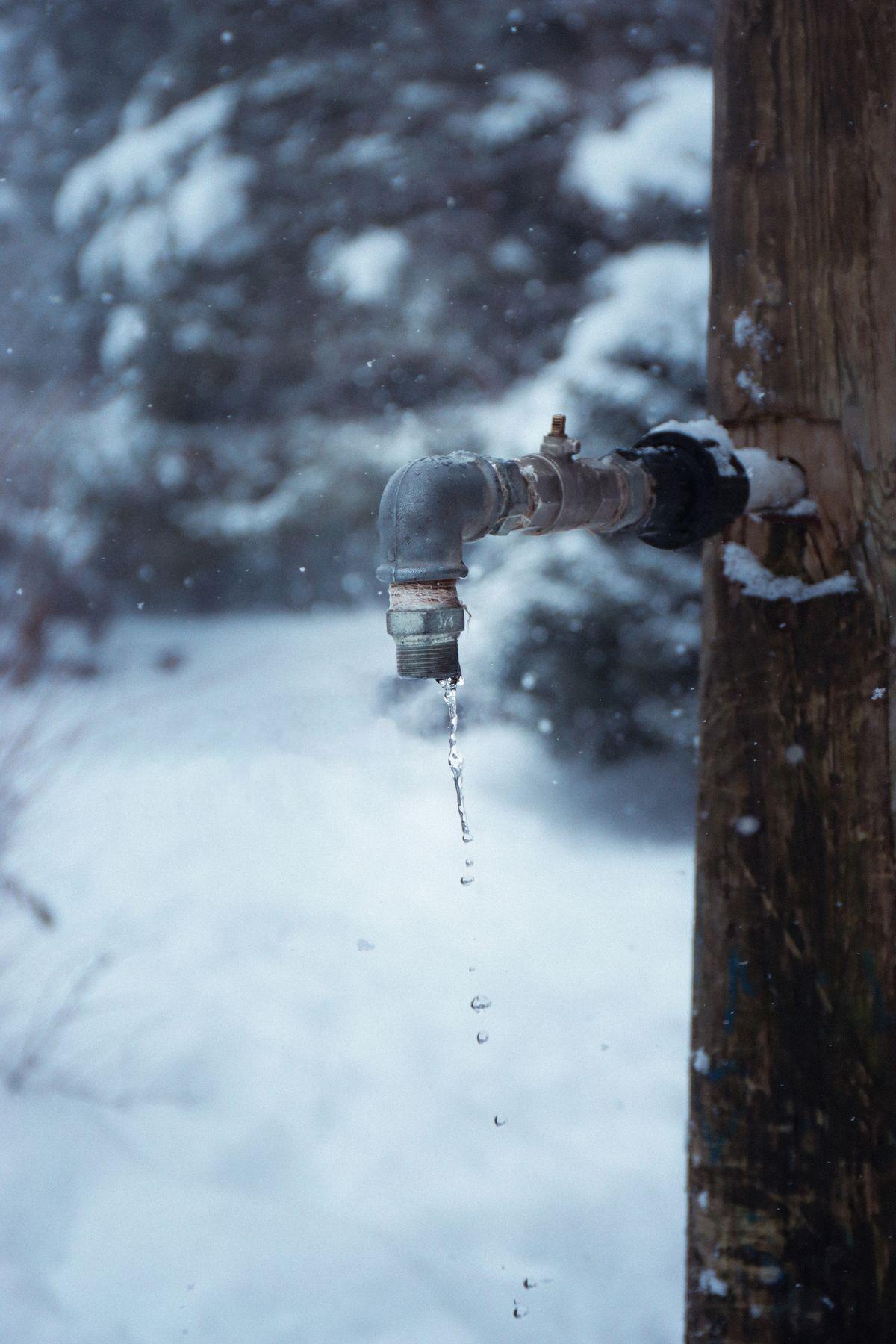 Softener Troubleshooting
What to Do if a Water Softener Freezes
The garage dropped below freezing, the softener is silent, and there may be ice in the lines. The damage, if there is any, was done when the water expanded. What happens next decides whether you find it on your terms or on the floor. Isolate the unit, warm the room rather than the valve, and bring pressure back in stages while you watch the parts that crack invisibly: the valve body, the bypass and the tank neck.
Read the guide Softener Troubleshooting
Water Softener Control Valve: How It Works
Every mechanical softener fault is one stage of the cycle failing. The control valve has only five jobs: send water through the resin, flush it backwards, pull brine through it, rinse it, and refill the salt tank. Once you can picture where the water goes in each of those positions, a salty tap, an overflowing brine tank or a drain that never stops each point to one stage and one part.
Read the guide