
Research Library
Hard water and water softeners, explained clearly
 Sizing and Buying
What Maintenance Does a Salt-Free System Need?
No salt does not mean no upkeep. Here is the actual maintenance calendar for a salt-free conditioner, taken from the manufacturers' own literature, and a worked annual cost set against a softener's salt bill. The two land closer than either side of the industry likes to admit.
Read the guide Living With Softened Water
Scale Prevention vs Hardness Removal
Every product sold for hard water pursues one of two goals: stop hardness forming scale, or take the hardness out of the water. They overlap on water heaters and part ways almost everywhere else. This page sorts twelve outcomes and every major technology by goal, so you can pick the goal first and the product second.
Read the guide Living With Softened Water
Should a Humidifier Use Softened Water?
The usual answer, no, is only right for the humidifier on your nightstand. Whole-house humidifiers behave differently, and at least two manufacturers tell installers to plumb theirs to softened water.
Read the guide Cost and Ownership
Should a Kitchen Drinking Tap Bypass the Softener?
Leaving the kitchen cold tap on hard water is the classic answer to softener sodium, and it works for sodium. What installers rarely mention is that a bypass tap also skips every other treatment in the house, so the drinking tap ends up with the least-treated water in the building. This guide compares a hard bypass tap, softened water throughout, and softened water plus reverse osmosis, with the sodium math and the plumbing detail that decides which one fits.
Read the guide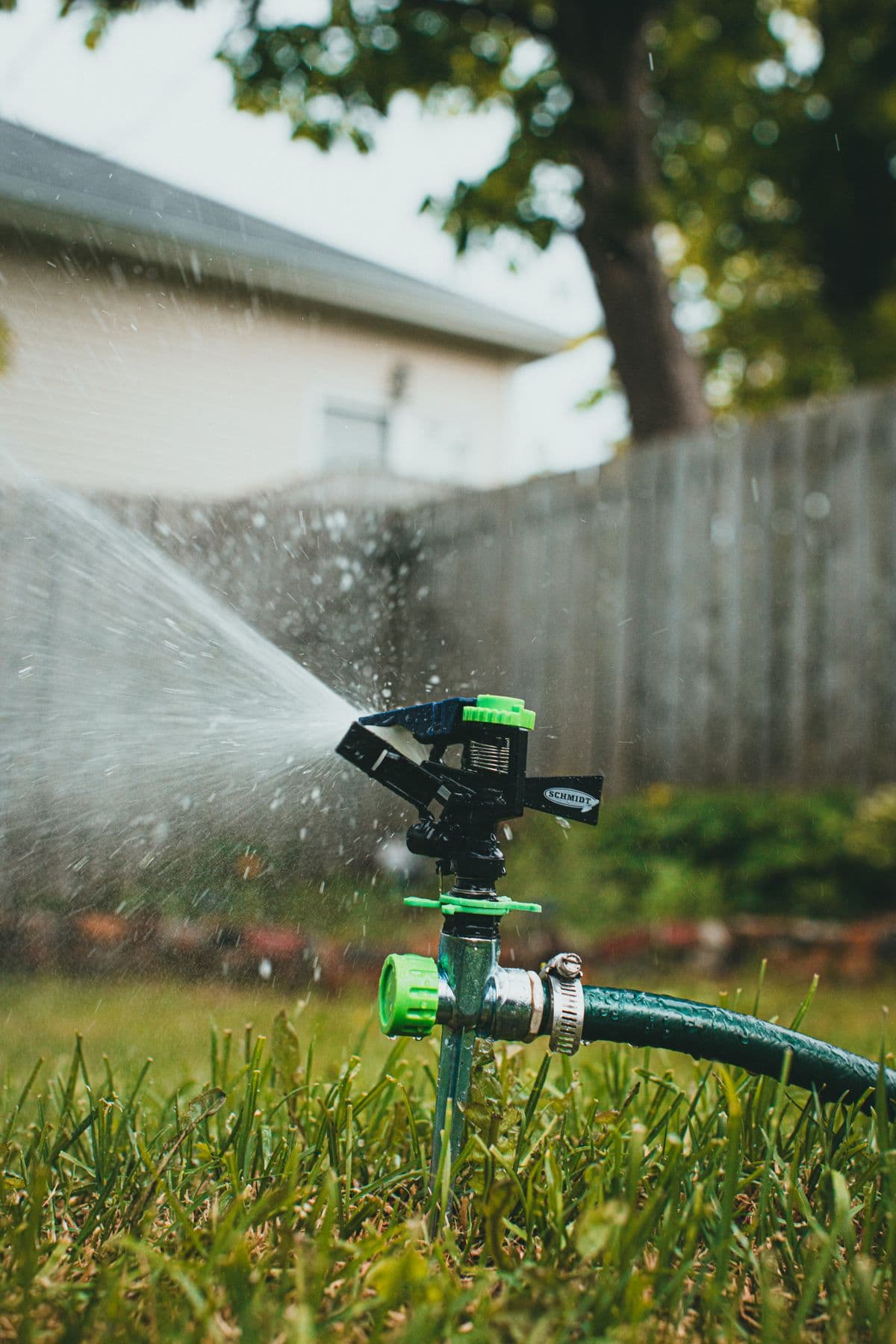 Cost and Ownership
Should Outdoor Faucets Bypass a Water Softener?
Outdoor faucets should almost always bypass a water softener. Lawn and garden water gains nothing from softening, it can nearly double the salt a softener burns in summer, and the sodium it carries slowly breaks down clay soil structure. This guide works the numbers for one summer, explains the soil chemistry, and shows how to move a hose bib to the hard side of an existing installation.
Read the guide Hard Water Fundamentals
Should Softened Water Always Test at Zero Hardness?
A working softener should read zero on a home test kit at its outlet. The certification standard allows up to 1 gpg, and real resin leaks a fraction of a grain that most kits cannot see. Readings above that come from one of three things, and they leave different patterns. A blend setting reads flat all cycle. Leakage rises toward the end. A fault reads high right after regeneration. Here is how to tell which one you have.
Read the guide Sizing and Buying
Signs a Water Softener Is Undersized
An undersized softener and a softener with failing resin both run out of soft water before the next regeneration, and from the kitchen tap they look identical. The fixes are completely different: one needs a bigger unit, the other needs cleaning, a brine repair or new resin. This page lists the signs that point to capacity, the signs that point to the resin, and a delivered-capacity worksheet that tells them apart from your own meter readings and a hardness test kit.
Read the guide Cost and Ownership
Signs a Water Softener Is Near the End of Its Life
Most softeners that get replaced did not need to be. A sudden stop is usually one failed part. The signs that genuinely mean replacement build slowly, and they show up in numbers before they show up at the tap: gallons per regeneration falling month after month, salt per thousand gallons creeping up, and a repair bill that keeps adding to itself.
Read the guide Sizing and Buying
Single-Tank vs Twin-Tank Water Softeners
A twin-tank softener is usually sold as the premium upgrade. The one thing it really does better is keep soft water flowing while a tank regenerates, and a single tank that regenerates at 2 am already gets most households most of that benefit. Here are the specific homes where the second tank earns its price, and the cabinet or two-piece choice, which is about floor space rather than performance.
Read the guide Living With Softened Water
How Much Sodium Does a Water Softener Add?
A salt-based softener adds sodium in exact proportion to the hardness it removes: about 7.9 mg per litre for every grain per gallon. This page gives the formula so you can work out your own figure, puts it next to food labels and a day's sodium, and gives the potassium figure for the same water if you switch to potassium chloride. It also covers who should take the number seriously and the simple ways to keep sodium out of drinking water.
Read the guide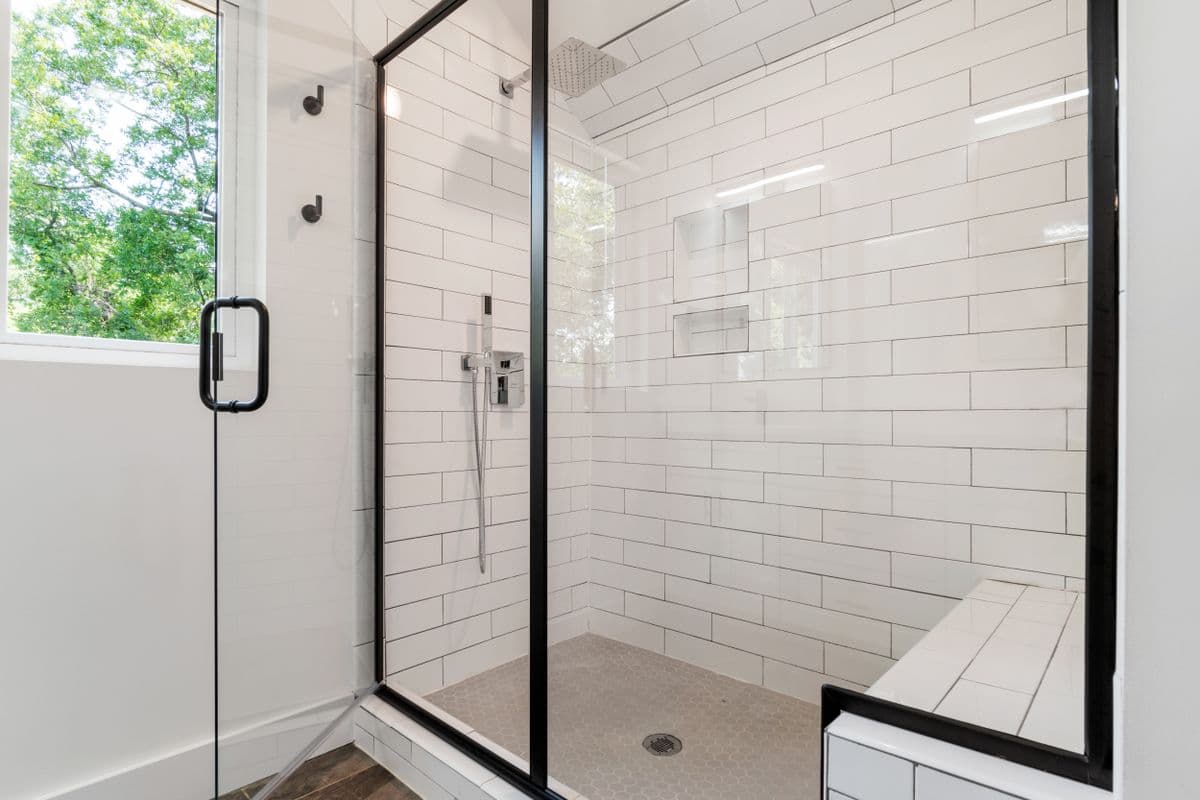 Living With Softened Water
Softened Water and Fixtures: Faucets, Showerheads and Glass
The fixture benefits of a softener are real, but they show up slowly and only on new deposits. Here is how to document your own before-and-after, and why the acid descalers under your sink can finally go.
Read the guide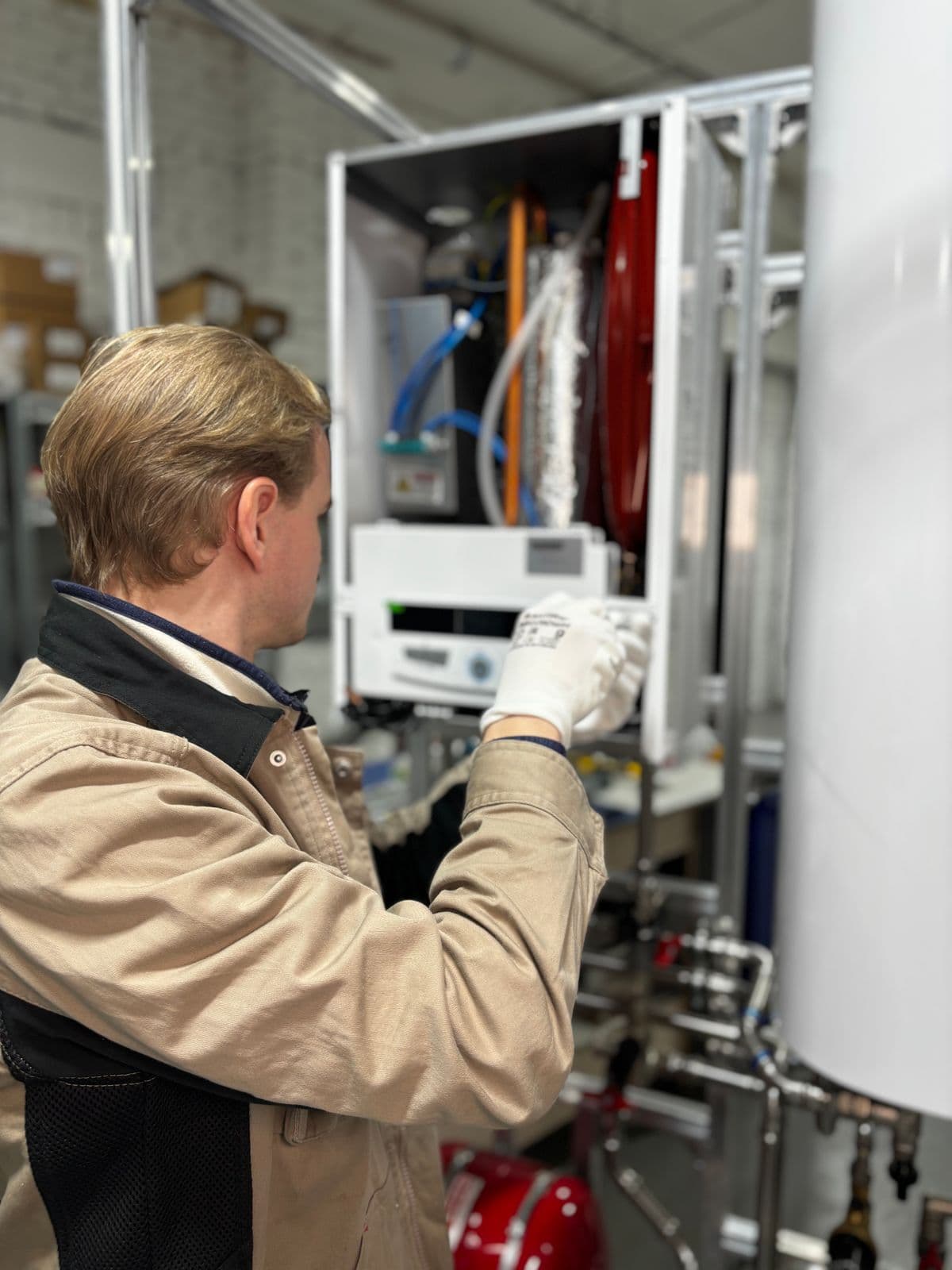 Living With Softened Water
How Softened Water Affects a Tankless Water Heater
Tankless manufacturers write their water-quality limits as a hardness number, and softening is the treatment that reliably gets under it. Here is what Noritz, Navien and Rinnai actually require, how softening changes your flush schedule and warranty standing, and a ten-year cost comparison for a home where the tankless heater is the whole reason for the softener.
Read the guide