
Research Library
Hard water and water softeners, explained clearly
 Living With Softened Water
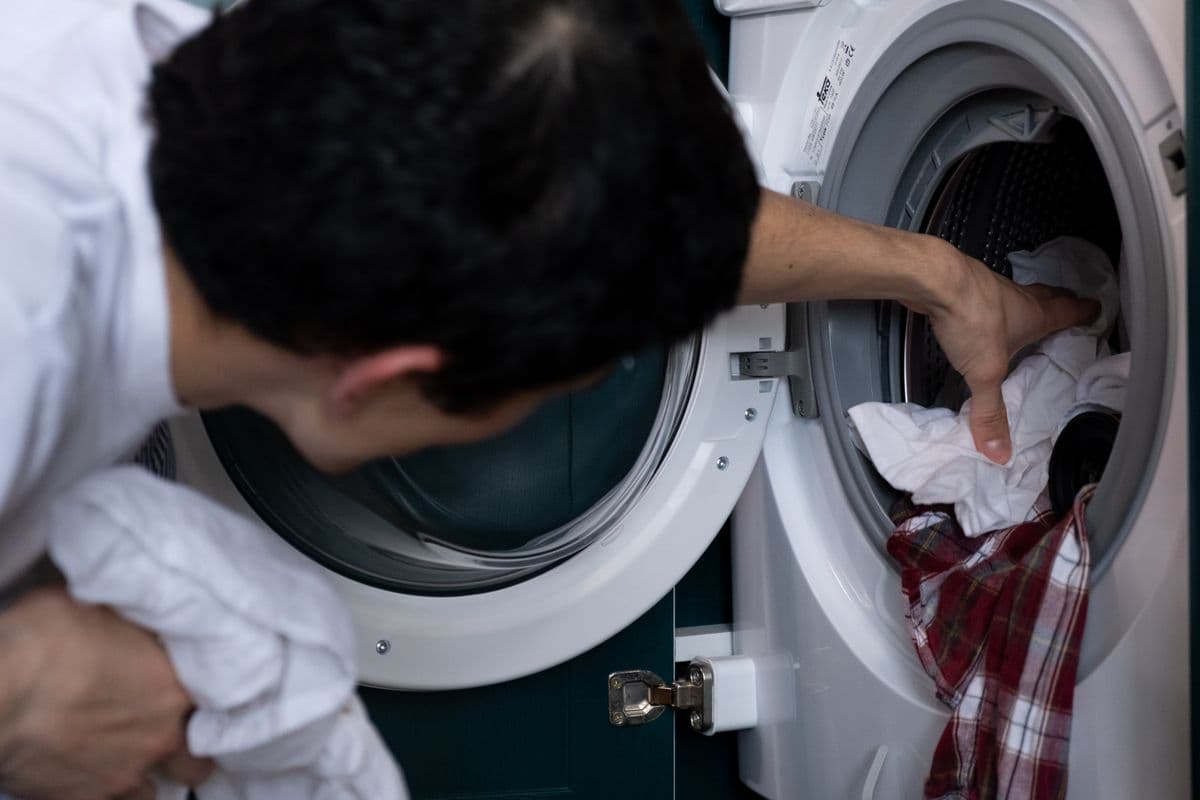
How Softened Water Affects a Washing Machine
Softened water keeps scale out of a washer and lets detergent work at half the dose. But the first loads after installation often come out worse, not better, because years of residue in towels and the machine meet a hard-water dose in soft water. Here is why that happens and the reset that ends it in a week.
Read the guide Living With Softened Water
How Softened Water Changes Coffee, Tea and Cooking
Fully softened water tends to make flat coffee. Brewing wants some calcium and magnesium, and the SCA's own water spec sets a hardness range rather than zero. Your espresso machine wants the opposite for its boiler. This page explains that tension, what softening does to tea and cooking, and four practical ways to get brew water in a softened house.
Read the guide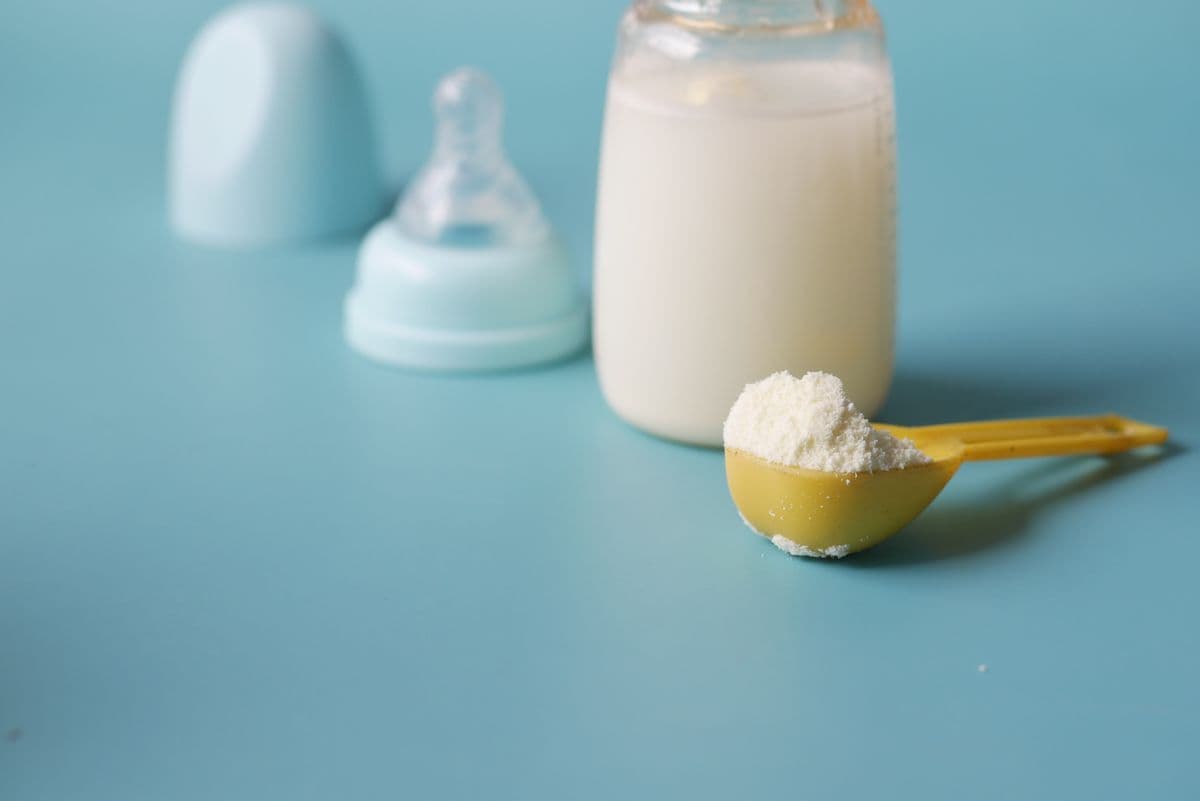 Living With Softened Water
Should Softened Water Be Used for Baby Formula?
The conservative answer is the right one: don't make baby formula with water from a salt-based softener. This page explains why sodium matters so much more at a baby's body weight, shows which kitchen tap to use instead, and explains why a bypassed cold tap is worth planning when the softener goes in.
Read the guide Living With Softened Water
Softened Water for Pets, Plants, Gardens and Aquariums
One softener, four very different verdicts. Dogs and cats are generally fine. Houseplants and gardens build up sodium. Aquarium fish depend on the calcium a softener removes. Here is the reasoning behind each answer, the exceptions for small pets and reptiles, and where to draw water for each.
Read the guide Living With Softened Water
Softened Water in Boilers and Hydronic Heating Systems
A combi boiler holds two separate water circuits, and softened water suits only one of them without conditions. Treating the sealed heating loop like the hot water side is the mistake that shows up years later as a failed heat exchanger.
Read the guide Living With Softened Water
Can Softened Water Be Used in Pools and Hot Tubs?
Pool and spa water needs calcium hardness. It is a target, not a contaminant. Fill with fully softened water and you start near zero, below the minimum, with water that attacks plaster, grout and heater parts. Here is the calcium chloride arithmetic, the fill strategy when your only outdoor tap is softened, and the vinyl and acrylic exception.
Read the guide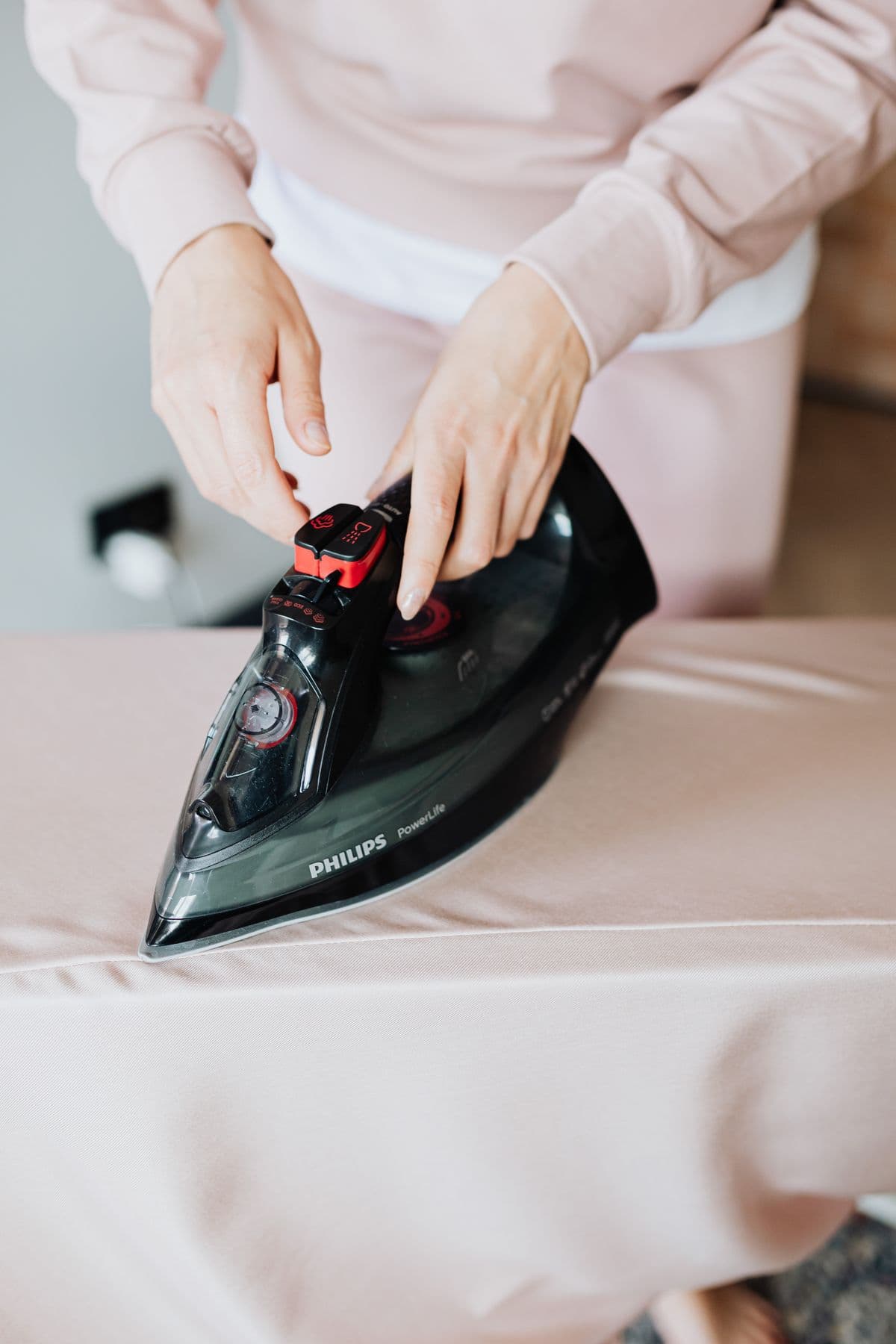 Living With Softened Water
Softened Water in Small Appliances: Steam Ovens, Irons and Coolers
Steam ovens, steam irons and evaporative coolers all turn water into vapour, and their manufacturers disagree sharply about softened water. One recommends it, two rule it out, and one says never to use the distilled water another suggests.
Read the guide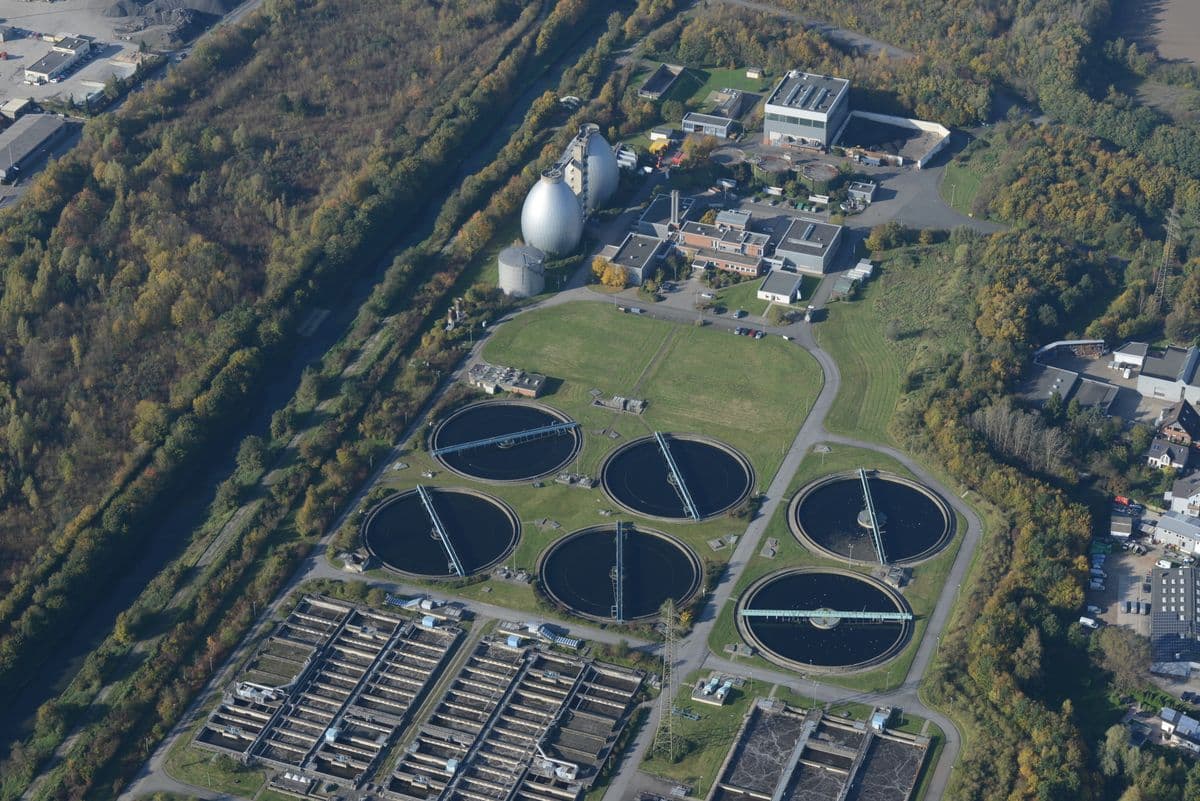 Living With Softened Water
How Softener Brine Affects Municipal Wastewater Treatment
A sewage plant is built to take things out of water by settling, digesting, precipitating or killing them. Chloride from softener salt fits none of those, so it leaves the plant in the same amount it arrived. This page explains the chemistry, the discharge permits it runs into, why water reuse makes it worse, and why cutting salt at the source beats building treatment.
Read the guide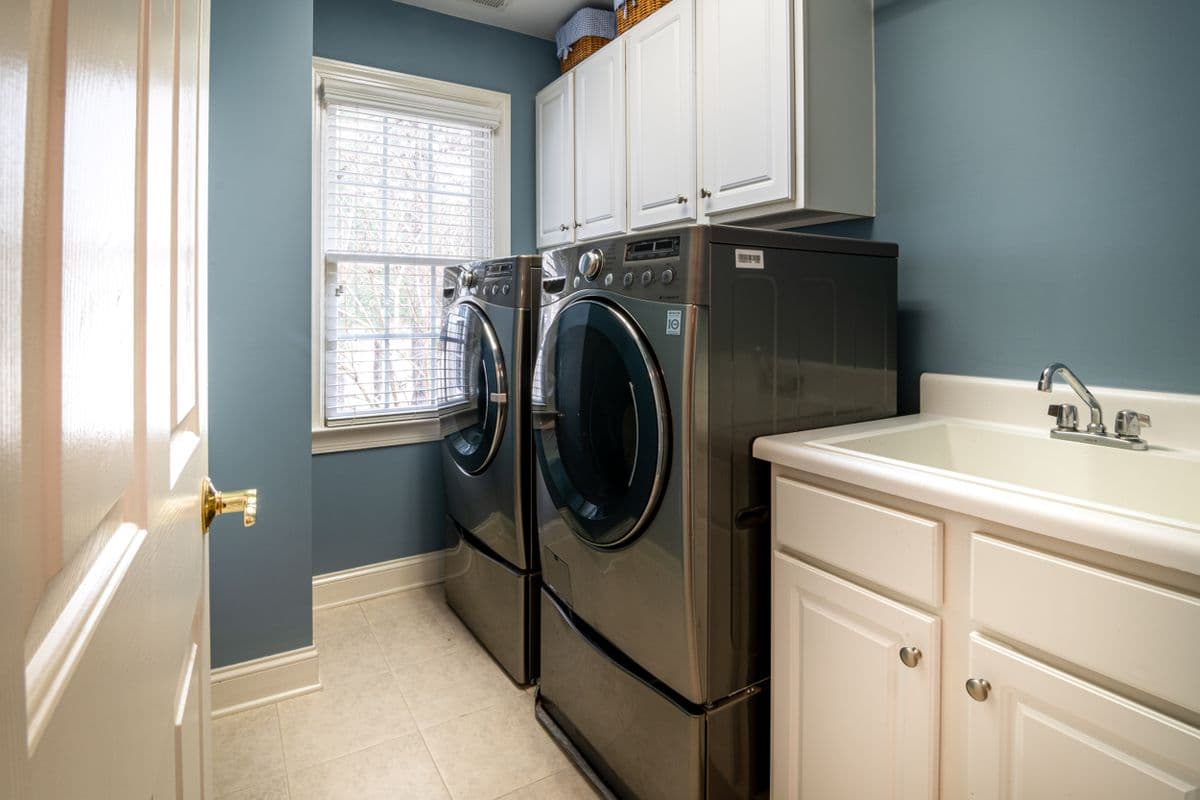 Installation and Setup
Installing a Softener in a Basement, Garage, Crawl Space or Closet
A basement is usually the easiest water softener installation location, a heated garage or utility closet comes next, and a crawl space is the last resort. This page scores all four rooms against the five installation requirements in one table, then gives the specific fix for each room's weak point: flooding in basements, freezing in garages, salt access in crawl spaces, and drainage and noise in closets.
Read the guide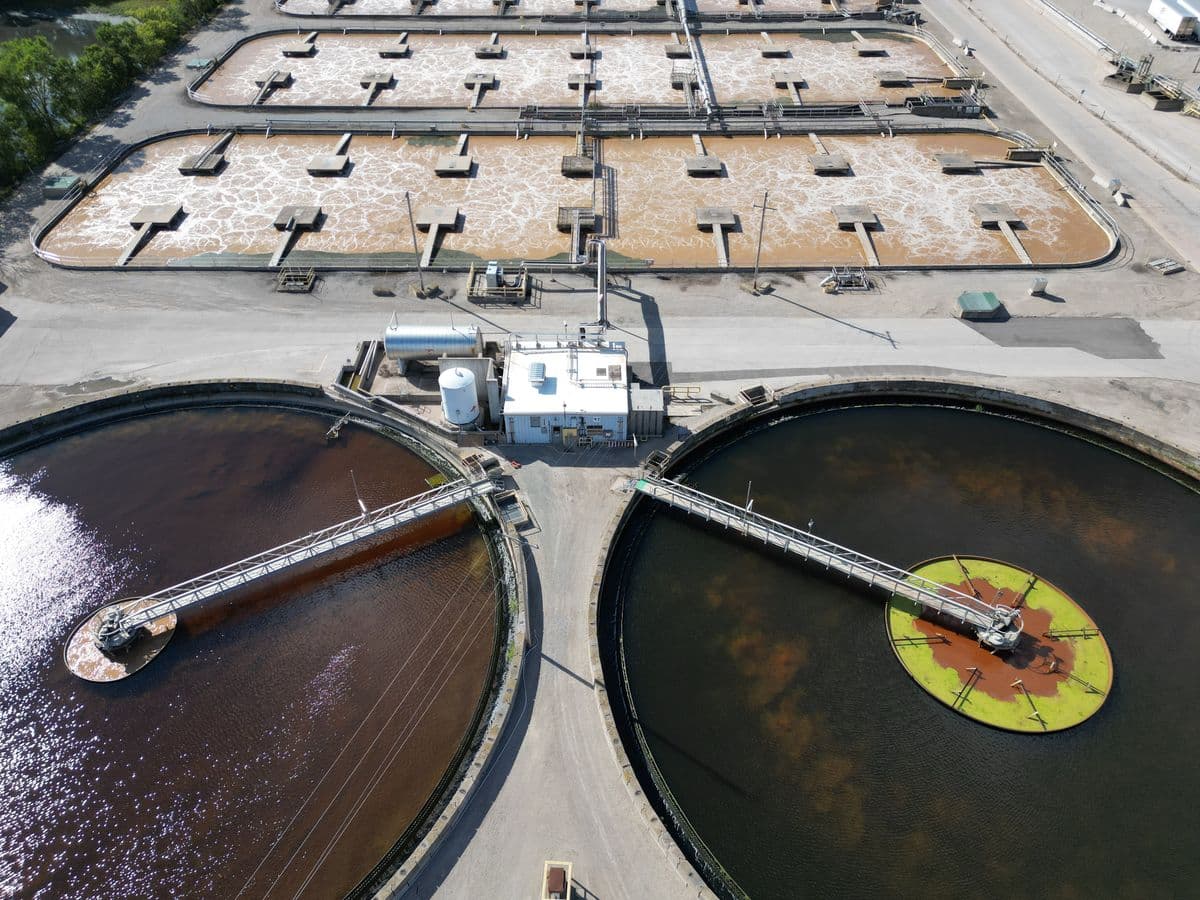 Sizing and Buying
Chlorine-Resistant Softener Resin: Is 10 Percent Worth It?
Ten percent crosslink resin is not a separate product category. It is the same softening resin built tighter, so chlorine takes longer to break it down. Whether that is worth the premium is an arithmetic question, not a spec-sheet one: your measured chlorine residual against the cost of each re-bed. This page works that sum, shows the residual above which a carbon filter beats upgraded resin, and lists what neither can do.
Read the guide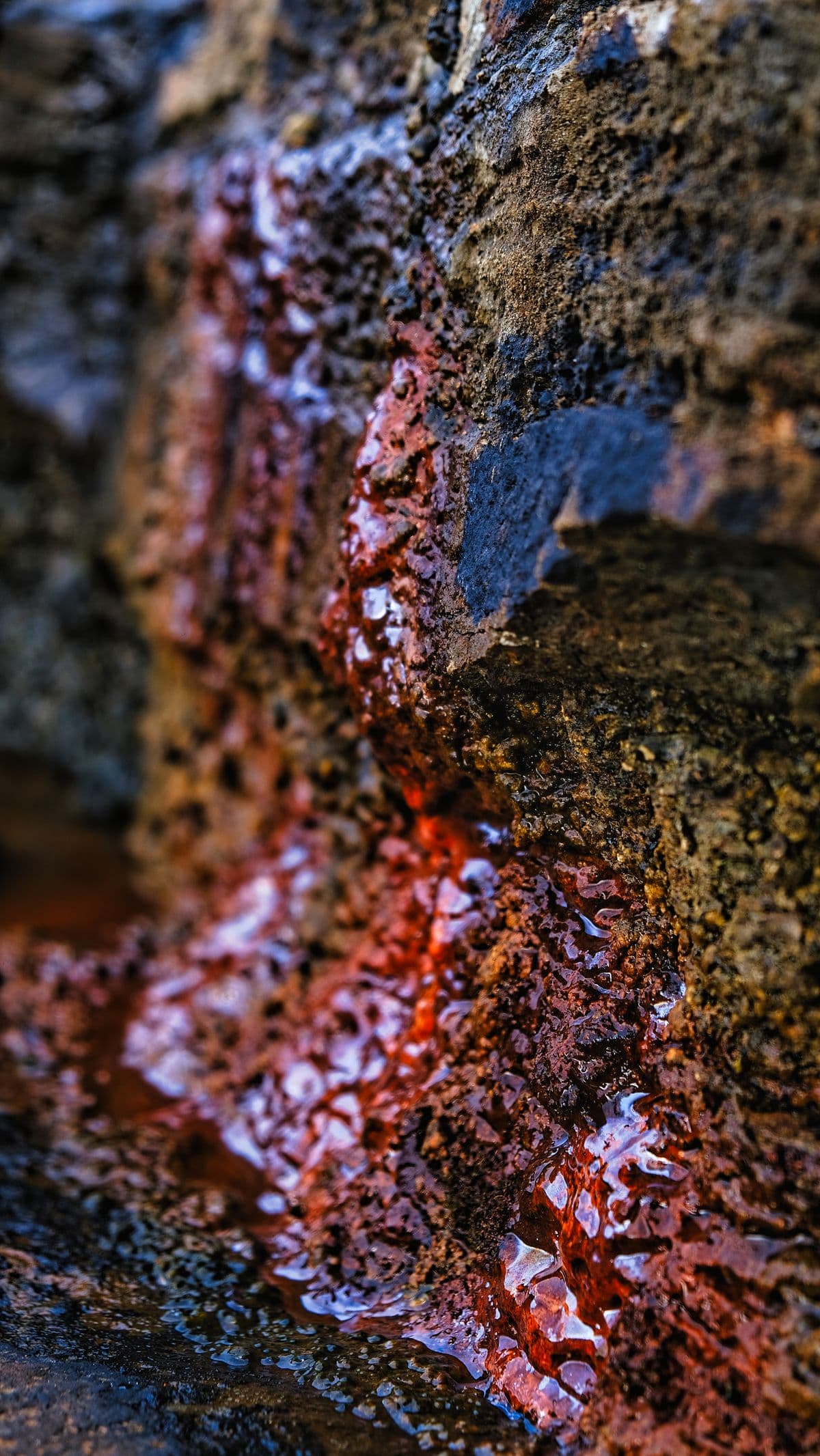 Sizing and Buying
Standard vs Fine-Mesh Softener Resin: When Fine Mesh Wins
Fine mesh resin is ordinary softening resin in smaller beads. The extra surface area makes it better at taking up dissolved iron and giving it back at regeneration. It also filters out any iron that has already rusted, adds pressure drop, and needs a lower backwash rate, not a higher one. This page sets out the water conditions where fine mesh is worth it, and the low-yield-well problem that often cancels it out.
Read the guide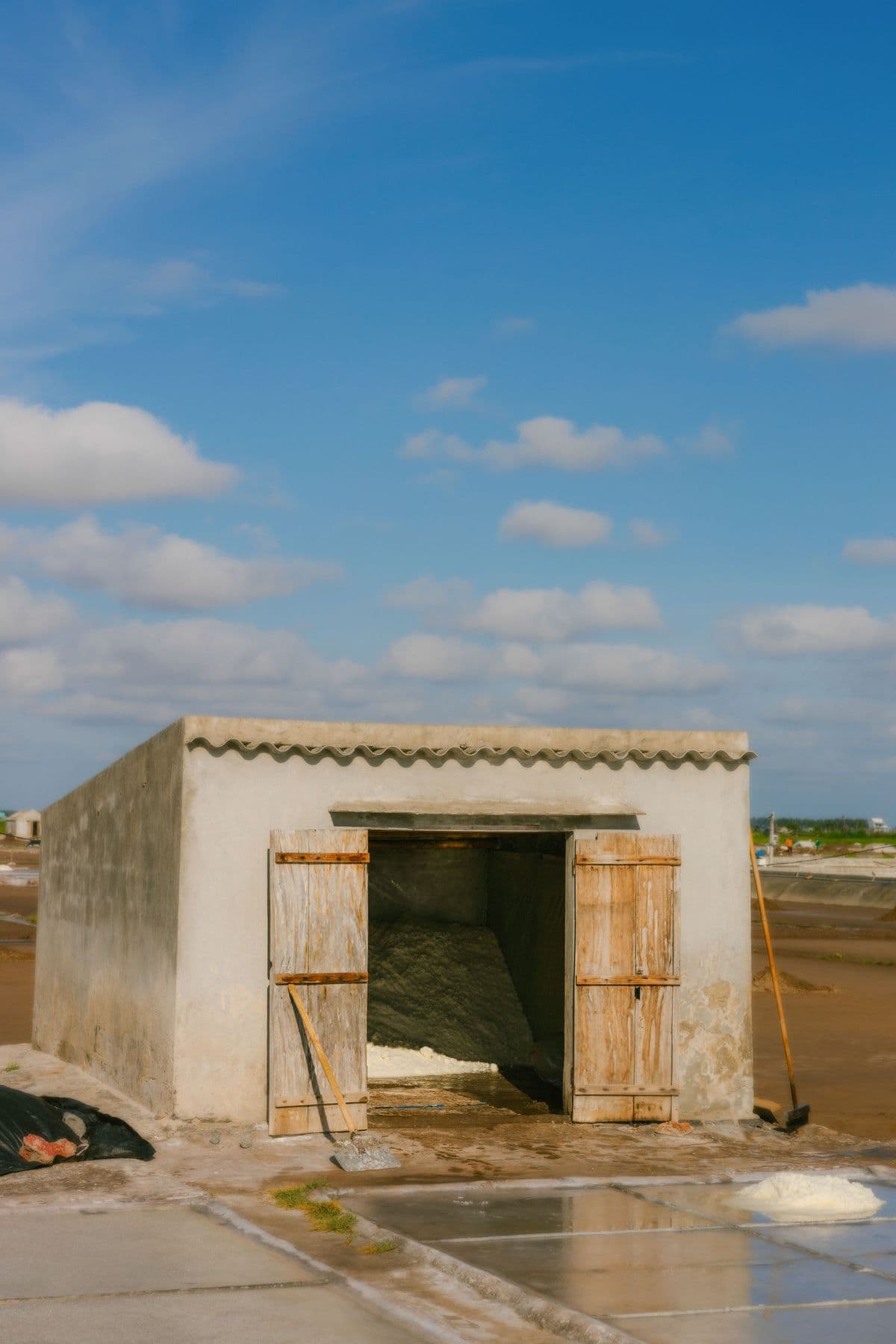 Cost and Ownership
Storing, Changing and Disposing of Softener Salt
Most brine tank faults start before the salt reaches the tank. Bags kept in a damp basement cake into lumps that go on to weld into a salt bridge. A new grade poured on top of the old one settles into mush. Five storage rules, one refill habit and a run-down procedure for switching types prevent both. For salt that is already spoiled, the right route depends on what spoiled it.
Read the guide