
Research Library
Hard water and water softeners, explained clearly
 Cost and Ownership
Total Cost of Owning a Water Softener
The price tag is only a third to a half of what a softener costs you. This ten-year model totals every line item, including salt, regeneration water, electricity, upkeep and one resin change, at three hardness levels so you can find your own row. Then it weighs the savings you may get back, with ranges that start at zero rather than the inflated figures common in sales material.
Read the guide Hard Water Fundamentals
Types of Hardness: Temporary, Permanent, Calcium and Magnesium
Hardness comes in two pairs of types: temporary and permanent, set by what the calcium and magnesium are paired with, and calcium and magnesium themselves. Each pair explains a different thing you see at home, from a furred kettle to spots on a cold tap, and only one number matters for sizing a softener.
Read the guide Sizing and Buying
Upflow vs Downflow Regeneration: Which Uses Less Salt?
Upflow and downflow regeneration are the same distinction as counter-current and co-current brining, sold under two names. The upflow direction genuinely regenerates the resin that polishes your water last, and it genuinely saves salt. How much it saves depends on the salt dose, and the saving only holds while the bed stays still. That makes it a better fit for clean city water than for a well carrying iron and silt.
Read the guide Living With Softened Water
How Soft Water Changes Hair and Skin Washing
Soft water makes shampoo and body wash lather two to three times further, so the old dose is now an overdose. Here are concrete starting doses by product and hair type, and an honest account of the two-week adjustment period that makes new owners think the softener made things worse.
Read the guide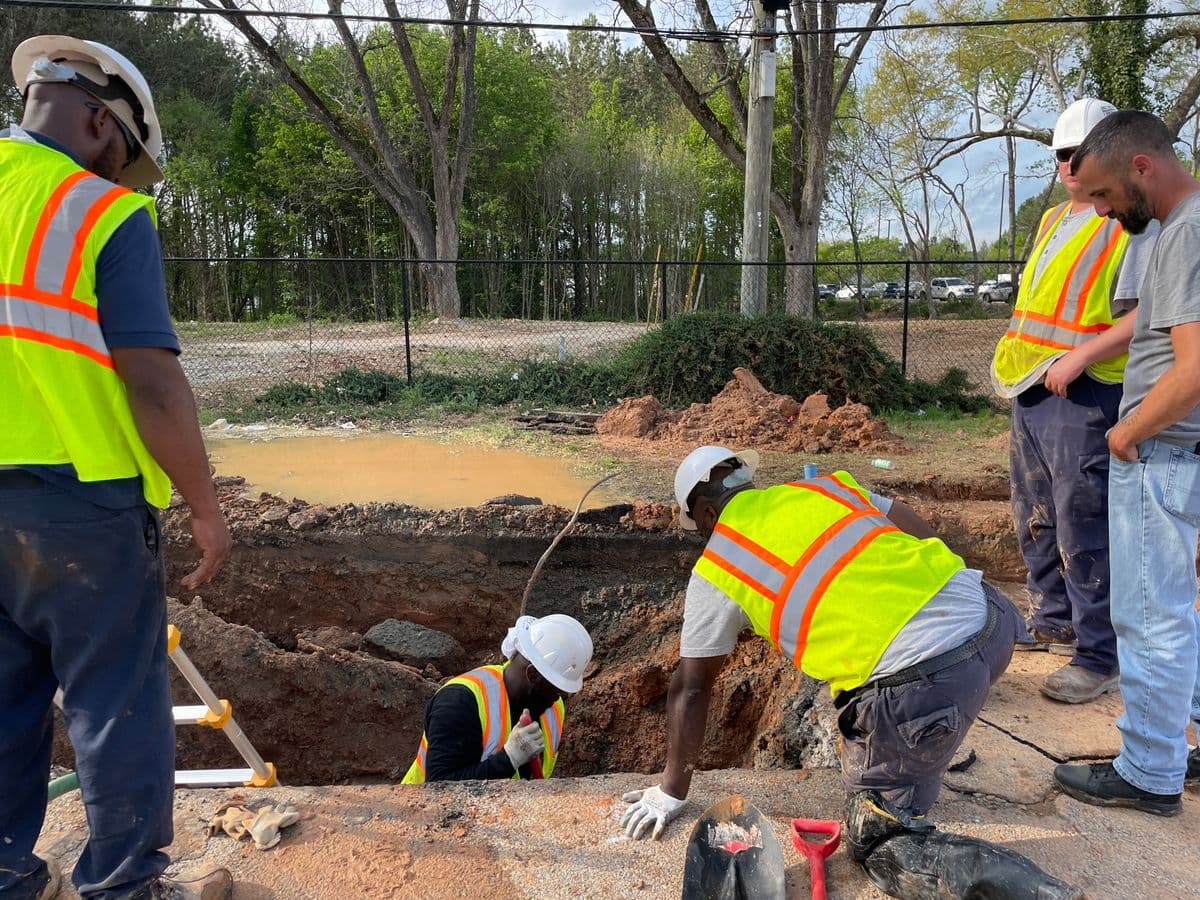 Cost and Ownership
Water Main Breaks and Supply Outages: Protecting Your Softener
When a main breaks, the first water back into your house carries grit, rust and trapped air, and it arrives with a pressure surge. A softener sits right in its path. This page gives one protocol that works for every supply disruption, from a main break to a storm or wildfire: bypass, wait, flush, reconnect. It shows where to flush and how to tell the supply has cleared.
Read the guide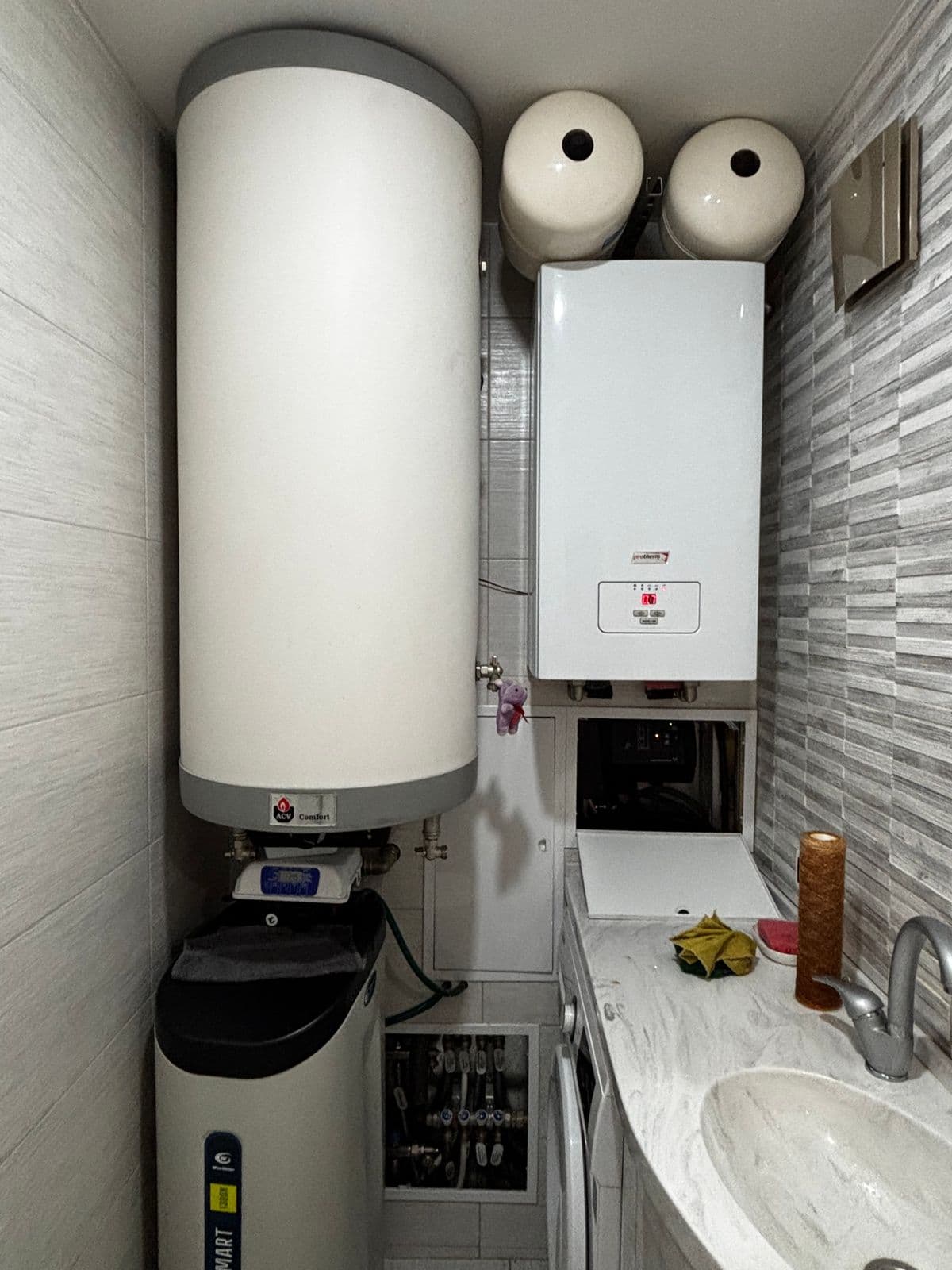 Living With Softened Water
How a Water Softener Affects a Storage Water Heater
Softening stops a tank water heater from filling with scale and keeps a gas unit's efficiency flat. It also speeds up the sacrificial anode rod, and at least one major manufacturer's manual says so in writing. Here is what the lab data shows, what the manual and warranty actually say, and the inspection schedule that keeps the benefit.
Read the guide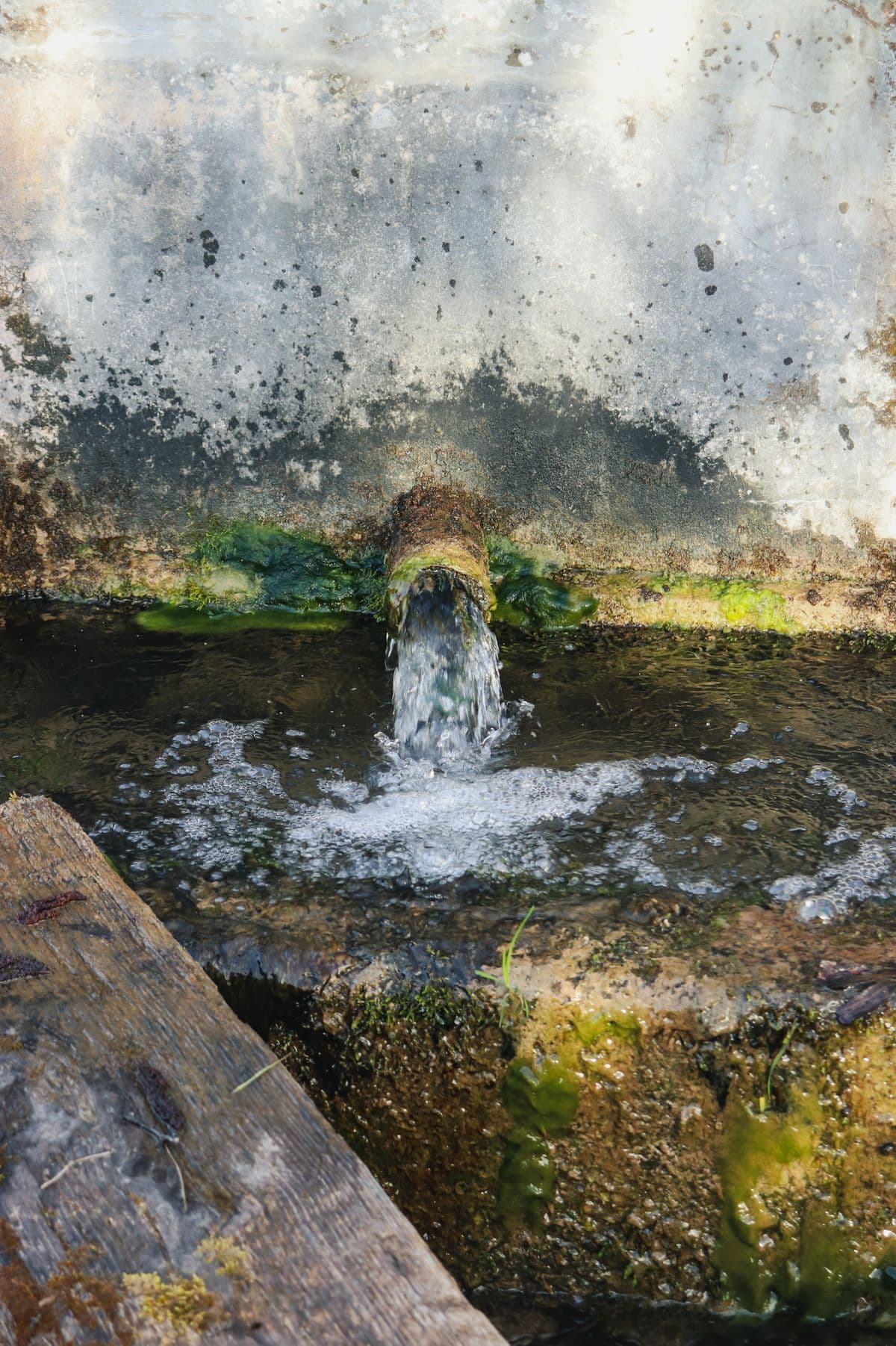 Installation and Setup
Does a Water Softener Need Backflow Protection?
Every softener needs backflow protection on its drain, and that job is done by an air gap, not a valve. A second device on the supply side is a separate requirement that only some utilities and codes impose. Mixing the two up is how installs fail inspection or get parts they never needed.
Read the guide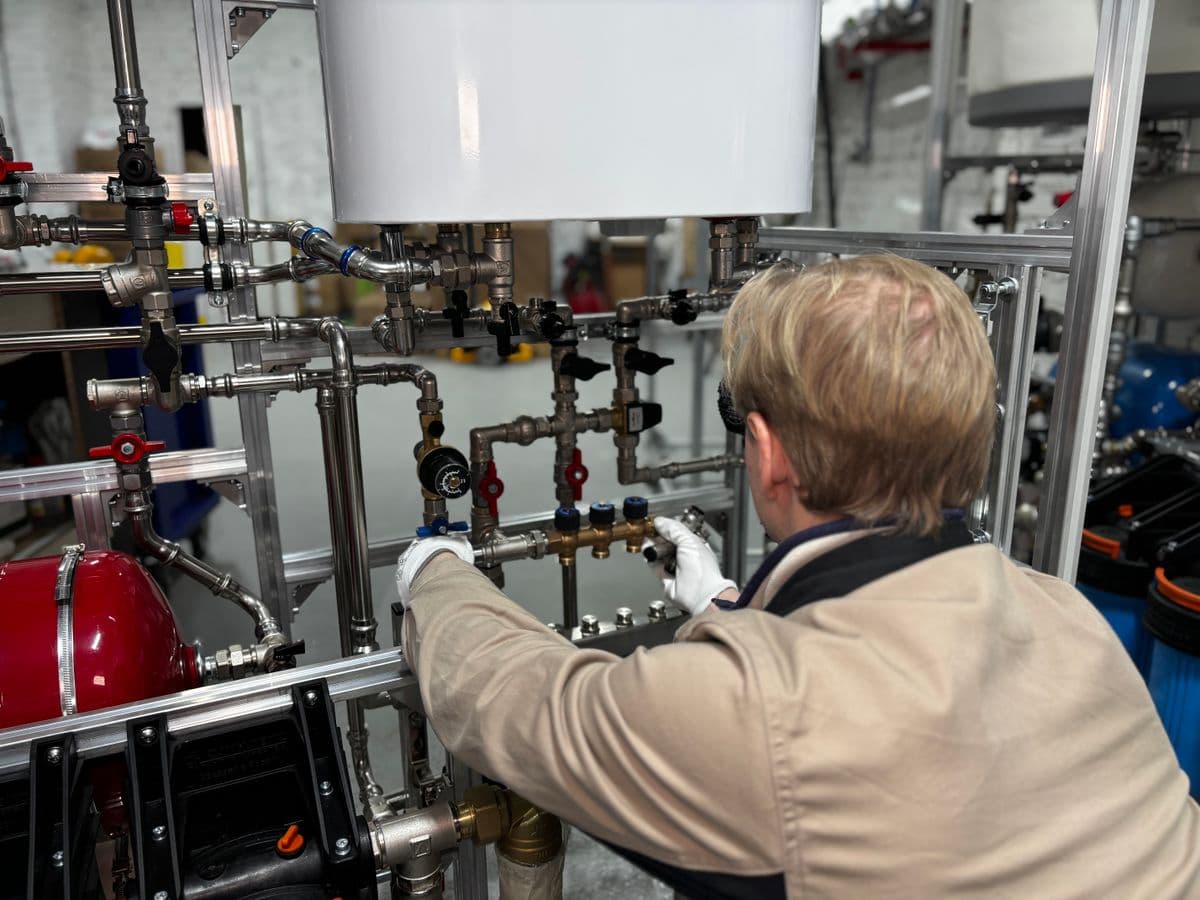 Installation and Setup
Should a Softener Go Before or After the Water Heater?
A water softener always goes before the water heater. The heater is the appliance hard water damages most, and softeners are rated only for cold water. The real planning question is which cold lines may branch off ahead of the softener, and why the heater can never be one of them. This page covers that, plus a four-step diagnostic for houses that already have it wrong.
Read the guide Cost and Ownership
Softener Brine Restrictions and Drought Rules
Most of the US has no restriction on owning a salt-based water softener. Where rules do exist, they are local, and they come from one problem: chloride in regeneration brine that sewer plants cannot remove. This page sorts the real rules into five types, quotes the laws behind the best-known ones, and sets out the legal options and how to check your own area before you buy.
Read the guide Cost and Ownership
Water Softener Care for Seasonal Homes and Cabins
A softener in a cabin or seasonal home faces two problems a full-time home rarely sees: a resin bed that sits in still water for months and grows bacteria, and a brine tank where humid air fuses the salt into a bridge. This guide explains both, gives a closing routine and an opening routine with a sanitize, and covers low-use permanent households, which get the same stagnation without ever locking the door.
Read the guide Installation and Setup
Why a Water Softener Drain Needs an Air Gap
An air gap looks like a technicality: an inch or two of empty space between the end of a tube and the top of a drainpipe. It is the only thing standing between a clogged house drain and the resin tank that feeds your taps, and the scenario that defeats it needs nothing more exotic than a slow drain, a pressure drop and a softener that happens to be regenerating at the time.
Read the guide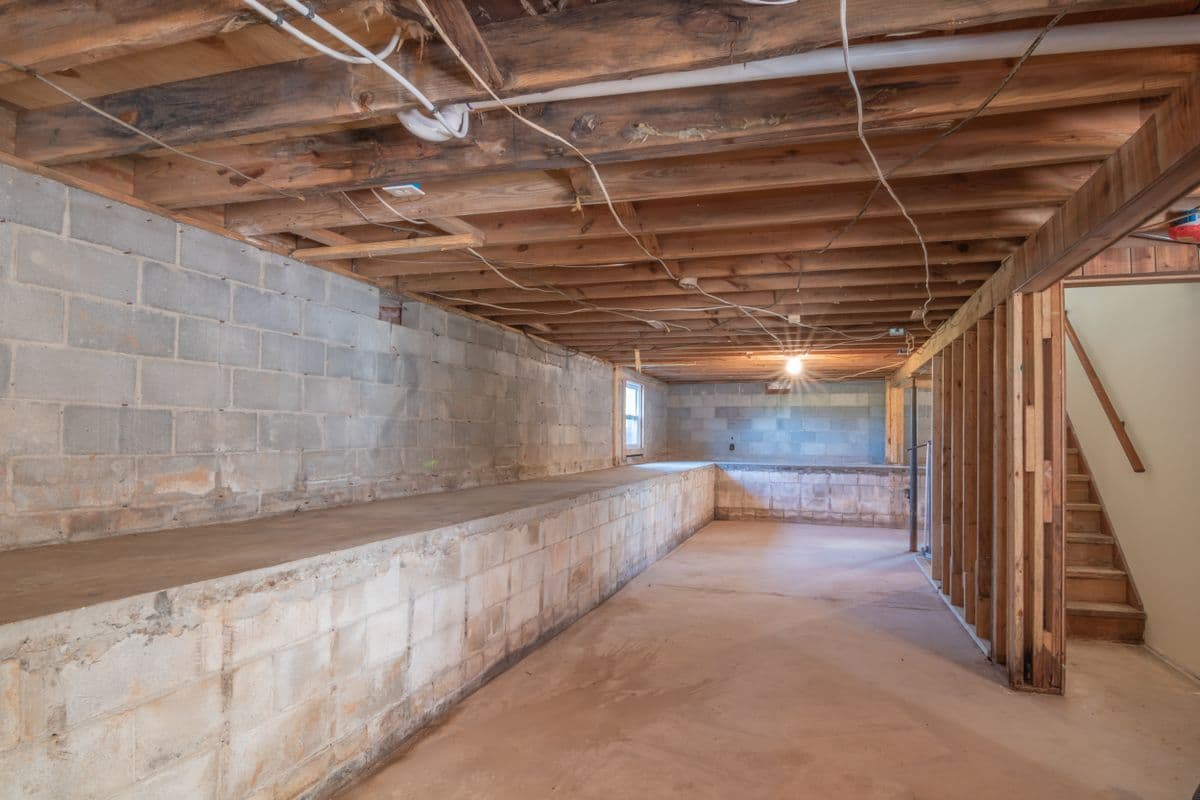 Installation and Setup
How High Can a Softener Pump Its Drain Water?
A softener in a basement often has nowhere to drain but up: to an overhead sewer line, a laundry tub on the floor above, or a standpipe mounted high on the wall. The valve can push water uphill, but only by spending pressure it also needs for backwash and brine draw. The question is not how high a softener can lift in general. It is how high yours can lift on the pressure you actually have while it regenerates.
Read the guide