
Research Library
Hard water and water softeners, explained clearly
 Installation and Setup
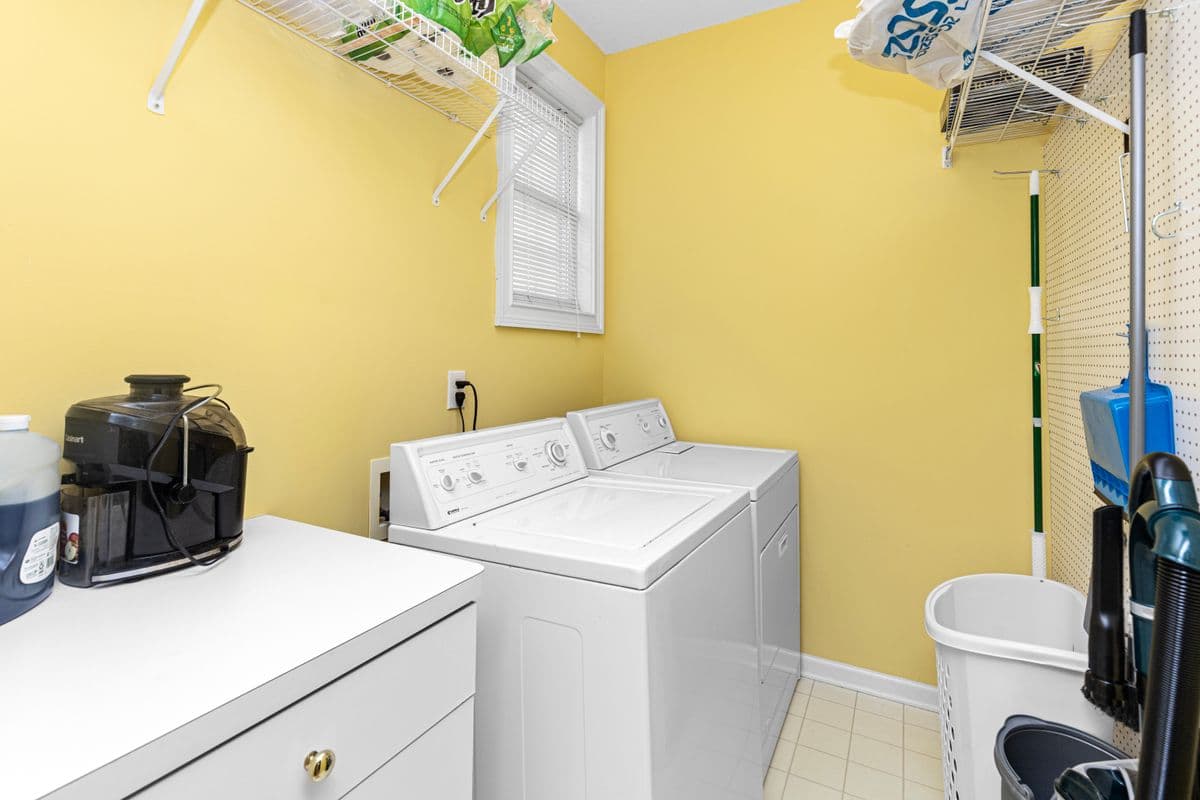
Installing a Softener Without a Drain or Outlet Nearby
No floor drain and no outlet where the softener needs to go are the two most common reasons a purchase stalls. This guide ranks the five workarounds by cost and reliability and gives the hard limit on each: how far and how high a drain line can run, why a condensate pump cannot keep up with backwash, and when exchange tanks make more sense.
Read the guide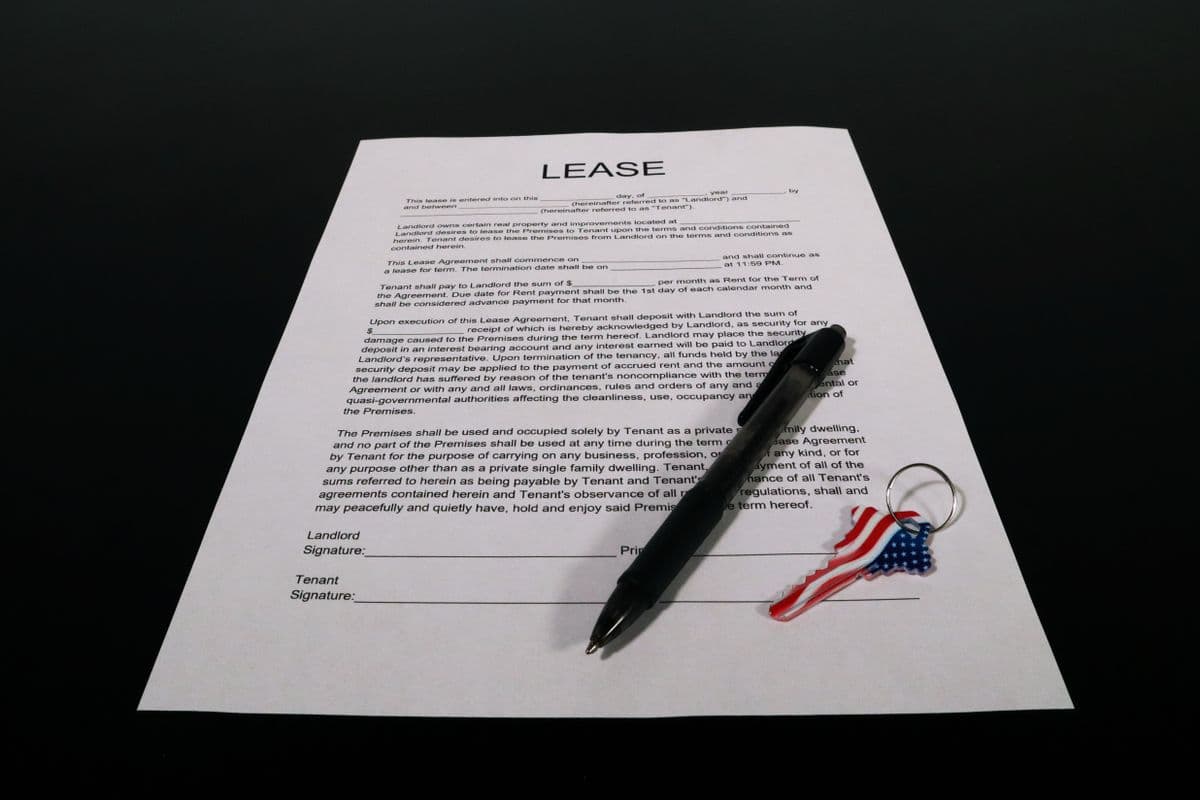 Cost and Ownership
Water Softeners in Rentals: Landlord and Tenant
Who fills the salt, who fixes a broken valve, and whether a softener a tenant plumbed in has to stay behind all depend on who supplied it and what the lease says. This page covers both sides of the same arrangement: the usual split of duties, the fixture question, the non-permanent options a tenant can take with them, and the lease wording that heads off a move-out dispute.
Read the guide Water Testing
How to Build a Water Test Panel Before Treatment
Hardness tells you how big a softener to buy. It does not tell you whether the resin will last, whether a prefilter is needed, or whether a softener is the right equipment at all. Those answers come from six or seven other numbers, most of them cheap. Here are two ready-made test panels, one for city water and one for private wells, with what each test costs and exactly which buying decision it changes.
Read the guide Sizing and Buying
What Does Grain Capacity Mean on a Water Softener?
A water softener's grain capacity is how many grains of hardness its resin can remove before it needs regenerating. It is not a fixed property of the unit. One cubic foot of resin on one manufacturer's table gives 22,930, 28,060 or 32,310 grains depending on the salt dose, and the model name uses the highest. Here is what a grain is, how capacity is tested, how to turn it into gallons and days, and how to convert any grain rating back to resin volume so you can compare brands fairly.
Read the guide Softener Troubleshooting
What Does Water Softener Resin Actually Do?
Softener resin is a bed of plastic beads, each covered in fixed sites that hold sodium and trade it for calcium and magnesium. Capacity is just a count of those sites. Everything that goes wrong with resin comes down to losing sites in one of two ways: blocked by something coating them, which can often be reversed, or destroyed along with the bead itself, which cannot. Knowing which one you have decides between a bottle of cleaner and a new bed.
Read the guide Living With Softened Water
What Does NSF/ANSI 44 Mean for Water Softeners?
NSF/ANSI 44 is the standard for cation exchange water softeners. A full listing proves five things, from safe materials to a verified capacity rating, and a component or material-only listing proves far less. This page explains each claim code, compares the NSF, WQA Gold Seal and IAPMO marks, and lists what no certification covers.
Read the guide Installation and Setup
What Time Should a Water Softener Regenerate?
The factory setting of 2 a.m. is right for most houses, and it quietly fails in two ways. The first is a clock that is wrong, usually after a power cut, so the cycle runs at breakfast or dinner. The second is a household whose quiet hours are not 2 to 4 a.m.: late-shift workers, early risers, rentals and buildings with several units. This page shows how to find your own window, how to confirm the clock, and when immediate or hybrid regeneration beats a fixed time.
Read the guide Sizing and Buying
When a Salt-Free Conditioner Is the Wrong Choice
A salt-free conditioner is the wrong choice whenever your goal needs hardness removed from the water, or when your water or plumbing sits outside what the media can handle. This page is a disqualification checklist rather than another comparison: nine checks, the manufacturer limits behind them, and the buyer profile that regrets this purchase most often.
Read the guide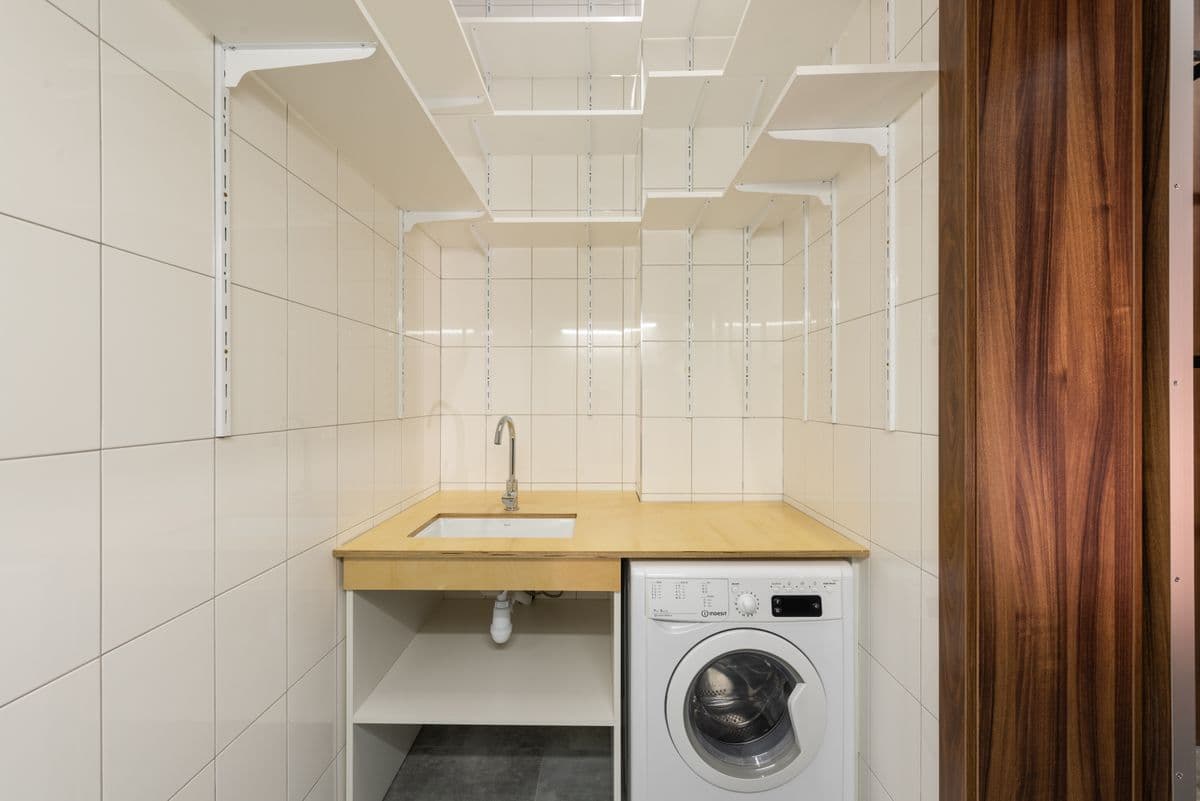 Installation and Setup
Where Can a Water Softener Drain?
Standpipe, laundry tub, floor drain, sewer line, sump pit, dry well or the backyard: a softener drain can physically go almost anywhere a tube reaches. Whether it should depends less on the receptor than on where that receptor ultimately sends the water. Rank the options by that, and the confusing list of maybes sorts itself into three groups.
Read the guide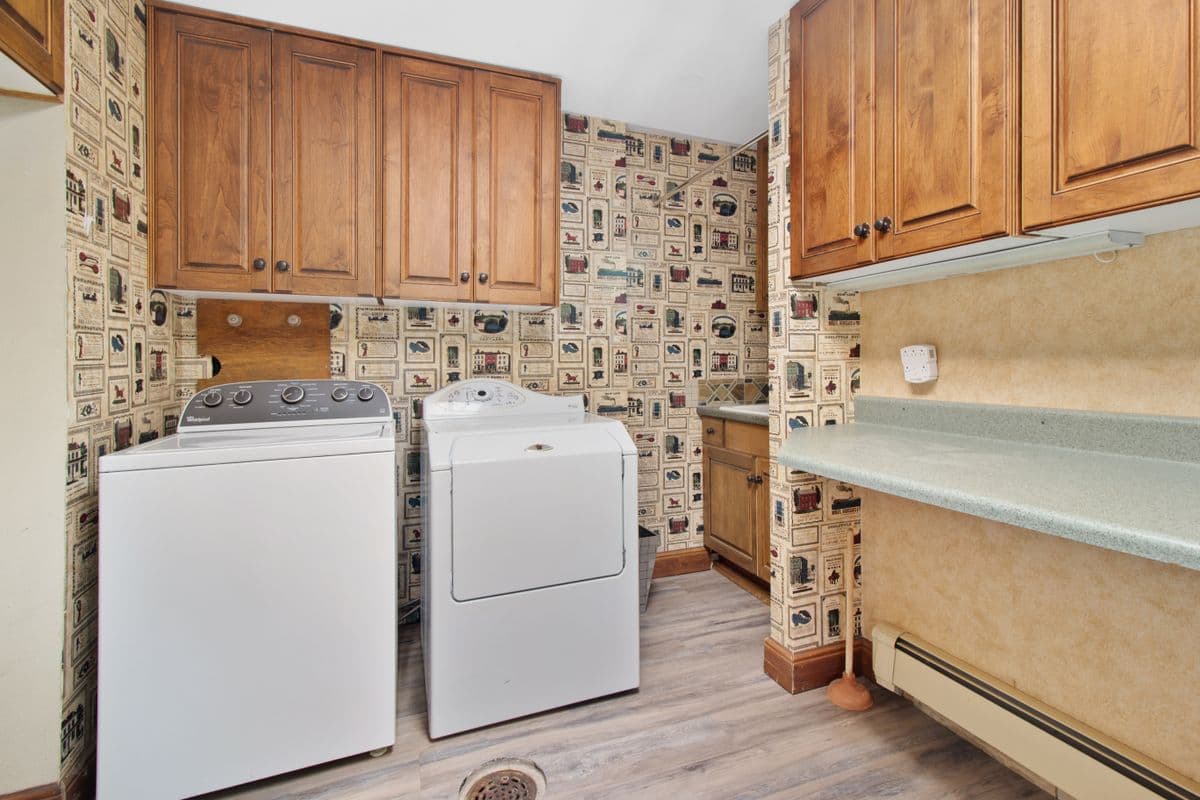 Installation and Setup
Where Should a Whole-House Water Softener Be Installed?
Install a whole-house water softener on the main line after the shutoff and before the water heater, in a frost-free spot with a drain, a power outlet and room to fill the brine tank. This guide applies those five requirements to four common house layouts, separates the compromises you can live with from the ones that cause trouble later, and covers the outdoor-tap decision that has to be made at install.
Read the guide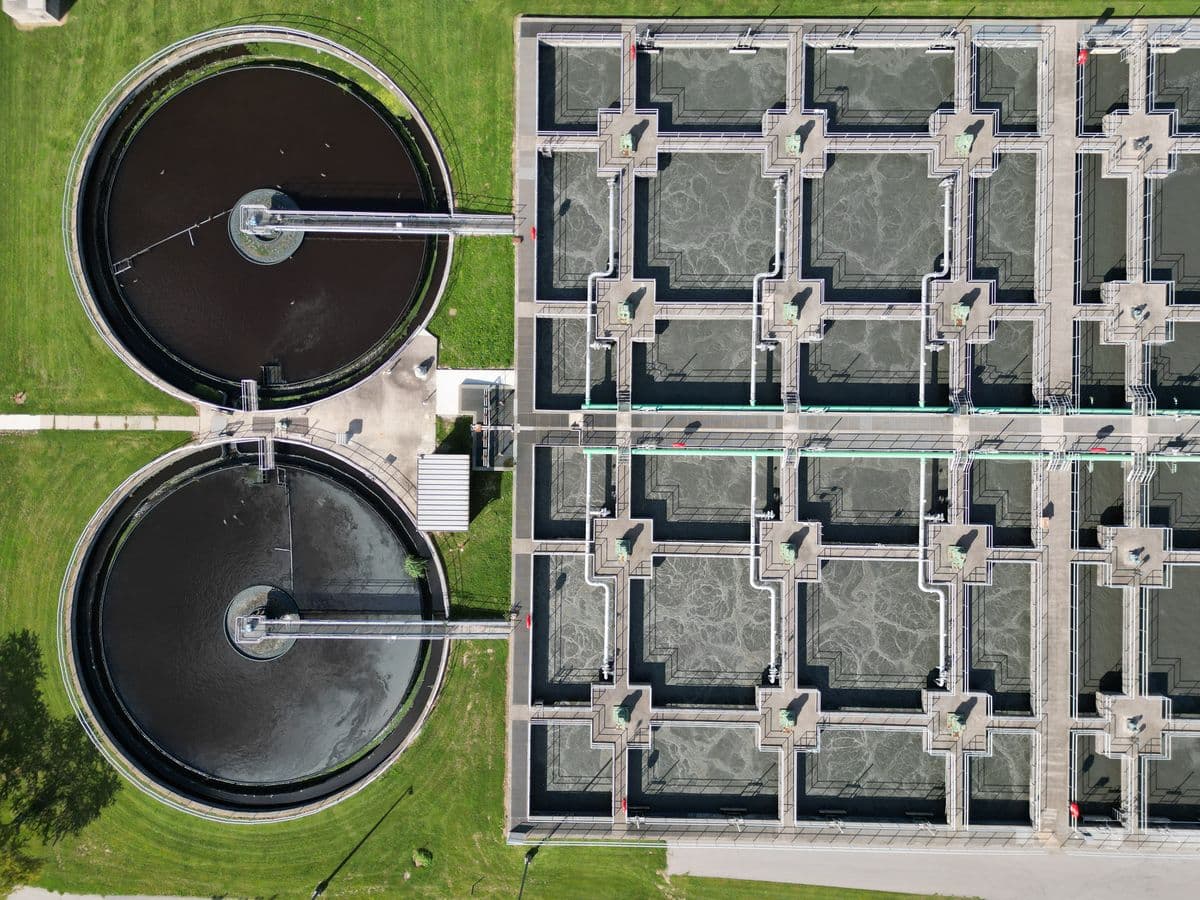 Cost and Ownership
Where Water Softener Regeneration Waste Goes
Every regeneration sends 20 to 70 gallons of salty rinse water down the drain. This page works out what is in it, then follows it through a municipal treatment plant and through a septic tank and drainfield. The hardness and grit are handled along the way. The chloride from the salt is not, and that one fact explains every local rule about softeners.
Read the guide Hard Water Fundamentals
Why Water Hardness Changes by Season and Location
Hardness is not a fixed property of your address. City systems change their source blend through the year and wells follow the water table. That explains a lot of intermittent hard-water complaints, and one setting habit fixes most of them.
Read the guide